Where Safety Meets Expert Tree Service.

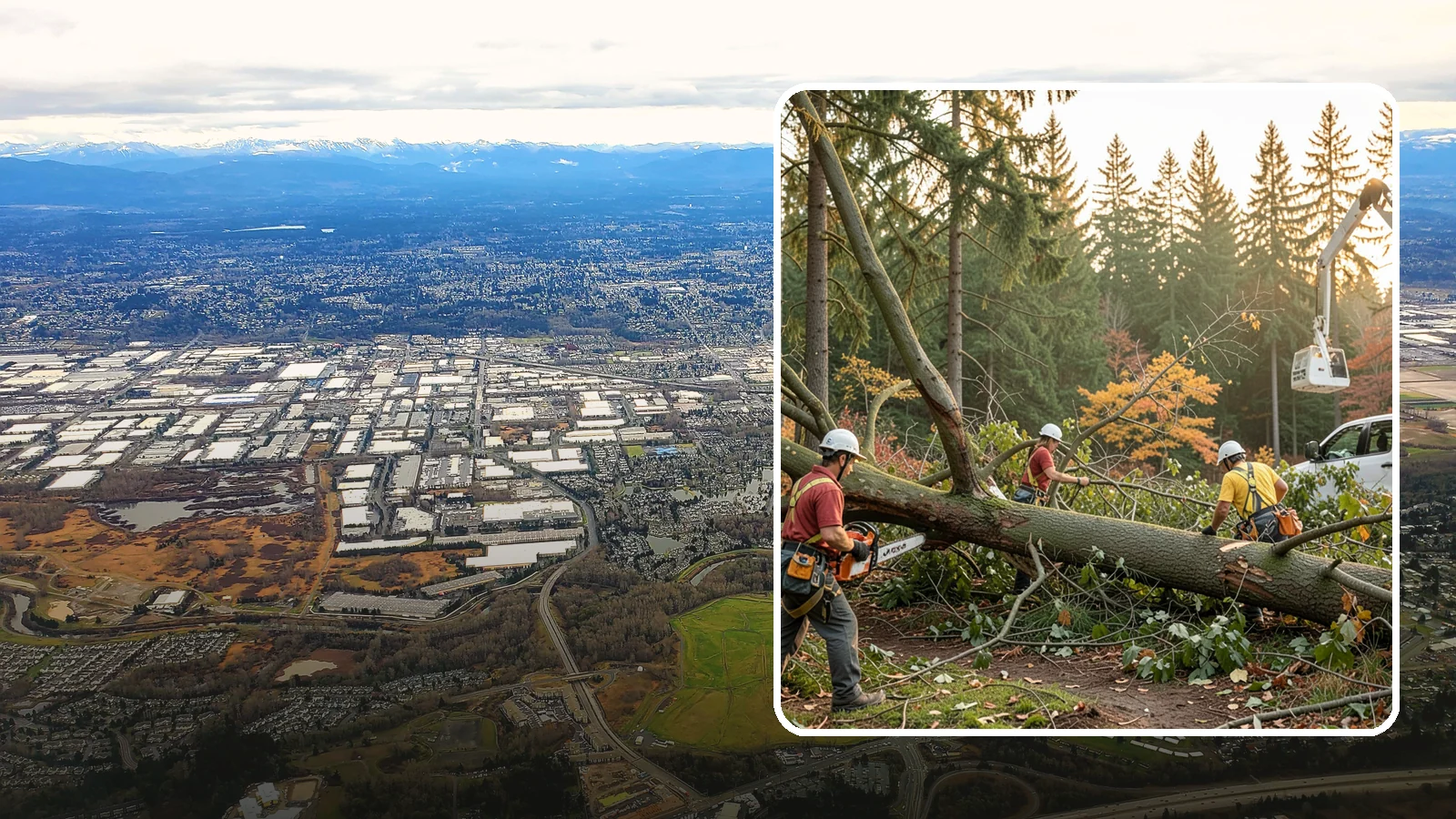
Kent Emergency Storm Cleanup
The rapid cleanup of tree damage after a storm.
Storm cleanup is not something you schedule for a season. It starts the day after wind brings down limbs or a tree. In Kent, the wind episodes that cause damage are not rare, so it helps to know your first steps before a storm arrives.
Once the wind drops, stay clear of anything hanging, leaning or tangled in a line. Photograph the damage from a safe distance, note what is blocking a driveway or door, and call before anyone climbs or cuts.
About Emergency Storm Cleanup in Kent
When severe weather hits our area, emergency storm cleanup helps restore safety and access quickly after a tree falls or breaks. This rapid response is designed for property owners who need debris removed efficiently following a storm event. Our trained crews are ready to assist you in recovering from the damage caused by wind, rain, or other harsh conditions.
What Kent Emergency Storm Cleanup Includes
Emergency storm cleanup focuses on clearing downed material and hanging limbs to prevent secondary failures around your home. We match our removal methods carefully to the specific tree species found at your site and current access limitations. This service ensures that dangerous debris is processed and hauled away so you can move forward with repairs.
Kent Emergency Storm Cleanup Process
Our typical approach begins by assessing immediate hazards and making the area safe for everyone involved. Crews then remove broken branches and fallen trunks while documenting any necessary damage details for your records. Finally, we process the wood at our facility or on-site before hauling it away to leave your property clear.
Equipment We Use for Kent Emergency Storm Cleanup
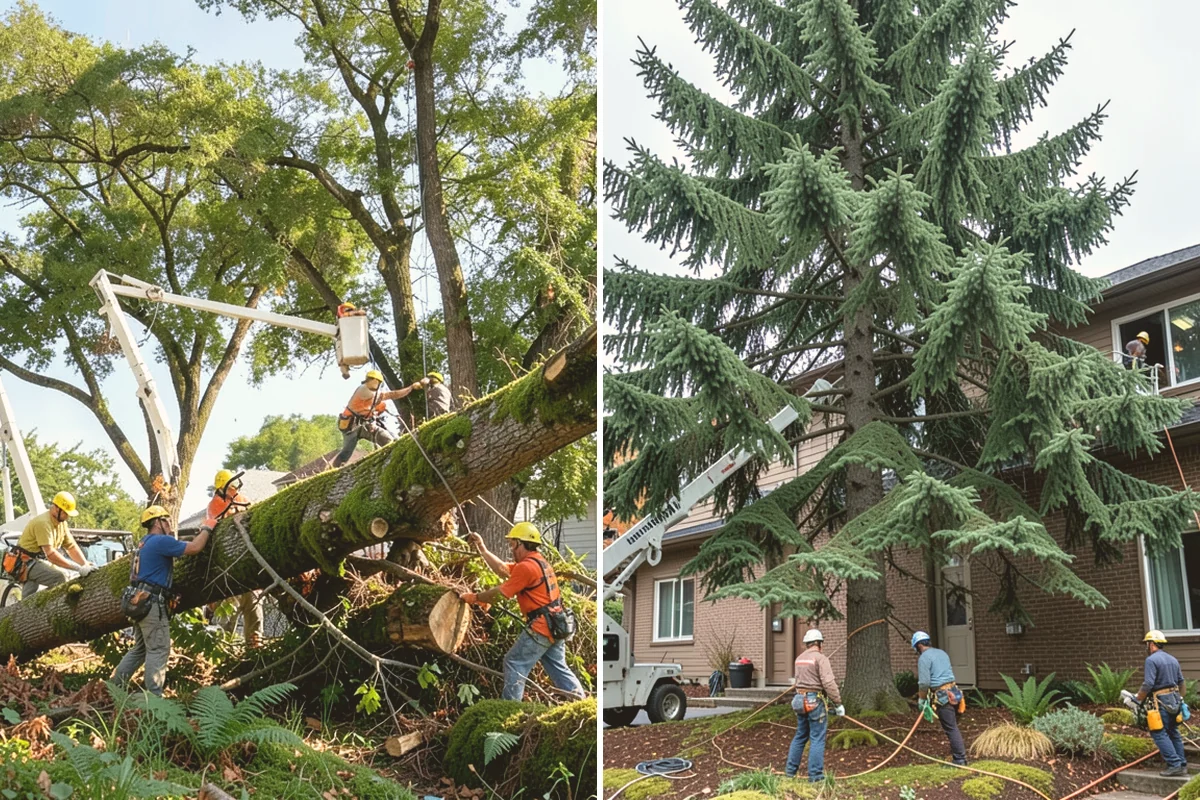
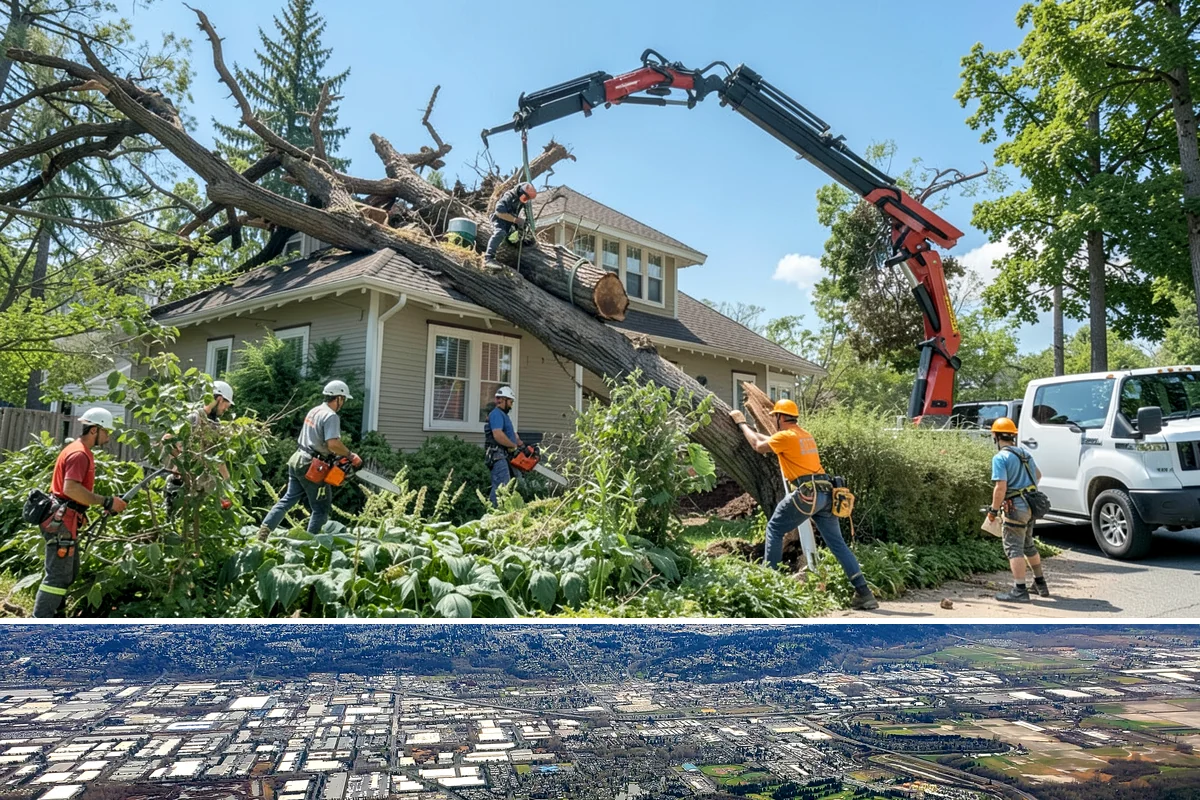
We utilize professional chainsaws, rigging gear, and personal protective equipment to handle storm-damaged trees safely. Depending on the size of the job and site access needs, an aerial lift or crane may be brought in as required. Additional tools like a chipper are used to break down wood before it is loaded onto hauling trucks for removal.
Kent Emergency Storm Cleanup Safety & Best Practices
Storm-damaged trees often remain unstable under load, so we treat every situation with caution until fully secured. Our crews watch closely for hidden utility lines and release tension carefully on bent or pinned material during removal. We also keep bystanders clear of the work zone to ensure everyone stays safe while debris is cleared efficiently.
Signs You Need Emergency Storm Cleanup in Kent
You may need this service if you see trees under stored tension, downed power lines, or cracks that have partially failed in your yard. Limited access after a storm often signals the need for professional help to navigate safely around hazardous conditions. If hanging limbs threaten structures or block driveways following severe weather, our cleanup team is prepared to respond immediately.
What Affects the Cost of Emergency Storm Cleanup in Kent
The final cost depends on factors like tree species and specific site conditions where the damage occurred. Access limitations created by fallen debris can also influence how much time and equipment are needed for removal. Additionally, the total volume of debris requiring processing and haul-away will play a significant role in pricing your project.
Best Time of Year for Kent Emergency Storm Cleanup
This service is available year-round to address severe weather events that occur throughout the Puget Sound region rather than just one season. Whether it happens after an unexpected winter storm or a summer thunderstorm, we are ready to deploy crews when you need them most. There is no specific seasonal restriction on our availability for emergency cleanup needs during bad weather.

Planning storm cleanup in Kent, Washington
The National Weather Service forecast zone that includes Kent logged 38 high and strong wind episodes between 2005 and 2025. That figure covers the whole zone, not just one street or yard. It tells you wind damage here is a recurring event, so a plan made in calm weather is worth having.
Rain matters too. Daymet data shows Kent gets about 5.4 days a year with an inch or more of rain. Heavy rain softens soil, and a saturated root zone can make a leaning tree more likely to shift. If a tree has moved at its base or the ground is heaving, treat it as urgent and keep people away from it.
What affects the scope
Scope depends on what the tree is touching and how it is loaded. A limb resting on the ground is simple. A tree pinned against a roof, fence or wires takes more planning, because cutting in the wrong order can release tension suddenly. Size, access for equipment and whether the tree is split or only broken all change the job. If a tree may need to come down entirely, we check with the city before work starts, since removal rules can apply.
What to expect on the day
We assess the site first and decide on a cutting sequence. Hazards are dealt with before debris, and the work is cleaned up to the extent agreed. A certified arborist is on staff, and estimates are free. Call or text 425-484-4442 with photos if you can.
One practical tip
Ask about debris before it is hauled. King County is inside the WSDA apple maggot quarantine, so homegrown fruit and yard waste may not be moved out of the quarantine area into pest-free areas. If fallen branches carry fruit, tell us so it is handled properly.
Kent tree conditions at a glance
| High and strong wind episodes, 2005-2025 | 38 in the forecast zone |
|---|---|
| Ice storm episodes, 2005-2025 | 3 in the forecast zone |
| Average snowfall | 5 in a season |
| Soils | 60% of land has hardpan or another restrictive layer within 40 in; most common series Alderwood |
| Rain and snow falling October to April | 81% of the year’s total |
| Electric utility | unconfirmed |
Tree removal rules in Kent
Kent’s published rules don’t spell out clearly which removals need city approval. We check with the city before work starts.
Strongest wind events near Kent
- Dec 14, 2006: gusts to 74 mph
- Feb 3, 2006: gusts to 67 mph
- Jan 12, 2021: gusts to 61 mph
NOAA Storm Events, forecast zone that includes Kent, 2005-2025.
Sources: Daymet daily weather (NASA/ORNL), NOAA Storm Events, USDA plant hardiness map 2023, NRCS soil survey, USGS elevation, WA DNR landslide inventory, USDA Forest Service aerial survey, WSDA, city tree assessments and street-tree inventories, SILVIS Lab, Arbor Day Foundation, and official city and utility pages.
Emergency Storm Cleanup Serving Kent
Kent
Emergency storm cleanup in nearby areas
Also serving Kent
- Wind Mitigation in Kentat Washington Roofing
- Foundation Crack Injection in Kentat Washington Construction
- Winter Landscape Protection in Kentat Washington Landscaping
- Fire Lane Clearing in Kentat Washington Snow Removal