Where Safety Meets Expert Tree Service.

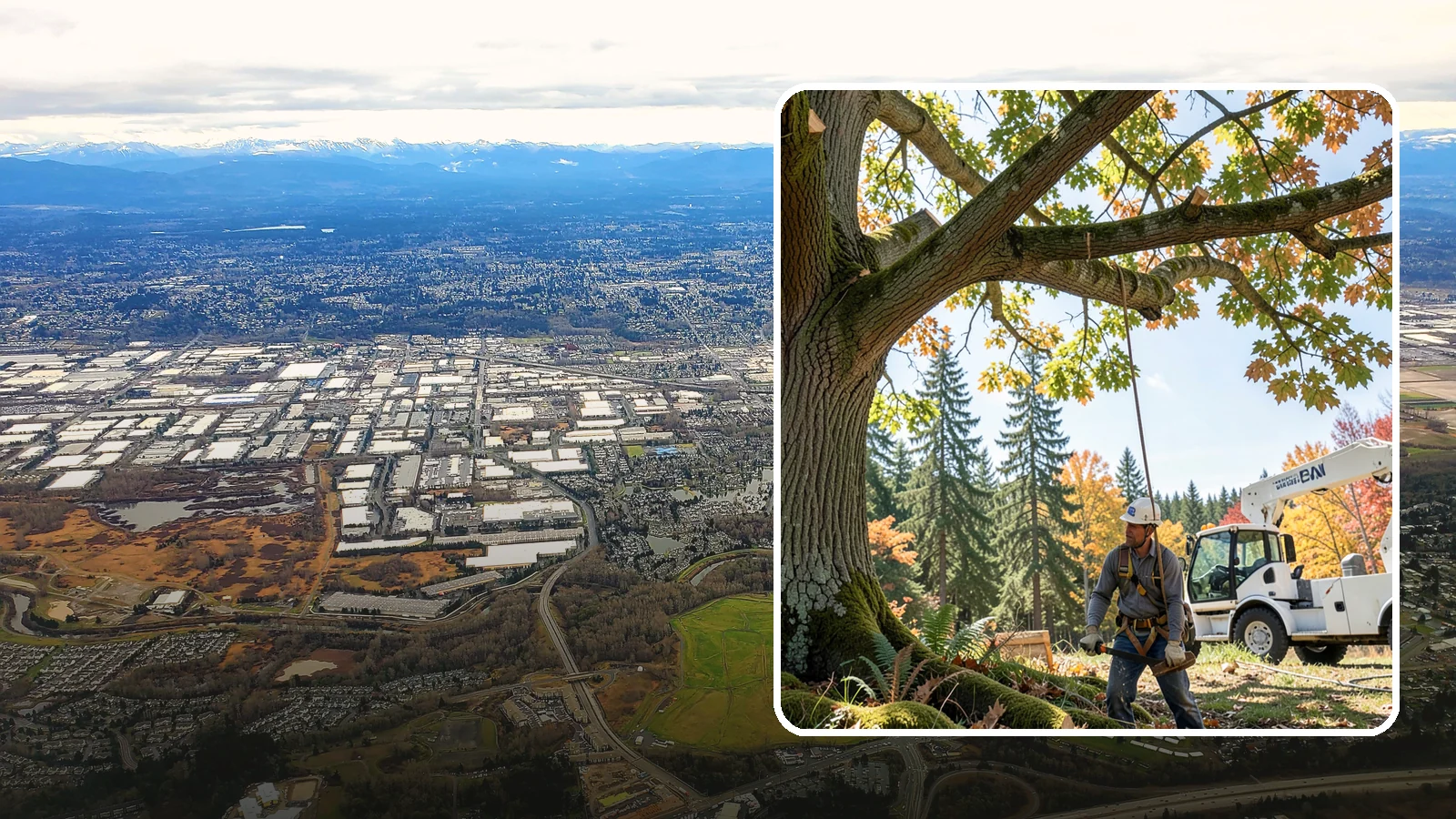
Kent Deadwood Removal
The removal of dead branches from the canopy.
Dead branches rarely fail on a calm day. In the forecast zone that includes Kent, the record shows 38 high and strong wind episodes between 2005 and 2025. A dead limb over a roof, driveway or play area is the kind of thing those episodes can bring down.
You can check your own trees now. Look for branches with no leaves in summer, bark peeling away, or brittle twigs that snap cleanly. Mark what you find and note what sits underneath, because the target below often decides how soon the work should happen.
About Deadwood Removal in Kent
We help homeowners keep their trees safe and looking great by removing dead branches from the canopy. This friendly approach ensures your property stays hazard-free while enhancing its natural beauty. Whether you have a single tree or a large grove, our trained crews are ready to assist with this essential care.
What Kent Deadwood Removal Includes
Deadwood removal focuses on taking out lifeless limbs that pose risks of falling unexpectedly. Beyond safety, the process also improves how your trees look and supports their long-term health by removing weak unions. We match every method to the specific tree species and site conditions for a tailored result.
Kent Deadwood Removal Process
Our work begins with an assessment of the canopy condition and clear pruning objectives for each tree. Crews select precise cuts that fit the season and species, ensuring we never over-prune or cause unnecessary stress. After making clean incisions at proper points, we carefully lower branches and process them before cleaning up your entire work area.
Equipment We Use for Kent Deadwood Removal
To handle this job safely, our teams use hand saws, pole saws, chainsaws, and various climbing gear as needed. Depending on the tree’s height and location, an aerial lift may be utilized to reach difficult spots without risk. We also bring a wood chipper for efficient material processing along with full personal protective equipment for everyone involved.
Kent Deadwood Removal Safety & Best Practices
Our crews strictly follow recognized pruning standards to avoid making cuts that could harm your trees or invite disease. We carefully watch for overhead power lines and unstable limbs before starting any work aloft. Fall protection is always used when working from heights, ensuring a secure environment throughout the project.
Signs You Need Deadwood Removal in Kent
You might need this service if you see dead branches hanging loosely in your canopy or notice weak unions that could fail during wind events. Over-pruning by others or interference with nearby structures and lines are also common reasons to call for professional help. These issues can cause stress to healthy tissue, so addressing them early supports the tree’s overall vigor.
What Affects the Cost of Deadwood Removal in Kent
The final cost is influenced by how large your canopy is and whether site access conditions make the job more complex. Tree species complexity plays a role in pricing, as does the volume of material that needs to be removed and disposed of properly. We evaluate all these factors together to provide an accurate estimate for your specific situation.
Best Time of Year for Kent Deadwood Removal
In our Puget Sound climate, this work can generally be performed year-round without major restrictions. However, we consider species-specific timing considerations to avoid stressing the tree or creating entry points for disease during certain seasons. Our experts will guide you on the best time to schedule based on your particular trees and local conditions.
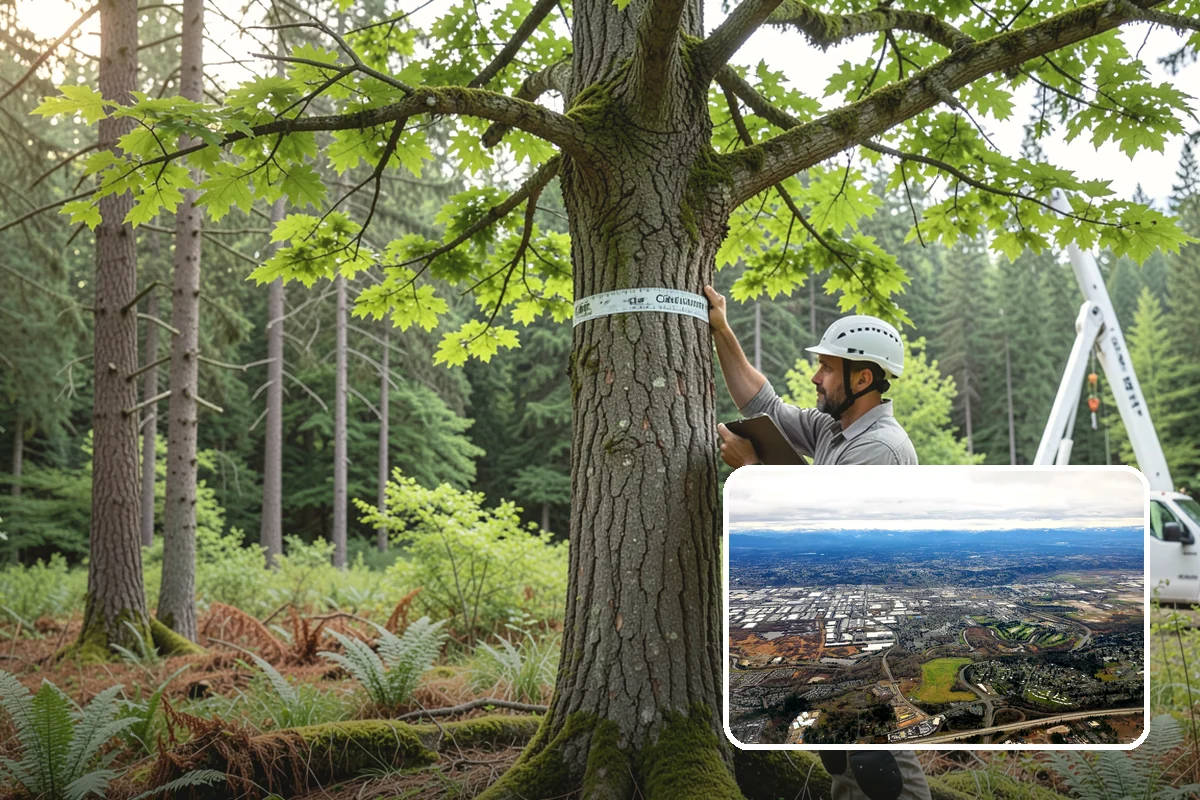
How deadwood removal works for Kent properties
Deadwood removal means cutting out dead, dying or broken branches while leaving the healthy structure of the tree alone. Standard practice, in line with ISA and ANSI A300 pruning guidance, is to cut back to the branch collar or to a living lateral branch. We do not cut flush to the trunk, and we do not top the tree.
The steps
- Walk the tree from the ground and from several sides, looking at the crown, the trunk and the base.
- Mark dead wood by size and by what it could hit if it fell.
- Remove the marked branches with clean cuts, lowering larger pieces on ropes where needed.
- Look again for the cause, such as decay, cracks or storm injury, and tell you what we see.
Why storm damage matters here
After a windy stretch, check for broken or hanging branches, torn bark, frost cracks, split trunks and broken leaders. These are the signs listed by WA DNR in its guidance on assessing winter storm damage. Hanging branches and split trunks are worth a call soon, since they can drop without warning.
Dieback is not always simple
A federal aerial survey by the USDA Forest Service and WA DNR, covering 2021 to 2025, mapped forest within 10 km of Kent. It is forest land, not street or yard trees. It recorded 6,473 acres of decline with no cause identified, meaning dieback where no single cause was found, plus 3,709 acres of heat damage. That tells us dieback around here can have mixed causes. So on your tree we look at the whole crown. If deadwood is widespread, removing it may not be enough, and we will say so.
Kent sits in USDA hardiness zone 8b, with parts of the city in 8b to 9a, according to the 2023 USDA map. That is a guide to winter cold, not a diagnosis, so we judge each tree by what it shows.
Deadwood pruning is not tree removal. If any work could involve removing a tree, we check with the city before work starts. For a free estimate, call or text 425-484-4442.
Kent tree conditions at a glance
| USDA hardiness zone | 8b (8b to 9a across the city) |
|---|---|
| Landslides mapped by WA DNR | 2 |
| Soils | 60% of land has hardpan or another restrictive layer within 40 in; most common series Alderwood |
| High and strong wind episodes, 2005-2025 | 38 in the forecast zone |
| Electric utility | unconfirmed |
Tree removal rules in Kent
Kent’s published rules don’t spell out clearly which removals need city approval. We check with the city before work starts.
Strongest wind events near Kent
- Dec 14, 2006: gusts to 74 mph
- Feb 3, 2006: gusts to 67 mph
- Jan 12, 2021: gusts to 61 mph
NOAA Storm Events, forecast zone that includes Kent, 2005-2025.
Sources: Daymet daily weather (NASA/ORNL), NOAA Storm Events, USDA plant hardiness map 2023, NRCS soil survey, USGS elevation, WA DNR landslide inventory, USDA Forest Service aerial survey, WSDA, city tree assessments and street-tree inventories, SILVIS Lab, Arbor Day Foundation, and official city and utility pages.
Deadwood Removal Serving Kent
Kent
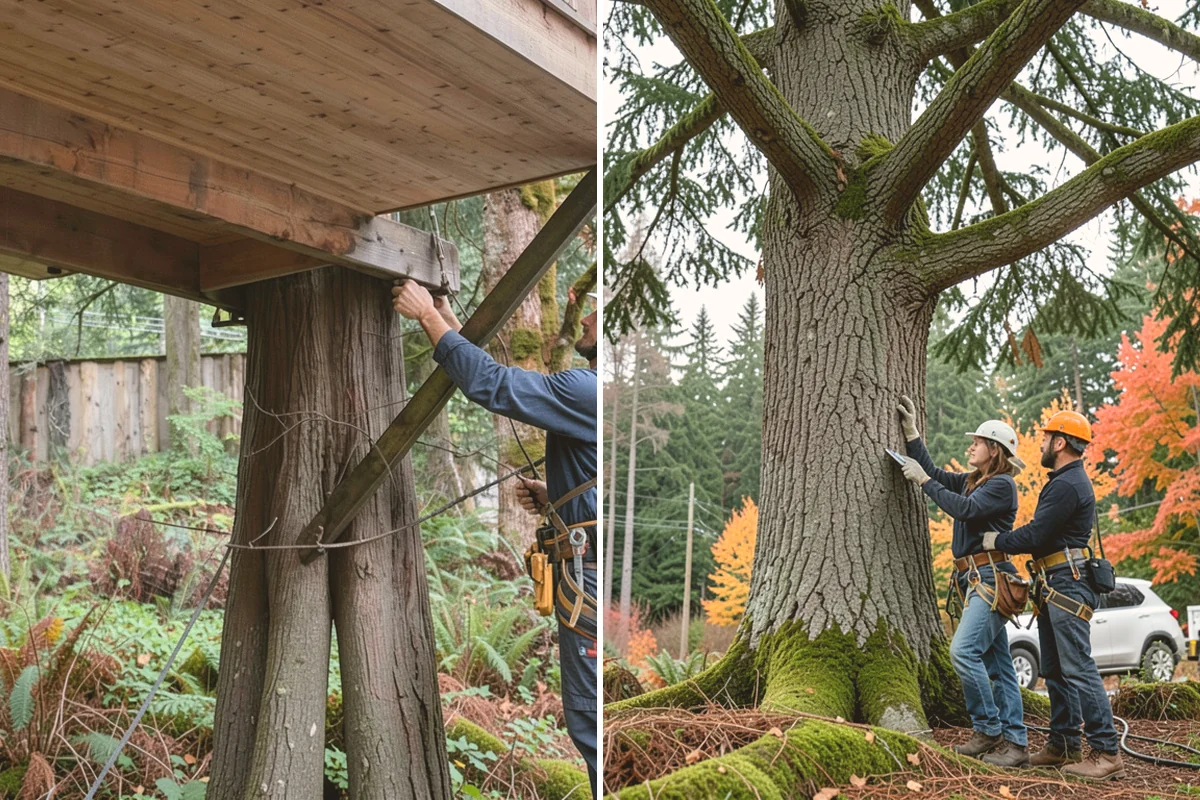
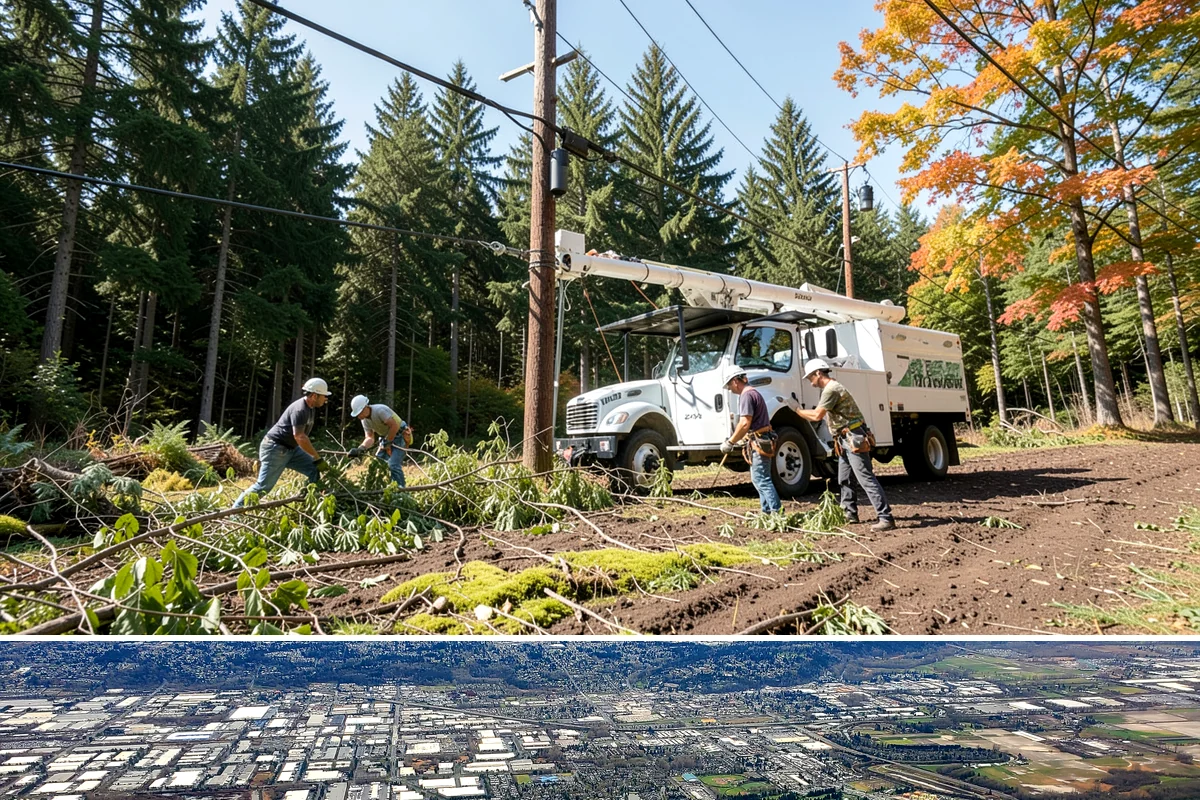
Deadwood removal in nearby areas
Also serving Kent
- Ornamental Tree Pruning in Kentat Washington Landscaping
- Roof Maintenance in Kentat Washington Roofing
- Emergency Tree Removal in Kentat Washington City Services