Where Safety Meets Expert Tree Service.

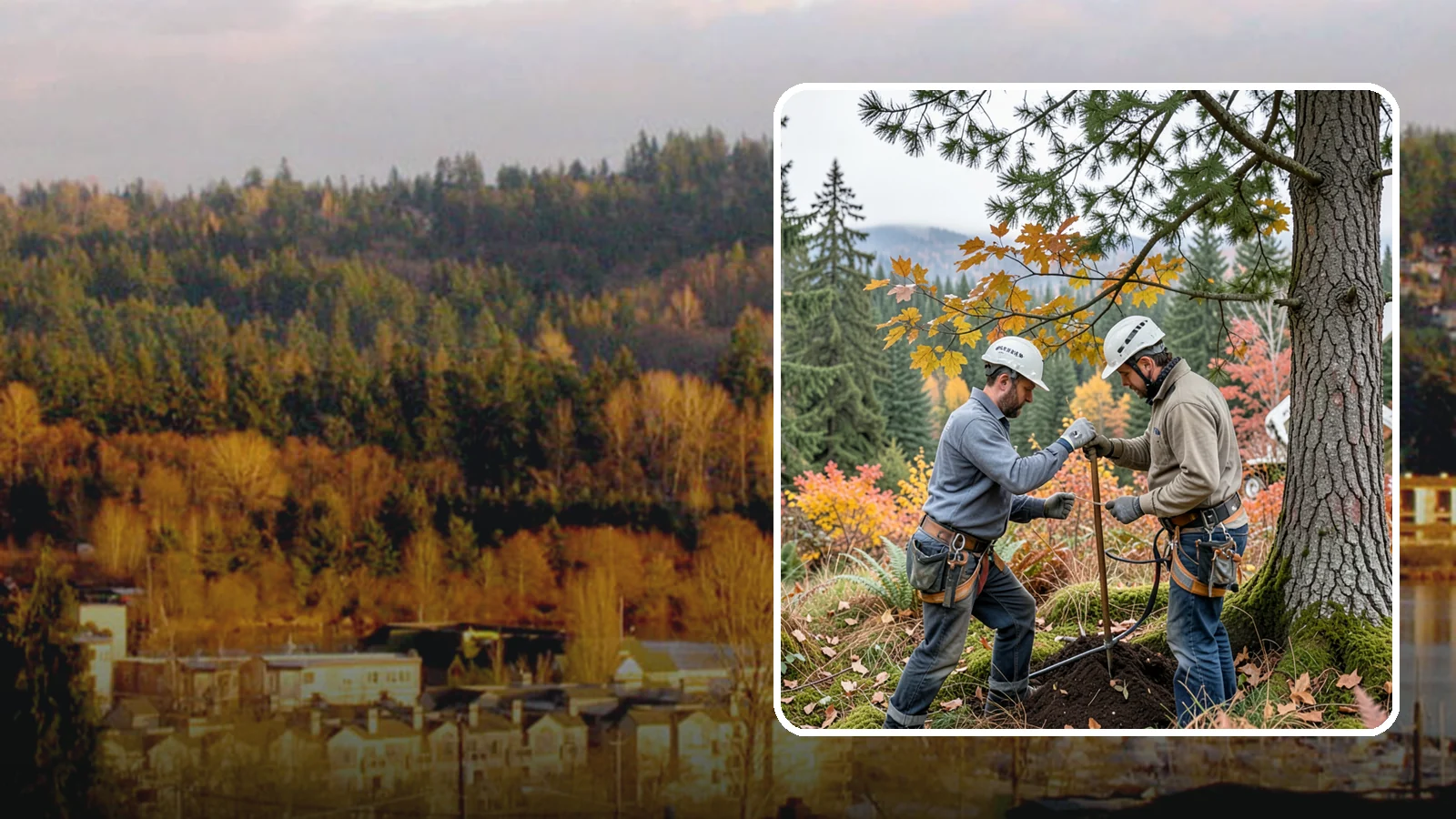
Kenmore Soil Testing
The analysis of soil conditions around a tree.
Is soil testing worth it for a tree in Kenmore? Often, yes, when a tree is struggling and the cause is not obvious. A test shows pH, nutrient levels and organic matter. It can also point toward drainage or compaction problems that a lab number alone will not explain.
The best time to test is before you plant or when a tree shows thinning leaves, browning or slow growth. Pair the lab results with a look at the site, because what sits below the topsoil often matters as much as what is in it.
About Soil Testing in Kenmore
Soil testing helps you understand what is happening beneath your trees’ roots so they can thrive in our local climate. This simple analysis guides smart decisions about fertilization, soil amendments, and drainage to keep your landscape healthy for years. It supports long-term stability by catching potential issues before they grow into bigger problems.
What Kenmore Soil Testing Includes
Our trained crews perform a detailed look at the conditions surrounding each tree using recognized arboricultural standards. We match our methods specifically to the species of your trees, the site where they stand, and how easy it is for us to reach them. The goal is always to improve root health and extend the useful life of these valued assets in your yard.
Kenmore Soil Testing Process
Work begins with a careful inspection of both the tree and its immediate site to spot any contributing factors like poor soil or past construction issues. We then recommend and apply treatments that address pests, disease, or drainage needs based on our findings. Finally, we document everything clearly so you have a record for future follow-up care and maintenance plans.
Equipment We Use for Kenmore Soil Testing
To get accurate results, we use specialized diagnostic tools along with soil probes and sampling kits to gather the right information. Depending on what is needed at your specific site, air excavation tools or injection equipment may be brought in carefully. We also wear personal protective gear throughout the job to ensure everyone stays safe while working around your property.
Kenmore Soil Testing Safety & Best Practices
Our team always follows label guidelines for any products used and takes steps to protect existing soil and nearby plantings from damage. During sampling, we take great care to avoid hurting roots or trunks so that our work does not harm the very trees it aims to help. We also make sure all conditions are documented accurately before leaving your site after completing the necessary tasks.
Signs You Need Soil Testing in Kenmore
You might need this service if you notice signs of decline caused by compacted soil, girdling roots, or changes in ground grade from old construction. It is especially useful when pests and disease appear to be affecting multiple trees on a property at once. If your drainage seems poor or fertilizer efforts have not improved the landscape, testing can clarify what adjustments are actually needed.
What Affects the Cost of Soil Testing in Kenmore
The price for this service depends largely on the specific species of tree you have planted in your yard. Site conditions such as difficult access or steep slopes will also determine which diagnostic tools and sampling methods our crew must use. These factors combine to set a cost that reflects the unique needs of each individual job without any hidden fees.
Best Time of Year for Kenmore Soil Testing
In Washington’s Puget Sound climate, soil testing can generally be done at any time during the year for most properties. However, we may need to adjust our approach slightly or wait for drier conditions if heavy rain makes sample collection difficult. When wet seasons require extra care, we might use air excavation tools gently to ensure we get clean samples without damaging roots.
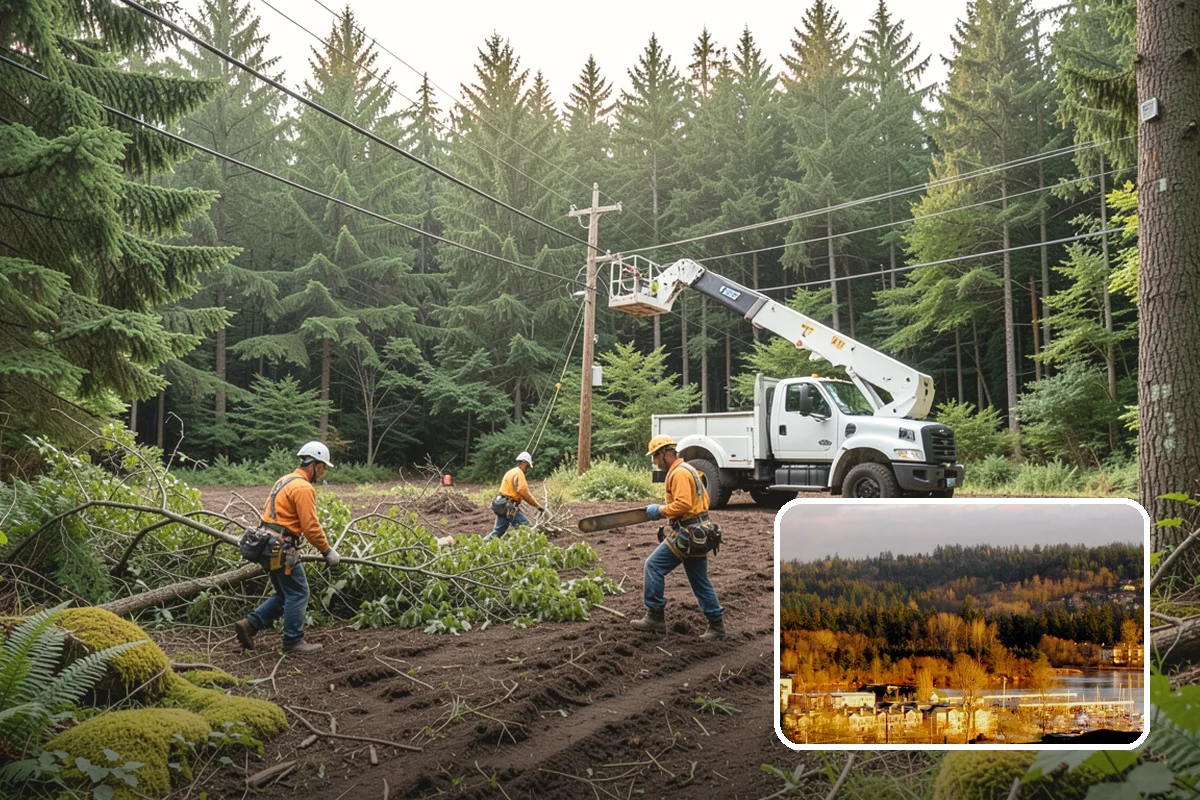
Soil testing in Kenmore: what the local soil data means
Soil testing here works best when you read the results alongside what is known about the ground in the area. Three local details change how we would approach it.
A hard layer below the surface
The NRCS soil survey says 51% of Kenmore's land has a hard or restrictive layer, such as glacial hardpan, within 40 inches of the surface. The most common soil series is Alderwood. This is a survey of the city's land overall, not a reading for your yard. It does mean a lab report on topsoil may not tell the whole story. Roots can stall at a dense layer, and water can sit above it. When we collect samples, we also note how deep the soil is and whether water drains.
Wet winters, dry summers
Daymet data for 2005 to 2025 shows 81% of Kenmore's yearly rain and snow falls from October to April. Soil can stay saturated through the cool months, then dry out in summer. Test results taken in one season show only that moment. If a tree has declined, we look at drainage in winter and watering in summer along with the nutrient numbers.
Cedars and summer drought
WSU HortSense notes that cedars may need extra irrigation during summer drought to reduce flagging, which is the browning of individual branches. If you have a cedar with flagging, a soil test can rule out pH or nutrient problems. Watering habits are often the first thing to adjust.
The USDA lists Kenmore in hardiness zone 9a, with parts of the city from 8b to 9a. That helps when choosing species to plant after a test.
Call or text 425-484-4442 to have a sample taken and talk through the results. Estimates are free.
Kenmore tree conditions at a glance
| USDA hardiness zone | 9a (8b to 9a across the city) |
|---|---|
| Soils | 51% of land has hardpan or another restrictive layer within 40 in; most common series Alderwood |
| Rain and snow falling October to April | 81% of the year’s total |
| Days with 0.1 in or more of rain | 108 a year |
| Tree canopy | Among the most heavily treed Puget Sound cities (satellite data) |
| Days that freeze at night and thaw by day | 30 a year |
Most common street trees in Kenmore
- Douglas-fir11.3%
- Eastern arborvitae9.8%
- Red alder8.4%
- Western red cedar7.4%
- Bigleaf maple5.1%
- Black cottonwood4.8%
Share of 12,435 trees in the city’s street-tree inventory; median trunk diameter 10.0 in, 14.0% at 24 in or wider.
Tree health near Kenmore
Spongy moth (WSDA 2020): WSDA trap detection(s): 2 catch record(s) listed (per-trap counts not given).
Spongy moth (WSDA 2016): WSDA trap detection(s): 1 moth(s) in 1 trap catch record(s).
- Decline, cause not identified141 ac
Forest damage mapped from the air within 10 km of Kenmore, 2021-2025 (USDA Forest Service and WA DNR). This covers forest land, not street or yard trees. “Decline, cause not identified” is dieback with no single cause found.
Sources: Daymet daily weather (NASA/ORNL), NOAA Storm Events, USDA plant hardiness map 2023, NRCS soil survey, USGS elevation, WA DNR landslide inventory, USDA Forest Service aerial survey, WSDA, city tree assessments and street-tree inventories, SILVIS Lab, Arbor Day Foundation, and official city and utility pages.
Soil Testing Serving Kenmore
Kenmore
Soil testing in nearby areas
Also serving Kenmore
- Shrub Transplanting in Kenmoreat Washington Landscaping
- Municipal Landscape Maintenance in Kenmoreat Washington City Services