
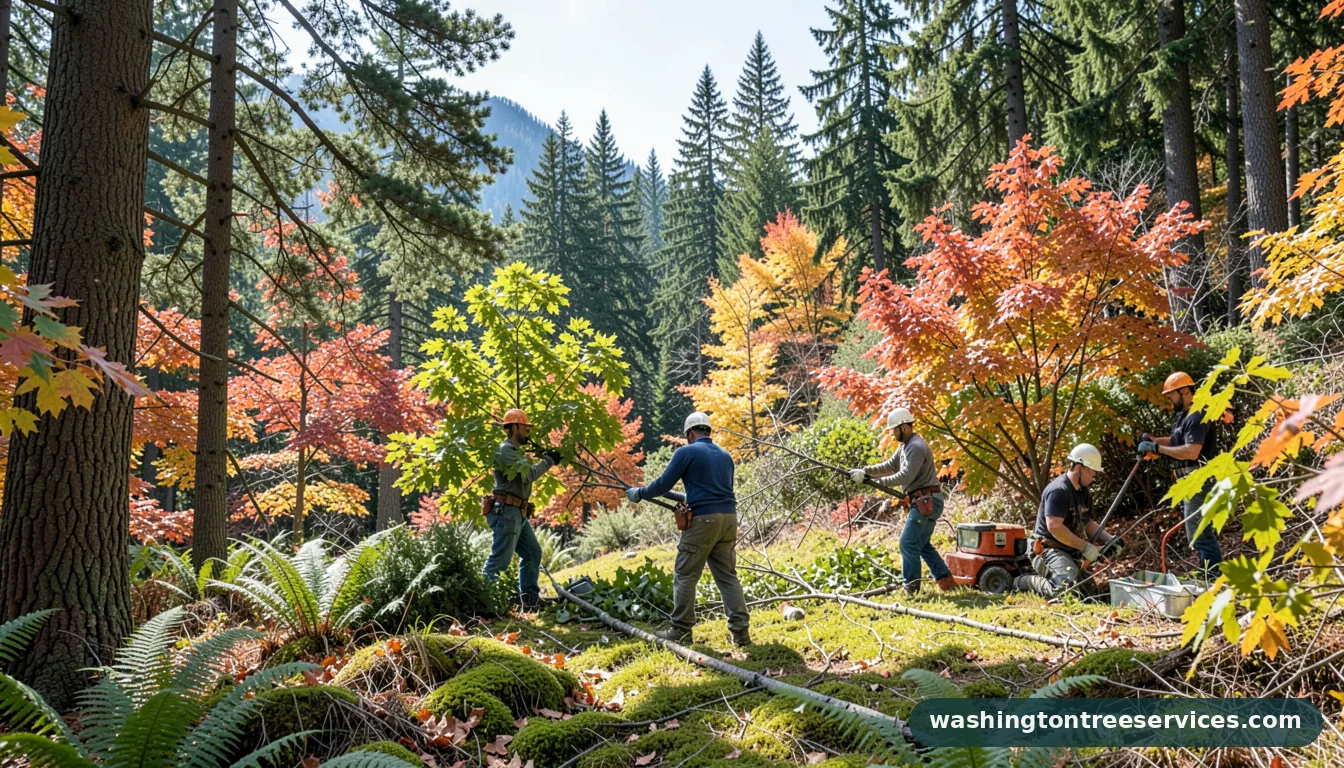
Proper tree trimming is essential for maintaining the health and appearance of your maple trees. However, trimming during the fall season requires careful consideration. In this guide, we will discuss the importance of trimming in the fall, potential risks, and when to seek professional help.
What's Happening
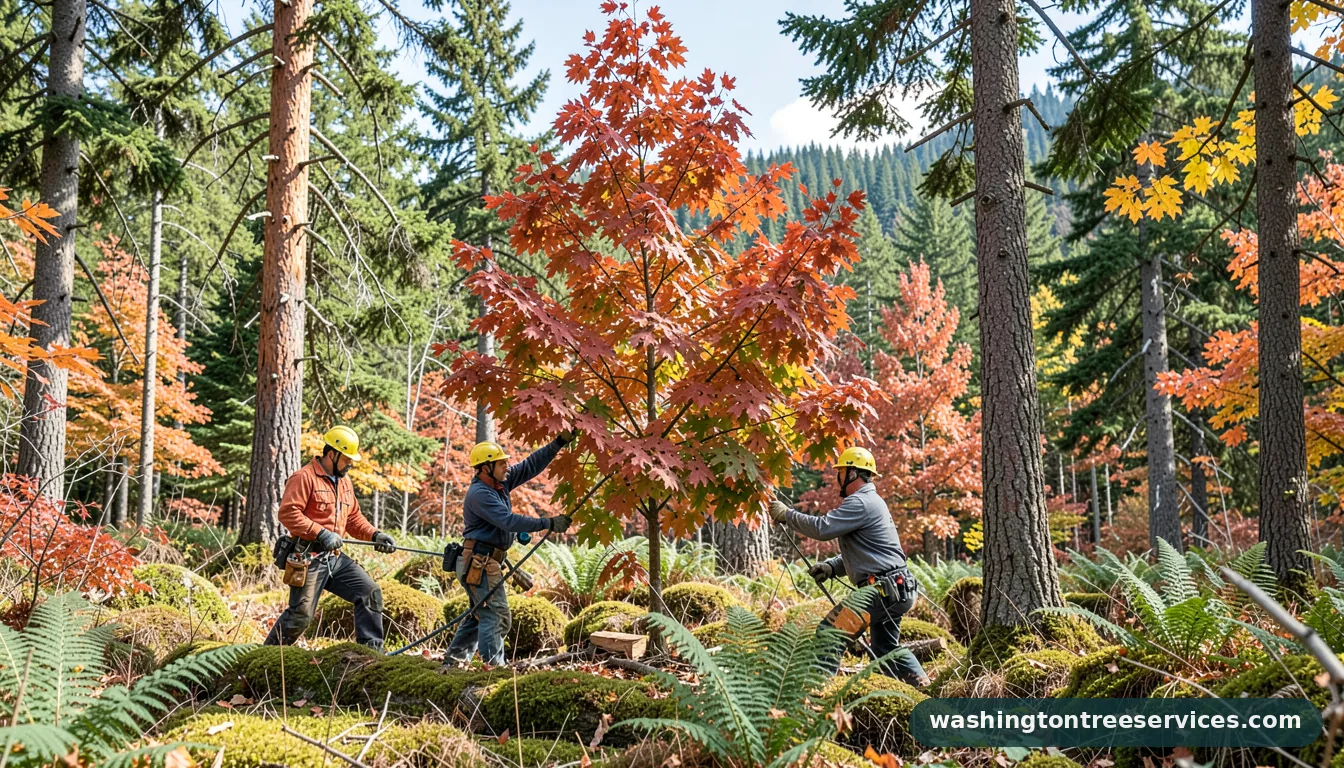
Maple trees typically experience a period of dormancy during the winter months, but trimming them in the fall can stimulate new growth. This may lead to an increased risk of disease and pest infestations. It’s essential to understand the tree’s natural cycle and how trimming affects its health.
When to Trim
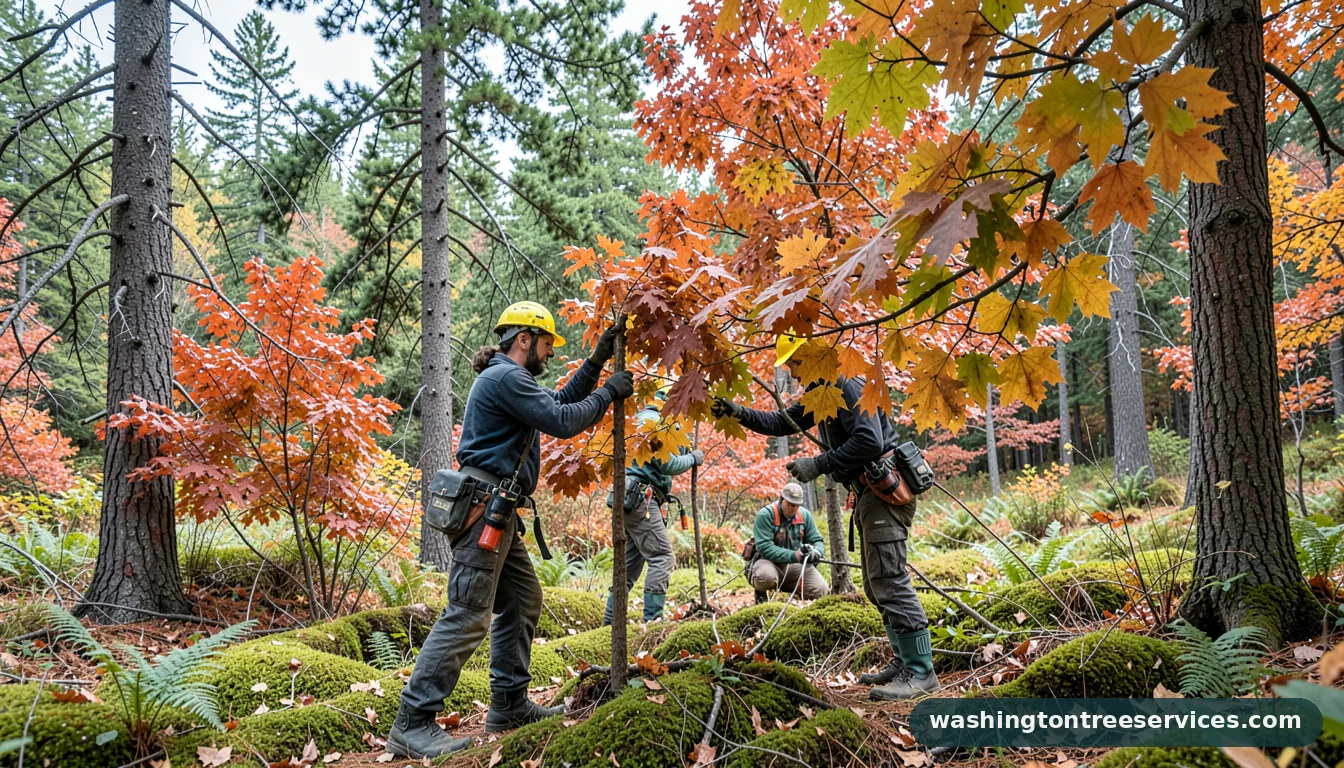
Trimming your maple trees in the fall might be necessary due to factors such as overgrowth, branch damage, or to maintain a desired shape. However, it’s crucial to consider the timing of pruning. Prune only what is necessary and avoid making major cuts during this time.
Pruning Techniques
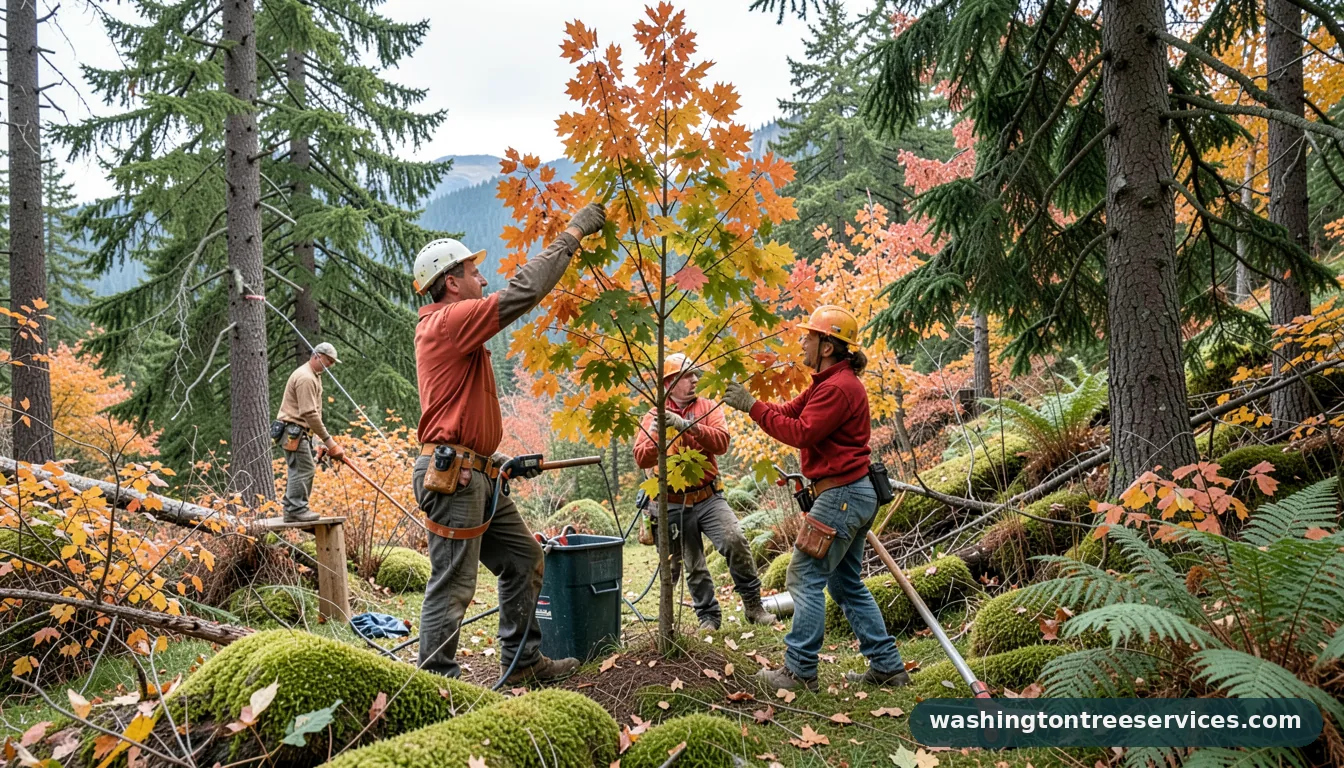
When pruning your maple trees in the fall, use proper techniques to minimize risks. Remove any dead or diseased branches, and cut at a 45-degree angle to promote healthy growth. Be cautious not to over-prune, as this can cause stress to the tree.
Local Considerations
In Washington state, where maple trees are common, site access, tree condition, proximity to structures, and local regulations can affect the work. Ensure that your property is accessible for our team to perform the necessary trimming services.
Contact us today for expert advice on trimming your maple trees in the fall and schedule a professional assessment if needed.
Related Washington Tree Services
Learn more about tree trimming and pruning or contact Washington Tree Services.
Related Washington Tree Services
Learn more about all tree services or contact Washington Tree Services.
Request an estimate for a site-specific assessment.