Where Safety Meets Expert Tree Service.


Burien Root Zone Aeration
The loosening and aerating of compacted soil in the root zone.
In Burien, 83% of the year's rain and snow falls between October and April, based on Daymet data for 2005 to 2025. That means soil around many trees stays wet and heavy through the cooler months, and compaction shows most when the ground is soaked. Late spring through early fall, when the soil is workable, is a practical time to look at your tree's root zone.
Root zone aeration loosens packed soil so air and water can reach fine roots. If the ground under your tree is hard, shows bare patches, or sheds water in a heavy rain, aeration may be worth a look.
About Root Zone Aeration in Burien
Root zone aeration is a thoughtful tree health care option designed to help your valued trees thrive in compacted soil conditions. This service supports long-term stability by ensuring roots receive the air and water they need for strong growth. It is ideal for homeowners who want to catch potential issues before they escalate into larger problems.
What Burien Root Zone Aeration Includes
Root zone aeration involves loosening and aerating the dense earth within your tree’s root system to improve movement underground. Our trained crews match their methods specifically to your unique species, site conditions, and access requirements following recognized arboricultural standards. This approach directly improves soil and root conditions while extending the useful life of your trees.
Burien Root Zone Aeration Process
The work typically begins with a thorough inspection of the tree and its surrounding environment to identify contributing factors like pests or disease. We then recommend and apply appropriate treatments based on our findings, documenting everything for clear follow-up care plans. This systematic process ensures that every step addresses the specific needs identified during the initial assessment.
Equipment We Use for Burien Root Zone Aeration
Professionals use diagnostic tools and soil probes to gather accurate information about your tree’s underground environment before any work begins. Specialized injection or application equipment is utilized to deliver treatments effectively, with air excavation tools reserved for cases requiring specialized access. All crews wear necessary personal protective equipment while operating these various pieces of machinery on-site.
Burien Root Zone Aeration Safety & Best Practices
We strictly follow label and application guidelines for all products used during the aeration process to protect both your soil and nearby plantings. Our team takes great care to avoid damaging roots or trunks, ensuring that our work does not harm the very trees we are trying to help. Accurate documentation of site conditions is also maintained throughout the job to ensure safety standards are met at every stage.
Signs You Need Root Zone Aeration in Burien
You may need this service if your soil appears compacted or poor, which can hinder a tree’s ability to access essential resources. Other indicators include girdling roots that restrict growth or signs of decline caused by past construction and grade changes near the trunk. If pests or disease are suspected alongside these physical issues, root zone aeration helps create better conditions for recovery.
What Affects the Cost of Root Zone Aeration in Burien
The investment for this service is influenced by factors such as the size of your trees and how severe the soil compaction has become. Site access constraints can also play a role in pricing, particularly if invasive girdling roots require specialized excavation tools to remove safely. These variables ensure that every project plan reflects the specific complexity of your individual tree care needs.
Best Time of Year for Burien Root Zone Aeration
While this service works year-round within our local climate, it often yields best results during dormant seasons or mild weather periods. Scheduling work outside of active growth helps avoid stressing trees when they are most vulnerable to environmental changes. Choosing these times allows for more effective treatment without adding unnecessary pressure to your landscape’s natural cycle.
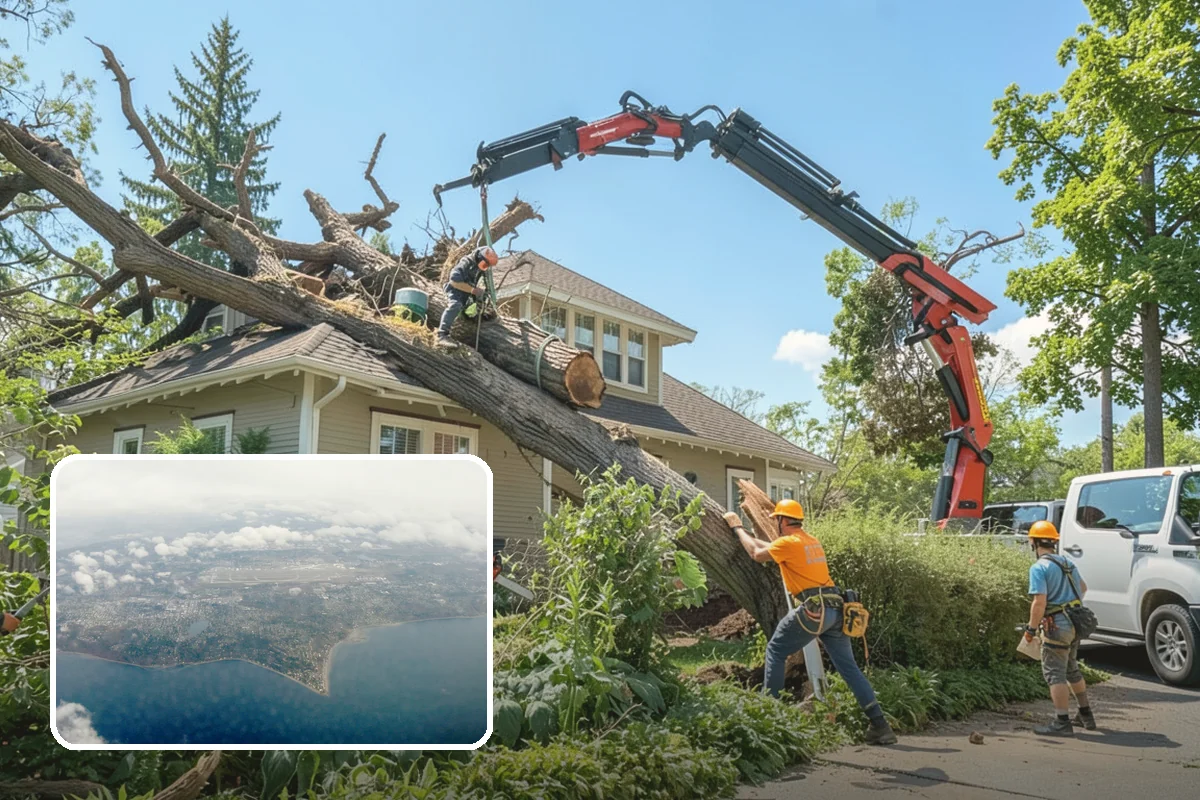
How root zone aeration works for Burien yard trees
Roots need oxygen as much as water. Soil that has been walked on, driven over, or built up around a house can lose the small air spaces roots depend on. Aeration is meant to restore some of them.
The basic steps
- Walk the root zone and note hard soil, standing water, bare ground, and any surface roots.
- Mark the area under and just beyond the canopy, where most fine roots tend to be.
- Loosen the soil in that area with air or mechanical tools, taking care not to cut or tear larger roots.
- Cover the area with a layer of mulch to protect the opened soil.
Results vary with soil type, tree health, and how compacted the ground was to begin with. Aeration does not fix every decline, and we will say so if something else looks like the cause.
Why the wet season matters here
Because 83% of Burien's yearly precipitation arrives from October to April (Daymet, 2005-2025), compacted soil here spends much of the year saturated. Working wet clay or silty soil can smear and pack it further. Planning aeration for a drier stretch usually gives better conditions for the work and for the roots afterward.
Mulch after aeration
Where trees dominate the landscape, arborist wood chips are one of the best mulches for trees and shrubs, according to Linda Chalker-Scott of WSU Extension in the publication Using Arborist Wood Chips as Landscape Mulch (FS160E, archived). A few inches of chips, kept off the trunk, help hold moisture in dry months and reduce foot traffic on the loosened soil.
Yards and house lots
About 57% of Burien's housing is single-family detached houses (Census ACS 2020-2024). That figure describes housing in the city, not your lot, but it is a reminder that many trees grow close to driveways, patios, and lawns where compaction builds up. Tell us where vehicles park and where people walk, and we can plan around those areas.
For a free estimate, call or text 425-484-4442.
Burien tree conditions at a glance
| USDA hardiness zone | 9a |
|---|---|
| Rain and snow falling October to April | 83% of the year’s total |
| Days with 0.1 in or more of rain | 109 a year |
| Days that freeze at night and thaw by day | 28 a year |
Tree health near Burien
Spongy moth (WSDA 2022): WSDA trap detection(s): 1 catch record(s) listed (per-trap counts not given).
- Decline, cause not identified628 ac
- Douglas-fir beetle29 ac
Forest damage mapped from the air within 10 km of Burien, 2021-2025 (USDA Forest Service and WA DNR). This covers forest land, not street or yard trees. “Decline, cause not identified” is dieback with no single cause found.
Sources: Daymet daily weather (NASA/ORNL), NOAA Storm Events, USDA plant hardiness map 2023, NRCS soil survey, USGS elevation, WA DNR landslide inventory, USDA Forest Service aerial survey, WSDA, city tree assessments and street-tree inventories, SILVIS Lab, Arbor Day Foundation, and official city and utility pages.
Root Zone Aeration Serving Burien
Burien
Root zone aeration in nearby areas
Also serving Burien
- Tree Transplanting in Burienat Washington Landscaping
- Median Landscape Maintenance in Burienat Washington City Services