Where Safety Meets Expert Tree Service.

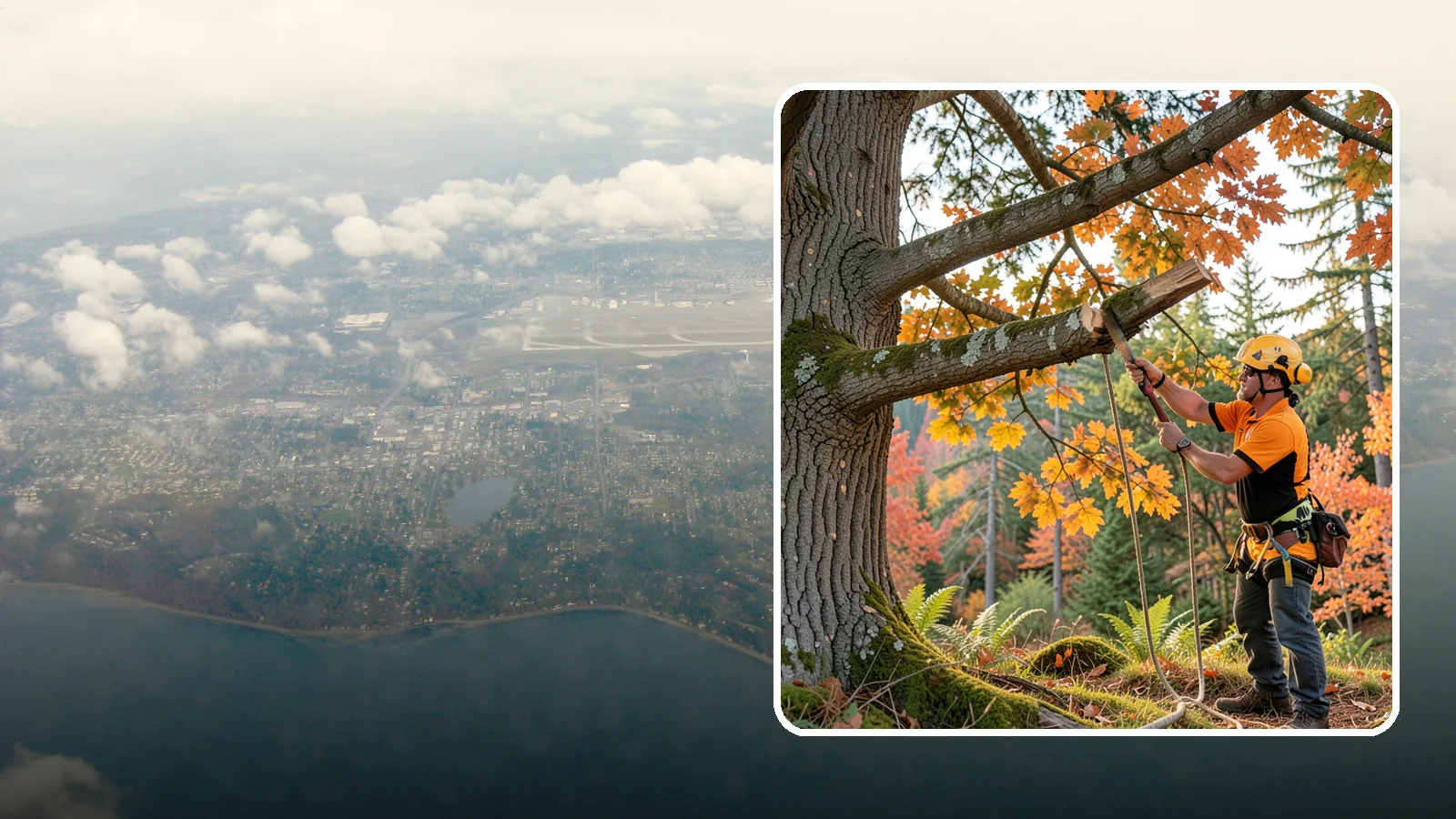
Burien Ornamental Tree Pruning
The detailed pruning of ornamental and specimen trees.
In Burien, 83% of the year's rain and snow falls between October and April, according to Daymet records for 2005 to 2025. That makes late summer and early fall a good time to look at your ornamental trees and decide what needs to come off before the wet months start.
Ornamental pruning is about shape, structure and the health of smaller landscape trees like Japanese maples, flowering cherries and crabapples. Small, well-placed cuts usually do more than heavy ones. Here is how we approach it and what you can expect.
About Ornamental Tree Pruning in Burien
We provide detailed pruning specifically designed for ornamental and specimen trees that add beauty to your home landscape. This careful attention helps maintain the unique form and flowering habits of these special plants while keeping them healthy. Our trained crews work with you to ensure every cut supports long-term vigor without stressing the tree.
What Burien Ornamental Tree Pruning Includes
Ornamental tree pruning is a specialized service focused on maintaining the structure, health, and appearance of your prized trees. We select methods that match each specific species and site condition to improve clearance and reduce the risk of branch failure. The goal is always to enhance overall form while avoiding harmful over-pruning or improper cuts.
Burien Ornamental Tree Pruning Process
Our work begins with an assessment of canopy conditions and clear discussions about your pruning objectives for each tree. Crews then select the correct cuts based on species needs, making clean incisions at proper points without removing too much live tissue. Finally, we lower cut material safely, process it efficiently, and leave your property completely cleaned up after completion.
Equipment We Use for Burien Ornamental Tree Pruning
To perform this work accurately, our teams use hand saws, pole saws, chainsaws, and climbing gear suited to the tree’s height. We bring aerial lifts when necessary for safe access and utilize wood chippers to manage the volume of cut material effectively. All crew members wear personal protective equipment throughout the job to ensure a secure environment for everyone involved.
Burien Ornamental Tree Pruning Safety & Best Practices
Safety is central to our approach, so we follow recognized standards that avoid harmful cuts while limiting removal to healthy amounts of live tissue. Our crews stay alert for overhead power lines and unstable limbs before making any incisions or working aloft. When climbing trees, every team member uses proper fall protection to prevent accidents during the pruning process.
Signs You Need Ornamental Tree Pruning in Burien
You may need this service when you notice deadwood, weak unions, or branches interfering with structures and utility lines. If your ornamental tree is losing its desired shape or flowering potential due to neglect, it could be time for a professional evaluation. Signs of stress from previous improper cuts often indicate that corrective pruning is needed to restore the tree’s natural balance.
What Affects the Cost of Ornamental Tree Pruning in Burien
The investment varies based on factors such as the size and canopy complexity of your specific trees. Site access challenges like overhead lines or nearby structures can also influence how much time and effort are required for disposal. Additionally, the volume of cut material that needs processing plays a role in determining the overall cost of the project.
Best Time of Year for Burien Ornamental Tree Pruning
Pruning schedules should be timed according to species-specific sensitivities within our local Puget Sound climate rather than following a generic calendar. For flowering trees that bloom early, we typically avoid dormant seasons to protect their ability to produce blossoms next year. We also account for wet winter conditions when planning the best time to perform cuts on your ornamental specimens.
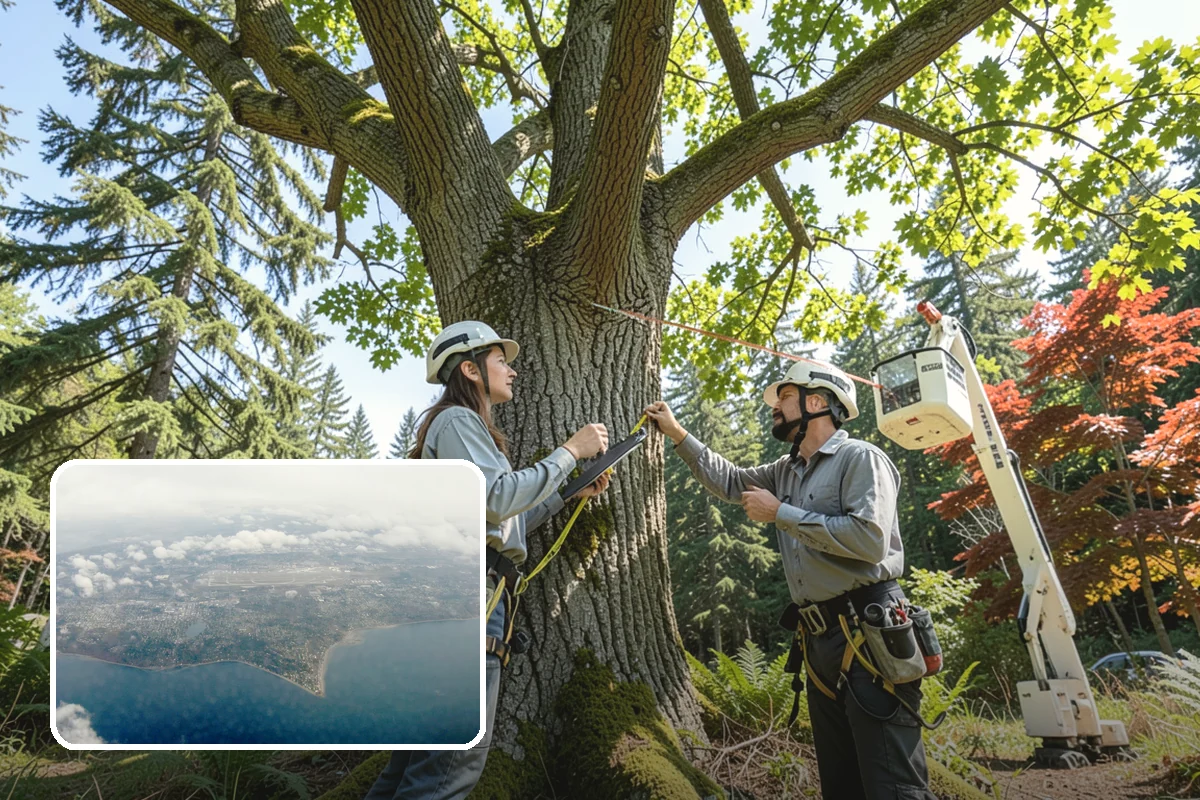
How ornamental pruning works for Burien yards
Ornamental trees show every cut. A bad one stays visible for years, so we start by walking around the tree and deciding what the pruning is for. Common goals are removing dead or crossing branches, opening the canopy for light and air, and keeping a branch clear of a roof, walkway or window.
The steps
- Look at the tree's natural form and its species, then choose a goal.
- Remove dead, broken and rubbing branches first.
- Make thinning cuts back to a branch junction or the branch collar, not stubs.
- Stop when the goal is met and step back to check the shape.
How much to take off
The WSU Extension Pacific Northwest Gardener's Handbook, in its chapter on pruning woody landscape plants, says tolerance ranges from zero to 25% of a tree's live canopy. Its advice is to take the least live tissue that accomplishes the goal. We treat that as a ceiling, not a target. Many ornamental trees need much less, and some need nothing this year.
Timing around Burien's wet season
Because most of Burien's precipitation arrives from October to April, fresh cuts made in the wet months stay damp longer. Planning the work for drier weather gives wounds a better chance to close cleanly. Some species do have their own preferred timing, such as pruning after bloom for spring-flowering trees, and we factor that in.
Wind and weak structure
The forecast zone that includes Burien logged 38 high and strong wind episodes from 2005 to 2025. That is a zone-wide figure, not a measure of any one yard. It is a reason to fix weak unions, crossing limbs and cracked branches on ornamental trees before a storm tests them.
If you are not sure what your tree needs, call or text 425-484-4442. Our ISA Certified Arborist can look at it and give a free estimate.
Burien tree conditions at a glance
| USDA hardiness zone | 9a |
|---|---|
| Rain and snow falling October to April | 83% of the year’s total |
| Days that freeze at night and thaw by day | 28 a year |
| Tree City USA | 25 years |
| Electric utility | Puget Sound Energy (PSE) |
Trees near the power line to your house
Puget Sound Energy (PSE): Service line (wire from PSE pole to home or meter pole): PSE does not trim it; homeowner/private arborist trims.
PSE performs a safety disconnection so the homeowner or private tree trimmer/arborist can work; Call at least 5 business days ahead to check crew availability and potential charges.
Safety disconnect: 1-888-321-7779 (5+ business days ahead). Utility page.
Any fee for a disconnect is set by the utility.
Sources: Daymet daily weather (NASA/ORNL), NOAA Storm Events, USDA plant hardiness map 2023, NRCS soil survey, USGS elevation, WA DNR landslide inventory, USDA Forest Service aerial survey, WSDA, city tree assessments and street-tree inventories, SILVIS Lab, Arbor Day Foundation, and official city and utility pages.
Ornamental Tree Pruning Serving Burien
Burien
Ornamental tree pruning in nearby areas
Also serving Burien
- Ornamental Tree Pruning in Burienat Washington Landscaping
- Roof Disinfecting in Burienat Washington Roofing
- Storm Cleanup in Burienat Washington City Services