Where Safety Meets Expert Tree Service.

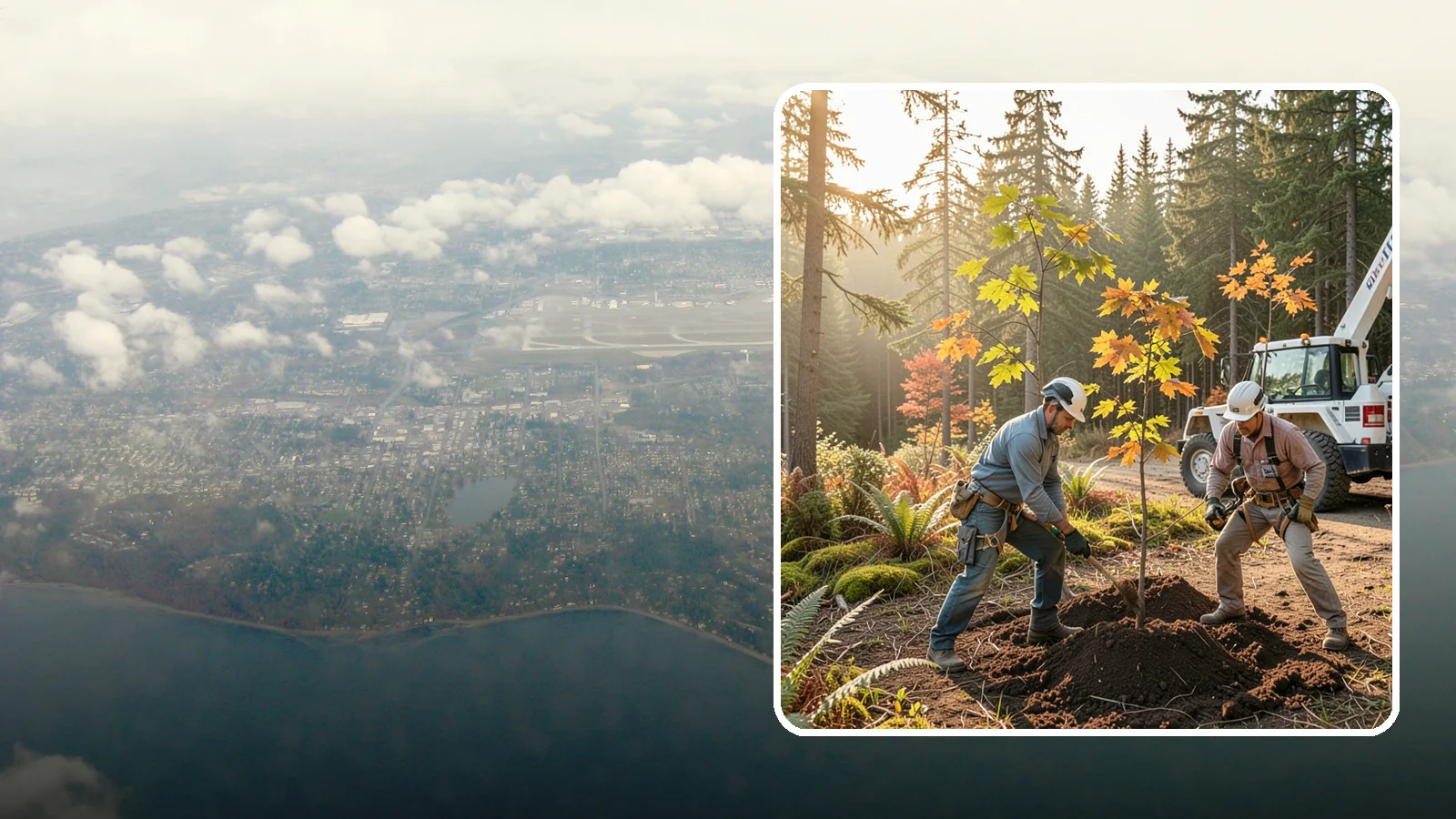
Burien Native Tree Planting
The planting of species native to the region.
Native tree planting suits Burien owners who have a bare corner, a lawn they want to shade, or a gap left by a removed tree. It also fits anyone who wants a yard that suits the Pacific Northwest climate instead of fighting it.
Your main choices are the size of the tree at planting, the season you plant in, and how you support it afterward. Each choice changes how much care the tree needs in its first few years.
About Native Tree Planting in Burien
Native tree planting helps restore local ecology while adding privacy and shade to your property. This service is designed for homeowners who want healthy trees that are naturally suited to their site conditions. We use trained crews to ensure every new addition supports long-term resilience in the region.
What Burien Native Tree Planting Includes
Our work focuses on selecting and installing species native to Washington State to improve overall site health. The process includes preparing the soil, planting at the correct depth, and providing guidance for proper establishment. Every method is matched specifically to the tree type and your unique location conditions.
Burien Native Tree Planting Process
We begin by assessing your land to choose suitable trees that will thrive in local environments. After clearing and amending the area as needed, our crew plants each tree with care to protect its roots. Finally, we apply mulch and water before offering advice on how to keep your new planting healthy for years to come.
Equipment We Use for Burien Native Tree Planting
The job requires digging tools, watering equipment, and materials like soil amendments and mulch. We also bring staking supplies when necessary and ensure all crew members wear personal protective gear during the work. These resources allow us to handle different site conditions safely and effectively.
Burien Native Tree Planting Safety & Best Practices
Before any digging begins, we locate underground utilities to prevent damage or injury. Our team selects species that fit your space well to avoid future conflicts between roots and structures. We also take care not to harm existing root systems while handling the new trees for planting.
Signs You Need Native Tree Planting in Burien
You may need this service if you notice poor soil quality or compacted ground in your yard. Signs of improper past planting, such as shallow depth or unsuitable species choices, are another reason to call us. If you want to expand tree cover without risking transplant shock later on, native planting is a great option for you.
What Affects the Cost of Native Tree Planting in Burien
The price depends heavily on how accessible the site is and whether soil amendments are required. Choosing species that match your local conditions helps avoid extra costs related to poor growth or replacement needs. Additionally, ensuring proper depth and spacing during installation influences the overall investment in your project.
Best Time of Year for Burien Native Tree Planting
Planting works best when done during dormancy in late fall or early spring to reduce stress on the trees. We aim to schedule work before frozen ground sets in so roots can establish themselves properly. Specific timing must always align with the unique requirements of each native species we select for your landscape.
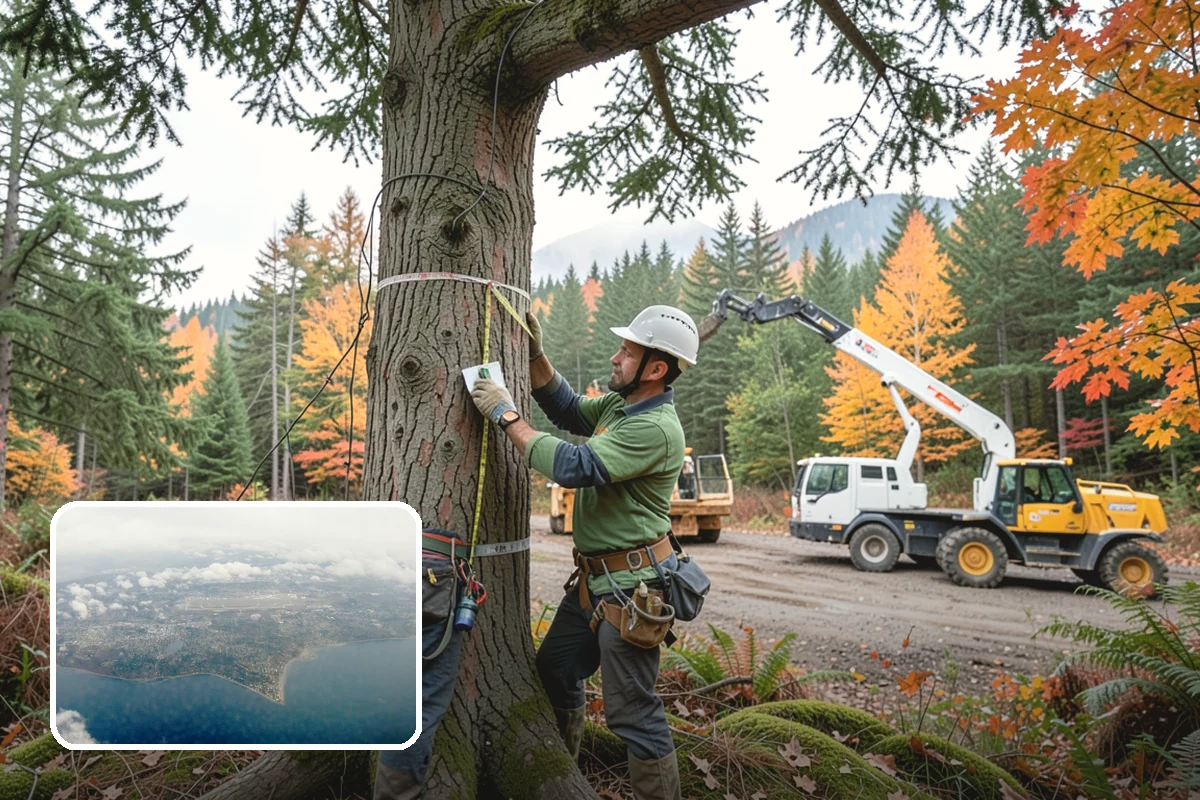
Choosing how to plant native trees in Burien
Most of Burien's rain and snow arrives in the cool months. Daymet data for 2005 to 2025 shows 83% of the yearly total falling from October to April. That favors planting in fall or early winter, when roots can establish in moist soil before the dry months. Spring planting works too, but it usually means more watering through summer.
The USDA map (2023) places Burien in plant hardiness zone 9a. That tells you winter cold is mild enough for a wide range of Pacific Northwest natives. It does not tell you which species suits your soil, slope, or light, so we match the tree to the spot.
The approaches to compare
- Small container or bare-root trees: Lower handling needs, and they often adjust to the site quickly. They need protection from foot traffic, mowers, and summer drought for longer before they read as a real tree.
- Larger nursery trees: More shade sooner. They are heavier to place, and they need steady watering because the root ball is large relative to the roots reaching into native soil.
- Groups of smaller natives: A cluster of several species gives a layered look and some insurance if one tree struggles. It needs more room and a plan for spacing.
Staking and aftercare
A tree in a windy or loose spot may need stakes. A tree with a firm root ball often does not. If you stake, plan to remove the stakes within about a year. The WSU Extension Pacific Northwest Gardener's Handbook warns that ties left on can girdle the trunk, so check them at least a few times in that first year.
Mulch a wide ring, keep it off the trunk, and water deeply during dry spells. Burien is a Tree City USA, recognized by the Arbor Day Foundation for 25 years, but that status does not set rules for your yard. If a planting involves a tree removal first, we check with the city before work starts.
For a planting plan and a free estimate, call or text 425-484-4442. An ISA Certified Arborist can help with species choice.
Burien tree conditions at a glance
| USDA hardiness zone | 9a |
|---|---|
| Rain and snow falling October to April | 83% of the year’s total |
| Days that freeze at night and thaw by day | 28 a year |
| Tree City USA | 25 years |
Tree removal rules in Burien
Minor Tree Removal Permit required to: remove an exceptional tree; remove more than the annual allowance (1 tree per year; more allowed on lots over 5,000 sq ft per Table 19.26.060-1).
Regulated size: 6 in. diameter at 4.5 ft above ground.
Official city source. Rules change; we confirm with the city before work starts.
Sources: Daymet daily weather (NASA/ORNL), NOAA Storm Events, USDA plant hardiness map 2023, NRCS soil survey, USGS elevation, WA DNR landslide inventory, USDA Forest Service aerial survey, WSDA, city tree assessments and street-tree inventories, SILVIS Lab, Arbor Day Foundation, and official city and utility pages.
Native Tree Planting Serving Burien
Burien