Where Safety Meets Expert Tree Service.

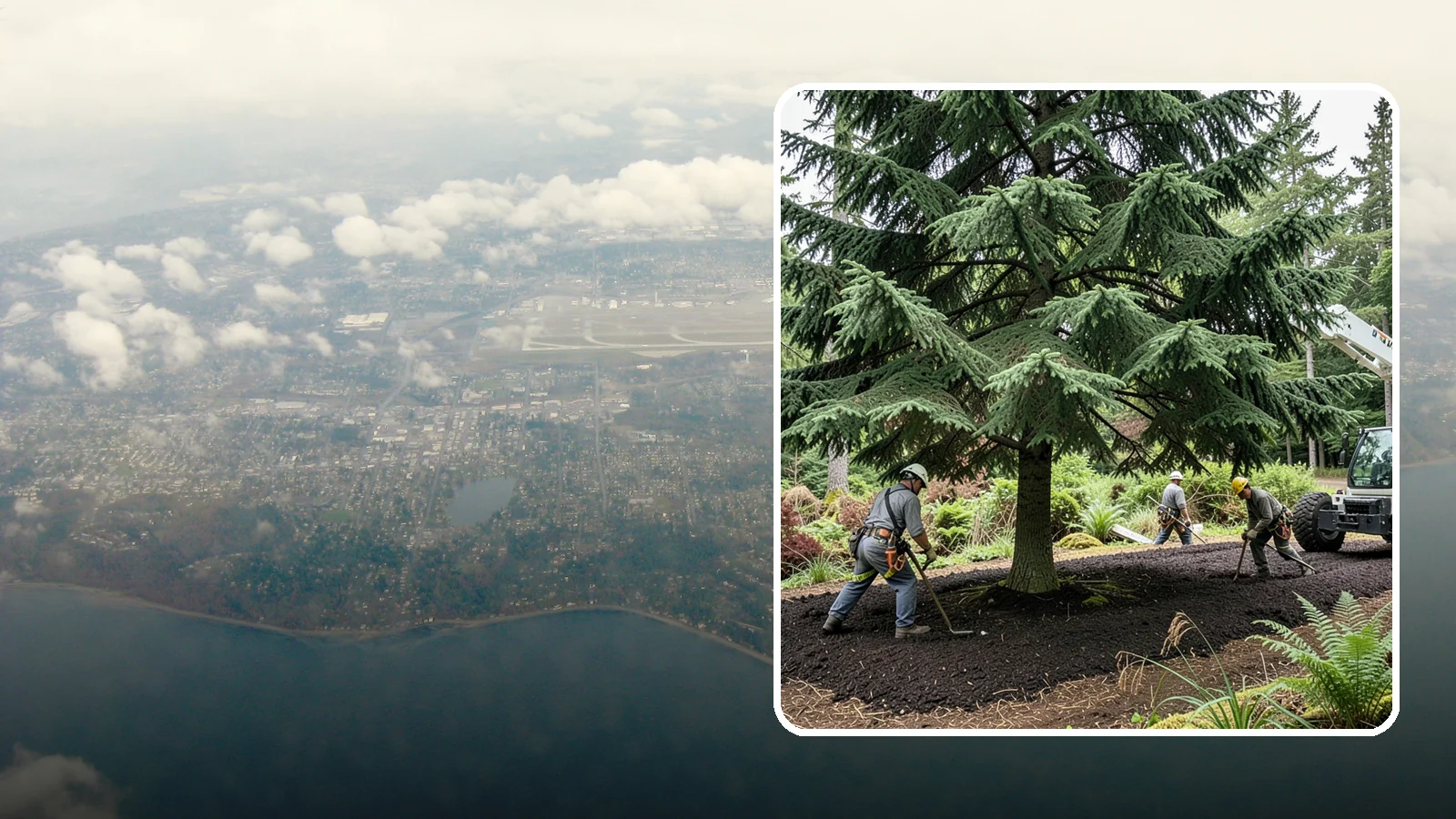
Burien Mulching
The application of mulch over the root zone.
The best time to mulch in Burien is late spring, after the soil has soaked up the wet months and before the dry summer starts. About 83% of the year's rain and snow falls from October to April, according to Daymet records for 2005 to 2025. Mulch laid in May or June helps hold that stored moisture through July, the driest month on average.
Fall also works, since a fresh layer can protect roots before the rain returns. Either way, the goal is the same: a steady, even layer around trees and shrubs that keeps the soil cooler and damp longer.
About Mulching in Burien
Mulching is a thoughtful way to care for your trees by protecting their root zones from harsh environmental stressors. This service helps homeowners maintain the stability and long-term health of valued specimens in any yard across Washington State. Whether you have mature oaks or younger shade trees, this approach supports consistent growth year after year.
What Burien Mulching Includes
Our crews apply a layer of mulch directly over your tree roots to conserve moisture and keep soil temperatures moderate throughout changing seasons. This process also reduces competition from weeds while improving overall root conditions for better nutrient uptake. We match our methods carefully to the specific species, site layout, and access points at each location.
Burien Mulching Process
Work begins with a thorough inspection of the tree and its surrounding area to identify factors like soil quality or past construction issues. After pinpointing contributing elements such as pests or disease risks, we recommend and apply treatments that fit your unique situation. We document our findings clearly so you understand exactly what was done and how future care should proceed.
Equipment We Use for Burien Mulching
Trained teams use diagnostic tools to assess tree health before applying any materials to the ground. Soil probes and sampling kits help us evaluate conditions beneath the surface, while specialized application equipment ensures even coverage around sensitive roots. We also bring air excavation tools when needed to avoid damaging existing root structures during installation.
Burien Mulching Safety & Best Practices
All work follows strict label guidelines for products used on your property to protect both soil health and neighboring plants. Our crews take care to prevent any damage to the trunk or exposed roots while moving through tight spaces around established gardens. Accurate documentation of site conditions ensures that every step is performed safely without compromising tree stability.
Signs You Need Mulching in Burien
You may benefit from mulching if you notice signs like compacted soil, girdling roots, or decline caused by recent grade changes near your home. Pests and disease often escalate quickly when root zones are stressed, making early intervention through proper ground cover essential for recovery. This service is particularly useful when moisture levels drop too low during dry spells in our local climate.
What Affects the Cost of Mulching in Burien
The investment required depends on the specific tree species you have planted across your landscape. Site conditions such as steep slopes or limited access can influence how we approach each job, affecting overall method selection. We tailor every aspect of the work to match individual needs rather than applying a one-size-fits-all solution that might not suit your trees.
Best Time of Year for Burien Mulching
While mulching can be done anytime in our mild Puget Sound climate, scheduling during dry periods often yields the best results for moisture conservation. This timing maximizes benefits by helping roots retain water when natural rainfall is less frequent throughout summer months. We remain flexible to accommodate your schedule while ensuring we catch problems before they become difficult to manage later on.
Planning a Mulching Job in Burien
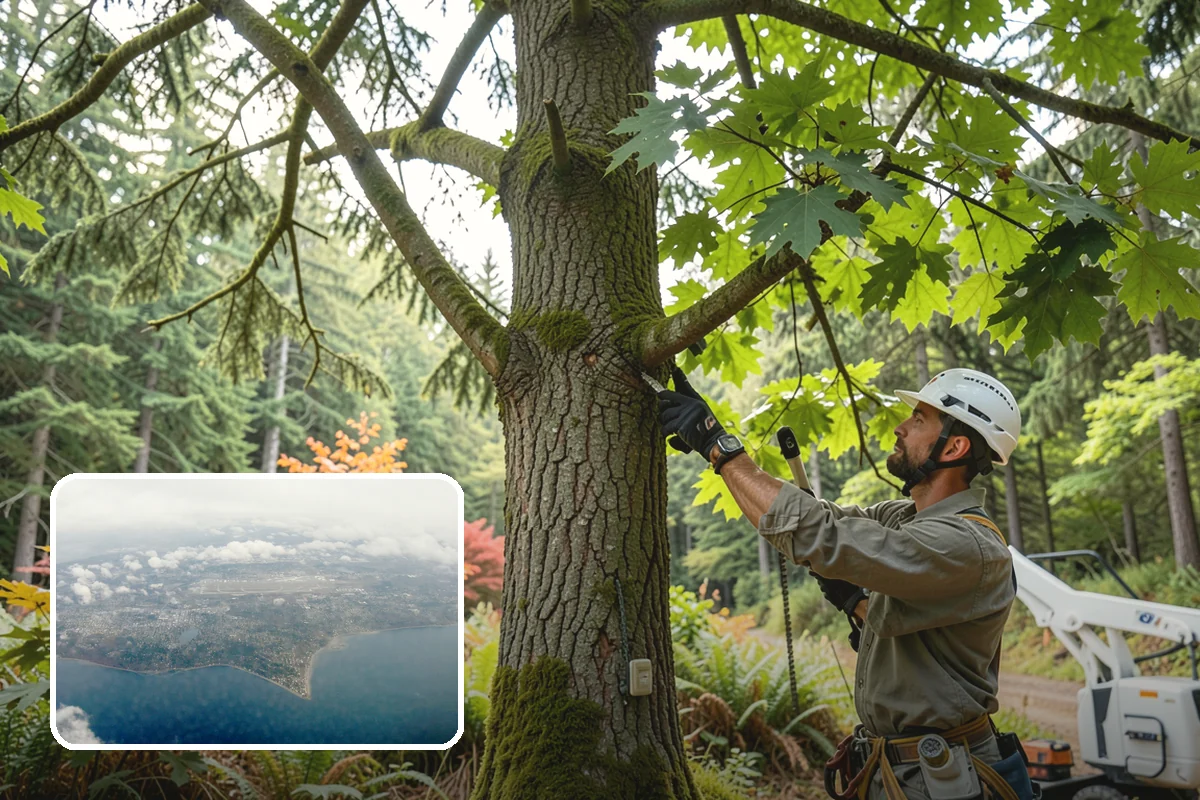
Start by deciding which beds and trees need mulch. Look at the bare soil under your trees, the edges of shrub borders, and any spots where grass is struggling near a trunk. Those are the usual places to begin.
For trees, arborist wood chips are a strong choice. A WSU Extension publication by Linda Chalker-Scott, Using Arborist Wood Chips as Landscape Mulch (FS160E, archived), says that where trees dominate the landscape, arborist wood chips are one of the best mulches for trees and shrubs. That fits a yard with mature trees, where chips break down slowly and feed the soil.
Several things affect the scope of the work:
The size of the area matters most, since a wide ring around a large tree takes more material than a small bed. Slope, access for hauling chips, and how much old mulch is already down also change the job. Existing mulch piled against trunks may need to be pulled back first. Weeds or turf inside the area may need to be cleared before new material goes on.
On the day, expect us to walk the site with you and confirm the areas to be covered. Old mulch gets pulled back from trunks and chips are spread to an even depth. A common ISA-style practice is a layer of about a few inches, kept clear of the trunk so bark stays dry. Piling mulch against the base, often called a mulch volcano, can hold moisture against the bark and invite decay, so we avoid it. Edges are tidied and debris is cleared when we finish.
If you want an estimate, call or text 425-484-4442. Estimates are free, and an ISA Certified Arborist is on staff to answer questions about your trees.
One practical tip: after mulching, push a finger or trowel into the soil a week later. If it is damp below the chips, you are set. If it is soggy, the layer may be too thick, so thin it out.
Burien tree conditions at a glance
| USDA hardiness zone | 9a |
|---|---|
| Rain and snow falling October to April | 83% of the year’s total |
| Days with 0.1 in or more of rain | 109 a year |
| Days that freeze at night and thaw by day | 28 a year |
Tree health near Burien
Spongy moth (WSDA 2022): WSDA trap detection(s): 1 catch record(s) listed (per-trap counts not given).
- Decline, cause not identified628 ac
- Douglas-fir beetle29 ac
Forest damage mapped from the air within 10 km of Burien, 2021-2025 (USDA Forest Service and WA DNR). This covers forest land, not street or yard trees. “Decline, cause not identified” is dieback with no single cause found.
Sources: Daymet daily weather (NASA/ORNL), NOAA Storm Events, USDA plant hardiness map 2023, NRCS soil survey, USGS elevation, WA DNR landslide inventory, USDA Forest Service aerial survey, WSDA, city tree assessments and street-tree inventories, SILVIS Lab, Arbor Day Foundation, and official city and utility pages.
Mulching Serving Burien
Burien
Mulching in nearby areas
Also serving Burien
- Shrub Transplanting in Burienat Washington Landscaping
- Municipal Landscape Maintenance in Burienat Washington City Services