Where Safety Meets Expert Tree Service.

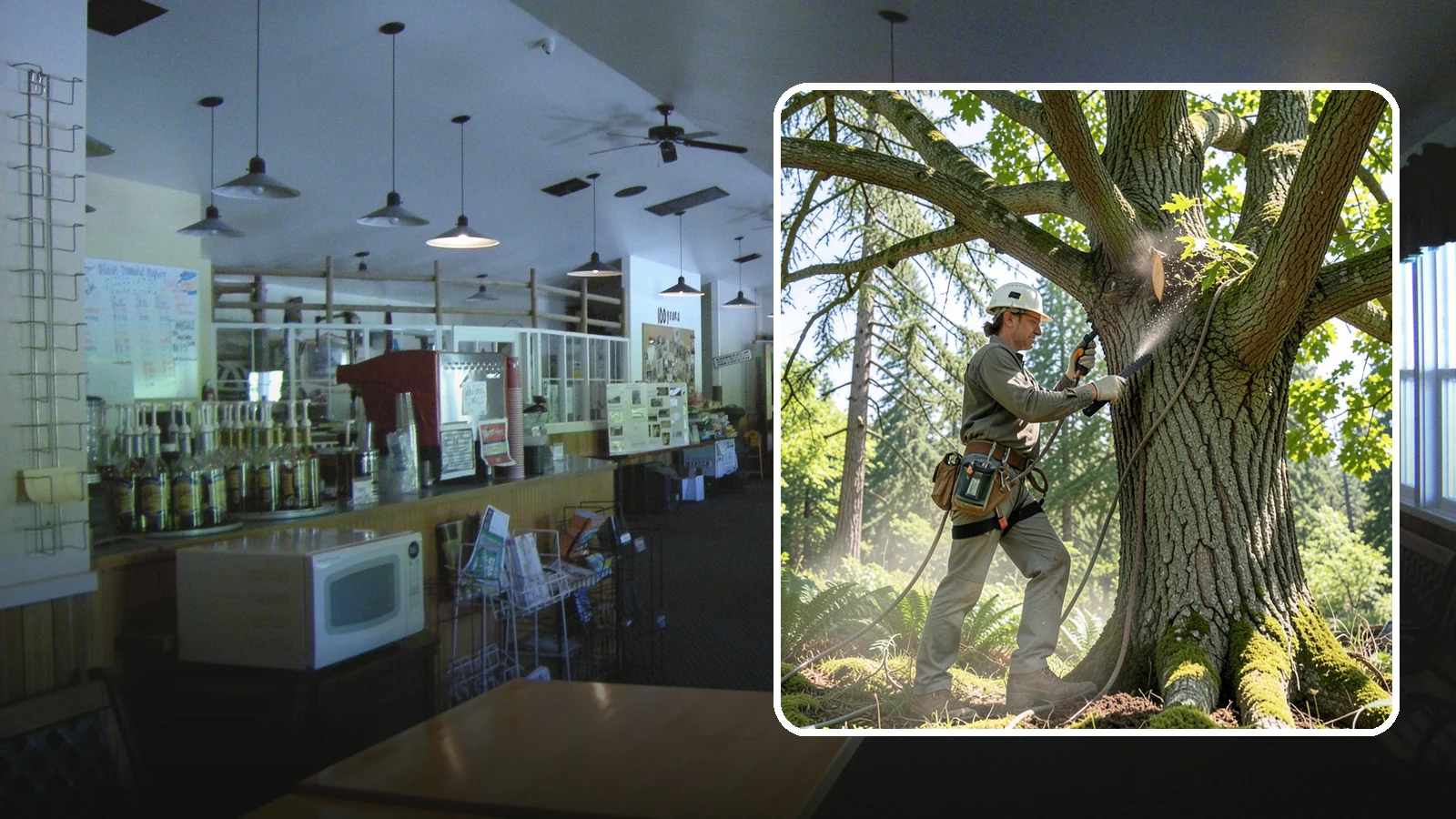
Black Diamond Air Spading
The use of compressed air to excavate soil without harming roots.
Air spading is for owners whose trees show signs of trouble below ground: roots circling the trunk, soil piled against the base, or a tree that stays stressed even though the canopy looks fine. It also suits properties where digging is planned near a tree you want to keep.
An air spade uses a jet of compressed air to loosen soil and leave roots in place. That lets an arborist see what is going on at the root collar and in the upper roots before deciding what to do next. Here is how it compares with other approaches in Black Diamond.
About Air Spading in Black Diamond
Air spading is a gentle tree health care method that uses compressed air to carefully excavate soil without harming roots. This approach helps homeowners protect their valued trees by addressing hidden issues beneath the surface before they become serious problems. It supports long-term stability and extends the useful life of your landscape’s most important plants.
What Black Diamond Air Spading Includes
Our trained crews use this technique to inspect root systems, relieve compacted soils, and correct specific root conditions tailored to each tree species. The work is matched carefully to site conditions and access points to ensure effective treatment without unnecessary disturbance. By focusing on the soil environment around your trees, we help improve overall health and prevent future decline from past construction or grade changes.
Black Diamond Air Spading Process
We begin by inspecting the tree and its surrounding area to identify contributing factors like pests, disease, or poor soil structure. Once issues are identified, our team recommends and applies appropriate treatments while documenting findings for follow-up care. This step-by-step approach ensures that every treatment addresses the specific needs of your unique site conditions.
Equipment We Use for Black Diamond Air Spading
The job relies on specialized diagnostic tools, soil probes, sampling kits, and air excavation equipment as needed for each situation. We also use injection or application gear to deliver treatments safely while wearing full personal protective equipment throughout the work. These tools allow us to see what is happening underground without damaging sensitive root systems or surrounding plantings.
Black Diamond Air Spading Safety & Best Practices
Our crews follow strict label guidelines when applying any products and take steps to protect both soil quality and nearby vegetation. We avoid damage to roots and trunks during excavation by using methods that match the specific tree species at hand. Accurate documentation of site conditions helps ensure safe practices are maintained from start to finish on every job we complete.
Signs You Need Air Spading in Black Diamond
You might need air spading if your trees show signs of decline caused by compacted soil, girdling roots, or past construction damage. This service is especially useful when you suspect pests or disease are affecting root health but cannot be seen easily without excavation. Catching these problems early helps prevent them from escalating into major threats to tree stability and longevity.
What Affects the Cost of Air Spading in Black Diamond
The investment for this work depends on the size of your trees, how difficult it is to access their roots, and the complexity of the inspection required. Different species may need specific approaches that influence the overall scope of care needed at a particular site. We consider all these variables when determining what level of service best fits your property’s unique challenges.
Best Time of Year for Black Diamond Air Spading
In our local Puget Sound climate, air spading can generally be performed year-round to address ongoing tree health needs. However, during wetter seasons we may take special precautions to ensure soil stability while using compressed air for excavation. Planning the work around these conditions helps maintain safety and effectiveness regardless of when you choose to schedule a visit.
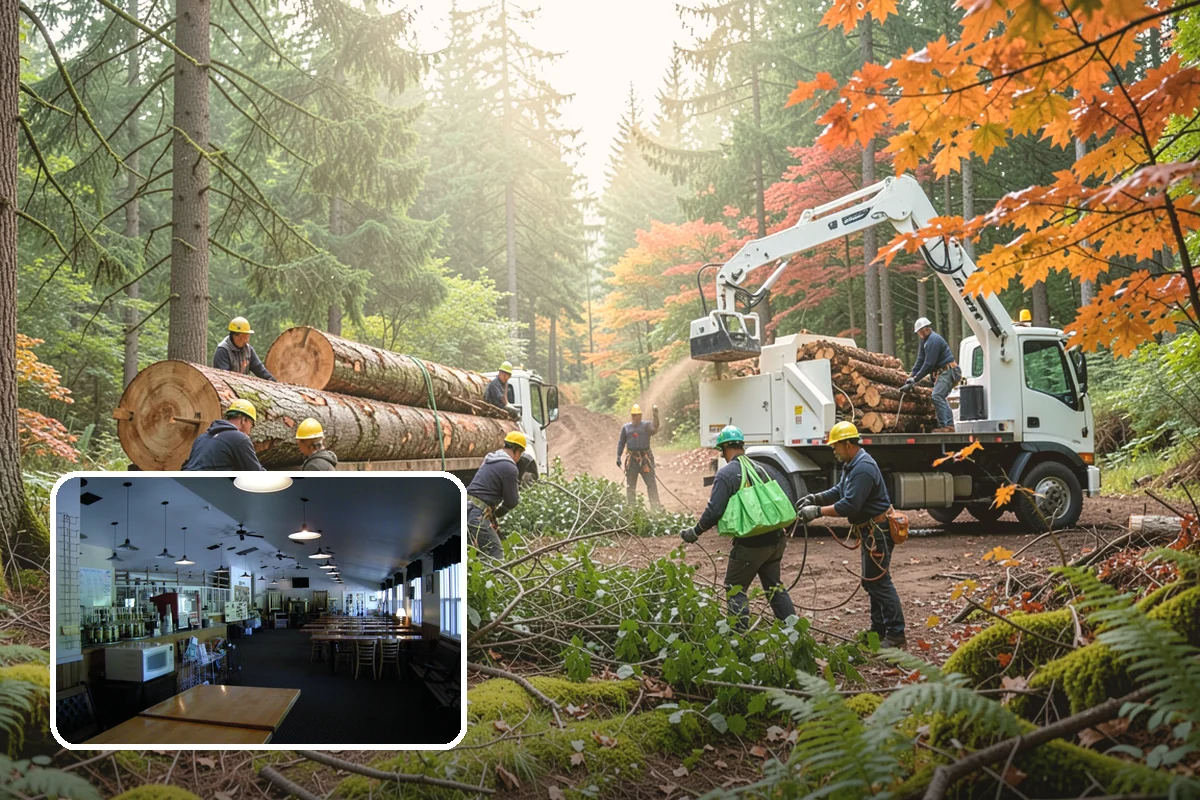
Air spading options for Black Diamond soils and trees
Owners usually choose between three approaches: air spading, hand digging, or leaving the soil alone and treating from the surface. Each fits different situations.
Air spading
Compressed air moves soil without cutting through roots the way a shovel or mini excavator can. It works well for exposing a buried root collar, clearing away circling or girdling roots so they can be pruned, and opening a trench along a planned construction line to see where roots actually run. Soil survey data from the NRCS shows that 51% of the land in Black Diamond has a hard or restrictive layer, such as glacial hardpan, within 40 inches of the surface. That is survey data for the area, not a reading of your yard. It matters because roots in such ground often stay shallow and spread sideways, so they sit closer to where digging happens.
Hand digging
A shovel or trowel can work for a small spot, such as checking one root near the trunk. In compact or rocky soil it is slow, and it is easier to nick bark or sever roots.
Surface treatment only
Mulching, watering and similar care help many trees, but they cannot show a buried problem. The NRCS survey lists Everett as the most common soil series, with 61% of the land well drained and 6% poorly drained. Daymet records show 79% of the year's rain and snow arriving from October to April. So soil that drains well can still stay wet through the cool months, which is a poor time to leave roots exposed. We plan air spading for drier periods and cover exposed roots promptly.
After the work, the standard follow-up is mulch kept a few inches from the trunk and spread to the drip line or beyond, as the WSU Extension Pacific Northwest Gardener's Handbook advises.
- Choose air spading to inspect or correct roots and the root collar.
- Choose hand digging for a single small check.
- Choose surface care when no root problem is suspected.
Black Diamond tree conditions at a glance
| USDA hardiness zone | 8b |
|---|---|
| Soils | 51% of land has hardpan or another restrictive layer within 40 in; most common series Everett; 61% well drained |
| Rain and snow falling October to April | 79% of the year’s total |
| Days with 0.1 in or more of rain | 149 a year |
| Tree canopy | Among the most heavily treed Puget Sound cities (satellite data) |
| Days that freeze at night and thaw by day | 39 a year |
Tree health near Black Diamond
- Decline, cause not identified5,900 ac
- Heat2,873 ac
- Bears1,058 ac
Forest damage mapped from the air within 10 km of Black Diamond, 2021-2025 (USDA Forest Service and WA DNR). This covers forest land, not street or yard trees. “Decline, cause not identified” is dieback with no single cause found.
Sources: Daymet daily weather (NASA/ORNL), NOAA Storm Events, USDA plant hardiness map 2023, NRCS soil survey, USGS elevation, WA DNR landslide inventory, USDA Forest Service aerial survey, WSDA, city tree assessments and street-tree inventories, SILVIS Lab, Arbor Day Foundation, and official city and utility pages.
Air Spading Serving Black Diamond
Black Diamond
Air spading in nearby areas
Also serving Black Diamond
- Tree Watering Service in Black Diamondat Washington Landscaping
- Weed Control in Black Diamondat Washington City Services