Where Safety Meets Expert Tree Service.

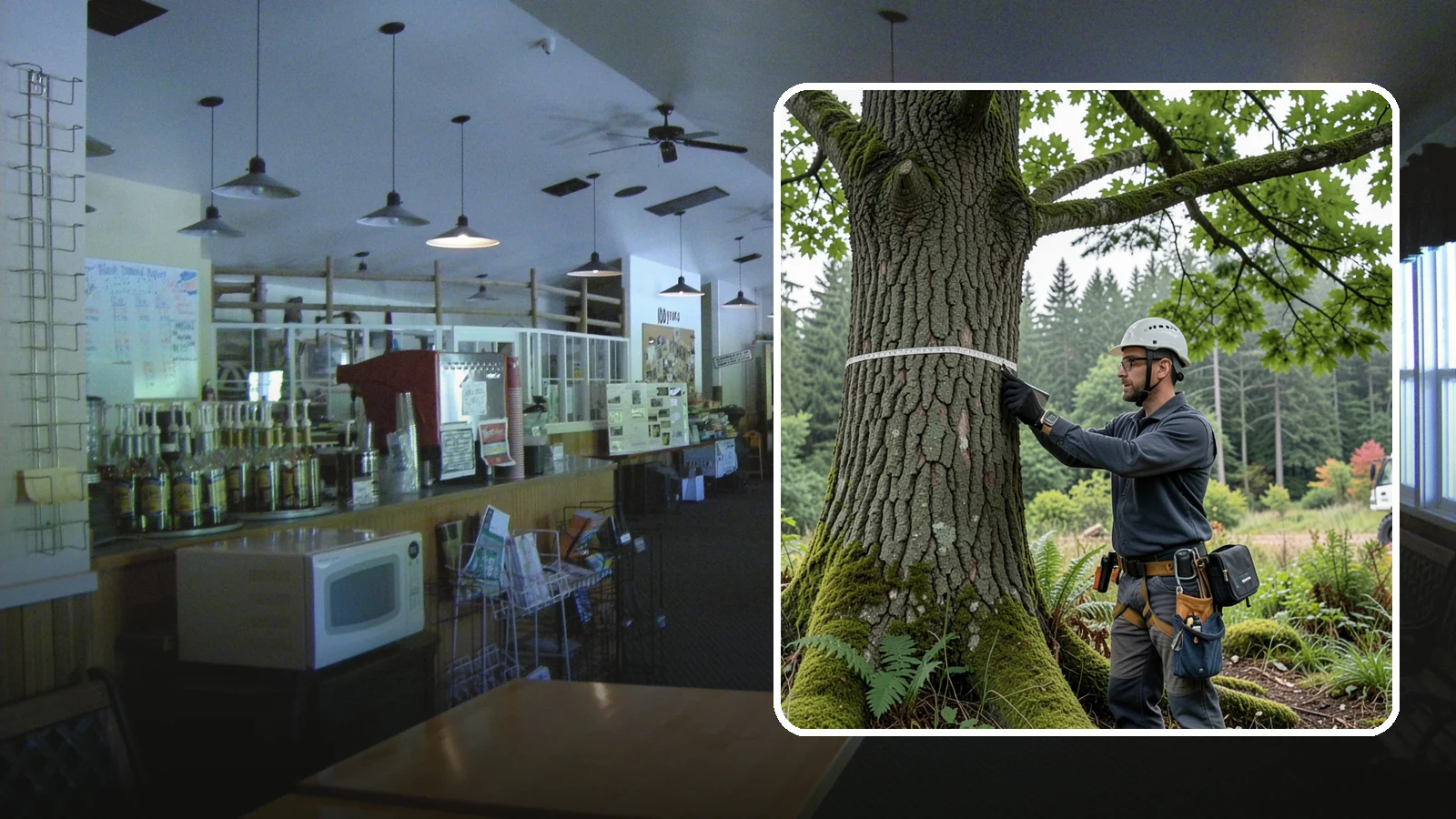
Black Diamond Arborist Consultations
A professional consultation with a qualified arborist.
You may have noticed a lean that wasn't there last year, dead branches high in the crown, mushrooms at the base, or a trunk crack near a driveway or play area. Maybe you are planning a build or a remodel and wonder which trees can stay. Those are good reasons to ask an arborist to look before anything gets cut.
A consultation is a site visit and a conversation. We look at the tree, its surroundings and what you want from the space, then explain the options in plain terms.
About Arborist Consultations in Black Diamond
Our arborist consultations offer a professional evaluation of your trees to help you plan appropriate care for your property. This service is designed for homeowners who need expert guidance on tree health or those preparing documentation for permits and insurance claims. We provide objective insights that support informed decisions about the future of your landscape.
What Black Diamond Arborist Consultations Includes
An arborist consultation involves a qualified professional inspecting specific trees to assess their current condition and needs. The work follows recognized standards, with methods tailored to match each tree species, site conditions, and access points on your property. You will receive clear recommendations or reports that help prioritize care plans and manage budgets effectively.
Black Diamond Arborist Consultations Process
We begin by gathering detailed information about your site and the trees in question before moving to an inspection phase. The arborist analyzes these findings against established objectives and standards to develop a tailored approach for each situation. Finally, we review our clear recommendations or reports with you to ensure everyone understands the proposed care plan.
Equipment We Use for Black Diamond Arborist Consultations
Our team utilizes diagnostic and measurement tools to gather accurate data during your consultation. Depending on what is needed, we may also employ mapping and imaging tools to get a better view of complex structures. We use specialized documentation software to create precise records while ensuring all crew members wear necessary personal protective equipment.
Black Diamond Arborist Consultations Safety & Best Practices
All findings are based strictly on observed evidence and recognized industry standards to ensure reliability for your project. If there is any uncertainty regarding an assessment, we will clearly disclose those limitations rather than guessing the outcome. We also recommend follow-up steps where conditions cannot be fully determined during a single visit.
Signs You Need Arborist Consultations in Black Diamond
You may need this service if you notice hidden defects or lack complete information about your site history that could affect tree safety. Competing objectives for care plans, such as balancing aesthetics with structural stability, often require professional analysis to resolve. Additionally, varying regulatory requirements in different jurisdictions can make a consultation essential before starting any work on your trees.
What Affects the Cost of Arborist Consultations in Black Diamond
The cost of this service is influenced by the complexity of the site and tree information provided during our initial gathering phase. Hidden defects that require advanced diagnostic tools or competing objectives within your care plan will also impact pricing. Furthermore, differing regulatory requirements across various jurisdictions can add factors to consider when budgeting for a consultation.
Best Time of Year for Black Diamond Arborist Consultations
Consultations can be performed year-round in our local climate, offering flexibility whenever you need an assessment. However, many homeowners find it beneficial to schedule these visits during the dormant seasons. This timing allows us to better assess structural integrity without leaf cover obscuring branches and providing a clearer view of your trees.
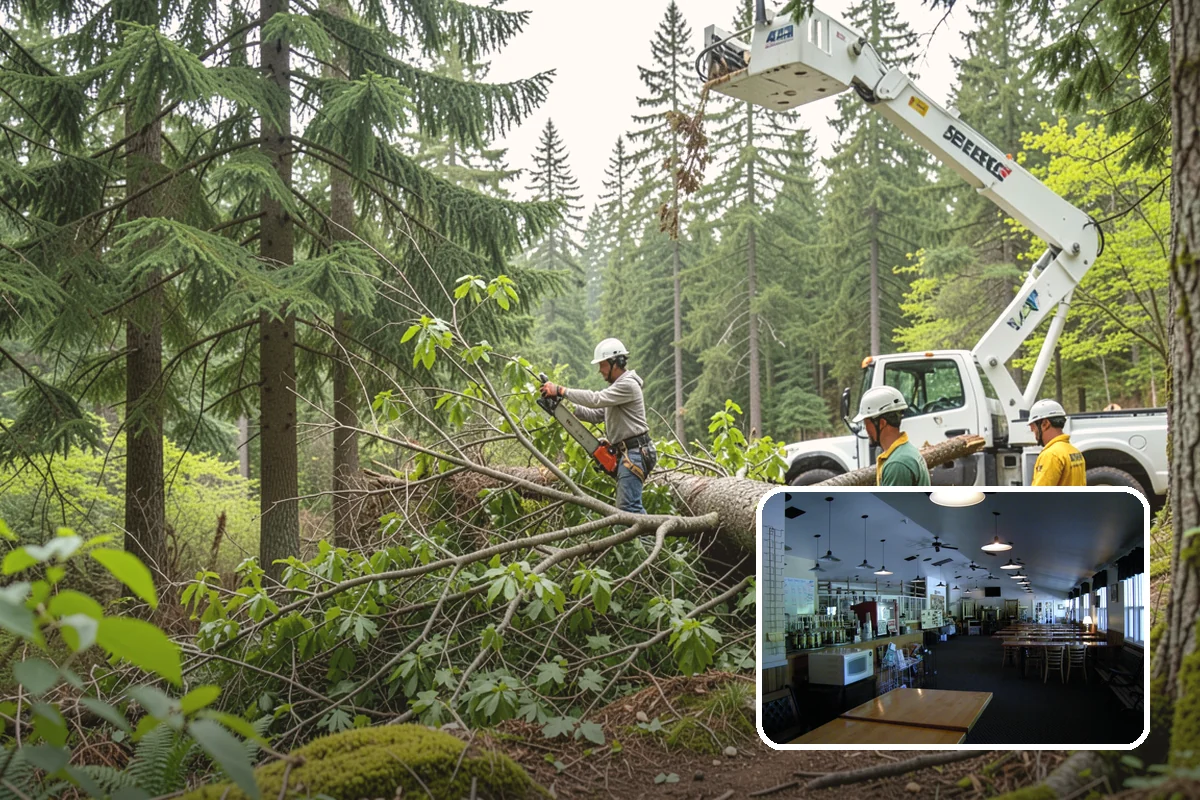
Arborist consultations in Black Diamond: what to know first
Most tree problems start below the surface or build slowly. Root damage from trenching, soil changes, decay fungi, past pruning cuts and crowded growth can all weaken a tree long before the crown shows it. A consultation looks for these causes, not just the visible symptom.
During a visit, the arborist walks the property and checks the trunk, root flare, branch unions and crown. They note what is near the tree: the house, utility lines, fences, paths and neighboring lots. Then they talk through choices, which might be pruning to standard practice, monitoring, further assessment, or removal. We describe the work plainly and do not promise how a tree will respond.
Black Diamond's rules matter here. According to the city's tree removal permit page, a Type 1 permit, decided by the Director, is required to remove any significant tree within the city. The size regulated is any healthy tree at least 6 inches DBH, excepting nonsignificant trees. The application goes in by email with the Master Application and a tree replacement plan. That means a consultation is a smart first step if removal is on your mind. Knowing a tree's size and condition helps you decide whether to apply, and what a replacement plan might need to include.
That rule covers removal. It does not tell us how the city treats pruning or other work, so where it is unclear we check with the city before work starts.
The city's code also says Level II tree plans for new development must be certified by a certified professional forester, arborist or landscape architect. The code does not state that requirement for simple removals. If you are building, a consultation can show whether you will need that kind of plan.
Black Diamond is in USDA hardiness zone 8b, according to the 2023 USDA map. That tells you which species tend to survive winter lows here. It says nothing about the health of any one tree, so we judge each tree on its own condition.
Our ISA Certified Arborist leads these visits, and estimates are free. Call or text 425-484-4442.
Black Diamond tree conditions at a glance
| Soils | 51% of land has hardpan or another restrictive layer within 40 in; most common series Everett; 61% well drained |
|---|---|
| Tree canopy | Among the most heavily treed Puget Sound cities (satellite data) |
| High and strong wind episodes, 2005-2025 | 39 in the forecast zone |
| USDA hardiness zone | 8b |
Tree removal rules in Black Diamond
A tree removal permit (Type 1, Director decision) is required to remove any significant tree within the city; application by email with Master Application and a tree replacement plan. Exemptions (if any) in BDMC 19.30 not verified.
Regulated size: Any healthy tree at least 6 in. DBH (excepting nonsignificant trees).
Official city source. Rules change; we confirm with the city before work starts.
Sources: Daymet daily weather (NASA/ORNL), NOAA Storm Events, USDA plant hardiness map 2023, NRCS soil survey, USGS elevation, WA DNR landslide inventory, USDA Forest Service aerial survey, WSDA, city tree assessments and street-tree inventories, SILVIS Lab, Arbor Day Foundation, and official city and utility pages.
Arborist Consultations Serving Black Diamond
Black Diamond
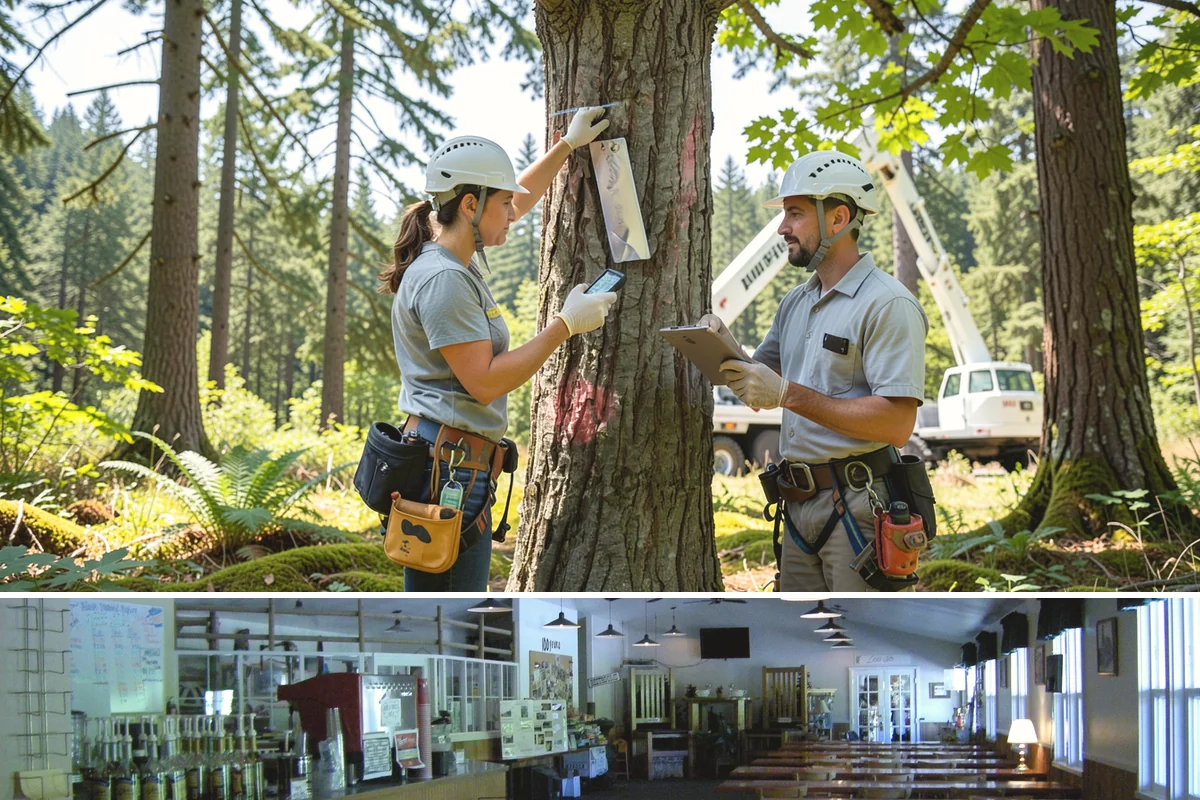
Arborist consultations in nearby areas
Also serving Black Diamond
- Rain Garden Installation in Black Diamondat Washington Landscaping