Where Safety Meets Expert Tree Service.

Lake Forest Park Crown thinning
The selective removal of live branches to reduce crown density.
About Crown Thinning in Lake Forest Park
Crown thinning helps improve your tree’s structure by selectively removing live branches to reduce density in the canopy. This process is ideal for homeowners who want better light penetration and increased air movement through their trees while reducing wind load. We work with you to determine if this service fits the specific needs of your landscape.
What Lake Forest Park Crown Thinning Includes
This service involves carefully selecting cuts that match the tree species, site conditions, and current access limitations. Our goal is to enhance health and appearance without over-pruning or causing stress to the living tissue. By lowering wind resistance, we help protect both the trees and nearby structures from potential damage during storms.
Lake Forest Park Crown Thinning Process
We begin by assessing your canopy condition and defining clear pruning objectives for each tree on site. Trained crews then make clean cuts at proper points using methods suited to the specific species and season. Afterward, all cut material is processed through a wood chipper before we thoroughly clean up the work area around your property.
Equipment We Use for Lake Forest Park Crown Thinning
Our teams utilize hand saws, pole saws, chainsaws, and climbing or rigging gear depending on the tree’s height and location. When necessary, aerial lifts are deployed to safely reach higher branches that require attention. We also use wood chippers to efficiently process removed limbs and personal protective equipment for everyone involved in the job.
Lake Forest Park Crown Thinning Safety & Best Practices
Safety is a priority as we follow recognized pruning standards to avoid making harmful cuts or removing too much healthy tissue at once. Our crews stay alert for overhead power lines and unstable limbs that could pose risks during removal work. When working aloft, our technicians always use proper fall protection gear to ensure everyone stays secure throughout the project.
Signs You Need Crown Thinning in Lake Forest Park
You may need crown thinning if you notice deadwood or weak unions in your trees that increase the risk of branch failure. Interference with sightlines or structures caused by an overly dense canopy is another clear indicator that this service would be beneficial. If wind seems to push against a heavy top, reducing density can help stabilize the tree and improve its overall vigor over time.
What Affects the Cost of Crown Thinning in Lake Forest Park
The final cost depends on factors like species-specific timing sensitivities which dictate when certain trees should not be pruned. Access requirements for aerial lifts or climbing gear will also influence how much labor is needed to complete the job safely. Additionally, the volume of cut material that must be processed through a wood chipper plays a role in determining the overall price.
Best Time of Year for Lake Forest Park Crown Thinning
In our local climate, it is best to schedule this work outside of late spring and early summer when many native trees are actively transpiring. We often recommend dormant seasons or specific windows dictated by individual species requirements to ensure healthy healing after cuts. Planning ahead for these seasonal constraints helps us provide the highest quality care without harming your landscape’s natural cycle.
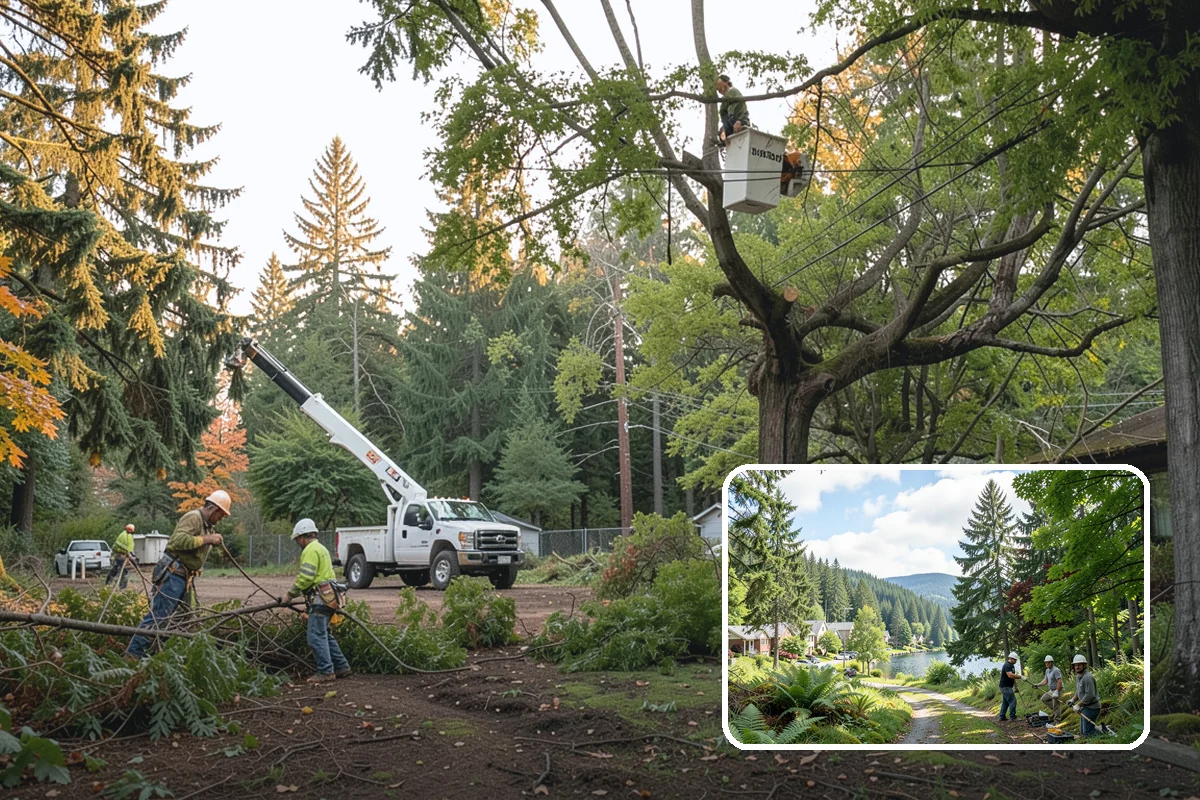
Crown Thinning Serving Lake Forest Park
Lake Forest Park
A heavily wooded residential city at the north end of Lake Washington.
Growing Conditions in Lake Forest Park

Permits & Local Notes for Lake Forest Park

Also serving Lake Forest Park
- Dogwood Pruning in Lake Forest Parkat Washington Landscaping
- Roof Sealing in Lake Forest Parkat Washington Roofing
- Invasive Vegetation Removal in Lake Forest Parkat Washington City Services