Where Safety Meets Expert Tree Service.

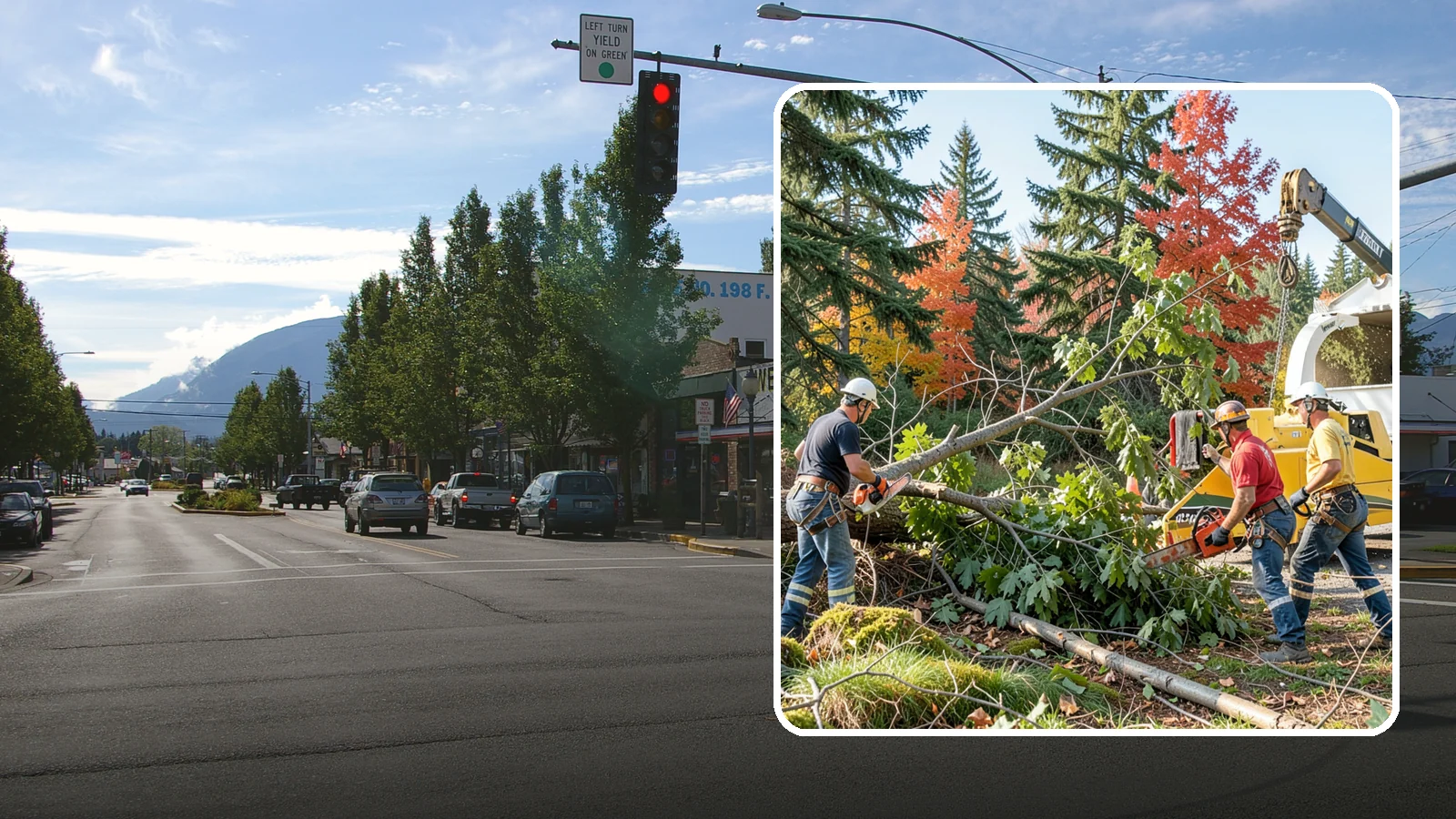
North Bend Storm-damaged tree removal
The removal of trees damaged by high winds, snow, ice, or lightning.
About Storm-damaged Tree Removal in North Bend
When high winds, snow, ice, or lightning strike your property, our team is ready to help remove trees that have been broken, split, or uprooted. This specialized removal service restores safety and clears space for you after severe weather events occur throughout the Puget Sound region.
What North Bend Storm-damaged Tree Removal Includes
Storm-damaged tree removal focuses on safely taking down trees compromised by extreme conditions like heavy snow loads or lightning strikes. Our trained crews follow recognized arboricultural standards to match their methods with your specific tree species, site conditions, and access points.
North Bend Storm-damaged Tree Removal Process
We begin each job with an on-site assessment to evaluate hazards before establishing clear drop zones and a safety perimeter. The crew then rigs the damaged sections for controlled lowering or fells the stem in a careful sequence while processing the wood nearby. Finally, we haul away all debris and complete a thorough cleanup of your property site.
Equipment We Use for North Bend Storm-damaged Tree Removal
Our work relies on chainsaws and climbing gear to access trees safely without causing further damage to surrounding areas. Depending on the size of the tree or obstacles present, we may use aerial lifts or cranes alongside wood chippers for efficient processing. We also utilize ground protection mats and personal protective equipment to keep everyone safe during operations.
North Bend Storm-damaged Tree Removal Safety & Best Practices
Before any climbing begins, our crew inspects trees for hidden decay and structural defects that could change how the tree falls. It is critical to identify overhead utility lines early in the process to ensure a controlled fall path away from power sources. We maintain clear drop zones at all times while using coordinated ground communication between climbers and those managing equipment below.
Signs You Need Storm-damaged Tree Removal in North Bend
You likely need this service if you notice your trees are leaning unpredictably or show signs of splitting after recent storms. Situations where debris blocks access to parts of your yard or threatens nearby structures indicate that immediate removal is necessary. Hidden internal damage often becomes visible only when a tree has been weakened by ice, wind, or lightning strikes.
What Affects the Cost of Storm-damaged Tree Removal in North Bend
The final cost for removing storm-damaged trees depends on factors like the extent of hidden decay within the trunk and branches. Proximity to power lines, limited access for heavy equipment, and an unpredictable lean can also influence how much time is required for safe removal. These variables mean that each job requires a customized plan rather than a standard pricing structure.
Best Time of Year for North Bend Storm-damaged Tree Removal
This service is performed year-round in our area whenever severe weather events like high winds or ice storms occur throughout the Puget Sound region. There are no specific seasons when this work stops; instead, we respond promptly after any event breaks, splits, or uproots trees on your property. Our schedule adjusts based on when these dangerous conditions happen to ensure you get help as soon as it is needed.

Storm-damaged Tree Removal Serving North Bend
North Bend
A city at the base of Mount Si in the upper Snoqualmie valley, surrounded by mountains and forest.
Growing Conditions in North Bend
Permits & Local Notes for North Bend

Storm-damaged tree removal in nearby areas
Also serving North Bend
- Evergreen Tree Planting in North Bendat Washington Landscaping
- Emergency Tree Response in North Bendat Washington City Services
- Firewood Recycling in North Bendat Washington Firewood