Where Safety Meets Expert Tree Service.

Yarrow Point Static Cabling Installation
The installation of rigid cable systems that limit movement.
You may have a tree with two or more trunks that join in a tight V, or a large limb that leans over the house, the driveway or a play area. Maybe you have seen a crack at the union, or a branch that moves a lot more than the rest of the crown in a breeze.
Static cabling is one way to support a weak union. A cable is installed high in the tree to share load between the stems or limbs. This page explains when it makes sense in Yarrow Point and what the work looks like.
About Static Cabling Installation in Yarrow Point
Static cabling installation is a specialized solution designed to support trees that have structurally weak limbs or codominant stems. This service helps preserve valued specimens by reducing the risk of failure in areas where branches are heavy or unions are included-bark. We work with homeowners who want to extend the safe life of significant trees on their property while following recognized arboricultural standards.
What Yarrow Point Static Cabling Installation Includes
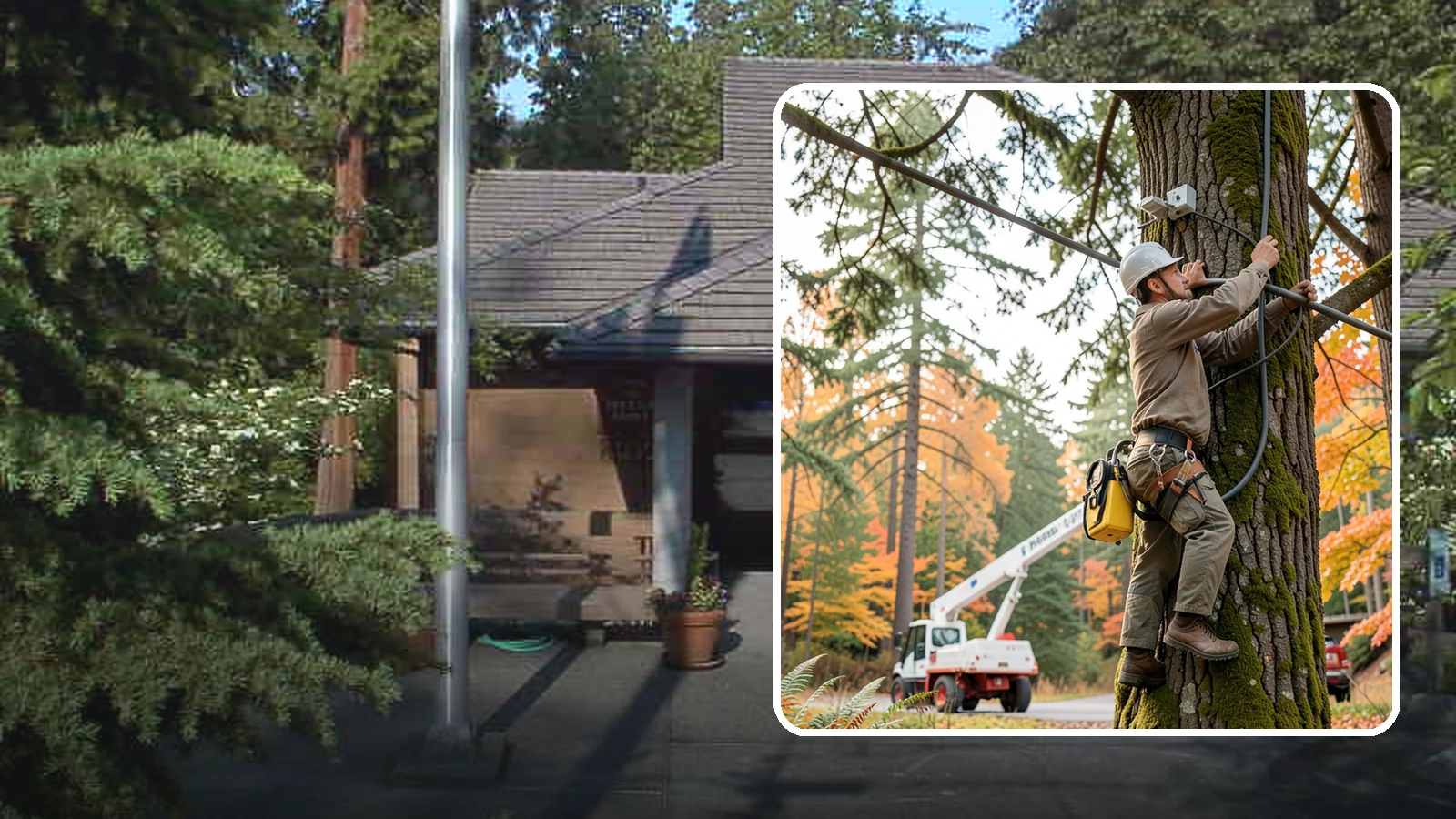
This category focuses on installing rigid cable systems specifically intended to limit movement and provide structural support. The process includes selecting an appropriate system based on your specific tree species, site conditions, and access requirements. Our trained crews use these methods to reinforce weak unions and heavy limbs without compromising the natural growth of the tree.
Yarrow Point Static Cabling Installation Process
Work begins with a thorough assessment of structural defects and load paths to determine where support is most needed. We then select an appropriate cabling system and install hardware at correct positions according to industry standards. The final steps involve documenting the installation details and setting up a schedule for future inspections to ensure long-term stability.
Equipment We Use for Yarrow Point Static Cabling Installation
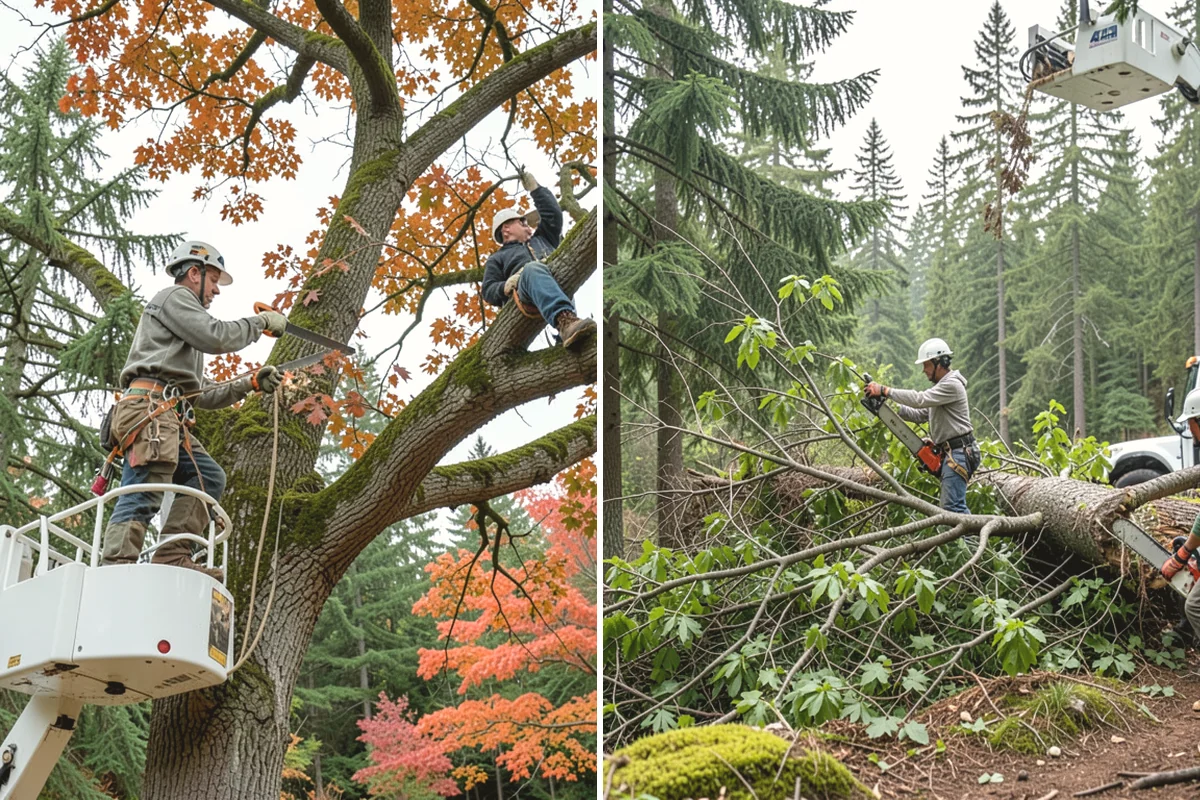
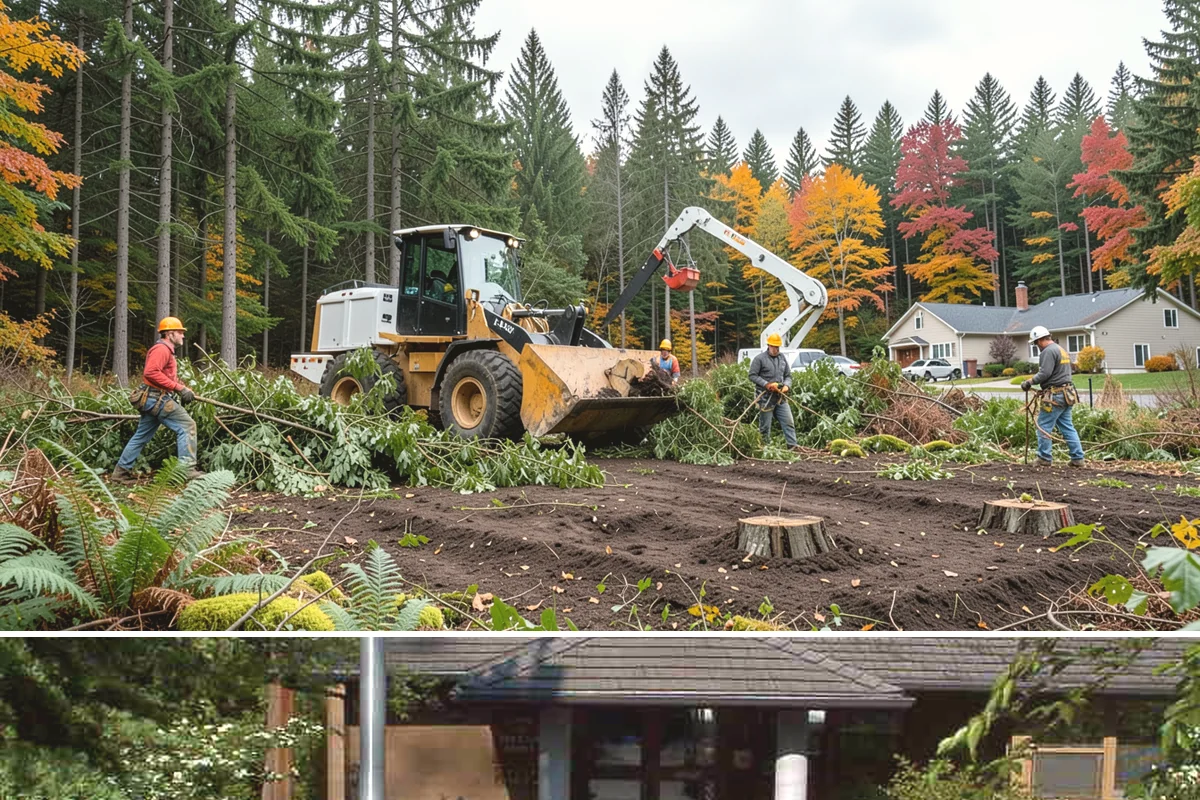
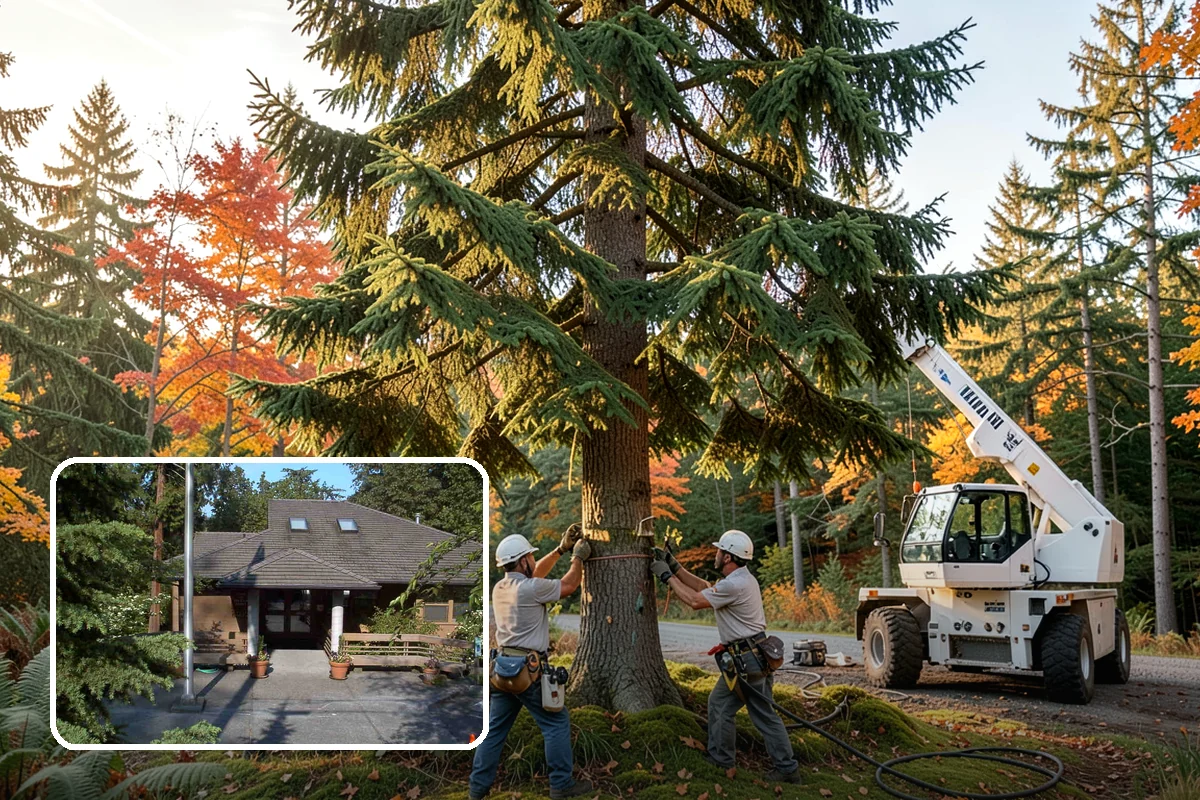
Our crews utilize specialized cabling and bracing hardware along with professional installation tools to complete the job safely. Depending on the size of the tree, we may use climbing and rigging gear or an aerial lift to reach higher branches. All team members wear personal protective equipment throughout the project to ensure safety for everyone involved in the operation.
Yarrow Point Static Cabling Installation Safety & Best Practices
We install cabling only where support is appropriate and effective, using hardware that is correctly rated for the specific load it will carry. It is important to recognize when removal might be a safer option than adding new supports or continuing with an aging system. Systems are designed to be inspected periodically so we can address any wear before they become a hazard.
Signs You Need Static Cabling Installation in Yarrow Point
You may need this service if you notice cracks and cavities, overextended limbs, or signs of included-bark unions in your tree structure. Codominant stems that split under stress often require reinforcement to prevent sudden failure during storms or high winds. Additionally, aging hardware from previous installations should be inspected regularly as part of a proactive maintenance plan for your landscape trees.
What Affects the Cost of Static Cabling Installation in Yarrow Point
The price is influenced by the specific species of tree you have and how difficult it is to access different parts of the site. Complexity plays a major role in cost, particularly when installing hardware at correct positions around structurally weak limbs that require precise placement. These factors ensure we provide a tailored solution rather than applying a one-size-fits-all approach to every job.
Best Time of Year for Yarrow Point Static Cabling Installation
Work can generally be performed year-round given our local weather patterns and the flexibility of cabling installation tasks. The main exception occurs when branches are frozen or ice-laden, as these conditions could damage new hardware during placement. We plan projects around branch health rather than strict seasons so we can address your needs whenever they arise safely.
Static cabling for Yarrow Point trees: cause, risk and process
Most cabling jobs start with structure. Codominant stems of similar size often grow with bark pressed between them. That included bark can't knit into solid wood, so the union stays weak as the tree gets heavier. Long, heavy limbs and old wounds can create the same problem.
Wind is what tests these weak points. The National Weather Service forecast zone that includes Yarrow Point logged 33 high and strong wind episodes from 2005 to 2025. The strongest gust recorded in that zone since 2005 was 72 mph on December 17, 2010. These are zone-wide figures, not measurements of any tree on your lot. They do show that a tree with a weak union can expect repeated loading over its life, so the question is worth asking before a storm and not after one.
The same zone had 2 ice storm episodes in that period. Ice adds weight to every branch, and it pulls hardest on the stems and limbs that are already leaning or joined poorly.
How the work goes
We start with an inspection. An ISA Certified Arborist on staff looks at the union, the health of the wood and the crown shape. Cabling only suits sound wood. If a stem is cracked through, decayed or hollow, a cable will not fix it, and we will talk through other options with you.
If cabling fits, the usual practice follows ISA and ANSI A300 standards. Hardware is placed in the upper third of the stems or limbs, roughly two thirds of the way up from the union to the tips. A steel cable is then fitted between the anchors. Some crowns also get light pruning to reduce end weight. A cable limits movement. It does not guarantee a tree will hold in a storm, so we recommend checking the hardware on a regular schedule as the tree grows.
Washington's Department of Revenue offers reduced property taxes for property damaged in a state-declared disaster, according to WA DNR Tree Link. That is a way to recover cost after the fact, and it does not prevent the damage. Free estimates are available, and you can call or text 425-484-4442.
Yarrow Point tree conditions at a glance
| High and strong wind episodes, 2005-2025 | 33 in the forecast zone |
|---|---|
| Ice storm episodes, 2005-2025 | 2 in the forecast zone |
| Average snowfall | 5.4 in a season |
| Soils | 93% of land has hardpan or another restrictive layer within 40 in; most common series Alderwood |
Strongest wind events near Yarrow Point
- Dec 17, 2010: gusts to 72 mph
- Feb 7, 2012: gusts to 70 mph
- Dec 14, 2006: gusts to 68 mph
NOAA Storm Events, forecast zone that includes Yarrow Point, 2005-2025.
Sources: Daymet daily weather (NASA/ORNL), NOAA Storm Events, USDA plant hardiness map 2023, NRCS soil survey, USGS elevation, WA DNR landslide inventory, USDA Forest Service aerial survey, WSDA, city tree assessments and street-tree inventories, SILVIS Lab, Arbor Day Foundation, and official city and utility pages.
Static Cabling Installation Serving Yarrow Point
Yarrow Point