Where Safety Meets Expert Tree Service.

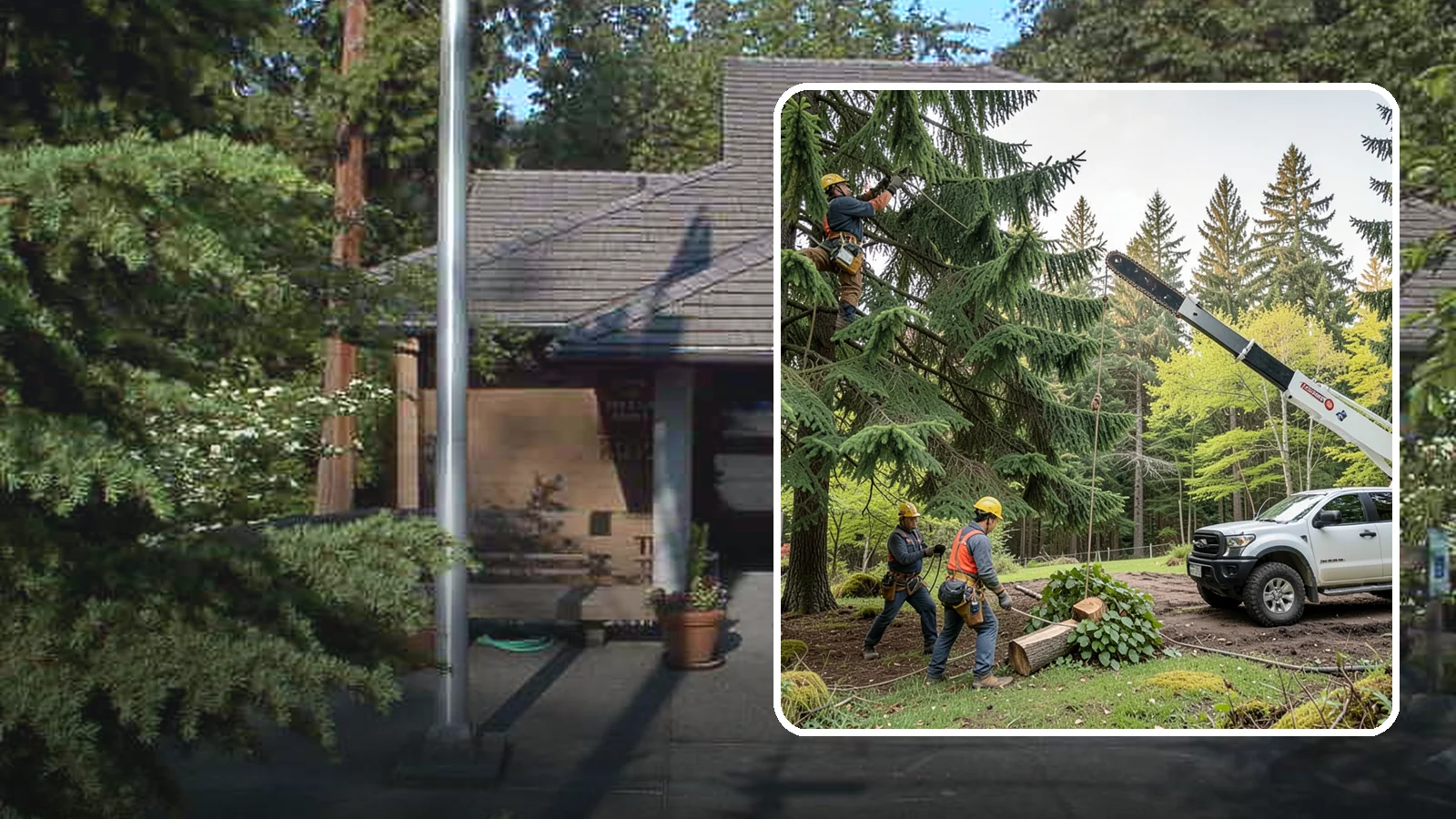
Yarrow Point Small Tree Removal
The removal of small or young trees.
In Yarrow Point, the first thing to check on a small tree is its trunk diameter. The city's rule for private property covers any healthy tree at least 12 inches in diameter, measured at 4.5 feet above the ground (DSH). Measure yours before you plan anything.
A tree under that size is a different situation from one at or over it. If yours is close, a measurement taken carefully tells you which path to follow. Then you can pick a timing and method that fit the tree and the yard.
About Small Tree Removal in Yarrow Point
We specialize in taking down small or young trees that may be causing trouble on your property. Our trained crews work efficiently to clear these compact trees while keeping your home and landscape safe. This service is perfect for homeowners who need space opened up without the complexity of larger removal jobs.
What Yarrow Point Small Tree Removal Includes
Small tree removal focuses specifically on removing smaller, younger specimens from your yard or garden. The process includes carefully taking down limbs or felling the stem in a controlled sequence to ensure safety. We handle everything from rigging and lowering branches to processing wood and clearing debris so you are left with a clean site.
Yarrow Point Small Tree Removal Process
Our team starts by assessing hazards and establishing clear drop zones around your property before beginning work. Once safe access is confirmed, we use specific methods matched to the tree species and current ground conditions. After the tree comes down, we process the wood, haul away debris, and perform final cleanup to restore your area.
Equipment We Use for Yarrow Point Small Tree Removal
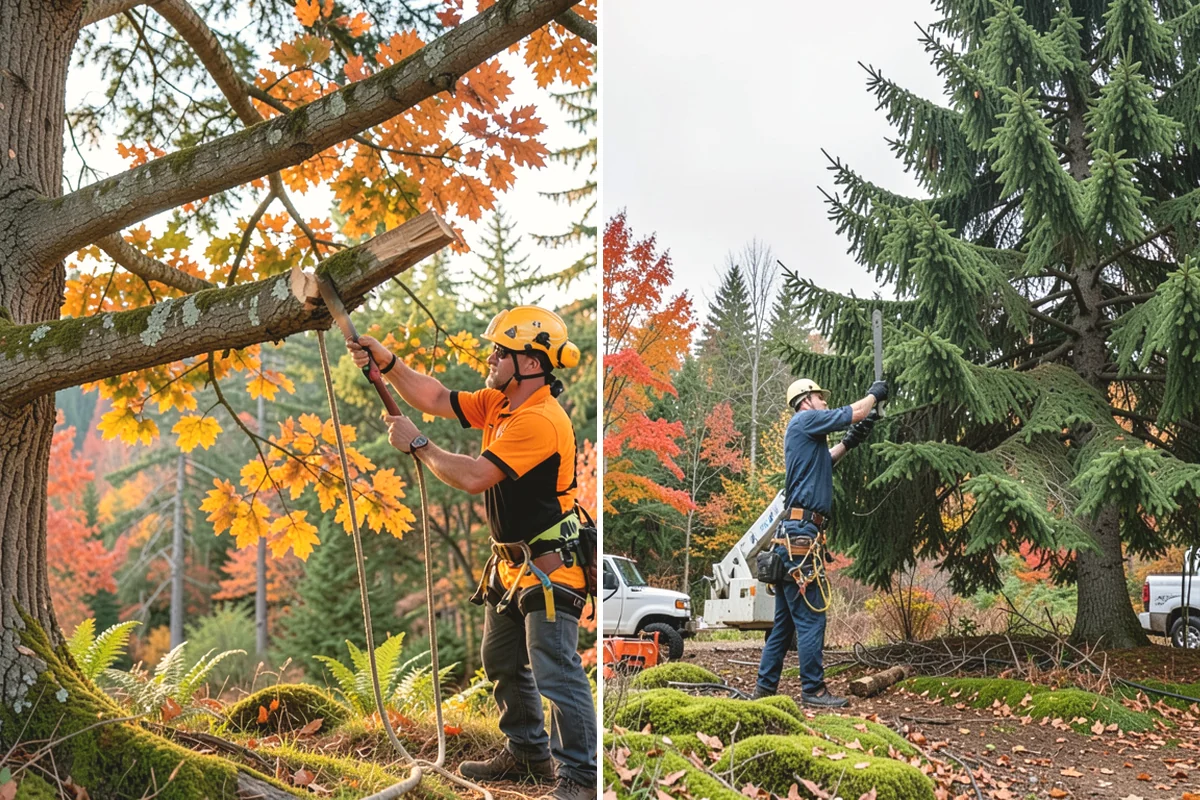
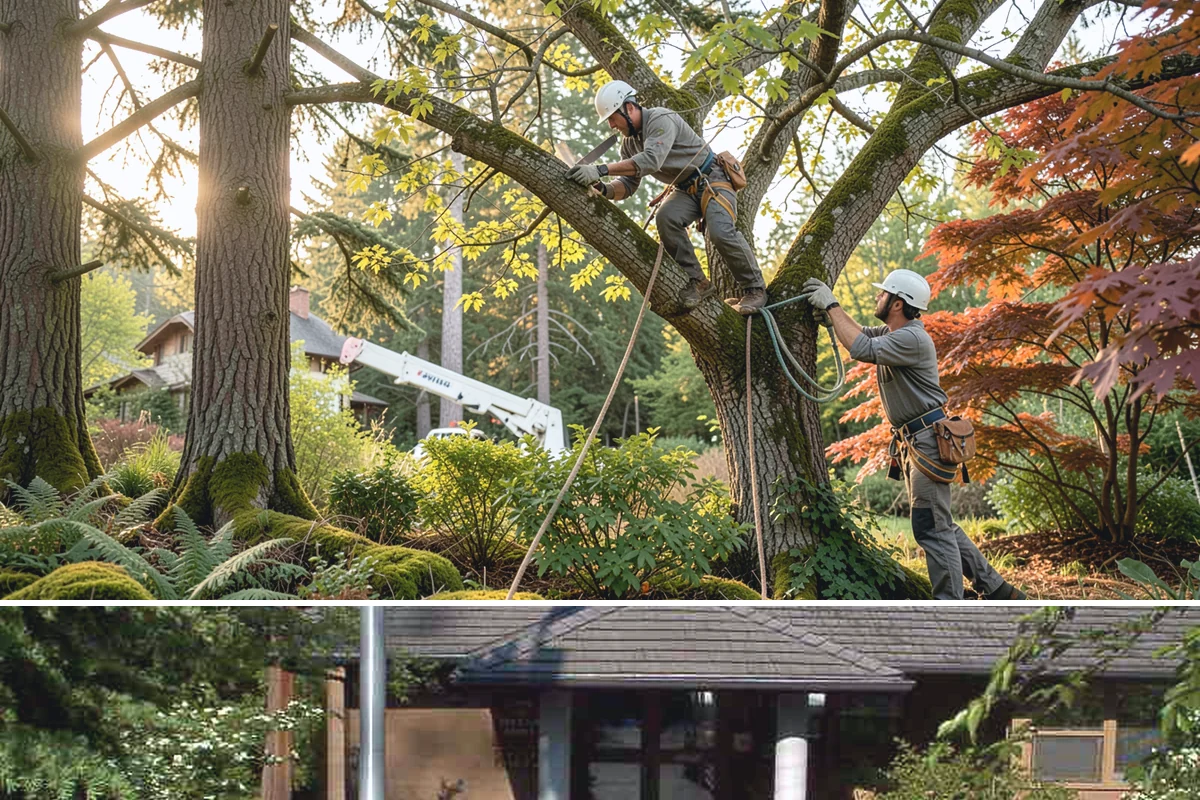
We utilize chainsaws and climbing gear to safely reach and remove branches from these smaller trees. Depending on site access needs, an aerial lift or crane may be brought in to assist with lowering limbs or stems. Additional tools like a wood chipper and ground protection mats help us work efficiently while protecting your landscaping.
Yarrow Point Small Tree Removal Safety & Best Practices
Safety is our priority as we maintain clear drop zones and identify any overhead utility lines before starting. We inspect every tree for hidden decay or structural defects that could change how it needs to be taken down. Our crew uses fall protection gear and maintains constant communication between climbers and ground workers throughout the job.
Signs You Need Small Tree Removal in Yarrow Point
You might need this service if a young tree is leaning unpredictably toward your house, fence, or power lines. Signs of hidden internal decay or limited space for equipment often indicate that professional removal is necessary to prevent accidents. If you notice pests spreading from one small tree to others nearby, removing the source can help protect your entire grove.
What Affects the Cost of Small Tree Removal in Yarrow Point
The price depends on factors like the specific size of the tree and how difficult it will be to access the site. Hidden issues such as internal decay or proximity to power lines may require specialized rigging techniques that affect pricing. Additionally, the complexity of processing and hauling away the debris plays a significant role in determining the final cost.
Best Time of Year for Yarrow Point Small Tree Removal
In our local climate, this work can generally be done at any time during the year for small trees. However, we exercise extra caution during wet seasons when soft ground makes equipment access harder and increases fall hazards. Planning your project outside of heavy rain periods ensures a safer environment for both our crew and your property.
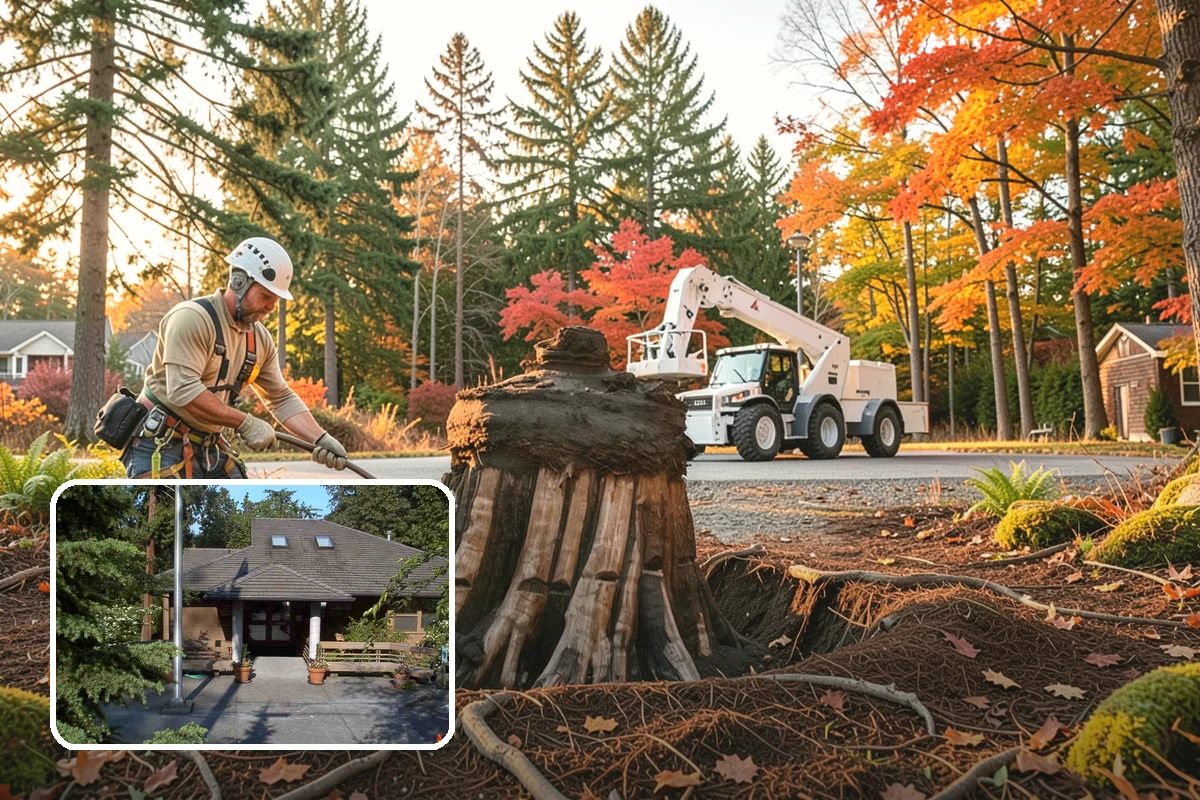
Small tree removal in Yarrow Point: size, permit and timing
Small tree removal is usually a straightforward job, but the first step is still to confirm what the tree is in the city's eyes.
Step 1: Measure and check the rule
Yarrow Point requires a tree removal permit to remove any significant tree on private property (YPMC 20.22.030(A)). The regulated size is any healthy tree at least 12 inches in DSH. The same rule says a minimum density of one significant tree per 5,000 square feet of lot area must be shown whenever a significant or heritage tree is removed. That means the count of trees left on your lot matters, not only the one coming out. The rule is about removal. If the permit question is unclear for your tree, we check with the city before any work starts.
Step 2: Plan the cut
Small trees are often taken down in sections or in a single controlled fall, depending on what stands nearby. Fences, roofs, and plantings decide the method. Our ISA Certified Arborist can look at the tree during a free estimate and explain the approach.
Step 3: Pick the season
A Daymet climate record for 2005 to 2025 shows that 81% of Yarrow Point's yearly rain and snow falls from October to April. Soil is wetter in those months, so equipment can leave ruts on a lawn or garden bed. Scheduling in the drier part of the year can reduce that ground damage.
Step 4: Cleanup and replanting
After the tree is down, the stump can be ground out or left in place, and wood can be hauled away or cut for your use. The USDA map lists Yarrow Point as zone 9a, with parts of the city ranging from 8b to 9a. Keep that in mind when choosing a replacement, since it shapes which species will tolerate winter lows. A replacement may also help with the lot-density requirement noted above.
Call or text 425-484-4442 to set up the estimate.
Yarrow Point tree conditions at a glance
| USDA hardiness zone | 9a (8b to 9a across the city) |
|---|---|
| Soils | 93% of land has hardpan or another restrictive layer within 40 in; most common series Alderwood |
| High and strong wind episodes, 2005-2025 | 33 in the forecast zone |
| Electric utility | unconfirmed |
Tree removal rules in Yarrow Point
A tree removal permit is required to remove any significant tree on private property (YPMC 20.22.030(A)). Minimum density of one significant tree per 5,000 sq ft of lot area must be shown whenever a significant or heritage tree is removed. Trees proposed for removal must be marked with yellow tape at DSH.
Regulated size: Any healthy tree at least 12 in DSH (diameter at 4.5 ft).
Official city source. Rules change; we confirm with the city before work starts.
Strongest wind events near Yarrow Point
- Dec 17, 2010: gusts to 72 mph
- Feb 7, 2012: gusts to 70 mph
- Dec 14, 2006: gusts to 68 mph
NOAA Storm Events, forecast zone that includes Yarrow Point, 2005-2025.
Sources: Daymet daily weather (NASA/ORNL), NOAA Storm Events, USDA plant hardiness map 2023, NRCS soil survey, USGS elevation, WA DNR landslide inventory, USDA Forest Service aerial survey, WSDA, city tree assessments and street-tree inventories, SILVIS Lab, Arbor Day Foundation, and official city and utility pages.
Small Tree Removal Serving Yarrow Point
Yarrow Point
Small tree removal in nearby areas
Also serving Yarrow Point
- Event & Seasonal Displays in Yarrow Pointat Washington Landscaping
- Tree Mulching in Yarrow Pointat Washington City Services
- Tree Removal for Firewood in Yarrow Pointat Washington Firewood