Where Safety Meets Expert Tree Service.


Yarrow Point Multi-tree Removal
The coordinated removal of several trees in a single project.
The best time to plan removing several trees is before you need them gone. Start in late summer or early fall, when you can walk the property, tag each tree, and sort out city paperwork before the wet months arrive. Soft winter ground makes heavy equipment harder to use on a lawn or slope.
Yarrow Point has a permit rule for significant trees, so the order of your planning matters. Decide which trees are coming out, measure them, and find out what the city will ask for before anyone picks a date. A clear plan keeps the job from stalling halfway through.
About Multi-tree Removal in Yarrow Point
If you have a cluster of trees on your property that need attention at once, our multi-tree removal service is designed for homeowners facing larger projects like site preparation or safety clearance. Our trained crews work together to handle these groups efficiently while keeping your home and family safe throughout the process.
What Yarrow Point Multi-tree Removal Includes
This coordinated approach allows us to remove several trees in a single project rather than tackling them one by one over multiple visits. We use methods that match each tree species, site conditions, and access points to ensure a smooth operation for clearing groups of trees due to safety or health concerns.
Yarrow Point Multi-tree Removal Process
The work begins with an on-site assessment where we evaluate hazards and establish clear drop zones before any cutting starts. Our crew will then rig limbs or fell stems in a controlled sequence using proper communication between climbers and ground workers, followed by processing the wood and clearing all debris from your yard.
Equipment We Use for Yarrow Point Multi-tree Removal
We bring professional tools to every job site, including chainsaws for precise cuts and powerful chippers to process branches into mulch. Depending on the specific needs of your property, we may also utilize aerial lifts or cranes along with climbing gear and ground protection mats to keep surfaces safe during removal.
Yarrow Point Multi-tree Removal Safety & Best Practices
Safety is our top priority, so we always identify overhead utility lines before starting and inspect every tree for hidden decay or structural defects. Our team maintains strict control over fall paths and drop zones while using personal protective equipment and coordinated communication to prevent accidents around your home.
Signs You Need Multi-tree Removal in Yarrow Point
You might need this service if you notice safety hazards forming in a group of trees, disease spreading between them, or simply want to free up usable space on your land. Situations such as limited access for standard equipment or unpredictable lean patterns often require our specialized multi-tree removal expertise to manage safely.
What Affects the Cost of Multi-tree Removal in Yarrow Point
The investment for removing multiple trees is influenced by how difficult it is to reach the site and whether nearby structures or power lines complicate the work. Additional factors include the complexity required to safely manage drop zones during coordinated felling sequences, which ensures everyone stays protected while we complete the job.
Best Time of Year for Yarrow Point Multi-tree Removal
In our local climate, this service can be performed year-round as long as ground conditions allow equipment mobility without damaging sensitive soil areas. We monitor weather and site stability closely to ensure that work proceeds smoothly regardless of the season, provided safety remains a priority for every step taken.
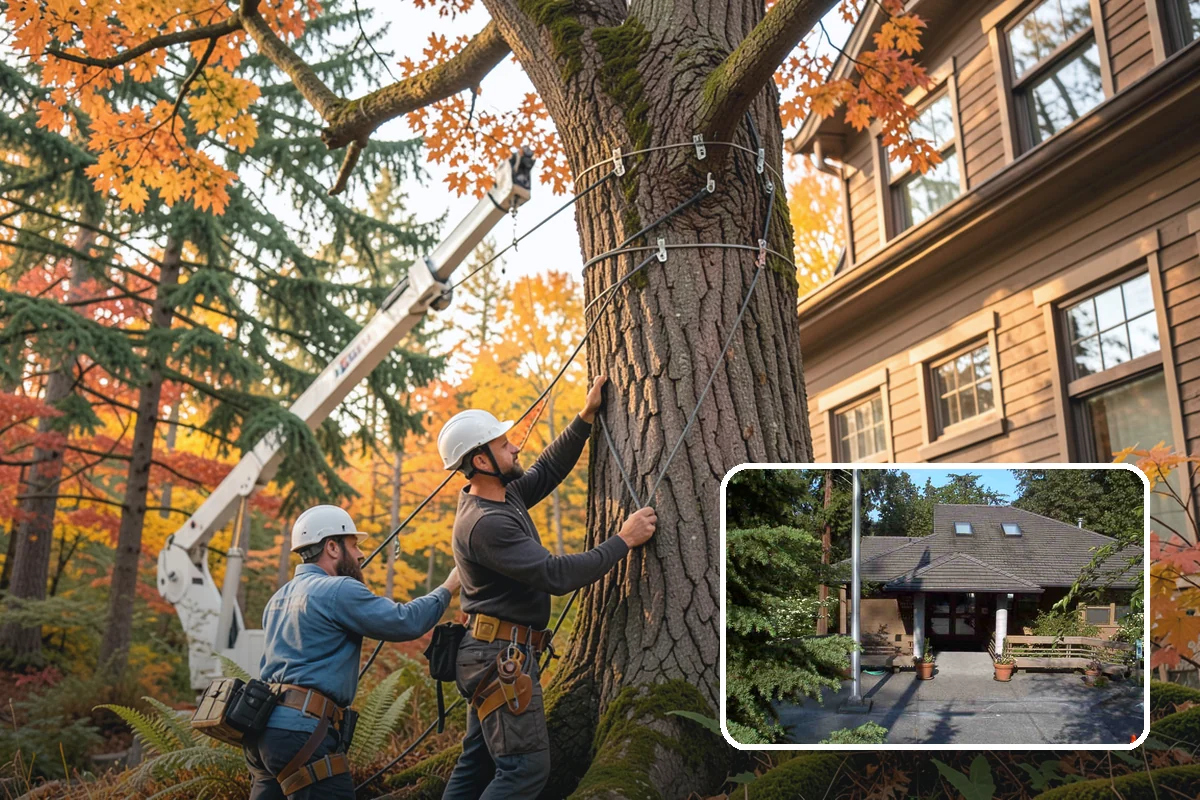
Planning a multi-tree removal in Yarrow Point
Start by walking the lot and marking every tree you are considering. Measure the trunk diameter at 4.5 feet above the ground. The city of Yarrow Point regulates any healthy tree at least 12 inches in diameter at that height, and its code requires a tree removal permit to remove a significant tree on private property (YPMC 20.22.030(A)). With several trees, one or two of them may cross that line while the rest do not. Knowing which is which up front shapes the whole schedule.
Density and replacement trees
The code also asks you to show a minimum density of one significant tree per 5,000 square feet of lot area whenever a significant or heritage tree is removed. Removing several trees at once can push a lot below that number. If it does, or if a heritage tree is removed, the city requires mitigation. Mitigation trees must be at least 10 feet tall if evergreen or 3-inch caliper if deciduous. They must be planted within six months and carry a 10-year warranty period. Budget time and space for those replacements now, not after the stumps are gone.
What affects scope
Access, tree size, lean, and nearby structures or wires decide how the work is done. Trees close to a house or fence may need to be taken down in sections and lowered under control instead of felled whole. Stump grinding, brush hauling, and cleanup are separate decisions, so say what you want done with the wood and the stumps.
On the day
Expect the crew to review the plan, set up drop zones, and protect the lawn or beds where they can. Trees come down one at a time, then limbs and trunks are cut up and cleared. A certified arborist on staff can look at which trees truly need to go and which could stay. We check with the city before work starts whenever a rule is unclear, and our estimates are free.
Practical tip: photograph each tagged tree with a tape measure at 4.5 feet before you apply for anything. Those photos make the permit conversation faster.
Yarrow Point tree conditions at a glance
| USDA hardiness zone | 9a (8b to 9a across the city) |
|---|---|
| Soils | 93% of land has hardpan or another restrictive layer within 40 in; most common series Alderwood |
| High and strong wind episodes, 2005-2025 | 33 in the forecast zone |
| Electric utility | unconfirmed |
Tree removal rules in Yarrow Point
A tree removal permit is required to remove any significant tree on private property (YPMC 20.22.030(A)). Minimum density of one significant tree per 5,000 sq ft of lot area must be shown whenever a significant or heritage tree is removed. Trees proposed for removal must be marked with yellow tape at DSH.
Regulated size: Any healthy tree at least 12 in DSH (diameter at 4.5 ft).
Official city source. Rules change; we confirm with the city before work starts.
Strongest wind events near Yarrow Point
- Dec 17, 2010: gusts to 72 mph
- Feb 7, 2012: gusts to 70 mph
- Dec 14, 2006: gusts to 68 mph
NOAA Storm Events, forecast zone that includes Yarrow Point, 2005-2025.
Sources: Daymet daily weather (NASA/ORNL), NOAA Storm Events, USDA plant hardiness map 2023, NRCS soil survey, USGS elevation, WA DNR landslide inventory, USDA Forest Service aerial survey, WSDA, city tree assessments and street-tree inventories, SILVIS Lab, Arbor Day Foundation, and official city and utility pages.
Multi-tree Removal Serving Yarrow Point
Yarrow Point

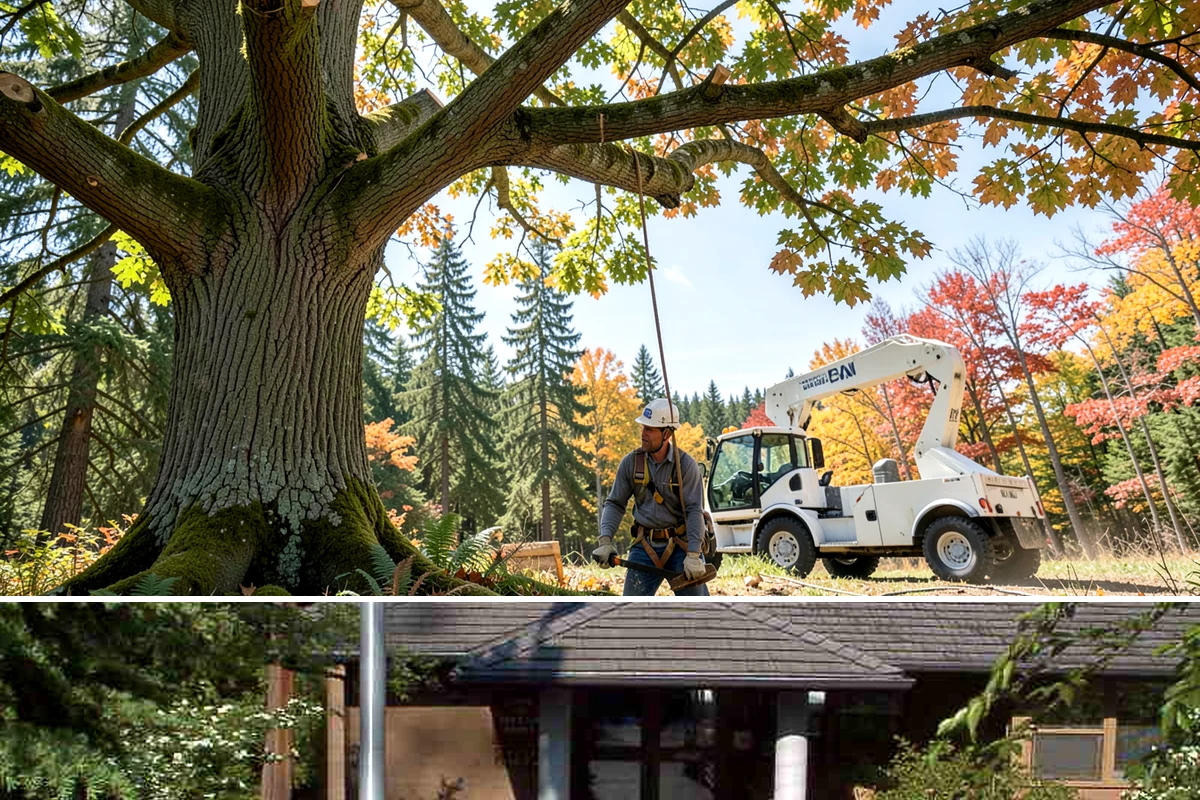
Multi-tree removal in nearby areas
Also serving Yarrow Point
- Vegetable Garden Installation in Yarrow Pointat Washington Landscaping
- Tree Risk Assessments in Yarrow Pointat Washington City Services
- Customer Tree Processing in Yarrow Pointat Washington Firewood