Where Safety Meets Expert Tree Service.

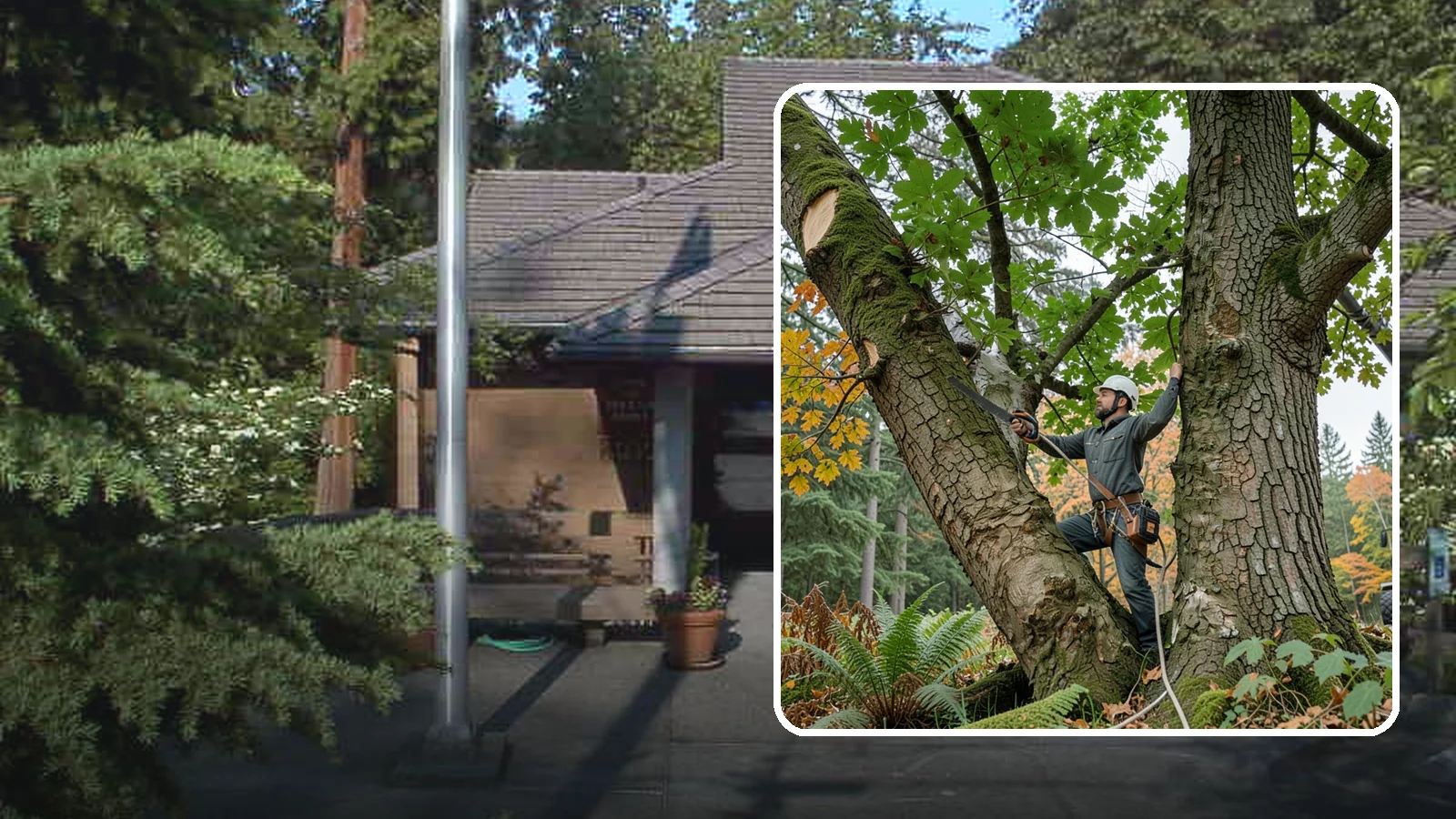
Yarrow Point Canopy Reduction
The reduction of overall canopy size with measured cuts.
Canopy reduction is for owners whose trees have grown into roofs, power lines, or views, or whose crowns feel too heavy over a driveway, deck, or play area. It also suits trees you want to keep but that have become more tree than the site can comfortably hold.
The goal is a smaller, lighter crown that still looks like the tree. Done correctly, it means selective cuts at branch junctions, not stubbing limbs. Here is how the main approaches compare and which local conditions favor each.
About Canopy Reduction in Yarrow Point
Canopy reduction helps homeowners manage large trees by carefully lowering their overall size while keeping a natural look. This approach improves safety around your property without harming the tree’s long-term health or structure. It is an ideal solution for those dealing with heavy branches that might interfere with overhead lines or viewlines.
What Yarrow Point Canopy Reduction Includes
This service reduces the total canopy volume using precise, measured cuts designed to lower weight and wind resistance. We focus on maintaining the tree’s natural form while removing excess growth that could lead to branch failure. The work is tailored specifically to your tree species and current site conditions for a balanced result.
Yarrow Point Canopy Reduction Process
Our trained crews begin by assessing the condition of your canopy and defining clear pruning objectives before making any cuts. Each cut is placed at proper points using techniques matched to the specific needs of your tree type and season. Afterward, we lower all removed material safely and clean up the entire work area to leave your property tidy.
Equipment We Use for Yarrow Point Canopy Reduction
We utilize a range of tools including hand saws, pole saws, chainsaws, and wood chippers to handle branches efficiently. Climbing gear and rigging equipment allow our team to access high limbs securely when necessary. An aerial lift is used only if the site conditions or tree size require additional height assistance.
Yarrow Point Canopy Reduction Safety & Best Practices
We strictly follow recognized arboricultural standards to avoid making harmful cuts that could stress your trees. Our crew watches closely for unstable limbs and overhead power lines while working at heights with proper fall protection. By limiting removal to healthy amounts of live tissue, we prevent unnecessary shock or damage during the process.
Signs You Need Canopy Reduction in Yarrow Point
You may need this service if you notice deadwood in weak unions or branches that block sightlines near your home. Interference with structures or utility lines often indicates it is time for a measured reduction of canopy size. Over-pruning from past attempts can also signal a need to correct structure and restore the tree’s natural vigor.
What Affects the Cost of Canopy Reduction in Yarrow Point
The price varies based on the overall size of the trees, how complex the site access is, and the volume of wood that needs disposal. Larger jobs with difficult terrain or significant amounts of cut material will naturally require more time and resources. These factors combine to determine a fair estimate for your specific project scope.
Best Time of Year for Yarrow Point Canopy Reduction
Work should be scheduled according to species-specific timing sensitivities common in our region to avoid stressing trees during active growth. We plan around dormancy periods so that cuts do not coincide with times when the tree is most vulnerable to weather or disease. Following these seasonal windows ensures the best recovery and health for your canopy after reduction.
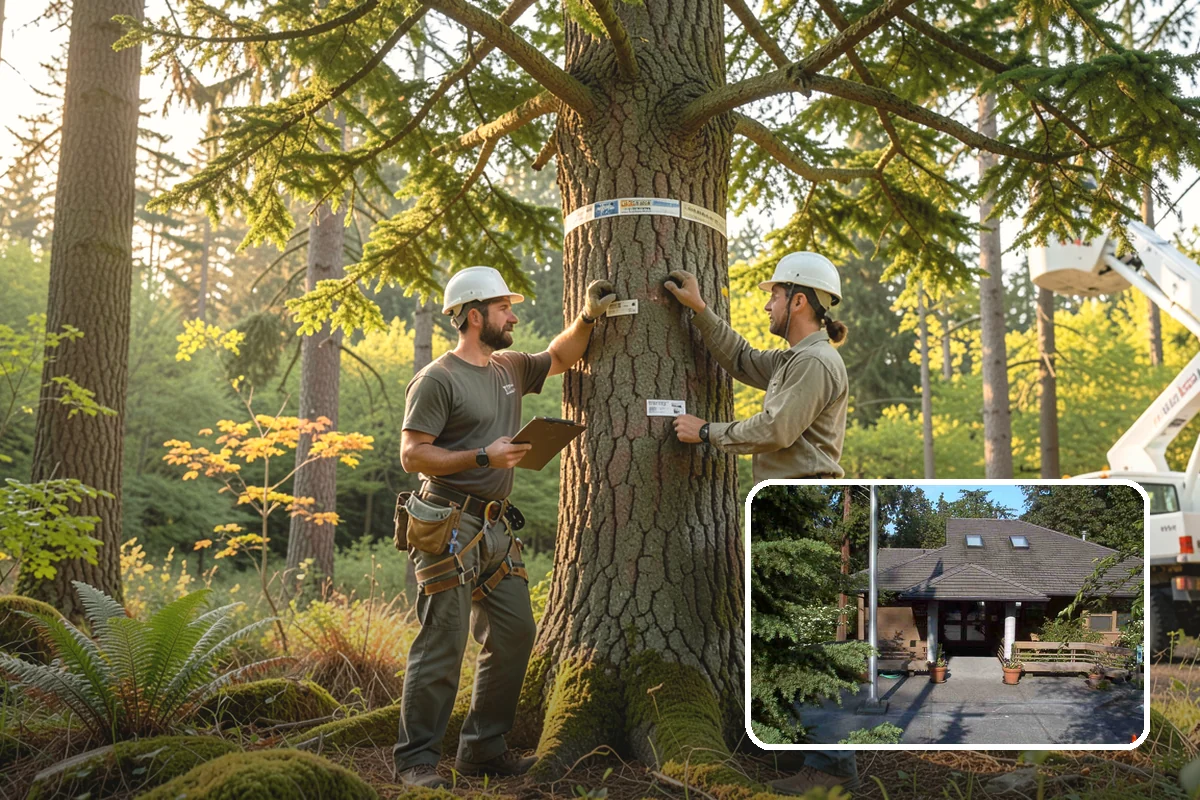
Choosing a canopy reduction approach in Yarrow Point
Owners usually choose between three approaches. Each fits a different problem.
- Crown reduction: shortens the overall height or spread by cutting back to side branches large enough to take over as the new tip.
- Crown thinning: removes select interior branches to reduce weight and let air and light through, without changing the tree's size much.
- Targeted limb reduction: shortens only the branches over a roof, wire, or structure and leaves the rest alone.
Why wind and wet seasons matter
The forecast zone that includes Yarrow Point logged 33 high and strong wind episodes from 2005 to 2025. That is a zone-wide figure, not a measure of any one tree. It still argues for thinning when the concern is a dense crown catching wind, since removing interior weight can lessen the load on limbs. It also argues for careful reduction cuts, because poorly made ones leave weak regrowth that is more likely to fail.
Daymet data for 2005 to 2025 shows 81% of Yarrow Point's yearly rain and snow falls from October to April. Saturated soil in those months is when large trees are most stressed. Planning the work for the dry months lets us see the structure clearly and keeps equipment off soft ground.
What to avoid
Topping, which means cutting large limbs back to stubs, is not canopy reduction. Linda Chalker-Scott of the WSU Puyallup Research and Extension Center writes that topping leads to sun damage, nutrient stress, insect attack, and decay. If a quote involves stubbing a tree back, ask for a different plan.
Because reduction takes off a lot of foliage, we usually favor several modest cuts over one drastic one. Our ISA Certified Arborist can walk the tree with you and recommend which approach fits. Tree rules differ by city and by type of work, so where it is unclear whether a permit applies, we check with Yarrow Point before work starts. Call or text 425-484-4442 for a free estimate.
Yarrow Point tree conditions at a glance
| USDA hardiness zone | 9a (8b to 9a across the city) |
|---|---|
| Rain and snow falling October to April | 81% of the year’s total |
| Days that freeze at night and thaw by day | 28 a year |
| Tree City USA | 16 years |
| Electric utility | unconfirmed |
Sources: Daymet daily weather (NASA/ORNL), NOAA Storm Events, USDA plant hardiness map 2023, NRCS soil survey, USGS elevation, WA DNR landslide inventory, USDA Forest Service aerial survey, WSDA, city tree assessments and street-tree inventories, SILVIS Lab, Arbor Day Foundation, and official city and utility pages.
Canopy Reduction Serving Yarrow Point
Yarrow Point
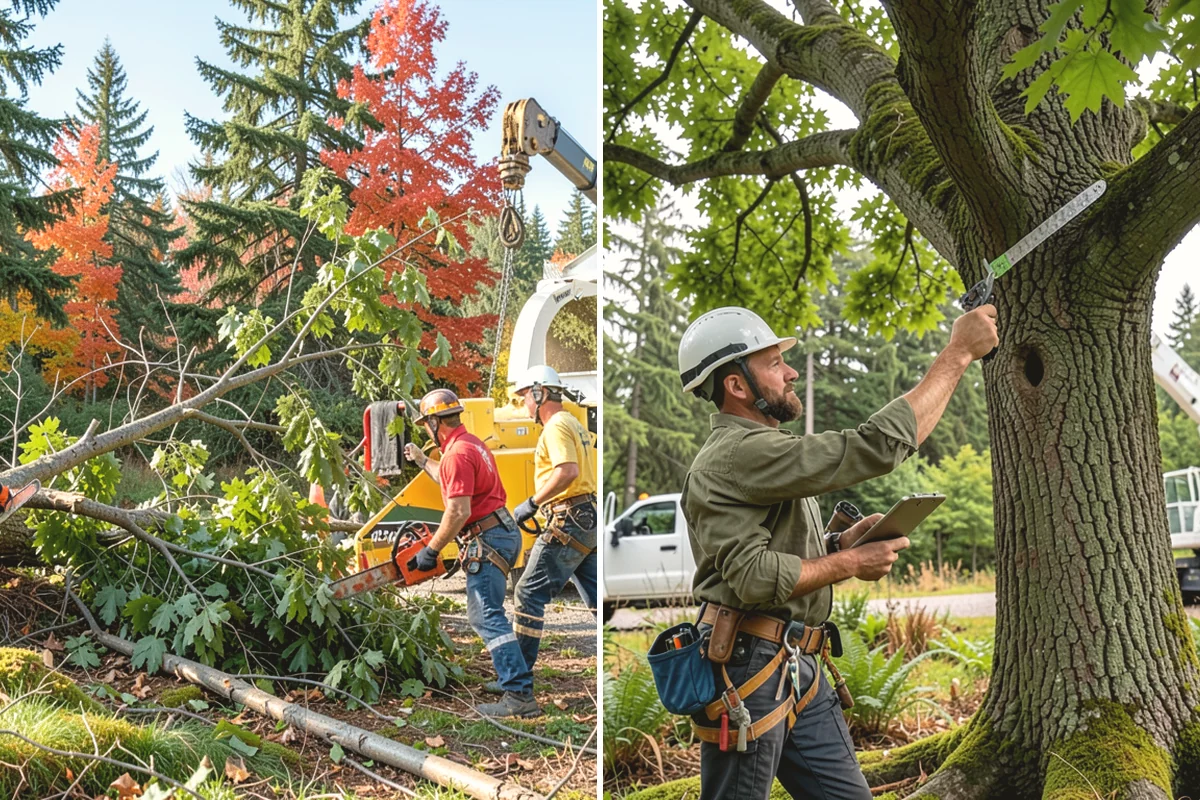
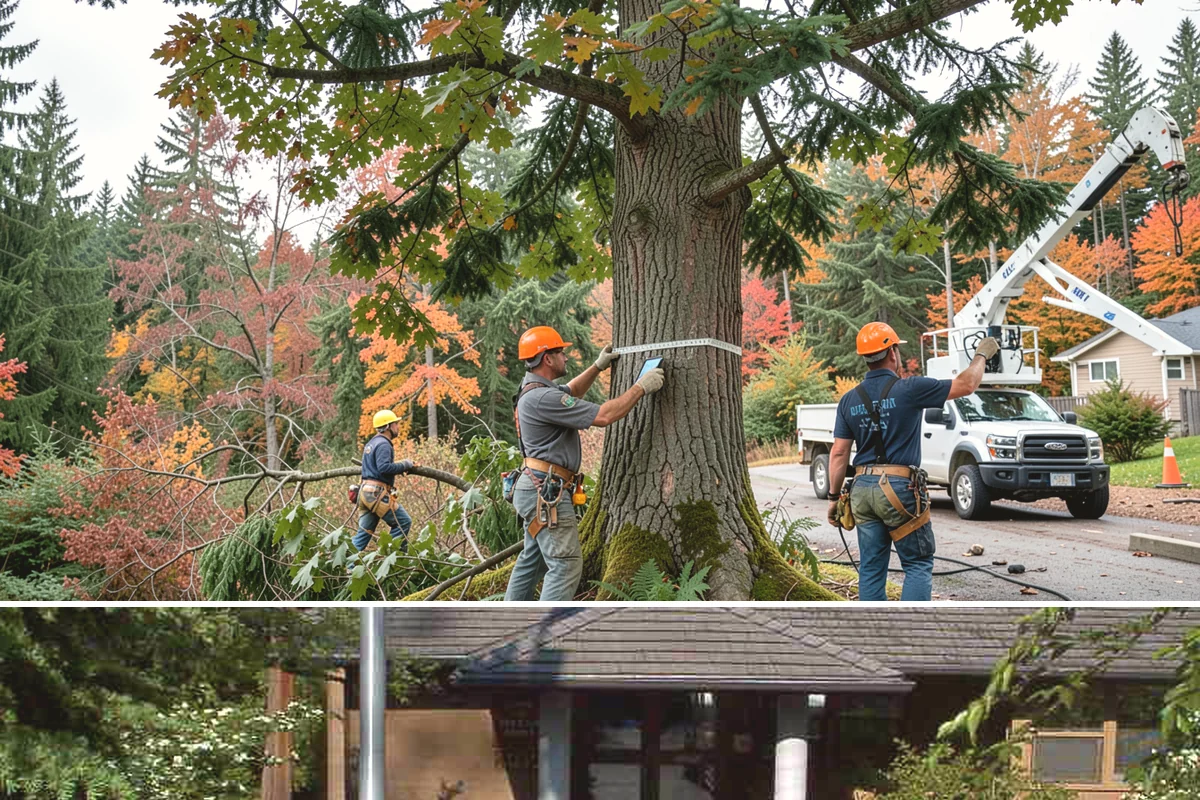
Canopy reduction in nearby areas
Also serving Yarrow Point
- Japanese Maple Pruning in Yarrow Pointat Washington Landscaping
- Roof Moss Removal in Yarrow Pointat Washington Roofing
- Tree Inventory in Yarrow Pointat Washington City Services