Where Safety Meets Expert Tree Service.


Yarrow Point Bamboo Removal
The removal and containment of bamboo.
The best window for bamboo removal in Yarrow Point is usually late spring through early fall, when the soil is drier and new shoots are easy to see. About 81% of the year's rain and snow falls from October to April (Daymet, 2005-2025), so wet-season digging tends to mean soft, muddy ground.
Bamboo spreads by underground stems called rhizomes, so removal is more than cutting canes. Planning around the season helps you finish the job and keep regrowth in check.
About Bamboo Removal in Yarrow Point
If your property is struggling under spreading bamboo or invasive growth, our team can help clear the land safely and effectively. We work closely with homeowners who need their sites improved for better access, reduced fire risk, and a more usable outdoor space. Our goal is to restore your landscape while protecting existing features like trees and structures.
What Yarrow Point Bamboo Removal Includes
This service focuses on the complete removal and containment of bamboo to stop it from spreading further across your lot. We use methods tailored to specific site conditions to discourage regrowth and prepare your land for its intended purpose. The work includes clearing vegetation in a planned sequence so that debris is processed, removed, and disposed of responsibly.
Yarrow Point Bamboo Removal Process
Our trained crews begin by assessing the site and marking important features they need to protect during the job. We then clear the bamboo according to a logical plan before grading or tidying the area as needed for your use. Throughout this process, we manage all debris carefully to prevent hazards while ensuring retained trees stay healthy in their root zones.
Equipment We Use for Yarrow Point Bamboo Removal
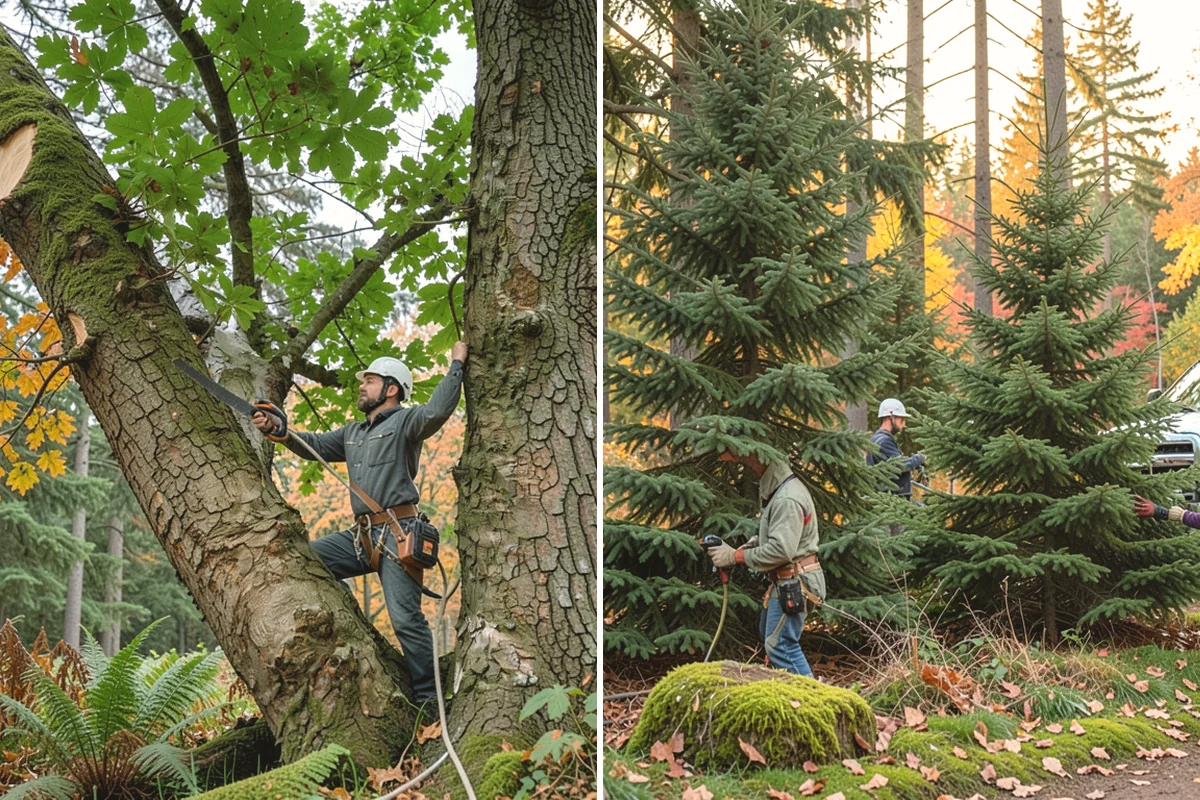
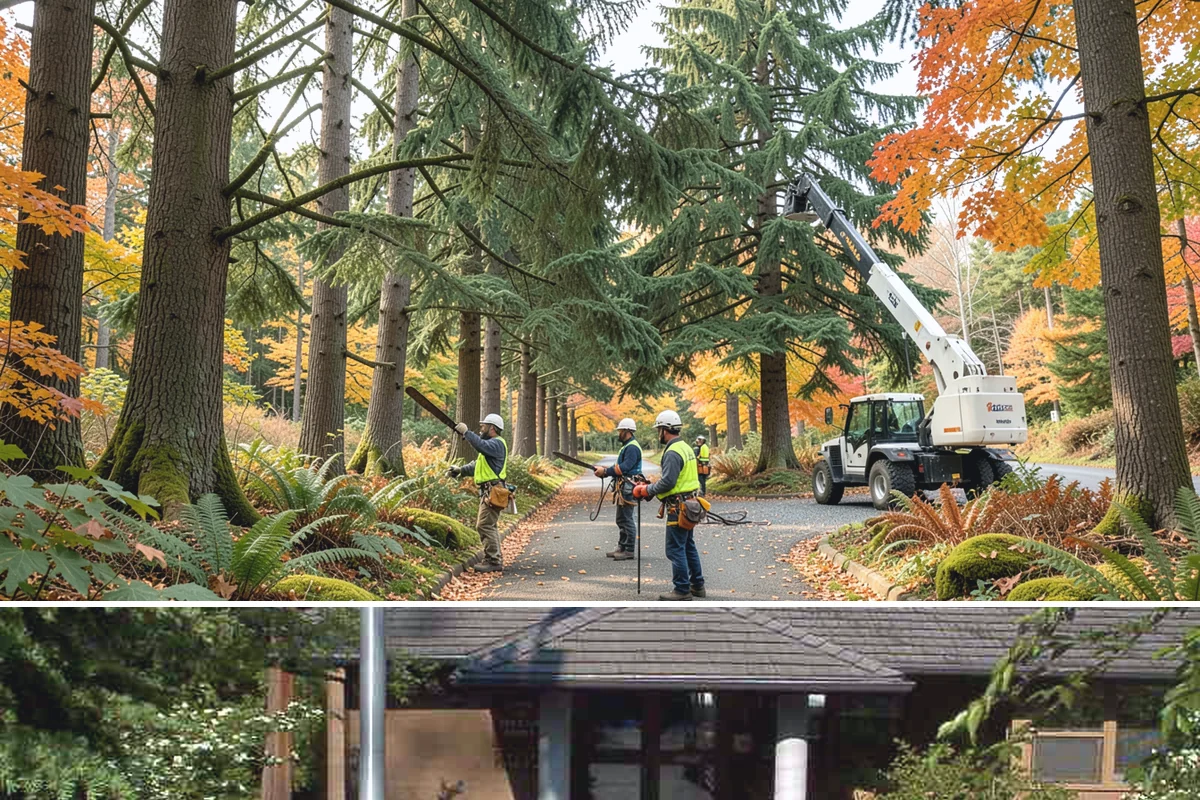
To handle dense growth and uneven terrain safely, our crews utilize brush cutters, chainsaws, chippers, and hauling equipment alongside essential hand tools. We also wear full personal protective gear at all times to ensure the safety of both our team members and your property. These specialized tools allow us to tackle thorny vegetation efficiently without damaging surrounding landscape elements.
Yarrow Point Bamboo Removal Safety & Best Practices
Before starting any work, we identify utility lines, property boundaries, and specific features that must remain untouched during clearing operations. We stay alert for uneven ground or hidden obstacles that could create hazards while moving heavy equipment through your yard. By managing debris properly and protecting root zones of nearby trees, we minimize risks to both people and plants throughout the project.
Signs You Need Bamboo Removal in Yarrow Point
You may need this service if you notice bamboo spreading rapidly across your property or finding it difficult to control overgrown vegetation. Signs that include dense thorny growth on uneven terrain or invasive species continuing to regrow despite previous attempts also indicate a need for professional help. If wet conditions are making access difficult, our team can assess whether the site is ready for safe clearing work.
What Affects the Cost of Bamboo Removal in Yarrow Point
The price of this service depends largely on how thick and thorny the bamboo growth has become in your specific area. Accessibility plays a major role as well, with uneven or wet terrain requiring more careful planning to navigate safely during removal. Additionally, costs are influenced by the need to protect existing features like trees and structures while ensuring invasive debris is disposed of responsibly.
Best Time of Year for Yarrow Point Bamboo Removal
Work is best scheduled when ground conditions remain stable enough for hauling equipment but before heavy rains make the site impassable. We aim to complete projects earlier in favorable seasons to avoid periods where rapid regrowth might complicate efforts to contain the bamboo effectively. Choosing the right time ensures that our crews can move safely through your property while maximizing containment success.
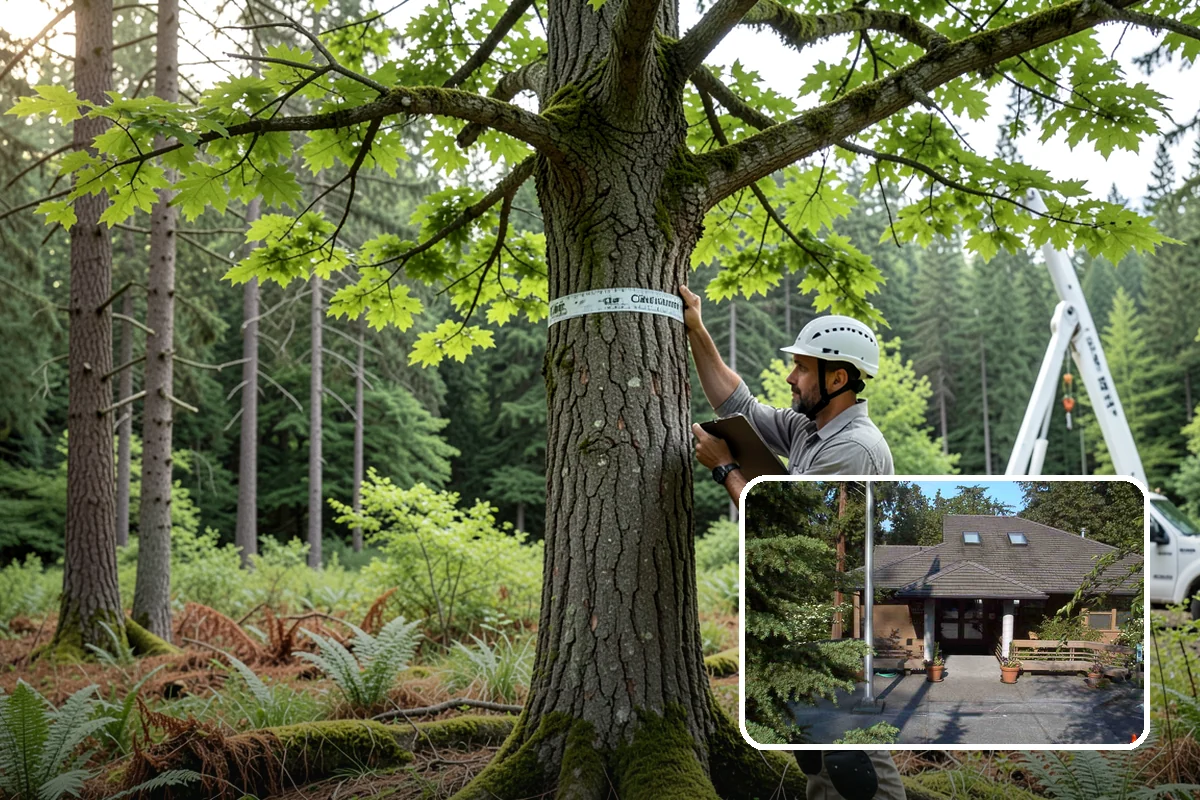
Planning bamboo removal in Yarrow Point
Start by walking the clump and its edges. Note where canes come up, including in lawn, beds, or a neighbor's side of the fence. Running bamboo sends rhizomes well past the visible grove. Clumping types stay tighter but still need their root mass dug out.
What affects the scope
Size and age of the stand matter most. A young patch can be dug in a day. An old grove has dense, interlocked rhizomes that take much longer. Access matters too, since a tight side yard may mean hand work instead of machines. Nearby fences, patios, drains, and utility lines also change how deep and how carefully we dig.
Soil plays a part here. The NRCS soil survey shows that 93% of Yarrow Point's land has a hard or restrictive layer, such as glacial hardpan, within 40 inches of the surface. Alderwood is the most common soil series. That is a survey of the town's land, not a reading of your yard. But a hard layer can keep rhizomes in the upper soil, where they are often easier to follow and remove. It also means water can sit on top in the wet months, which is another reason to avoid digging in winter.
What to expect on the day
We cut the canes down first and haul them away. Then we dig out the rhizome mass, working outward until we stop finding live pieces. Roots and soil are removed rather than buried on site. Some ground is left rough, and we can talk through grading or replanting. If a stand sits near a property line or in a spot the town might regulate, we check with the city before work starts.
Expect to see a few shoots come back, even after a thorough dig. Removal is often followed by a season of follow-up.
Practical tip: after removal, mow or cut any new shoots as soon as they appear through the first growing season. Starving the leftover rhizomes works better than letting shoots leaf out.
Yarrow Point tree conditions at a glance
| Homes in the wildland-urban interface | 0% |
|---|---|
| Land under dense tree cover (50%+ canopy) | 11% |
| Rain and snow falling October to April | 81% of the year’s total |
Tree removal rules in Yarrow Point
A tree removal permit is required to remove any significant tree on private property (YPMC 20.22.030(A)). Minimum density of one significant tree per 5,000 sq ft of lot area must be shown whenever a significant or heritage tree is removed. Trees proposed for removal must be marked with yellow tape at DSH.
Regulated size: Any healthy tree at least 12 in DSH (diameter at 4.5 ft).
Official city source. Rules change; we confirm with the city before work starts.
Tree health near Yarrow Point
- Decline, cause not identified134 ac
Forest damage mapped from the air within 10 km of Yarrow Point, 2021-2025 (USDA Forest Service and WA DNR). This covers forest land, not street or yard trees. “Decline, cause not identified” is dieback with no single cause found.
Sources: Daymet daily weather (NASA/ORNL), NOAA Storm Events, USDA plant hardiness map 2023, NRCS soil survey, USGS elevation, WA DNR landslide inventory, USDA Forest Service aerial survey, WSDA, city tree assessments and street-tree inventories, SILVIS Lab, Arbor Day Foundation, and official city and utility pages.
Bamboo Removal Serving Yarrow Point
Yarrow Point
Bamboo removal in nearby areas
Also serving Yarrow Point
- Bamboo Removal in Yarrow Pointat Washington Landscaping
- Site Clearing in Yarrow Pointat Washington Construction
- Scotch Broom Removal in Yarrow Pointat Washington City Services
- Fallen Tree Firewood in Yarrow Pointat Washington Firewood