Where Safety Meets Expert Tree Service.
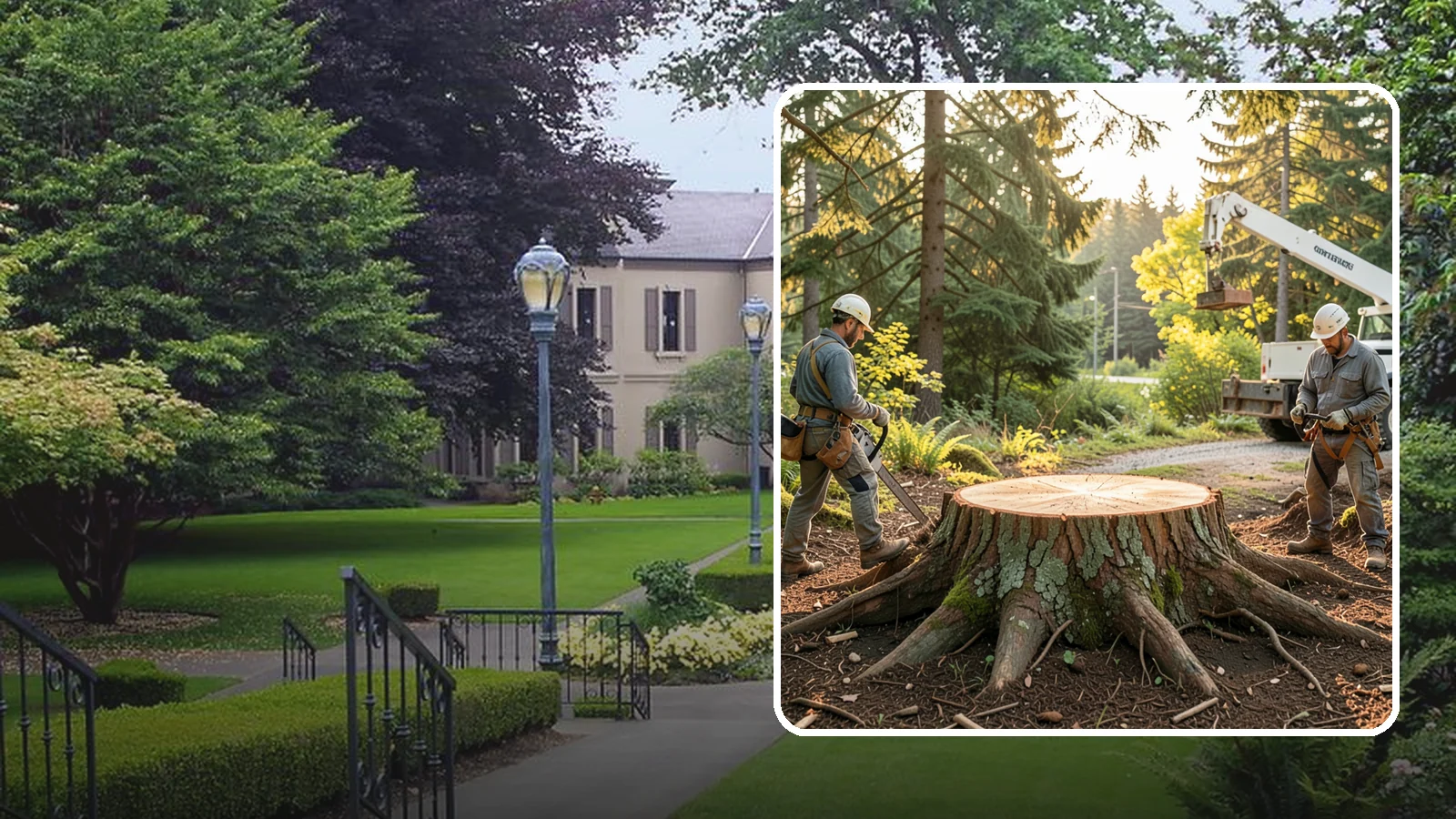
Woodinville Root Collar Excavation
The careful exposure of the root collar to relieve burial or girdling.
Root collar excavation is for owners of trees that sit too deep in the soil. Look for a trunk that goes straight into the ground with no flare at the base, mulch piled against the bark, or a tree that was planted years ago and never looked quite right.
The work uncovers the point where the trunk meets the main roots, so a person can see whether buried roots, girdling roots or decay are present. It suits recent plantings, older trees with soil or mulch added over time, and trees showing thin crowns or dieback with no clear cause.
About Root Collar Excavation in Woodinville
Root collar excavation is a specialized tree care practice designed to protect your trees from hidden underground stressors. This helpful intervention supports the long-term health of valued specimens by addressing issues like buried trunks or restrictive roots before they escalate into serious decline. We work with homeowners throughout our service area who want to preserve their landscape’s stability and beauty for years to come.
What Woodinville Root Collar Excavation Includes
This service involves carefully exposing the root collar to relieve burial caused by excess soil or damage from girdling roots. Our trained crews follow recognized arboricultural standards, tailoring every step of the excavation to match your specific tree species and site conditions. The goal is to improve soil and root access while ensuring no harm comes to the trunk during the repair process.
Woodinville Root Collar Excavation Process
We begin by inspecting each tree and its surrounding environment to identify contributing factors such as poor soils or past construction changes. Once issues are identified, we recommend and apply appropriate treatments that address pests, disease, or physical constraints on the root system. Throughout the project, we document our findings so you understand exactly what was found and how follow-up care will support recovery.
Equipment We Use for Woodinville Root Collar Excavation
Our crews utilize diagnostic tools and soil probes to assess conditions before making any changes to your landscape. Depending on access limitations and site needs, we may use air excavation equipment or specialized injection systems to treat the root zone gently. We also wear full personal protective gear at all times to ensure a safe environment for our team and your property.
Woodinville Root Collar Excavation Safety & Best Practices
Safety is central to every job, so we strictly follow label guidelines when applying any products near your plants and soil. Our methods are designed specifically to avoid damaging roots or the trunk while working in tight spaces or around delicate surrounding plantings. We take great care to protect your existing landscape by managing soft soils carefully during wetter periods of the year.
Signs You Need Root Collar Excavation in Woodinville
You may need this service if you notice signs that excess soil is burying part of your tree’s base or girdling roots are restricting growth. Other indicators include general decline from past construction, grade changes, compacted ground, or infections caused by pests and disease in the root zone. Catching these problems early helps extend the useful life of trees that might otherwise face unnecessary stress or loss.
What Affects the Cost of Root Collar Excavation in Woodinville
The investment for this work depends on factors like your tree’s species, soil compaction levels, and how difficult it is to access the site. Removing excess soil or untangling girdling roots without harming the trunk adds complexity that influences the final price. Because every landscape is unique, these variables ensure we provide a solution tailored specifically to your situation rather than a one-size-fits-all approach.
Best Time of Year for Woodinville Root Collar Excavation
While this service can be performed year-round in our region, wet seasons may require specialized equipment to handle soft soils effectively. During times of heavy rain, we take extra precautions to prevent further disturbance to compromised root systems while still addressing urgent needs. Planning your project with us allows us to choose the right timing that balances soil conditions with the health requirements of your specific trees.
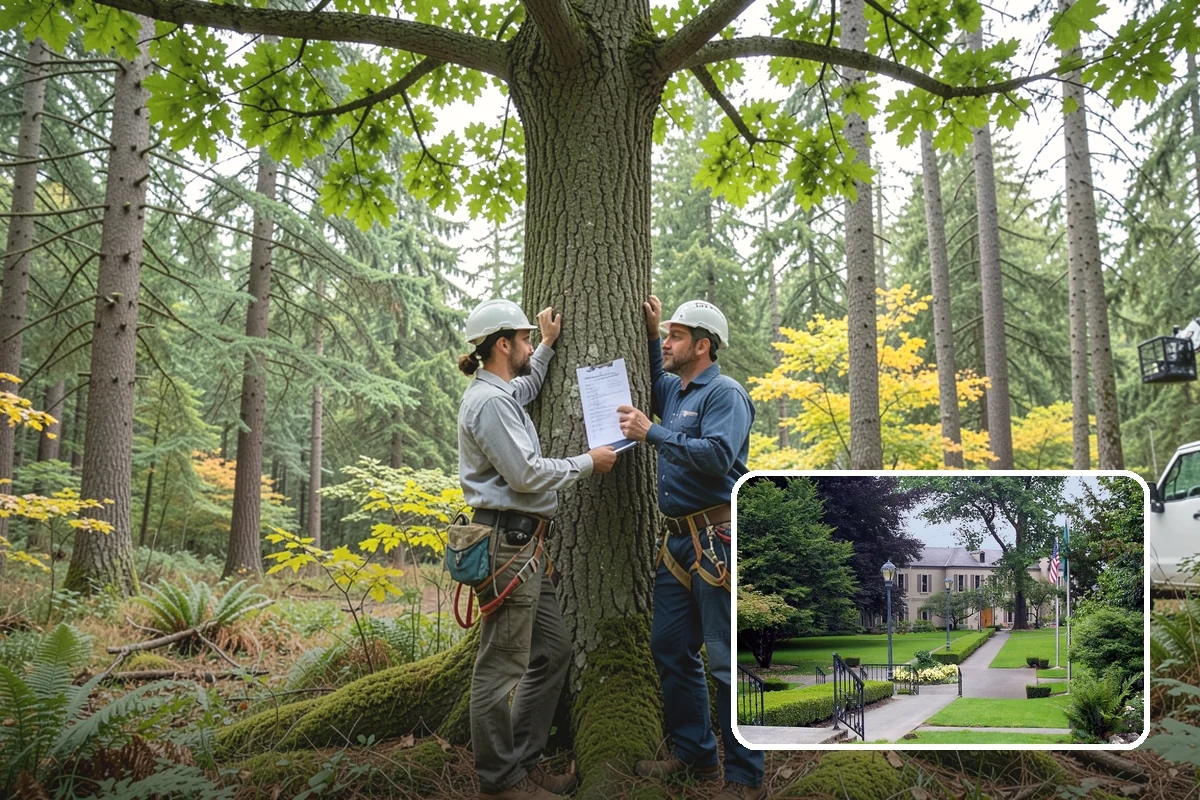
Root collar options for Woodinville yards and soils
Owners usually choose between three approaches. Each fits different conditions, and Woodinville soils and rain affect which one makes sense.
Pull back mulch and surface soil by hand
This is the lightest option. We remove mulch and loose soil near the trunk until the root flare shows. Hand tools or low-pressure air keep damage to roots small. It suits trees where the problem is mulch piled too high. Wood chip mulch itself is not the issue: Washington State University Extension (Linda Chalker-Scott) reports that it does not acidify soil or cause nitrogen deficiency. The trouble is depth against the bark. After the work, a thin layer pulled back from the trunk is standard practice.
Excavate deeper and assess the roots
When a tree was planted too deep or soil has been added over the years, we dig down to the true flare and look for circling or girdling roots. Where a root is wrapped around the trunk, it may be pruned if the tree can tolerate it. This is where local soil matters. The NRCS soil survey shows 55% of Woodinville's land has a hard or restrictive layer, such as glacial hardpan, within 40 inches of the surface, and Alderwood is the most common soil series. Water can sit above that layer, so a tree buried too deep may stay wet around the trunk. The survey covers the city broadly, not your lot, so what we find at the roots tells us more.
Leave it and monitor
If the tree has a visible flare and a full crown, excavation may not be needed. Watch it through the seasons instead.
Timing
Daymet data for 2005 to 2025 shows 80% of Woodinville's yearly rain and snow falls from October to April. Opened roots and a wet, saturated site are a poor mix, so many owners prefer the drier months for deeper digging. Hardiness zone 8b, with parts of the city at 8b to 9a per the USDA 2023 map, does not limit this work much.
Before any work, we check with the city if a rule might apply.
Woodinville tree conditions at a glance
| USDA hardiness zone | 8b (8b to 9a across the city) |
|---|---|
| Soils | 55% of land has hardpan or another restrictive layer within 40 in; most common series Alderwood |
| Rain and snow falling October to April | 80% of the year’s total |
| Days with 0.1 in or more of rain | 116 a year |
| Tree canopy | Among the most heavily treed Puget Sound cities (satellite data) |
| Days that freeze at night and thaw by day | 32 a year |
Tree health near Woodinville
Spongy moth (WSDA 2022): WSDA trap detection(s): 1 catch record(s) listed (per-trap counts not given).
- Decline, cause not identified819 ac
- Douglas-fir engraver36 ac
- Douglas-fir beetle19 ac
Forest damage mapped from the air within 10 km of Woodinville, 2021-2025 (USDA Forest Service and WA DNR). This covers forest land, not street or yard trees. “Decline, cause not identified” is dieback with no single cause found.
Sources: Daymet daily weather (NASA/ORNL), NOAA Storm Events, USDA plant hardiness map 2023, NRCS soil survey, USGS elevation, WA DNR landslide inventory, USDA Forest Service aerial survey, WSDA, city tree assessments and street-tree inventories, SILVIS Lab, Arbor Day Foundation, and official city and utility pages.
Root Collar Excavation Serving Woodinville
Woodinville
Also serving Woodinville
- Evergreen Pruning in Woodinvilleat Washington Landscaping
- Park Landscape Maintenance in Woodinvilleat Washington City Services