Where Safety Meets Expert Tree Service.

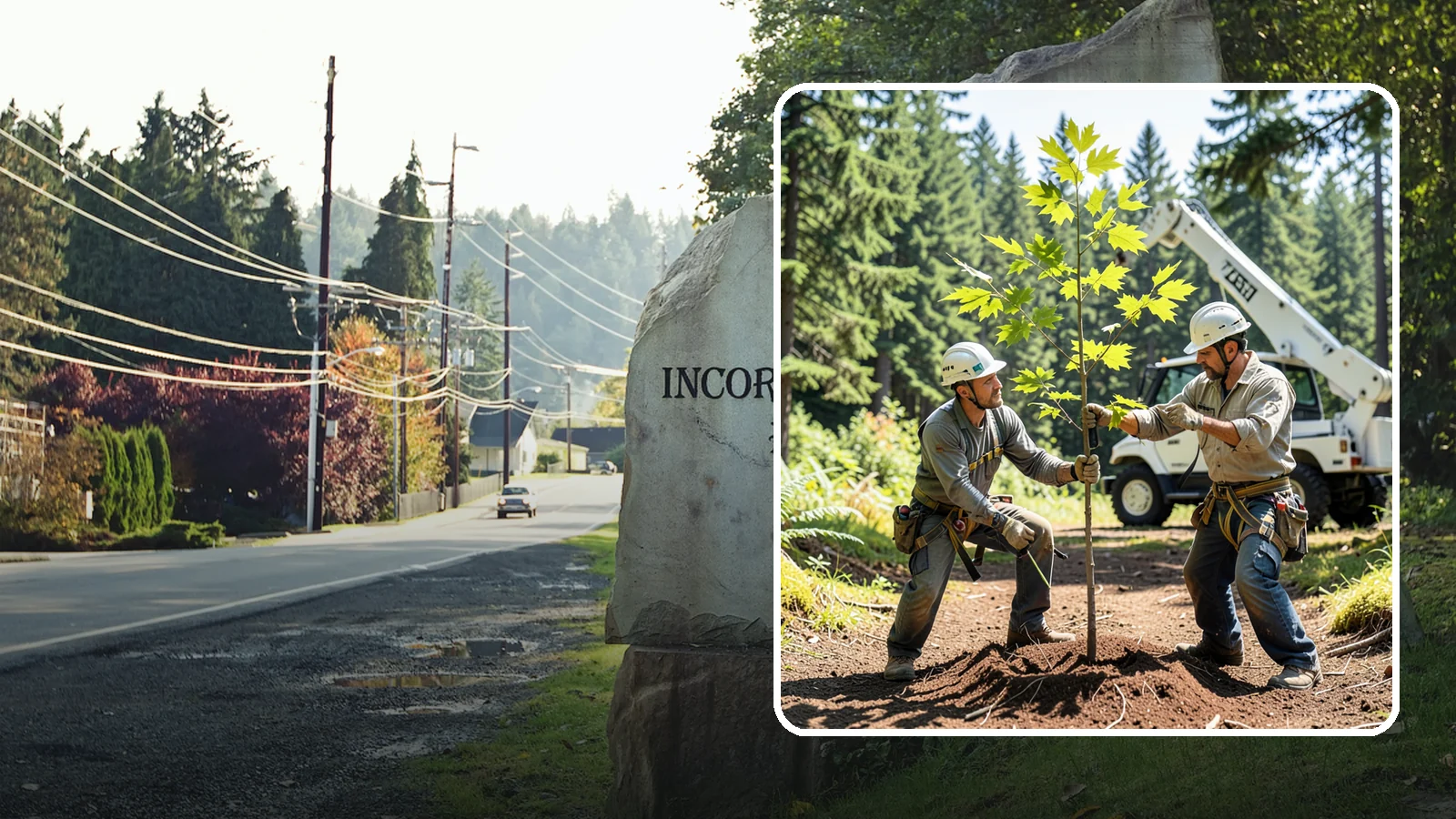
Wilkeson Young Tree Training
The early structural pruning of young trees.
Young tree training makes most sense in the first few years after planting, and the work itself fits well in the drier months, when you can see how the tree is growing. Wilkeson gets 79% of its yearly rain and snow from October to April, according to Daymet data for 2005 to 2025. That means the wet season is long, and fresh cuts and new growth spend much of the year in damp conditions.
Early training is light work. It sets one main leader, spaces the lower branches, and removes crossing or weak growth while the cuts are still small. A few small cuts now can reduce the need for large cuts later.
About Young Tree Training in Wilkeson
Young tree training helps establish a strong foundation for your newest additions by shaping their branches early on. This essential care supports long-term health and appearance while reducing future risks of branch failure. It is ideal for homeowners who want to ensure their trees grow into sturdy, well-formed specimens.
What Wilkeson Young Tree Training Includes
This service focuses on the early structural pruning needed to create strong, well-spaced branches and a sound central structure. Our trained crews match specific methods to your tree species, site conditions, and access requirements to achieve these goals safely. The work is designed to improve clearance, sightlines, and overall vigor without causing unnecessary stress to the plant.
Wilkeson Young Tree Training Process
We begin by assessing the canopy condition and defining clear pruning objectives for each individual tree. Crews then select precise cuts that fit the species and current season before making clean incisions at proper points. Afterward, we lower and process all cut material while thoroughly cleaning up the work area around your property.
Equipment We Use for Wilkeson Young Tree Training
Our teams utilize hand saws, pole saws, chainsaws, and climbing gear to reach every part of the canopy safely. When necessary, aerial lifts are deployed along with wood chippers for efficient debris management on site. All personnel wear personal protective equipment throughout the job to ensure everyone remains safe during operations.
Wilkeson Young Tree Training Safety & Best Practices
We follow recognized pruning standards that avoid harmful cuts while limiting removal to healthy amounts of live tissue. Technicians stay alert for overhead lines and unstable limbs, using fall protection whenever they work aloft. These precautions help prevent accidents and protect both your property and the structural integrity of the tree.
Signs You Need Young Tree Training in Wilkeson
You may need this service if you notice deadwood, weak unions, or branches interfering with nearby structures and power lines. Over-pruning from previous attempts or improper cuts that cause stress to the plant are also clear indicators for intervention. Addressing these issues early supports long-term vigor and prevents potential hazards before they become serious problems.
What Affects the Cost of Young Tree Training in Wilkeson
The investment varies based on tree species, site access conditions, and canopy complexity requiring precise cuts. Disposal needs for larger amounts of wood can also influence the final cost of the project. We work with you to find a solution that fits your budget while delivering high-quality structural training.
Best Time of Year for Wilkeson Young Tree Training
Work should be scheduled according to recognized arboricultural standards matched to seasonal sensitivities specific to each species in our region. Timing is critical because different trees react differently to pruning at various times of the year. We plan visits to align with these natural rhythms for the best results and minimal stress on your young trees.
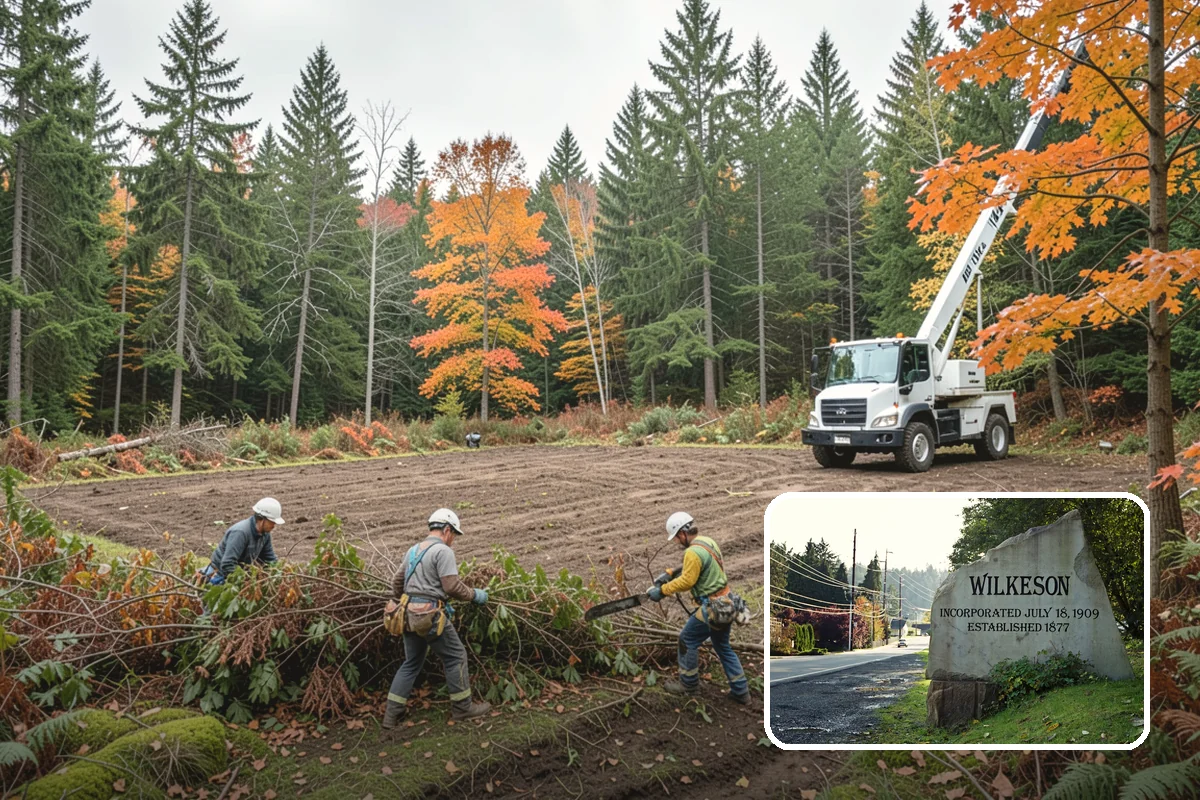
Planning young tree training in Wilkeson
Start by looking at the tree from a few steps back. Find the strongest upright leader. Look for branches that compete with it, rub against each other, or grow in tight, narrow angles. Those are the usual targets of structural pruning on a young tree.
What affects the scope
The scope depends on the species, the age of the tree, and how much has been left alone. A tree planted last year may need only a couple of small cuts. A tree with several years of unchecked growth may need work spread over more than one visit, so the tree is not stripped all at once.
Wilkeson sits in USDA hardiness zone 8b, according to the 2023 USDA map. That is a useful guide when choosing species, but it does not tell us how a specific tree is doing. We judge that from the tree itself.
Satellite canopy data from USFS/NLCD 2025 puts Wilkeson among the most heavily treed Puget Sound cities we compared. For a young tree, that often means shade and competition from larger neighbors. A sapling leaning toward light may need its form corrected earlier, and we look at that during the visit.
What to expect on the day
We walk the tree with you first and agree on what stays and what goes. Then the work is done with hand pruners, loppers or a hand saw, depending on branch size. We keep the cuts small and follow standard ISA and ANSI A300 practice. We do not top trees. If a city rule might apply to any part of the job, we check with the city before work starts.
Training is also about restraint. When limbing up lower branches, a WSU Extension Master Gardener column advises not removing branches higher than half the tree's visible height. Leaving enough foliage helps the trunk build strength.
One practical tip: take a photo of the tree each year from the same spot. It makes it easy to see whether the leader is staying dominant and when it is time for the next light visit.
Wilkeson tree conditions at a glance
| USDA hardiness zone | 8b |
|---|---|
| Rain and snow falling October to April | 79% of the year’s total |
| Tree canopy | Among the most heavily treed Puget Sound cities (satellite data) |
| Days that freeze at night and thaw by day | 43 a year |
| Electric utility | Puget Sound Energy (PSE) |
Trees near the power line to your house
Puget Sound Energy (PSE): Service line (wire from PSE pole to home or meter pole): PSE does not trim it; homeowner/private arborist trims.
PSE performs a safety disconnection so the homeowner or private tree trimmer/arborist can work; Call at least 5 business days ahead to check crew availability and potential charges.
Safety disconnect: 1-888-321-7779 (5+ business days ahead). Utility page.
Any fee for a disconnect is set by the utility.
Sources: Daymet daily weather (NASA/ORNL), NOAA Storm Events, USDA plant hardiness map 2023, NRCS soil survey, USGS elevation, WA DNR landslide inventory, USDA Forest Service aerial survey, WSDA, city tree assessments and street-tree inventories, SILVIS Lab, Arbor Day Foundation, and official city and utility pages.
Young Tree Training Serving Wilkeson
Wilkeson
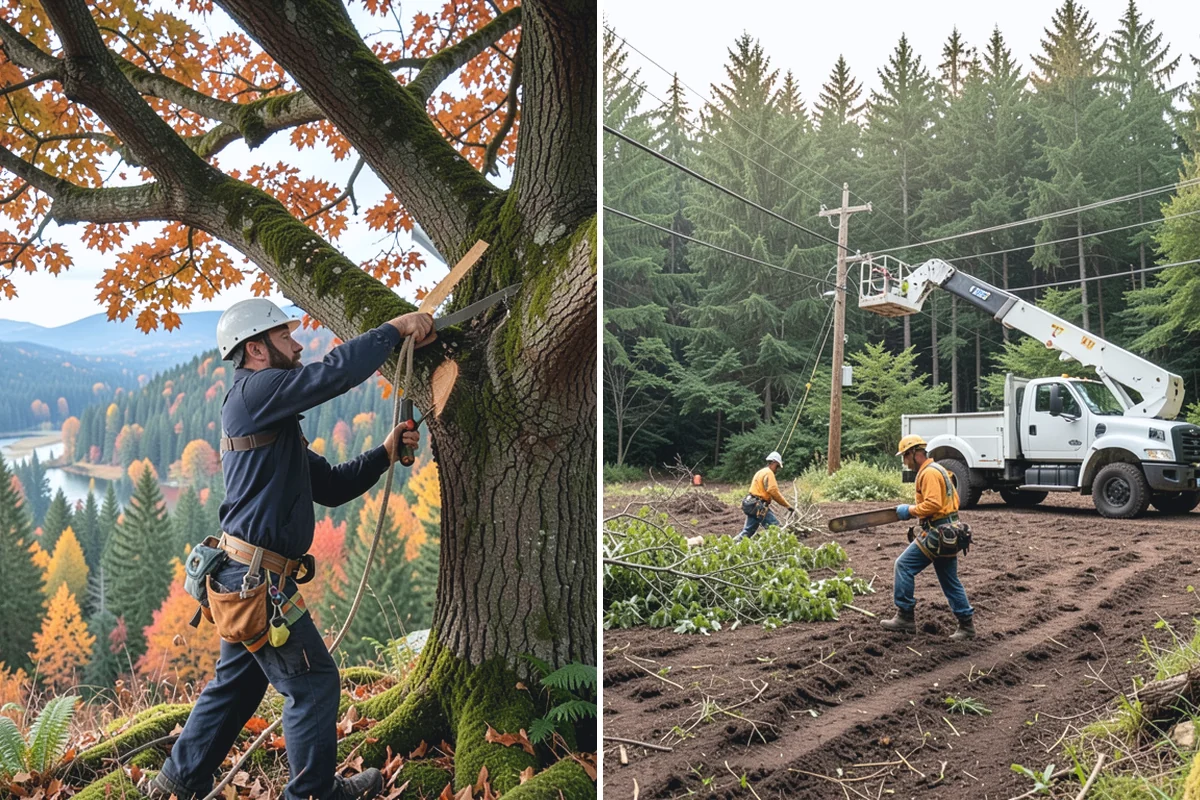
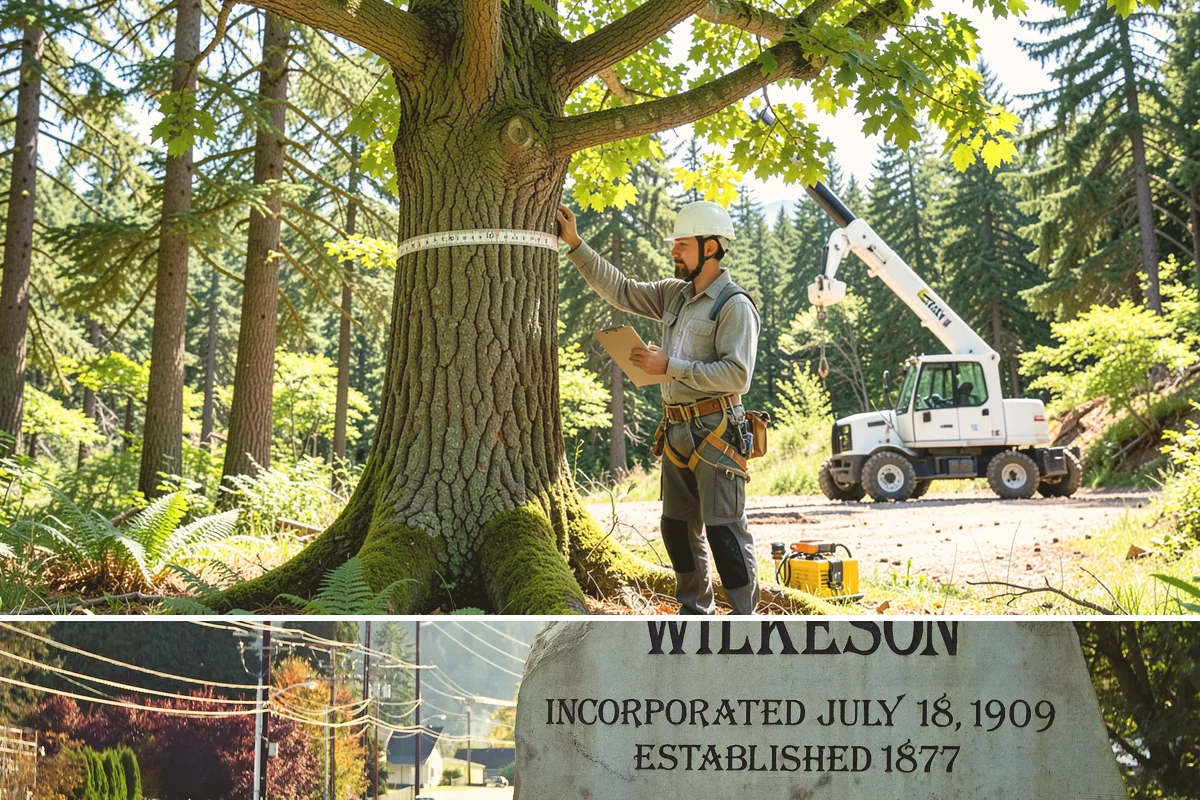
Young tree training in nearby areas
Also serving Wilkeson
- Fig Tree Pruning in Wilkesonat Washington Landscaping
- Roof Sealing in Wilkesonat Washington Roofing
- Tree Watering in Wilkesonat Washington City Services