Where Safety Meets Expert Tree Service.


Wilkeson Weight Reduction Pruning
The reduction of weight on long or heavy limbs.
Is weight reduction pruning right for a tree with heavy, overextended limbs? Often it is. The work removes selected live branches, mostly at the ends, so the limbs carry less leverage and less sail area. It does not mean cutting the tree down to a smaller shape.
In Wilkeson, the goal is a lighter load when wind, wet snow or ice hits the crown. Start by looking for long limbs that reach out over a roof, driveway or power line, and for crowns that look dense on one side.
About Weight Reduction Pruning in Wilkeson
Weight reduction pruning helps homeowners manage trees that have long or heavy limbs at risk of failure. Our trained crews work alongside your property to relieve stress on these branches while improving the overall health and appearance of your landscape. This service is designed for any home where tree structure needs careful attention to ensure safety and stability.
What Wilkeson Weight Reduction Pruning Includes
This pruning method focuses specifically on reducing weight from heavy limbs that might otherwise break under their own mass or during storms. We match our techniques to the specific species of your trees, site conditions, and access points around your property. The goal is always to maintain a strong structure without over-pruning healthy tissue.
Wilkeson Weight Reduction Pruning Process
Our team begins by assessing the canopy condition and defining clear pruning objectives for each tree on your lot. Selecting the correct cuts based on seasonal needs ensures clean removals that do not harm the tree’s natural growth patterns. After making these precise cuts, we lower the material carefully and process it before cleaning up the entire work area.
Equipment We Use for Wilkeson Weight Reduction Pruning
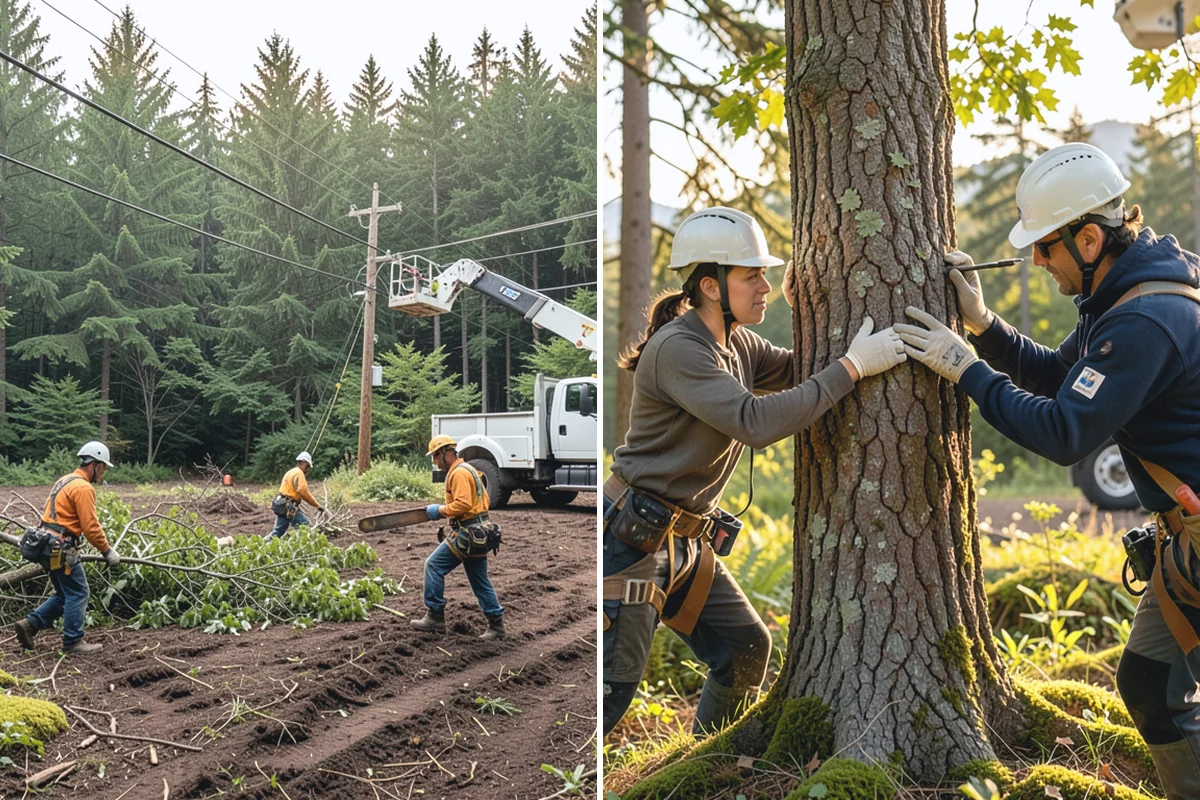
We utilize a range of tools including hand saws, pole saws, chainsaws, and wood chippers to handle branches of various sizes. For trees that are difficult to reach or located in tight spaces, our crews bring climbing gear, rigging equipment, or an aerial lift as needed. All personnel wear personal protective equipment throughout the job to ensure a safe environment for everyone involved.
Wilkeson Weight Reduction Pruning Safety & Best Practices
We strictly follow recognized pruning standards to avoid making harmful cuts that could stress your trees further. Our crew watches closely for overhead power lines and unstable limbs before beginning any work on tall branches. When working aloft, every team member uses proper fall protection measures to prevent accidents during the removal process.
Signs You Need Weight Reduction Pruning in Wilkeson
You may need this service if you notice deadwood or weak unions that could lead to dangerous branch failure in your yard. Overhanging limbs interfering with structures or blocking sightlines are also strong indicators that weight reduction is necessary. Additionally, species-specific timing sensitivities suggest consulting a professional before attempting DIY cuts on sensitive trees.
What Affects the Cost of Weight Reduction Pruning in Wilkeson
The final price depends heavily on the length and total weight of the limbs being removed from your property. Site access requirements play a major role, especially if we need to use an aerial lift or navigate difficult terrain around your home. We also consider the volume of material that must be processed through chipping or hauled away after completion.
Best Time of Year for Wilkeson Weight Reduction Pruning
Scheduling work during dormant seasons helps avoid interfering with local flowering and fruiting cycles specific to Washington state tree species. It is equally important to wait until conditions are dry, as wet weather increases safety risks when handling heavy limbs near your home. Planning ahead ensures the best results for both the health of your trees and the safety of our crew.
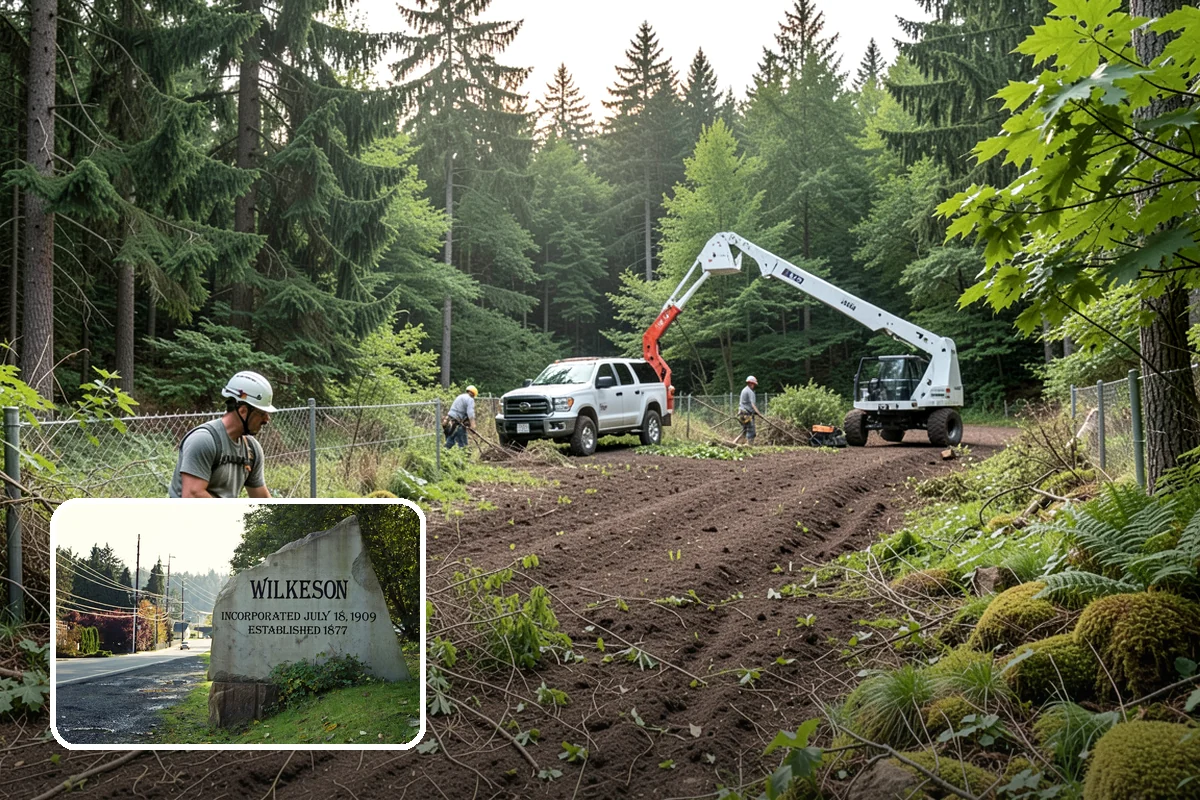
Weight reduction pruning in Wilkeson: when wind and ice matter
Weight reduction pruning is about the structure of the crown. Standard practice, such as ISA and ANSI A300 guidance, is to make small cuts back to a branch or lateral that can take over the role of the removed part. It avoids stubs and avoids stripping the inside of the limbs. No pruning can promise a tree will not fail, but reducing end weight can lower the strain on a limb.
Why wind figures matter here
Wind records are for the forecast zone that includes Wilkeson, not for a single yard. In that zone, the strongest gust recorded since 2005 was 72 mph, on December 17, 2010. That is a useful reminder that a large crown with long, heavy limbs can catch a lot of force in a winter storm. If a tree has one dominant side or a long limb over a structure, reducing that weight is worth discussing.
Ice and snow loading
The same forecast zone had 3 ice storm episodes between 2005 and 2025. Ice adds weight to every twig and branch, so limbs already reaching far out carry more than usual. Average snowfall in Wilkeson is about 10.4 in per season, though snow records near the city are limited, so treat that as a rough guide. Wet snow can still add load on top of the ice.
What we look at on the job
An ISA Certified Arborist assesses the tree before any cuts are made. We check for:
- Long limbs with most of their foliage at the tips
- Co-dominant stems or tight, bark-included unions
- Dead, cracked or decayed wood
- Branches over roofs, driveways, or lines
Some trees need only light thinning at the ends. Others are better served by removing a single problem limb. If a tree looks too decayed for pruning to help, we will say so. Free estimates are available at 425-484-4442, by call or text.
Wilkeson tree conditions at a glance
| USDA hardiness zone | 8b |
|---|---|
| Rain and snow falling October to April | 79% of the year’s total |
| Tree canopy | Among the most heavily treed Puget Sound cities (satellite data) |
| Days that freeze at night and thaw by day | 43 a year |
| Electric utility | Puget Sound Energy (PSE) |
Trees near the power line to your house
Puget Sound Energy (PSE): Service line (wire from PSE pole to home or meter pole): PSE does not trim it; homeowner/private arborist trims.
PSE performs a safety disconnection so the homeowner or private tree trimmer/arborist can work; Call at least 5 business days ahead to check crew availability and potential charges.
Safety disconnect: 1-888-321-7779 (5+ business days ahead). Utility page.
Any fee for a disconnect is set by the utility.
Sources: Daymet daily weather (NASA/ORNL), NOAA Storm Events, USDA plant hardiness map 2023, NRCS soil survey, USGS elevation, WA DNR landslide inventory, USDA Forest Service aerial survey, WSDA, city tree assessments and street-tree inventories, SILVIS Lab, Arbor Day Foundation, and official city and utility pages.
Weight Reduction Pruning Serving Wilkeson
Wilkeson
Weight reduction pruning in nearby areas
Also serving Wilkeson
- Willow Pruning in Wilkesonat Washington Landscaping
- Commercial Roof Maintenance Program in Wilkesonat Washington Roofing
- Tree Mulching in Wilkesonat Washington City Services