Where Safety Meets Expert Tree Service.

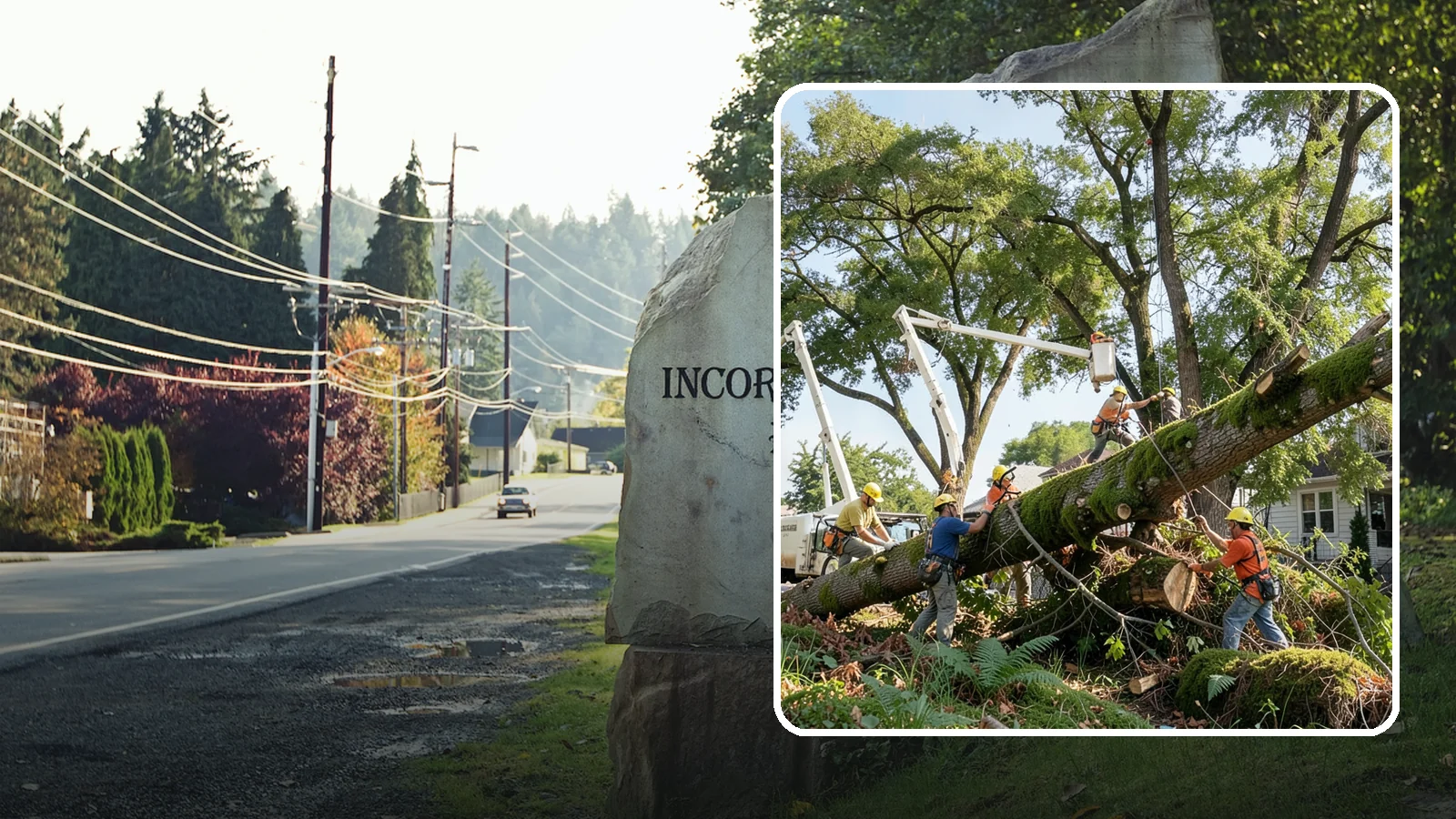
Wilkeson Leaning Tree Removal
The removal of trees with a pronounced or unstable lean.
Wilkeson has a lot of steep ground compared with other Puget Sound cities, according to USGS elevation data. If a tree leans on a slope, the first thing to work out is which way it leans relative to the grade, and what sits downhill from it.
Note when the lean started. A tree that has always grown at an angle is a different case from one that tilted recently. Look for soil heaving or cracks on the uphill side, exposed roots, and fresh gaps around the trunk base. Photos taken from two sides help a lot when you ask for an assessment.
About Leaning Tree Removal in Wilkeson
We help homeowners manage trees that have developed a dangerous lean toward your home or other property features. Our trained crews are ready to safely remove these unstable specimens using methods matched to your specific site conditions. This service restores peace of mind by eliminating immediate safety hazards from your yard.
What Wilkeson Leaning Tree Removal Includes
Leaning tree removal focuses on taking down trees with pronounced or unstable leans that pose a risk of falling. The work includes removing the entire stem and limbs in a controlled sequence while protecting nearby structures, utilities, and landscaping. We also process the wood and clear all debris to leave your property clean after the job is done.
Wilkeson Leaning Tree Removal Process
Our team begins by assessing the tree for decay and establishing safe drop zones around your home. Once safety perimeters are set, we rig the limbs or fell the stem carefully using recognized arboricultural standards. The final steps involve hauling away branches and roots to ensure a tidy site without leaving behind hidden dangers.
Equipment We Use for Wilkeson Leaning Tree Removal
We use chainsaws and climbing gear to navigate trees with difficult access points while maintaining control over their fall path. A wood chipper processes the cut material on-site, and we may bring an aerial lift or crane if equipment cannot reach from the ground. All crew members wear personal protective equipment to ensure safety throughout the removal process.
Wilkeson Leaning Tree Removal Safety & Best Practices
Safety is our priority as we maintain clear drop zones and monitor for unstable soil that could shift during wet weather. We always identify overhead utility lines before starting work to prevent electrical hazards or damage to power infrastructure. Coordinated ground communication and fall protection measures are used at every step to keep everyone safe on the job site.
Signs You Need Leaning Tree Removal in Wilkeson
You may need this service if your tree shows visible signs of root failure, trunk cracks, or a sudden increase in lean toward a target. This work is also necessary when hidden internal decay weakens the structure enough that it threatens nearby buildings or fences. If you notice unpredictable load distribution or limited access making manual removal unsafe, our team can evaluate the situation for you.
What Affects the Cost of Leaning Tree Removal in Wilkeson
The price of this service depends on factors like proximity to power lines and structures which require extra caution during the fall. Hidden internal decay often changes how we must rig the tree, influencing both time and equipment needs. Limited space for machinery or an unpredictable lean distribution will also affect the overall cost of removing your leaning tree.
Best Time of Year for Wilkeson Leaning Tree Removal
This service can be performed year-round in our local climate to address hazards as they appear on your property. However, extra caution is required during wet seasons when saturated soil might cause unstable leans to shift unexpectedly before removal. We plan around these conditions to ensure a safe and successful outcome for every job we undertake.
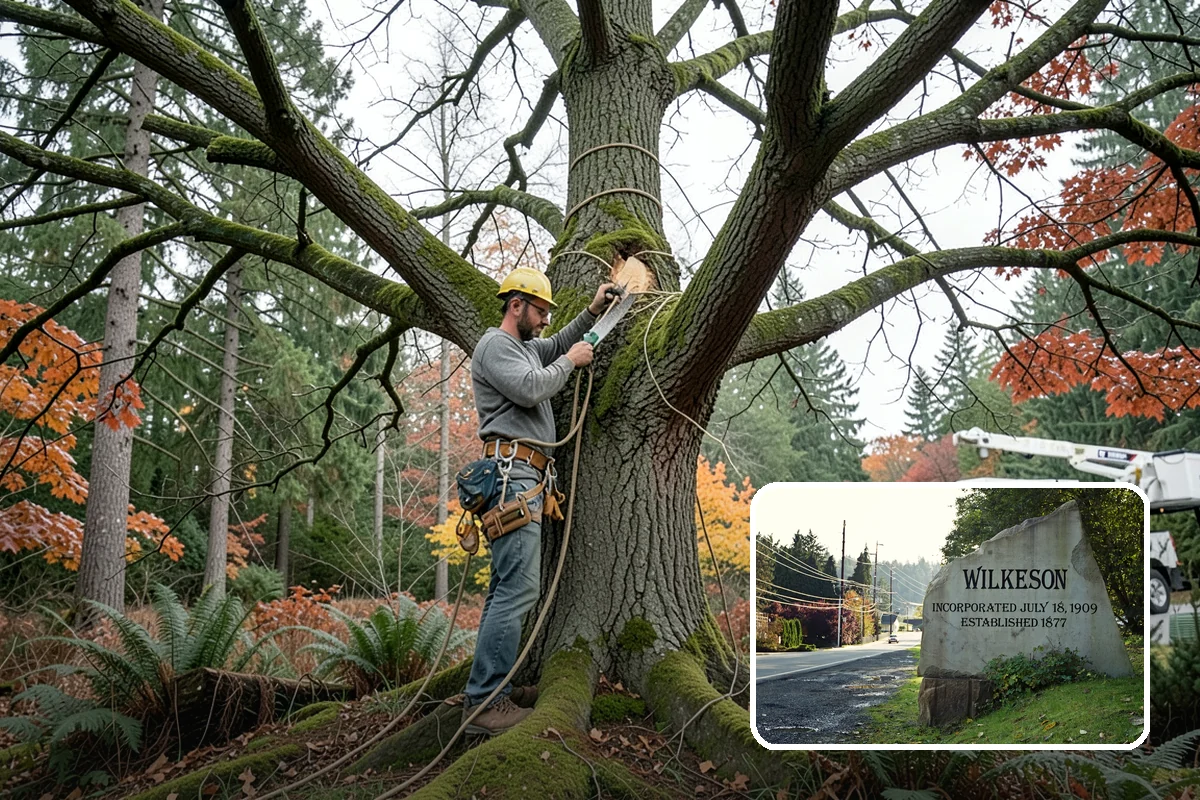
How leaning tree removal works in Wilkeson
A leaning tree is not always a failing tree. Removal makes sense when the lean is new, when the roots are lifting, or when the trunk points toward a house, driveway, or power line. An ISA Certified Arborist on our staff can tell you which case you have, and the free estimate includes that look.
The steps
- Assess the lean, the root plate, and the target zone below the tree.
- Plan the fall direction or, more often on a slope, a sectional takedown.
- Cut the tree down in controlled pieces, lowering heavy sections with rigging where needed.
- Clear the debris, and cut or grind the stump if you want it gone.
Why the ground matters here
The NRCS soil survey says 37% of Wilkeson's land has a hard or restrictive layer, such as glacial hardpan, within 40 inches of the surface. Roots that hit a layer like that tend to spread sideways instead of going deep. That can leave a tree with a shallow anchor, which is worth knowing when you judge a lean. The same survey lists 61% of the land as well drained and 0% as poorly drained. That is a survey-wide figure, not a reading of your lot, so we look at the soil at the base of the tree itself.
Steep ground changes the work. A tree that leans downhill may be cut in sections instead of felled whole. Footing, rigging points, and where the pieces can land all need planning before a saw starts.
Permits and what comes after
The tree rules we found for Wilkeson don't clearly say which removals need city approval. So we check with the city before work starts, and we suggest you don't cut anything until that is settled.
If the lean came from a storm and you have other trees nearby, plan for them too. WA DNR's Tree Link notes that storm-damaged trees often need multiple pruning cycles to recover. Call or text 425-484-4442 to set up an estimate.
Wilkeson tree conditions at a glance
| USDA hardiness zone | 8b |
|---|---|
| Tree canopy | Among the most heavily treed Puget Sound cities (satellite data) |
| Slopes | More steep ground than most Puget Sound cities |
| Soils | 37% of land has hardpan or another restrictive layer within 40 in; most common series Indianola; 61% well drained |
| High and strong wind episodes, 2005-2025 | 40 in the forecast zone |
| Electric utility | Puget Sound Energy (PSE) |
Tree removal rules in Wilkeson
Wilkeson’s published rules don’t spell out clearly which removals need city approval. We check with the city before work starts.
Trees near the power line to your house
Puget Sound Energy (PSE): Service line (wire from PSE pole to home or meter pole): PSE does not trim it; homeowner/private arborist trims.
PSE performs a safety disconnection so the homeowner or private tree trimmer/arborist can work; Call at least 5 business days ahead to check crew availability and potential charges.
Safety disconnect: 1-888-321-7779 (5+ business days ahead). Utility page.
Any fee for a disconnect is set by the utility.
Strongest wind events near Wilkeson
- Dec 17, 2010: gusts to 72 mph
- Feb 1, 2017: gusts to 70 mph
- Feb 7, 2012: gusts to 70 mph
NOAA Storm Events, forecast zone that includes Wilkeson, 2005-2025.
Sources: Daymet daily weather (NASA/ORNL), NOAA Storm Events, USDA plant hardiness map 2023, NRCS soil survey, USGS elevation, WA DNR landslide inventory, USDA Forest Service aerial survey, WSDA, city tree assessments and street-tree inventories, SILVIS Lab, Arbor Day Foundation, and official city and utility pages.
Leaning Tree Removal Serving Wilkeson
Wilkeson
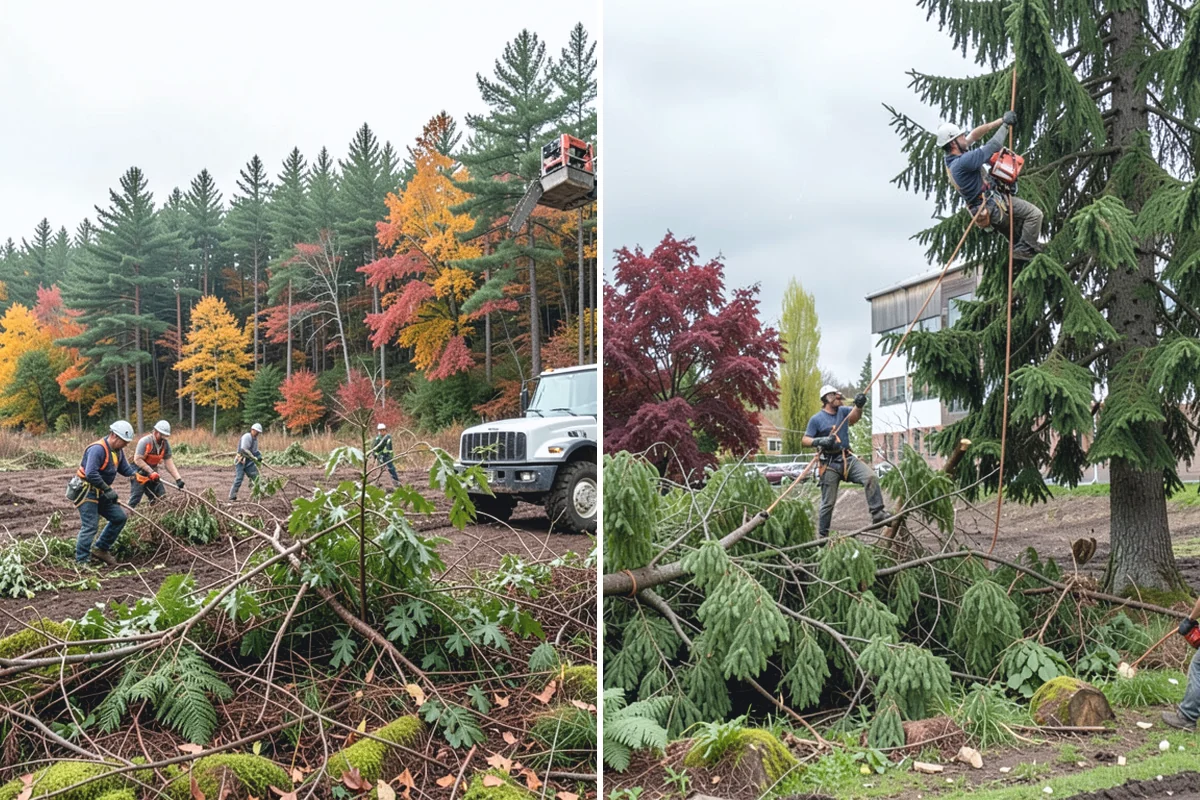
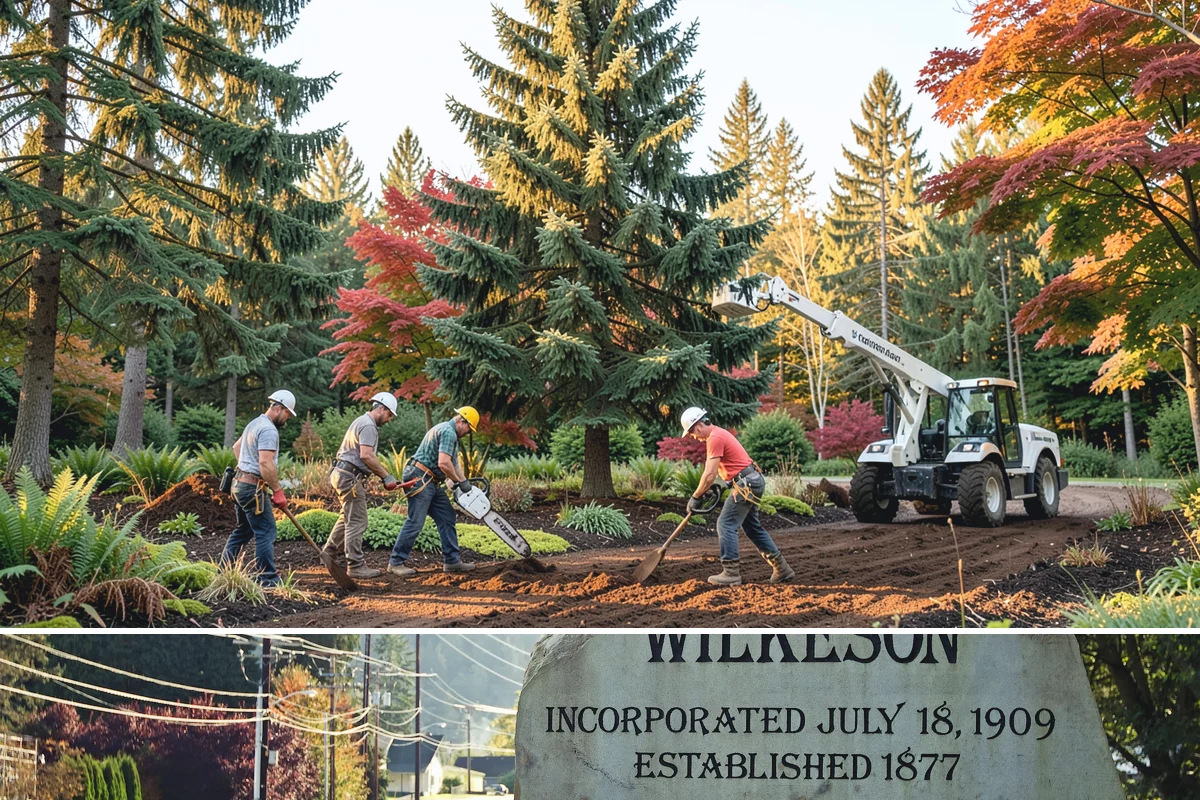
Leaning tree removal in nearby areas
Also serving Wilkeson
- Garden Bed Installation in Wilkesonat Washington Landscaping
- Utility Line Clearance in Wilkesonat Washington City Services
- On-Site Firewood Milling in Wilkesonat Washington Firewood