Where Safety Meets Expert Tree Service.

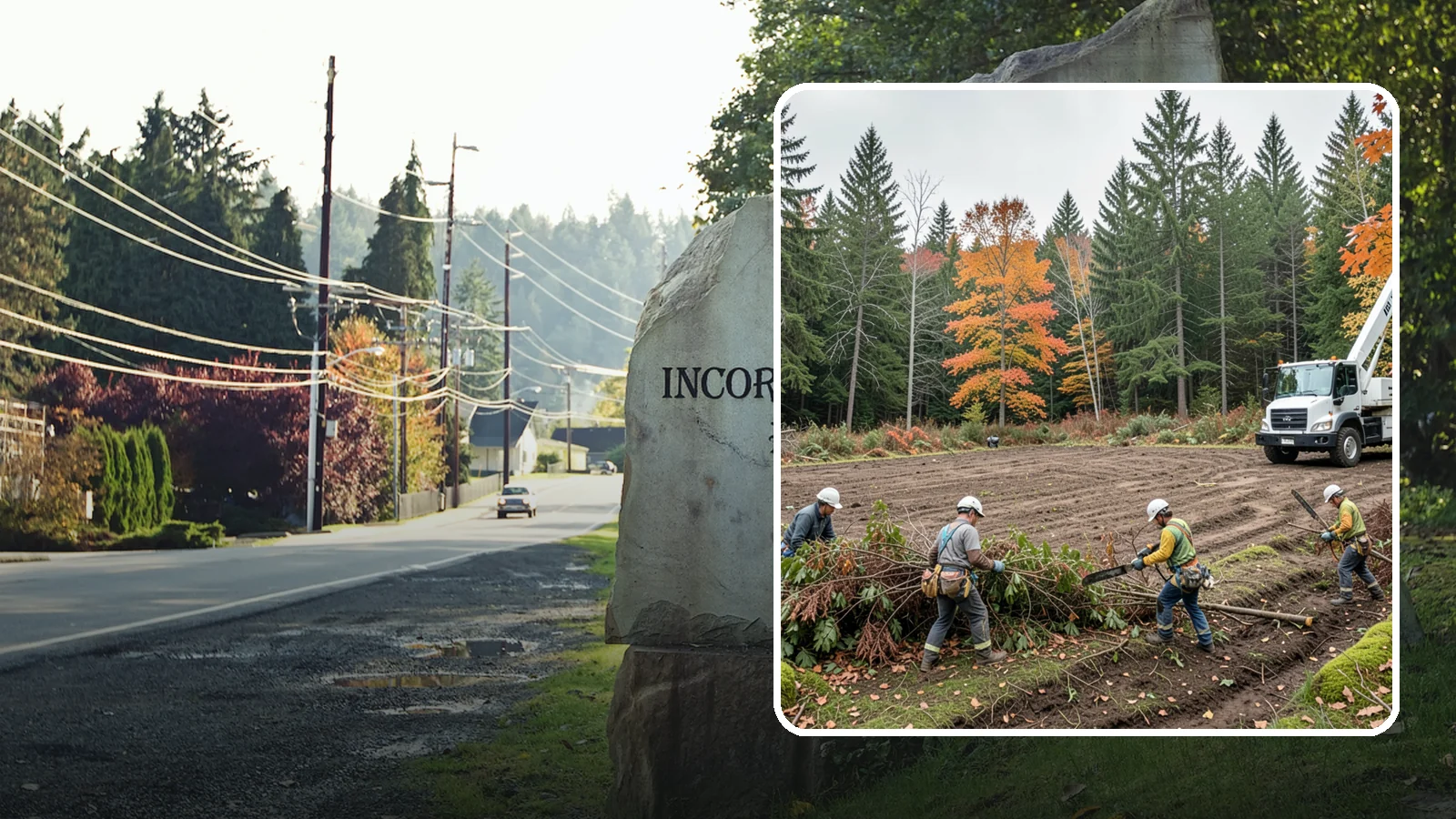
Wilkeson Invasive Vegetation Removal
The removal of invasive plant species.
Plan invasive vegetation removal for the drier months, but start the planning in late winter. In Wilkeson, about 79% of the year's rain and snow falls from October to April, according to Daymet data for 2005 to 2025. Wet ground is easy to dig in, yet it is also easy to rut and compact.
Late winter is a good time to walk the property, mark what you think is invasive, and take photos. Then the work can be scheduled for when soil is firmer and roots can be pulled or cut with less damage to what you want to keep.
About Invasive Vegetation Removal in Wilkeson
We help homeowners manage overgrown areas by safely removing invasive plant species that threaten your property’s health. Our team is dedicated to restoring site conditions so you can enjoy a safer and more usable outdoor space. This service supports native vegetation while addressing common issues like dense, thorny growth or fire hazards.
What Wilkeson Invasive Vegetation Removal Includes
Invasive vegetation removal focuses on clearing unwanted plants to protect existing trees and improve overall land quality. We use methods tailored to your specific site conditions, ensuring that retained features remain safe during the process. The goal is to eliminate invasive species while preparing your land for its intended future use.
Wilkeson Invasive Vegetation Removal Process
Our trained crews begin by assessing your property and marking important features they need to protect throughout the job. Vegetation is cleared in a planned sequence using appropriate techniques matched to each tree species and access point. After clearing, we process materials, tidy the area as needed, and responsibly dispose of all debris left behind.
Equipment We Use for Wilkeson Invasive Vegetation Removal
To handle various growth types effectively, our crews utilize brush cutters, chainsaws, chippers, and hauling equipment alongside hand tools. We also wear full personal protective gear to ensure everyone stays safe while working around uneven terrain or hidden obstacles. The right combination of machinery allows us to tackle even the densest patches without damaging your retained trees.
Wilkeson Invasive Vegetation Removal Safety & Best Practices
Safety is a priority as we identify property lines, utilities, and features that must be kept intact during clearing operations. Our team carefully manages debris piles to prevent hazards while watching for uneven ground or wet spots on steep sites. We take extra care to protect the root zones of any healthy trees you want to keep standing after the work is done.
Signs You Need Invasive Vegetation Removal in Wilkeson
You may need this service if your site has dense, thorny growth that limits access and makes outdoor activities difficult. Signs include invasive species continuing to regrow despite previous attempts or vegetation creating a fuel load that increases fire risk. If uneven terrain or wet conditions are making parts of your yard unusable, clearing these areas can restore their function.
What Affects the Cost of Invasive Vegetation Removal in Wilkeson
The price for this work depends on factors like how dense the vegetation is and whether it has thorny characteristics that slow down removal. Uneven or difficult-to-access terrain will also influence the cost, as will our commitment to responsibly disposing of all debris generated during the project. These variables ensure we provide a fair quote based strictly on your specific site conditions rather than fixed rates.
Best Time of Year for Wilkeson Invasive Vegetation Removal
While work can generally proceed year-round in Puget Sound weather, heavy rain may delay projects involving wet or steep sites where safety is paramount. We plan our schedules to accommodate these natural conditions and avoid starting when the ground is too saturated for safe operation. This flexibility allows us to get your land cleared whenever it fits best with your needs while maintaining high safety standards.
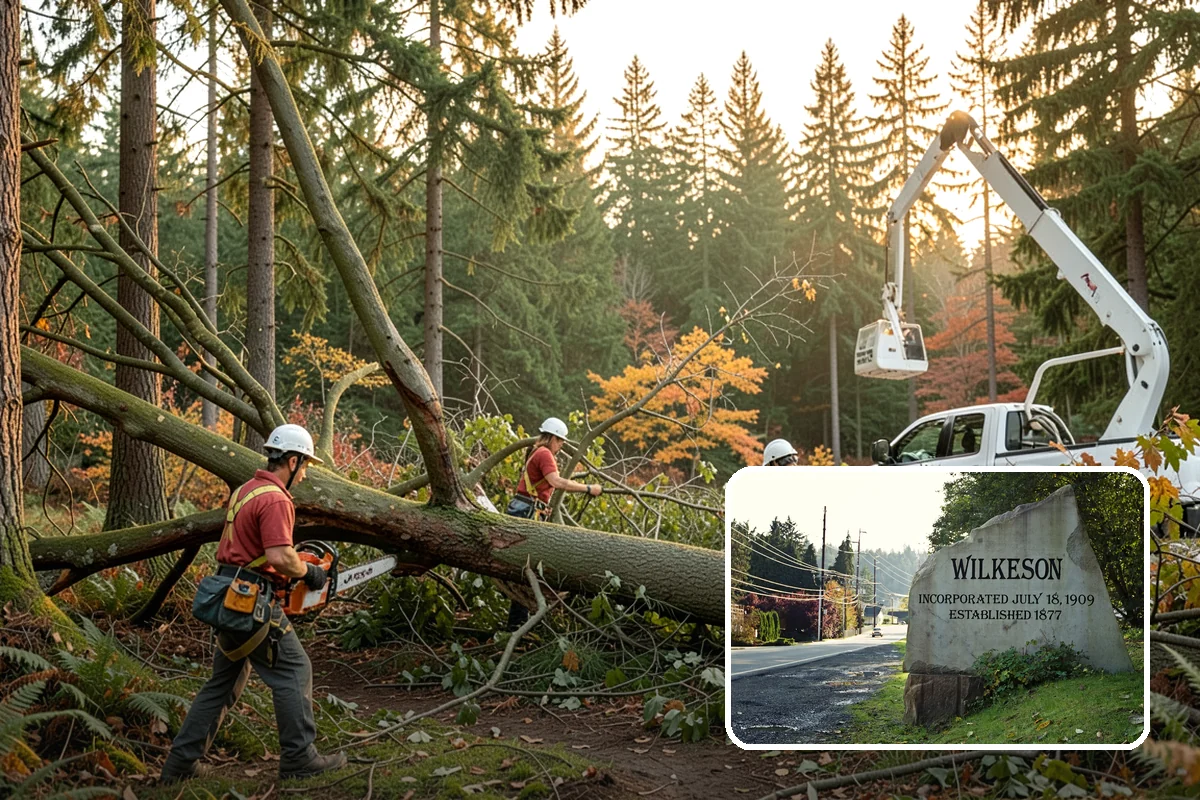
Planning invasive vegetation removal in Wilkeson
Good removal starts with identification. Ivy, blackberry, and similar climbers and thickets are not all handled the same way. Some need roots dug out. Some need cutting and repeat follow-up. Some are climbing a tree and must be cut at the base so the vine dies back in place instead of being pulled down through the branches.
What affects scope
Size of the infestation matters most. A small patch along a fence is a different job from vines that have reached the crown of a tree. Slope, access for hauling debris, and how close the plants are to trees you want to keep also change the work.
Tree cover is another factor. A satellite-based dataset shows about 51% of Wilkeson's land under dense tree cover, meaning 50% canopy or more. That is a figure for the whole town, not for your lot. But it is a reminder that invasive plants here often grow in and around established trees, so careful work near trunks and roots is part of the job.
If removal involves cutting down a tree, rules may apply. The published Wilkeson rules we found don't clearly spell out which removals need city approval, so we check with the city before work starts.
What to expect on the day
We walk the area with you first and confirm what is being removed and what stays. Vines are cut at the base, and roots are dug or cut as the plant requires. Material is bagged or hauled off, not left in piles, since many invasive plants can regrow from fragments. Our ISA Certified Arborist can advise on any tree that has been loaded with vines. Free estimates are available at 425-484-4442.
One practical tip: after removal, plan to check the site every few weeks through the growing season. Regrowth is common, and pulling small shoots early is much easier than redoing the whole job.
Wilkeson tree conditions at a glance
| Homes in the wildland-urban interface | 100% |
|---|---|
| Land under dense tree cover (50%+ canopy) | 51% |
| Slopes | More steep ground than most Puget Sound cities |
| Rain and snow falling October to April | 79% of the year’s total |
Tree removal rules in Wilkeson
Wilkeson’s published rules don’t spell out clearly which removals need city approval. We check with the city before work starts.
Tree health near Wilkeson
- Bears6,697 ac
- Decline, cause not identified907 ac
- Douglas-fir engraver894 ac
Forest damage mapped from the air within 10 km of Wilkeson, 2021-2025 (USDA Forest Service and WA DNR). This covers forest land, not street or yard trees. “Decline, cause not identified” is dieback with no single cause found.
Sources: Daymet daily weather (NASA/ORNL), NOAA Storm Events, USDA plant hardiness map 2023, NRCS soil survey, USGS elevation, WA DNR landslide inventory, USDA Forest Service aerial survey, WSDA, city tree assessments and street-tree inventories, SILVIS Lab, Arbor Day Foundation, and official city and utility pages.
Invasive Vegetation Removal Serving Wilkeson
Wilkeson
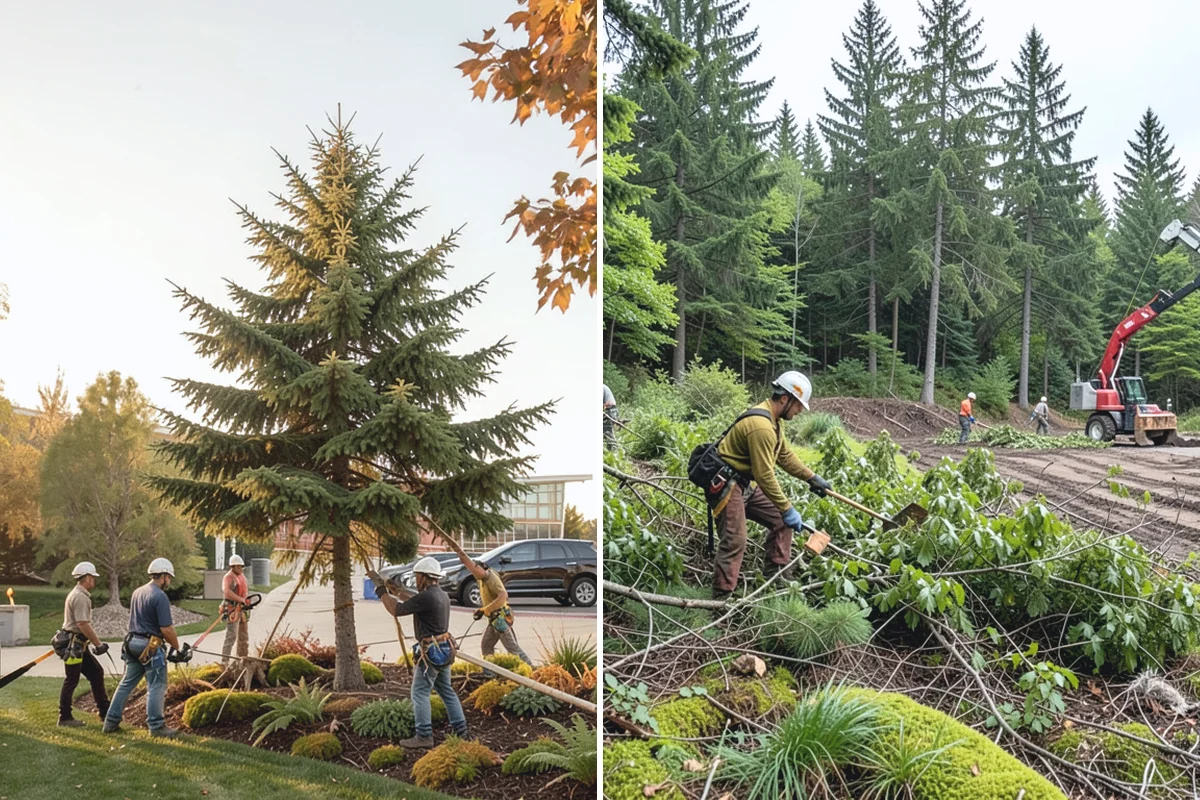

Invasive vegetation removal in nearby areas
Also serving Wilkeson
- Bamboo Removal in Wilkesonat Washington Landscaping
- Selective Demolition in Wilkesonat Washington Construction
- Bare Ground Vegetation Control in Wilkesonat Washington City Services
- Tree Removal for Firewood in Wilkesonat Washington Firewood