Where Safety Meets Expert Tree Service.

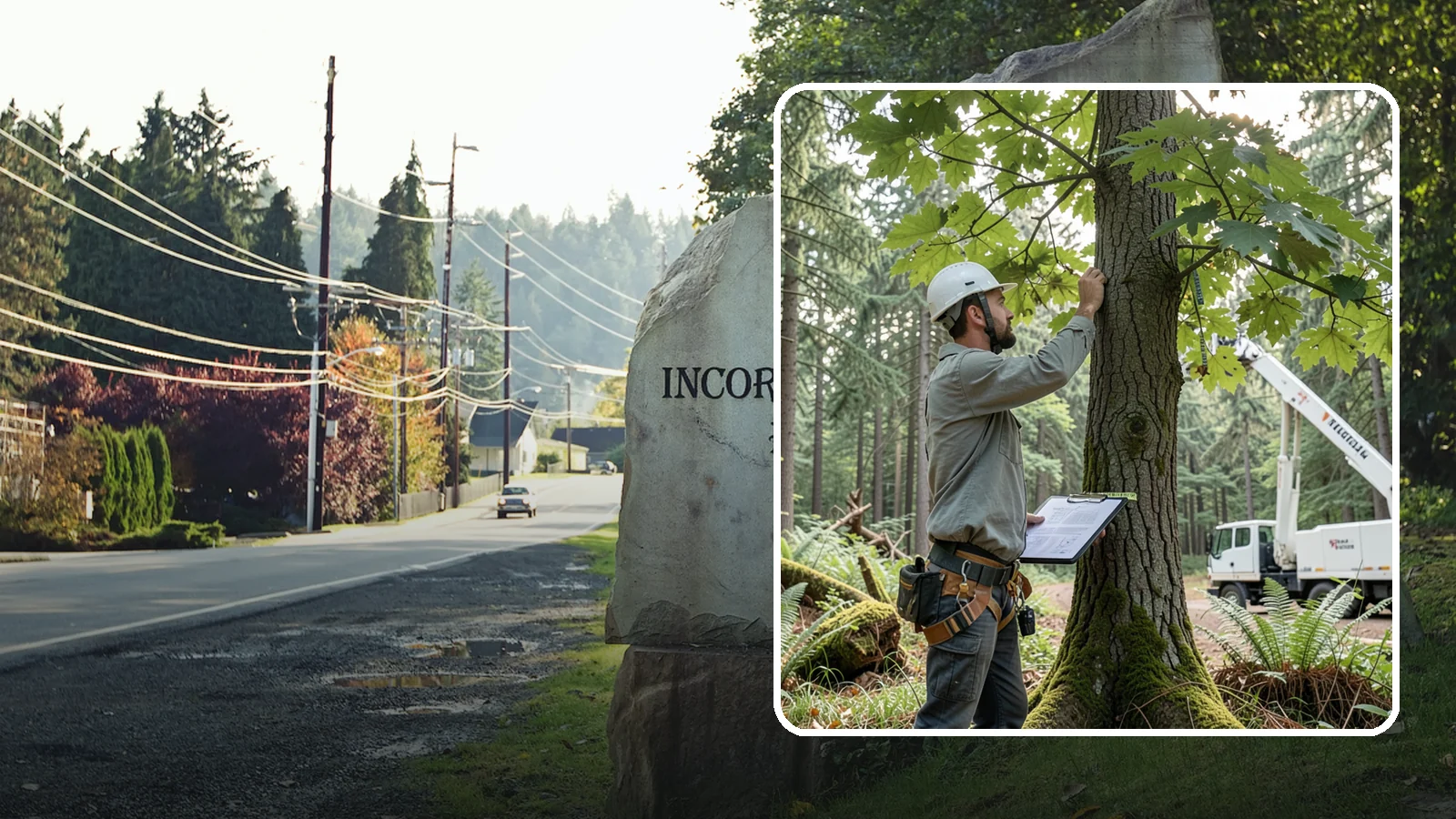
Wilkeson Insurance Claim Documentation
The documentation of tree damage for insurance claims.
This service is for Wilkeson owners whose tree has dropped limbs on a roof, fence, shed or vehicle, or has fallen across a driveway or yard after a storm. It also fits owners who need a written record of tree damage before they talk with an insurance adjuster.
Good documentation shows what happened, which tree was involved, and what work is needed. Photos taken before anything is moved help most. Stay clear of leaning trees and hanging limbs, and call us to look at the site.
About Insurance Claim Documentation in Wilkeson
This documentation service helps homeowners navigate insurance claims after tree-related damage occurs in our Pacific Northwest climate. Our trained crews provide expert, objective guidance to support your decisions when dealing with storm events or other incidents. We work alongside you to ensure the facts are clearly recorded for your claim process.
What Wilkeson Insurance Claim Documentation Includes
Insurance claim documentation focuses on recording specific details of tree damage to strengthen your insurance application. This service includes gathering site history and inspecting conditions while adhering to recognized arboricultural standards. The final output is a clear report that can support permits, planning needs, or insurance submissions.
Wilkeson Insurance Claim Documentation Process
Our team begins by collecting information about the trees and their specific location on your property. We then assess current conditions against established objectives before preparing detailed recommendations for you. Each step involves reviewing findings with the client to ensure everyone understands the situation clearly.
Equipment We Use for Wilkeson Insurance Claim Documentation
To gather accurate data, we use diagnostic tools designed for measurement and specialized imaging equipment when necessary. Mapping software helps visualize site details, while documentation platforms allow us to create professional reports quickly. All crew members wear personal protective gear to stay safe during these assessments.
Wilkeson Insurance Claim Documentation Safety & Best Practices
We base all our findings on observed evidence and recognized industry standards rather than speculation. If there are limitations in what we can assess or if uncertainty remains about a specific condition, we disclose those factors openly. Our approach ensures that any recommendations for follow-up care are documented accurately to protect your interests.
Signs You Need Insurance Claim Documentation in Wilkeson
You may need this service when you have experienced tree damage and require official support for an insurance claim. Situations involving hidden defects within the trunk or root system often benefit from a professional inspection of site history. Regulatory requirements can also vary by jurisdiction, making expert documentation essential for compliance with local rules.
What Affects the Cost of Insurance Claim Documentation in Wilkeson
The price is influenced by how difficult it is to access your specific property and the complexity of the tree species involved. If specialized diagnostic imaging tools are required during the damage assessment, this will factor into the overall cost as well. These variables ensure that our services match the unique needs of each site without using a flat rate.
Best Time of Year for Wilkeson Insurance Claim Documentation
While we can perform documentation year-round to fit your schedule, expedited support is available after storm events when immediate claim assistance is needed. This flexibility allows us to work within the Pacific Northwest climate patterns while prioritizing urgent situations for homeowners in our service area.
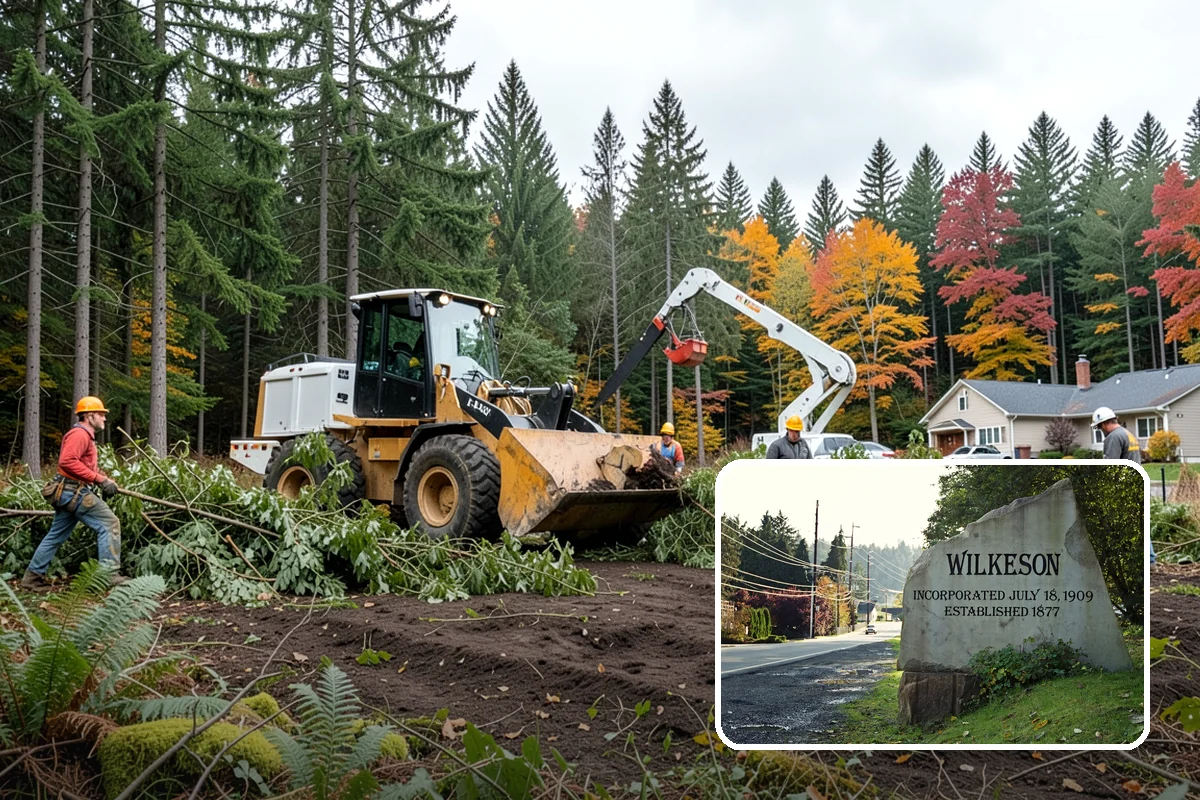
Documenting storm tree damage in Wilkeson: your options
Owners usually choose among three approaches. Each suits different damage.
- Photos and notes on your own. Fine for small damage, like a few downed branches on open lawn and no harm to structures.
- A written assessment from an ISA Certified Arborist. Better when a tree is cracked, leaning, or sitting on a structure, or when the cause or the remaining risk is unclear.
- Assessment plus removal or cleanup work. Needed when the tree blocks access or keeps damaging the property.
What local conditions favor
Wind data for the forecast zone that includes Wilkeson shows 40 high and strong wind episodes from 2005 to 2025. The strongest gust recorded in that zone since 2005 was 72 mph on December 17, 2010. That is a regional record, not a measurement from your yard. It does mean wind damage is a realistic event here, so keeping dated photos of your trees in normal condition can help show what changed.
The same zone had 3 ice storm episodes in that period. Ice damage often looks different from wind damage. Limbs may split and hang in the crown, and several trees may be affected at once. A written assessment can record each tree and the damage type, which helps when a claim covers more than one.
What to capture before work starts
Photograph the whole tree, the break point, and the damaged property from several angles. Note the date and time of the storm. Keep any removed wood or debris until your insurer says it can go, if it is safe to do so. Emergency steps to stop further damage are generally worth doing, but keep your receipts.
Our assessment describes the tree's condition, the damage we see, and the work we recommend. We also check with the city before any removal work begins if the rules are unclear. Call or text 425-484-4442 to arrange a free estimate.
Wilkeson tree conditions at a glance
| Slopes | More steep ground than most Puget Sound cities |
|---|---|
| Soils | 37% of land has hardpan or another restrictive layer within 40 in; most common series Indianola; 61% well drained |
| Tree canopy | Among the most heavily treed Puget Sound cities (satellite data) |
| High and strong wind episodes, 2005-2025 | 40 in the forecast zone |
| USDA hardiness zone | 8b |
Tree removal rules in Wilkeson
Wilkeson’s published rules don’t spell out clearly which removals need city approval. We check with the city before work starts.
Sources: Daymet daily weather (NASA/ORNL), NOAA Storm Events, USDA plant hardiness map 2023, NRCS soil survey, USGS elevation, WA DNR landslide inventory, USDA Forest Service aerial survey, WSDA, city tree assessments and street-tree inventories, SILVIS Lab, Arbor Day Foundation, and official city and utility pages.
Insurance Claim Documentation Serving Wilkeson
Wilkeson


Insurance claim documentation in nearby areas
Also serving Wilkeson
- Master Landscape Planning in Wilkesonat Washington Landscaping