Where Safety Meets Expert Tree Service.

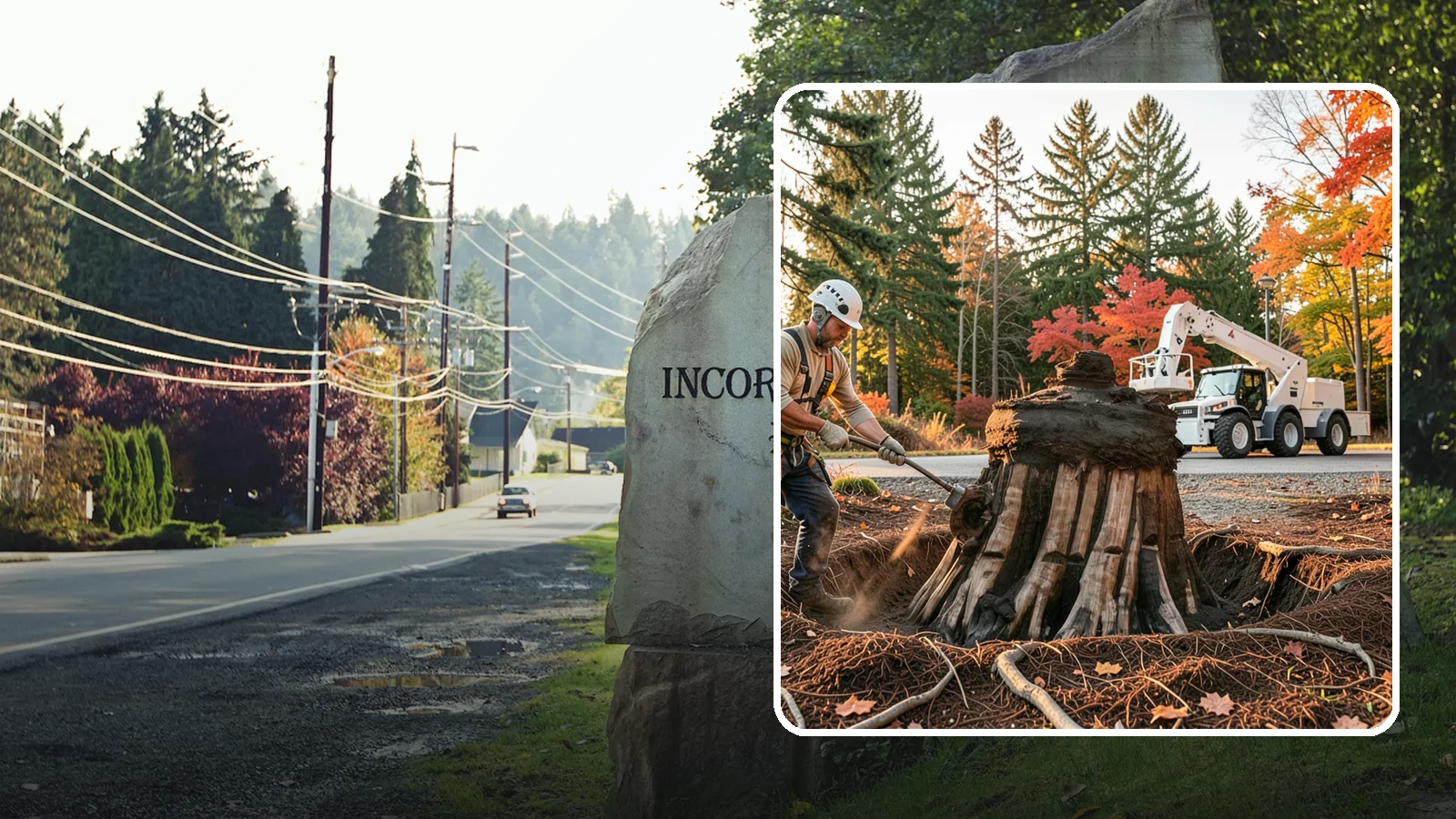
Wilkeson Backfill After Stump Grinding
The filling and grading of the void left after grinding.
The best window for backfilling a ground stump is usually once the grinding is done, before the soil has a chance to wash out of the hole. In Wilkeson, that means filling soon after grinding rather than leaving a pit through a wet stretch. Open holes collect water and can be a trip hazard.
Backfill is the step that turns a pile of wood chips into usable ground. The right fill depends on what you plan to do with the spot: seed grass, plant a new tree, or just level it out. Here is how we plan it and what the day looks like.
About Backfill After Stump Grinding in Wilkeson
Backfill after stump grinding helps restore your yard to a smooth, usable surface right where a tree once stood. This essential step removes hazards like tripping spots while preparing the ground for new plants or general use. It is an ideal solution for homeowners who want their landscape looking neat and safe again.
What Wilkeson Backfill After Stump Grinding Includes
This service involves carefully filling and grading the hollow left behind after a stump has been removed. Our trained crews follow recognized standards to ensure the void is properly restored using methods suited to your specific site conditions. The goal is always to create a level area that blends seamlessly with the rest of your property.
Wilkeson Backfill After Stump Grinding Process
Work begins by locating underground utilities and clearing the space around the old stump before grinding or extraction occurs. Once the roots are processed, we backfill the cavity with appropriate material and grade it as needed for stability. This systematic approach ensures the site is ready for replanting or other surface activities without delay.
Equipment We Use for Wilkeson Backfill After Stump Grinding
We utilize specialized stump grinders along with excavation tools to handle root systems of various sizes. Wheelbarrows and rakes help manage fill materials, while utility locating support keeps everyone aware of hidden lines below ground. Personal protective equipment is worn throughout the job to ensure safety for our crew during this hands-on work.
Wilkeson Backfill After Stump Grinding Safety & Best Practices
Before any grinding starts, we confirm that all underground utilities have been properly located to prevent accidental damage. We keep bystanders clear of ejected debris and wear eye and hearing protection while operating heavy machinery. Our team also stays alert for buried obstructions or rock in the soil that could affect site safety during backfilling.
Signs You Need Backfill After Stump Grinding in Wilkeson
You likely need this service if you notice a depression, hole, or uneven spot where a stump used to be standing. If you have limited access due to nearby structures or extensive root systems, our team can still assess whether filling is feasible and necessary. This work also becomes important when pests or unwanted regrowth appear in the void left by the removed tree.
What Affects the Cost of Backfill After Stump Grinding in Wilkeson
The price for this service depends on how much fill material and topsoil are required to level your yard accurately. Factors such as the size and depth of the ground-out cavity, plus the specific type of material you choose, will influence the final quote. Site access for delivering materials and performing grading work also plays a role in determining overall cost.
Best Time of Year for Wilkeson Backfill After Stump Grinding
This restoration project can generally be performed year-round given our local weather patterns along the Puget Sound region. However, we may need to take extra care during periods of heavy rain to manage muddy excavation sites effectively. Planning your job outside of stormy seasons often helps keep the process smoother and safer for everyone involved.

Backfilling a ground stump in Wilkeson: planning and scope
Grinding leaves a hole filled with wood chips and shredded root material. Chips settle and break down over time, so a hole packed only with chips will sink. Most of the work is deciding how much chip material to remove and what to put back.
What affects the scope
Stump size sets the volume of the hole. A wide, deep grind leaves more to fill. Your plans for the spot matter just as much. Lawn needs clean topsoil on top. A replacement tree needs loose, mixed soil so roots can spread.
Soil is a local factor here. The NRCS soil survey shows that 37% of the land in Wilkeson has a hard or restrictive layer, such as glacial hardpan, within 40 inches of the surface. That survey covers the area broadly, not your lot. But if you plan to plant a tree where the stump was, a hard layer below can limit drainage and root depth. It is worth digging a test hole before choosing a species or planting depth.
The same survey lists Indianola as the most common soil series, with 61% of the land well drained and 0% poorly drained. Well-drained soil is helpful, though a compacted layer can still hold water in a filled hole.
What to expect on the day
We remove most of the loose chips, or mix them with fresh soil in a small ratio, then add soil in layers. Each layer is tamped lightly so the fill settles evenly. We finish slightly mounded, because the fill will drop as it settles. Then we rake the surface level with the surrounding ground.
On permits, the published Wilkeson rules we found don't spell out clearly which removals need city approval. If a tree removal is still part of your project, we check with the city before work starts.
Practical tip: if you plan to plant grass seed, wait a few weeks after backfill and top up any low spots first. Settling usually shows up quickly, and one more thin layer of soil gives a smoother lawn.
Wilkeson tree conditions at a glance
| Soils | 37% of land has hardpan or another restrictive layer within 40 in; most common series Indianola; 61% well drained |
|---|---|
| Rain and snow falling October to April | 79% of the year’s total |
| Tree canopy | Among the most heavily treed Puget Sound cities (satellite data) |
| Days that freeze at night and thaw by day | 43 a year |
Tree removal rules in Wilkeson
Wilkeson’s published rules don’t spell out clearly which removals need city approval. We check with the city before work starts.
Sources: Daymet daily weather (NASA/ORNL), NOAA Storm Events, USDA plant hardiness map 2023, NRCS soil survey, USGS elevation, WA DNR landslide inventory, USDA Forest Service aerial survey, WSDA, city tree assessments and street-tree inventories, SILVIS Lab, Arbor Day Foundation, and official city and utility pages.
Backfill After Stump Grinding Serving Wilkeson
Wilkeson
Backfill after stump grinding in nearby areas
Also serving Wilkeson
- Lawn Renovation in Wilkesonat Washington Landscaping
- Tree Mulching in Wilkesonat Washington City Services