Where Safety Meets Expert Tree Service.

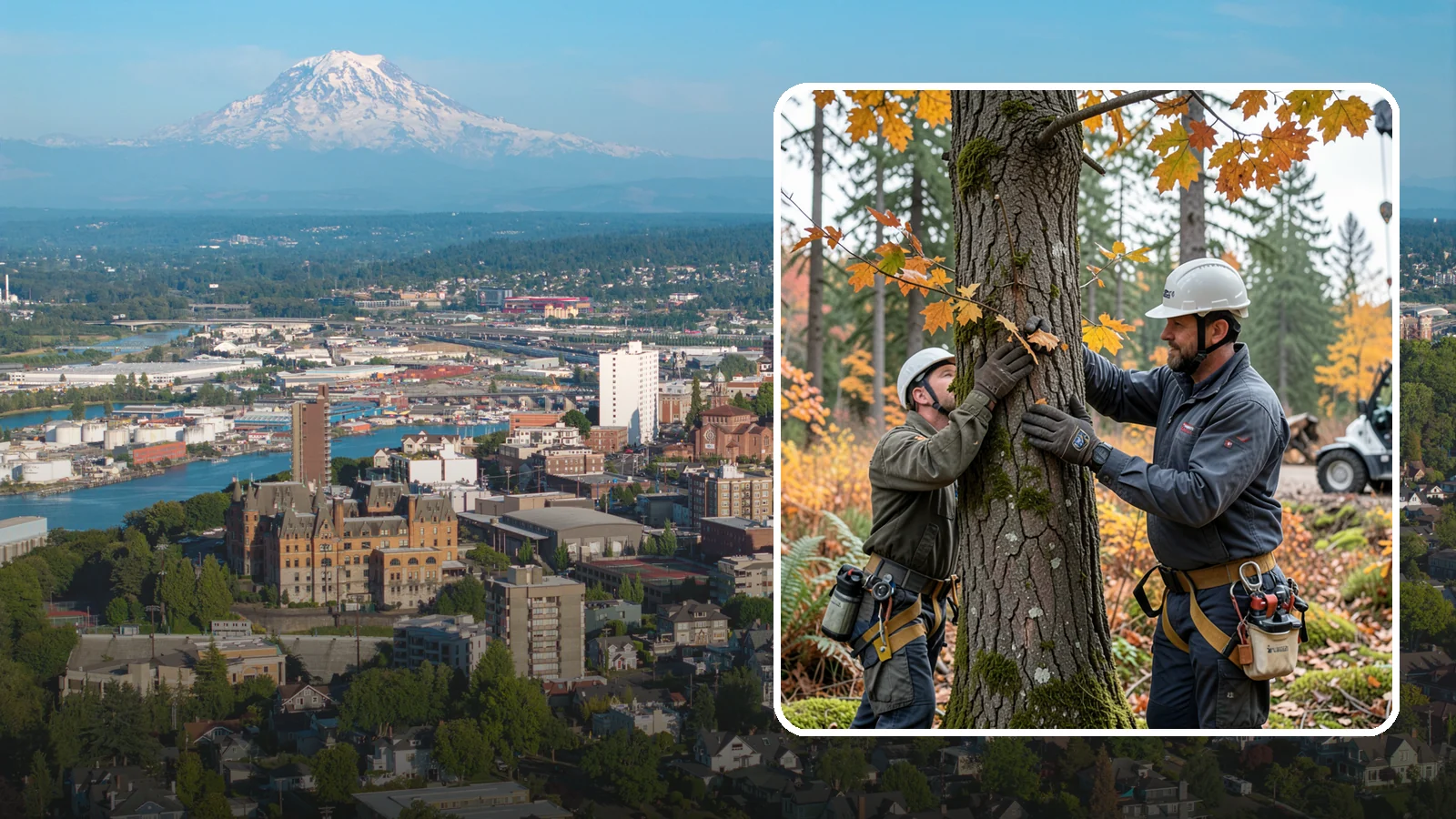
Tacoma Insect diagnosis
The identification of insect pests affecting tree health.
About Insect Diagnosis in Tacoma
Our insect diagnosis service helps you understand exactly what pests might be affecting your trees’ health. We work directly for homeowners who want clear answers about infestations before they become serious problems. This approach ensures that every tree receives the specific care it needs to thrive in its environment.
What Tacoma Insect Diagnosis Includes
Insect diagnosis is a focused look at bugs and insects impacting your landscape’s vitality. Our trained crews identify these pests while considering soil conditions, site factors, and how easily we can access each tree. The goal is to confirm any infestations so you can move forward with targeted management steps that fit the specific situation.
Tacoma Insect Diagnosis Process
We begin by carefully inspecting both the tree itself and its surrounding area for clues about pest activity or other issues. Our team identifies contributing factors such as poor soil, disease presence, or past construction changes that might be at play. Based on these findings, we recommend appropriate treatments and document our observations to guide your follow-up care plan.
Equipment We Use for Tacoma Insect Diagnosis
To get an accurate picture of tree health, we use specialized diagnostic tools designed for detailed inspection. Our crews bring along soil probes and sampling kits to check the ground beneath your trees without causing harm. When necessary, we also utilize air excavation equipment or injection systems to reach areas that are hard to see from the surface.
Tacoma Insect Diagnosis Safety & Best Practices
We strictly follow product label guidelines when applying any treatments to protect both people and plants in your yard. Our methods prioritize avoiding damage to roots and trunks while ensuring surrounding plantings remain safe during our work. Every step of the process is documented accurately to maintain a clear record of conditions before, during, and after service.
Signs You Need Insect Diagnosis in Tacoma
You may need this service if you notice unexplained decline or suspect that pests are harming your valued trees. It becomes especially important when there are signs of girdling roots, compacted soil, or issues from past construction work affecting the site. Using our diagnosis helps catch these problems early before they escalate into larger health concerns for your landscape.
What Affects the Cost of Insect Diagnosis in Tacoma
The price we quote depends on factors like the specific species of tree you have and how difficult it is to reach them. Site conditions such as tight spaces around roots or complex soil issues will also influence the overall cost of diagnosis. Additionally, identifying multiple contributing factors like disease alongside pests may adjust the complexity and final investment required for your project.
Best Time of Year for Tacoma Insect Diagnosis
In our local climate, this service can be scheduled at any time throughout the year to address immediate concerns. However, during wetter seasons in Puget Sound areas, we might need air excavation tools to get a clear view of root zones for an accurate diagnosis. Planning ahead allows us to choose the right equipment and timing that ensures the most reliable results for your specific trees.
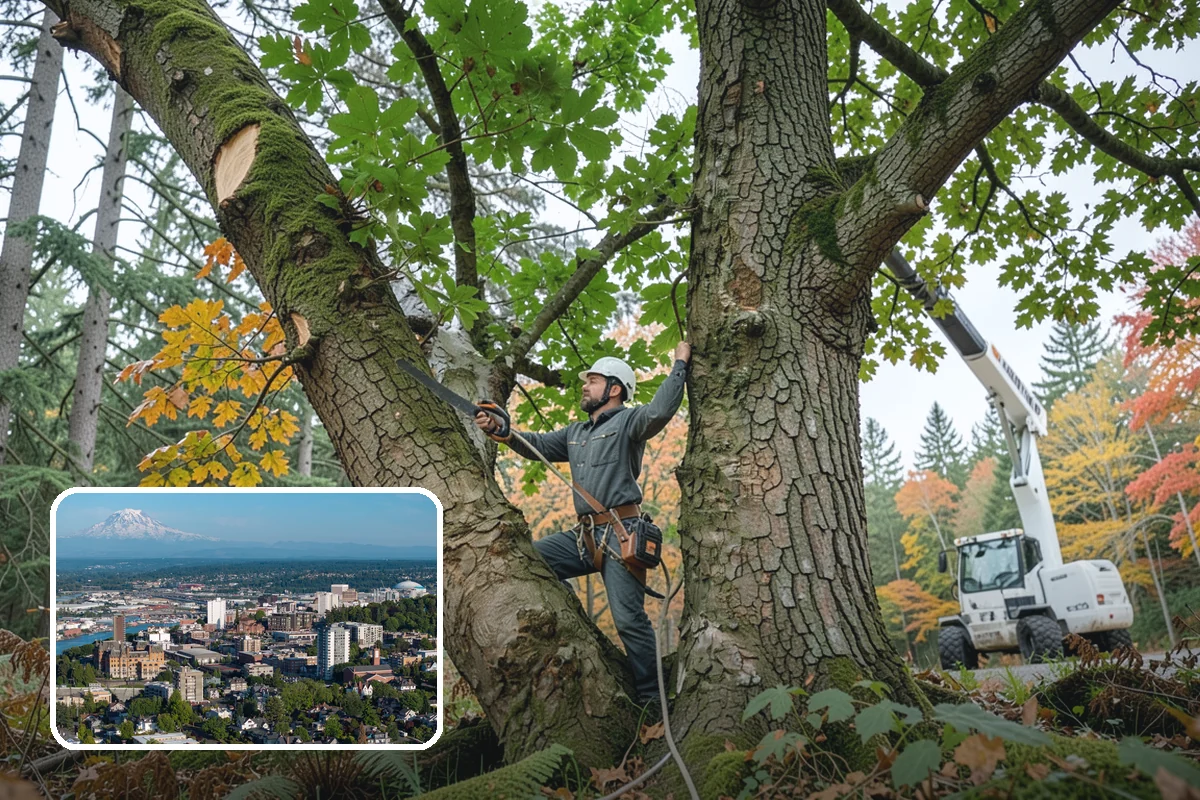
Insect Diagnosis Serving Tacoma
Tacoma
The Pierce County seat and a major port city on Commencement Bay of Puget Sound.
Growing Conditions in Tacoma
Permits & Local Notes for Tacoma
Insect diagnosis in nearby areas
Also serving Tacoma
- Evergreen Pruning in Tacomaat Washington Landscaping
- Municipal Landscape Maintenance in Tacomaat Washington City Services