Where Safety Meets Expert Tree Service.


Steilacoom Insect Diagnosis
The identification of insect pests affecting tree health.
Insect diagnosis works best when the problem is visible, which usually means the growing season, when leaves are out and chewing, discoloration or sticky residue can be seen. If you notice thinning foliage, dieback or small holes in bark, book a look while the tree is still active, rather than waiting for winter when clues are harder to read.
Early diagnosis matters because insects are often a symptom of something else, such as drought stress or root damage. Naming the insect, and ruling it out, shapes what comes next for the tree.
About Insect Diagnosis in Steilacoom
Our insect diagnosis service helps you understand exactly what pests might be affecting your trees’ health. We work directly for homeowners who want clear answers about infestations before they become serious problems. This approach ensures that every tree receives the specific care it needs to thrive in its environment.
What Steilacoom Insect Diagnosis Includes
Insect diagnosis is a focused look at bugs and insects impacting your landscape’s vitality. Our trained crews identify these pests while considering soil conditions, site factors, and how easily we can access each tree. The goal is to confirm any infestations so you can move forward with targeted management steps that fit the specific situation.
Steilacoom Insect Diagnosis Process
We begin by carefully inspecting both the tree itself and its surrounding area for clues about pest activity or other issues. Our team identifies contributing factors such as poor soil, disease presence, or past construction changes that might be at play. Based on these findings, we recommend appropriate treatments and document our observations to guide your follow-up care plan.
Equipment We Use for Steilacoom Insect Diagnosis
To get an accurate picture of tree health, we use specialized diagnostic tools designed for detailed inspection. Our crews bring along soil probes and sampling kits to check the ground beneath your trees without causing harm. When necessary, we also utilize air excavation equipment or injection systems to reach areas that are hard to see from the surface.
Steilacoom Insect Diagnosis Safety & Best Practices
We strictly follow product label guidelines when applying any treatments to protect both people and plants in your yard. Our methods prioritize avoiding damage to roots and trunks while ensuring surrounding plantings remain safe during our work. Every step of the process is documented accurately to maintain a clear record of conditions before, during, and after service.
Signs You Need Insect Diagnosis in Steilacoom
You may need this service if you notice unexplained decline or suspect that pests are harming your valued trees. It becomes especially important when there are signs of girdling roots, compacted soil, or issues from past construction work affecting the site. Using our diagnosis helps catch these problems early before they escalate into larger health concerns for your landscape.
What Affects the Cost of Insect Diagnosis in Steilacoom
The price we quote depends on factors like the specific species of tree you have and how difficult it is to reach them. Site conditions such as tight spaces around roots or complex soil issues will also influence the overall cost of diagnosis. Additionally, identifying multiple contributing factors like disease alongside pests may adjust the complexity and final investment required for your project.
Best Time of Year for Steilacoom Insect Diagnosis
In our local climate, this service can be scheduled at any time throughout the year to address immediate concerns. However, during wetter seasons in Puget Sound areas, we might need air excavation tools to get a clear view of root zones for an accurate diagnosis. Planning ahead allows us to choose the right equipment and timing that ensures the most reliable results for your specific trees.
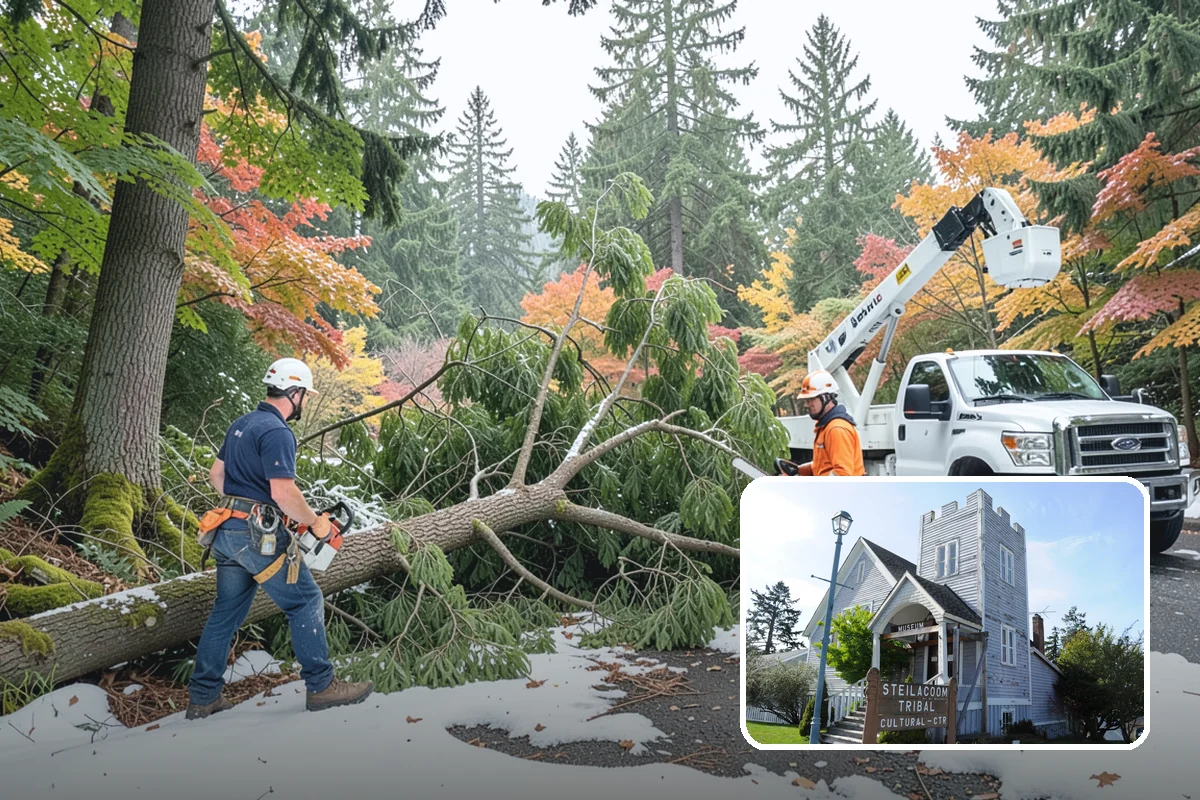
Insect diagnosis planning for Steilacoom trees
Start by gathering what you have seen. Note which tree is affected, when the change began, and whether it is one branch or the whole crown. Photos of leaves, bark and any insects or sawdust-like debris help. If you can, bring a small sample in a sealed bag.
What local data can and cannot tell us
A federal aerial survey (USDA Forest Service and WA DNR, 2021-2025) mapped damage in forest within 10 km of Steilacoom. The main causes were Douglas-fir beetle on 546 acres and Douglas-fir engraver on 347 acres. That is forest land, not yard trees, so it does not say what is affecting your tree. It does tell us that bark beetles are worth checking for if you have a stressed Douglas-fir.
The same survey mapped 439 acres of decline with no cause identified, in Oregon white oak, Pacific madrone and other hardwoods. That label means dieback with no single cause found. It is a reminder that a dying hardwood is not always an insect problem, and we will not assume one.
What affects scope
Scope depends on the species, the size and access of the tree, and how many trees show symptoms. A single small tree is quick to assess. Several large trees, or a crown we need to inspect closely, take more time. Stress factors matter too. A UW study links bigleaf maple decline to development, higher summer temperatures and severe summer droughts, so we look at soil disturbance and watering history alongside the insects.
What to expect on the day
We walk the tree and the site. We check leaves, twigs, bark and the base, and look at the root zone. We may take samples for identification. You get a plain explanation of what we found, whether treatment is likely to help, and whether other work such as pruning or monitoring makes sense. If a recommendation involves removal, we check with the city before any work starts.
Free estimates are available for any follow-up work.
Practical tip: water deeply around the drip line during dry spells and keep mulch off the trunk. Do this while you wait for the visit, since a stressed tree is more open to attack.
Steilacoom tree conditions at a glance
| USDA hardiness zone | 8b |
|---|---|
| Soils | 43% of land has hardpan or another restrictive layer within 40 in; most common series Alderwood |
| Rain and snow falling October to April | 83% of the year’s total |
| Days with 0.1 in or more of rain | 111 a year |
| Tree canopy | Among the most heavily treed Puget Sound cities (satellite data) |
| Days that freeze at night and thaw by day | 37 a year |
Tree health near Steilacoom
Spongy moth (WSDA 2016): WSDA trap detection(s): 1 moth(s) in 1 trap catch record(s).
- Douglas-fir beetle546 ac
- Decline, cause not identified439 ac
- Douglas-fir engraver347 ac
Forest damage mapped from the air within 10 km of Steilacoom, 2021-2025 (USDA Forest Service and WA DNR). This covers forest land, not street or yard trees. “Decline, cause not identified” is dieback with no single cause found.
Sources: Daymet daily weather (NASA/ORNL), NOAA Storm Events, USDA plant hardiness map 2023, NRCS soil survey, USGS elevation, WA DNR landslide inventory, USDA Forest Service aerial survey, WSDA, city tree assessments and street-tree inventories, SILVIS Lab, Arbor Day Foundation, and official city and utility pages.
Insect Diagnosis Serving Steilacoom
Steilacoom
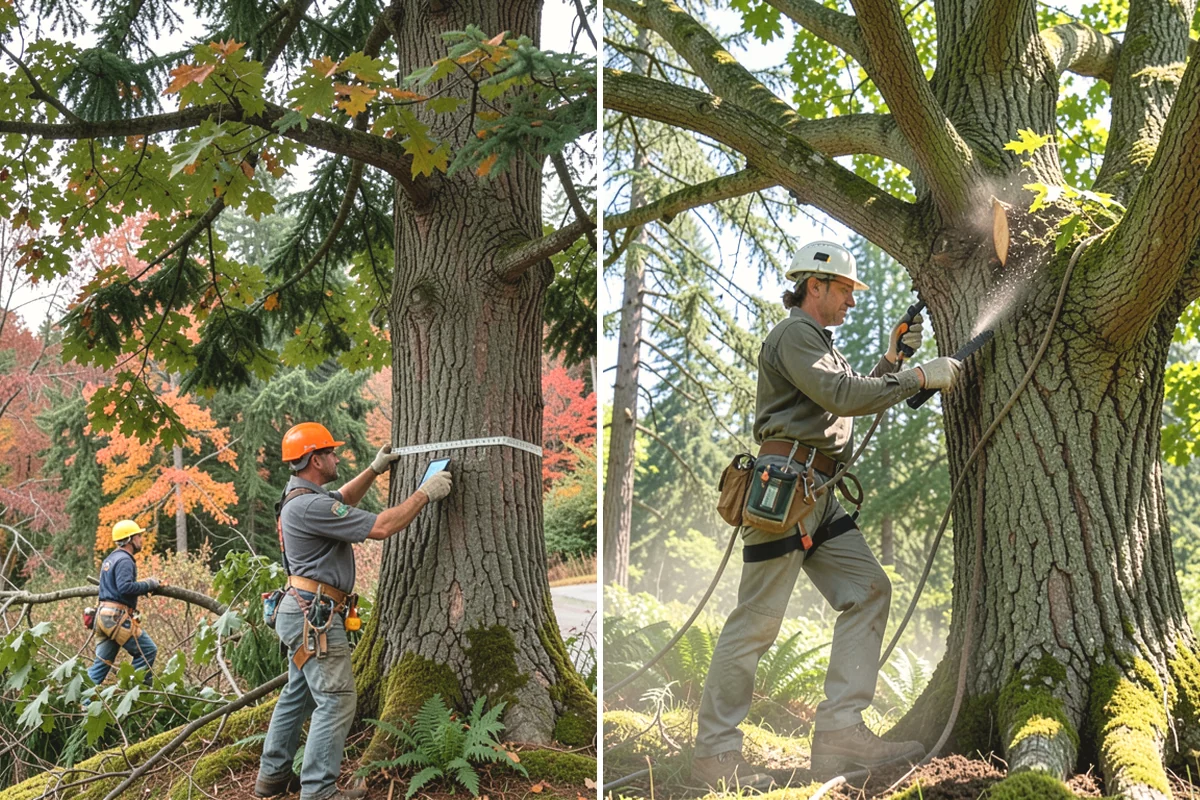
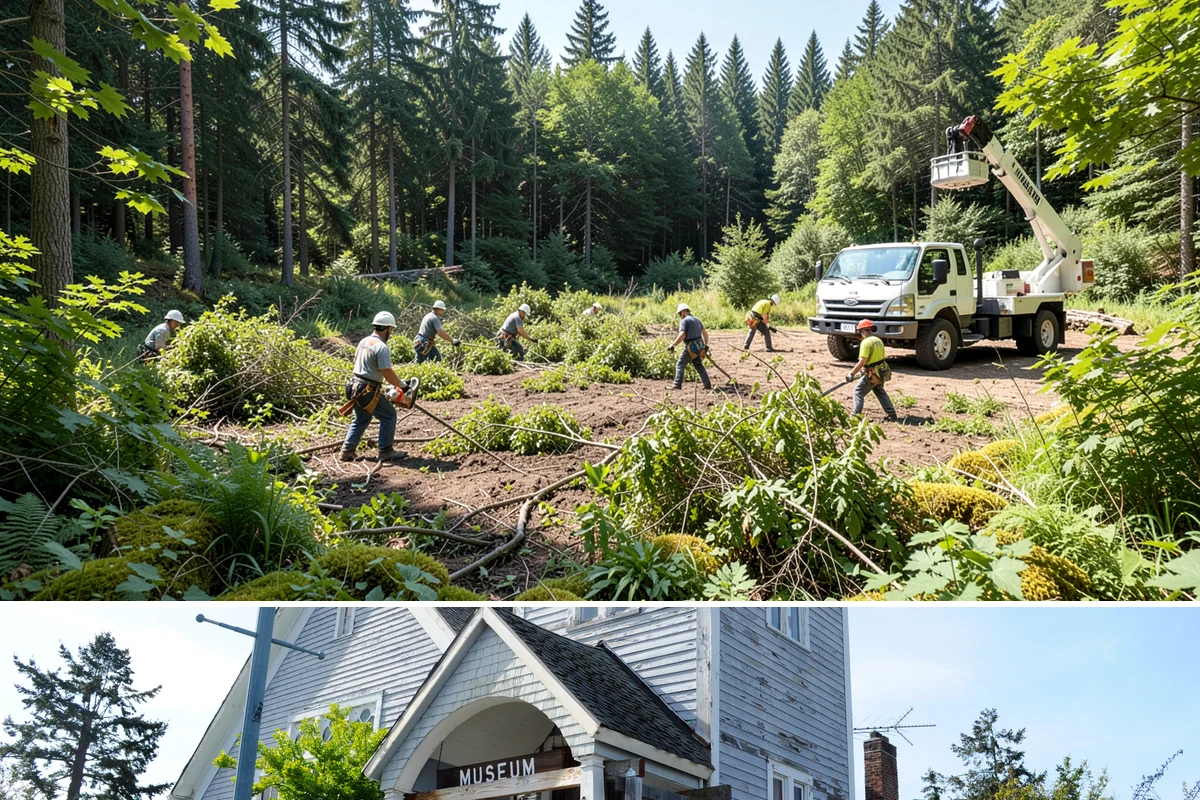
Insect diagnosis in nearby areas
Also serving Steilacoom
- Root Flare Excavation in Steilacoomat Washington Landscaping
- Tree Pruning in Steilacoomat Washington City Services