Where Safety Meets Expert Tree Service.

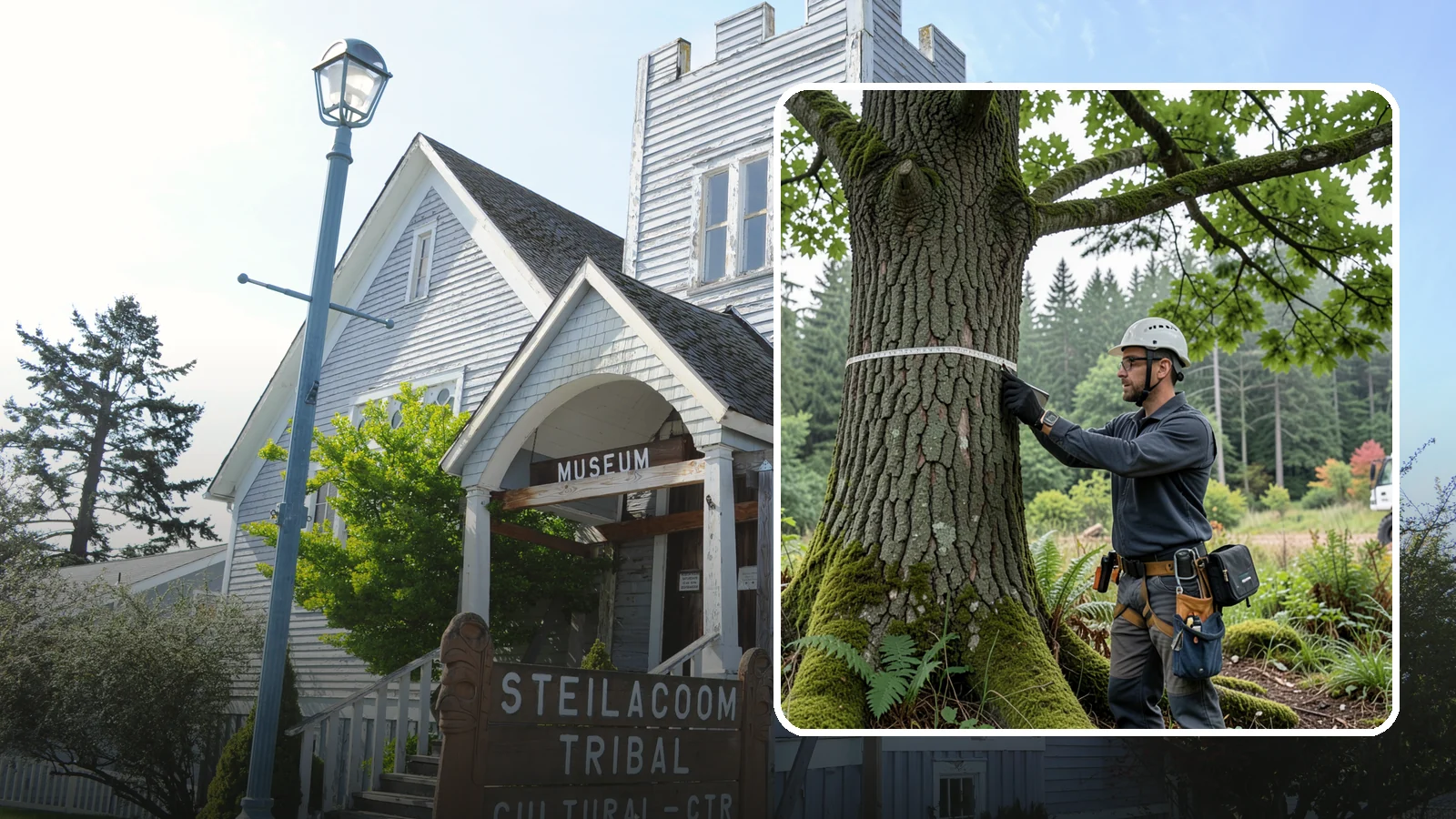
Steilacoom Arborist Consultations
A professional consultation with a qualified arborist.
Do you need an arborist consultation before touching a tree on your Steilacoom lot? If a tree is leaning, dropping limbs, or showing dead branches, yes, a walk-through with a certified arborist is a sound first step. It tells you what is wrong, how urgent it is, and what your options are.
A consultation is an assessment, not a work order. The arborist looks at the roots, trunk, and crown, talks through what you want from the tree, and explains the choices. You decide what happens next, and you leave with a clear picture of the tree's condition.
About Arborist Consultations in Steilacoom
Our arborist consultations offer a professional evaluation of your trees to help you plan appropriate care for your property. This service is designed for homeowners who need expert guidance on tree health or those preparing documentation for permits and insurance claims. We provide objective insights that support informed decisions about the future of your landscape.
What Steilacoom Arborist Consultations Includes
An arborist consultation involves a qualified professional inspecting specific trees to assess their current condition and needs. The work follows recognized standards, with methods tailored to match each tree species, site conditions, and access points on your property. You will receive clear recommendations or reports that help prioritize care plans and manage budgets effectively.
Steilacoom Arborist Consultations Process
We begin by gathering detailed information about your site and the trees in question before moving to an inspection phase. The arborist analyzes these findings against established objectives and standards to develop a tailored approach for each situation. Finally, we review our clear recommendations or reports with you to ensure everyone understands the proposed care plan.
Equipment We Use for Steilacoom Arborist Consultations
Our team utilizes diagnostic and measurement tools to gather accurate data during your consultation. Depending on what is needed, we may also employ mapping and imaging tools to get a better view of complex structures. We use specialized documentation software to create precise records while ensuring all crew members wear necessary personal protective equipment.
Steilacoom Arborist Consultations Safety & Best Practices
All findings are based strictly on observed evidence and recognized industry standards to ensure reliability for your project. If there is any uncertainty regarding an assessment, we will clearly disclose those limitations rather than guessing the outcome. We also recommend follow-up steps where conditions cannot be fully determined during a single visit.
Signs You Need Arborist Consultations in Steilacoom
You may need this service if you notice hidden defects or lack complete information about your site history that could affect tree safety. Competing objectives for care plans, such as balancing aesthetics with structural stability, often require professional analysis to resolve. Additionally, varying regulatory requirements in different jurisdictions can make a consultation essential before starting any work on your trees.
What Affects the Cost of Arborist Consultations in Steilacoom
The cost of this service is influenced by the complexity of the site and tree information provided during our initial gathering phase. Hidden defects that require advanced diagnostic tools or competing objectives within your care plan will also impact pricing. Furthermore, differing regulatory requirements across various jurisdictions can add factors to consider when budgeting for a consultation.
Best Time of Year for Steilacoom Arborist Consultations
Consultations can be performed year-round in our local climate, offering flexibility whenever you need an assessment. However, many homeowners find it beneficial to schedule these visits during the dormant seasons. This timing allows us to better assess structural integrity without leaf cover obscuring branches and providing a clearer view of your trees.
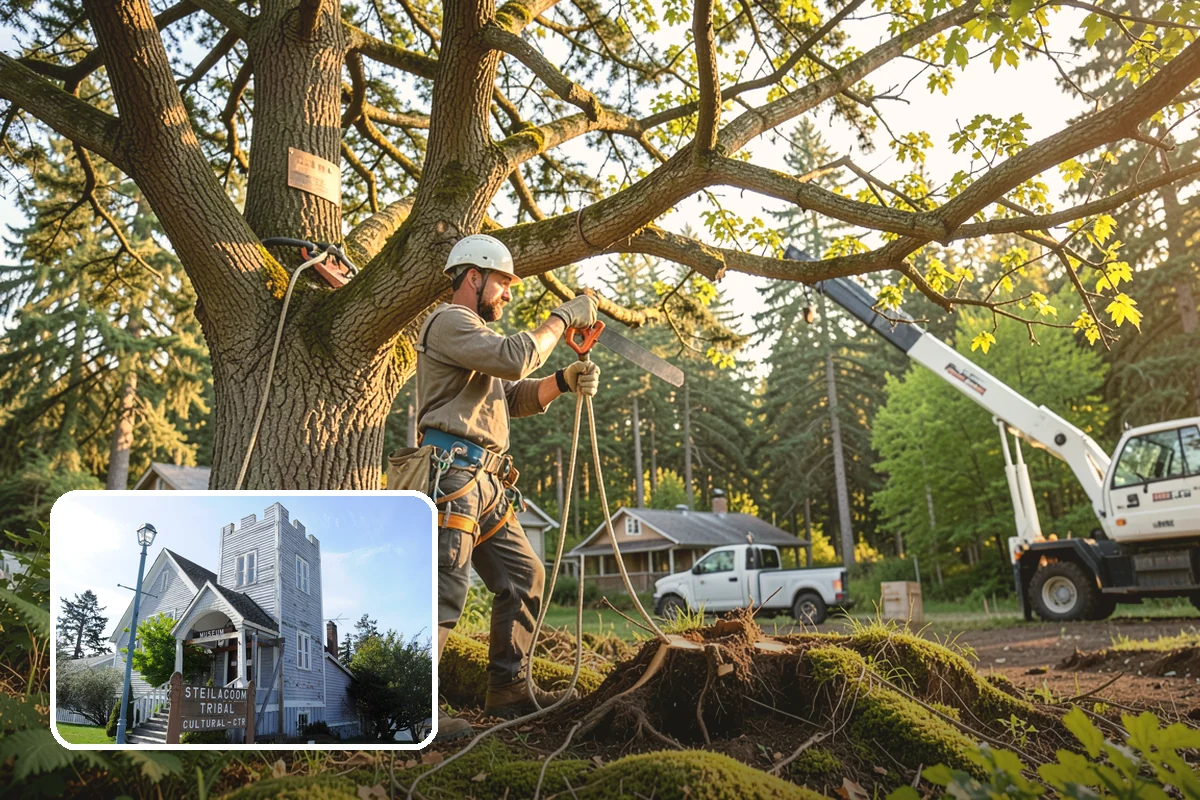
Arborist consultations in Steilacoom: rules and what to expect
What the visit covers
The arborist examines the tree from the ground up. That usually means checking the root flare and soil for heaving or decay, the trunk for cavities, cracks, or fungal growth, and the crown for dead wood, weak unions, and poor structure. Standard practice follows ISA and ANSI A300 guidance. Findings are explained in plain terms, and no outcome is promised. Bring your questions about nearby structures, power lines, or view concerns, since those shape the recommendation.
Steilacoom's rules and when a written report matters
The town's published guidance says it found no general tree removal permit for existing private single-family lots. Chapter 16.18 of the Steilacoom Municipal Code, Urban Forestry Management, covers Town-owned or leased property, and tree preservation and mitigation for planned area developments or developments of 1 acre or more. That chapter is not aimed at routine removal on an existing private lot. It speaks to removal only, so it says nothing either way about pruning or other work, and we check with the town before work starts if anything is unclear.
One condition does matter. The town's tree code calls for an arborist report for hazard tree removal in critical areas. The report must come from a certified arborist, a registered landscape architect, or a professional forester. If your tree stands in a critical area, such as a steep slope, a consultation can produce the documentation the town expects. Ask us to check whether your site is affected.
Planning around what you learn
Steilacoom sits in USDA plant hardiness zone 8b, according to the 2023 USDA map. That is a minimum winter temperature range, so it helps with choosing replacement species that suit the site. It says nothing about the health of any tree already on your property.
After the visit, you can use the findings in a few ways:
- Schedule pruning to correct structural problems or remove dead wood
- Plan removal if the tree is a hazard
- Monitor a tree with minor defects and recheck it later
- Choose a replacement that fits the space
To book a visit, call or text 425-484-4442. Estimates are free.
Steilacoom tree conditions at a glance
| Slopes | Some steep slopes |
|---|---|
| Landslides mapped by WA DNR | 6 |
| Soils | 43% of land has hardpan or another restrictive layer within 40 in; most common series Alderwood |
| Tree canopy | Among the most heavily treed Puget Sound cities (satellite data) |
| High and strong wind episodes, 2005-2025 | 25 in the forecast zone |
| USDA hardiness zone | 8b |
Tree removal rules in Steilacoom
No general tree removal permit for existing private single-family lots found. SMC Chapter 16.18 Urban Forestry Management applies to Town-owned or leased property (Article 2), and to tree preservation/mitigation for planned area developments or developments of 1 acre or more (Article 3) - not to routine removal on an existing house lot. Approval is needed for trees in critical areas or buffers (SMC 16.16) and the shoreline jurisdiction (SMC 16.08 Shoreline Master Program).
Regulated size: none for existing private lots (16.18 Article 3 thresholds for 1-acre+ developments not recorded).
Official city source. Rules change; we confirm with the city before work starts.
Sources: Daymet daily weather (NASA/ORNL), NOAA Storm Events, USDA plant hardiness map 2023, NRCS soil survey, USGS elevation, WA DNR landslide inventory, USDA Forest Service aerial survey, WSDA, city tree assessments and street-tree inventories, SILVIS Lab, Arbor Day Foundation, and official city and utility pages.
Arborist Consultations Serving Steilacoom
Steilacoom
Arborist consultations in nearby areas
Also serving Steilacoom
- Green Roof Installation in Steilacoomat Washington Landscaping