Where Safety Meets Expert Tree Service.

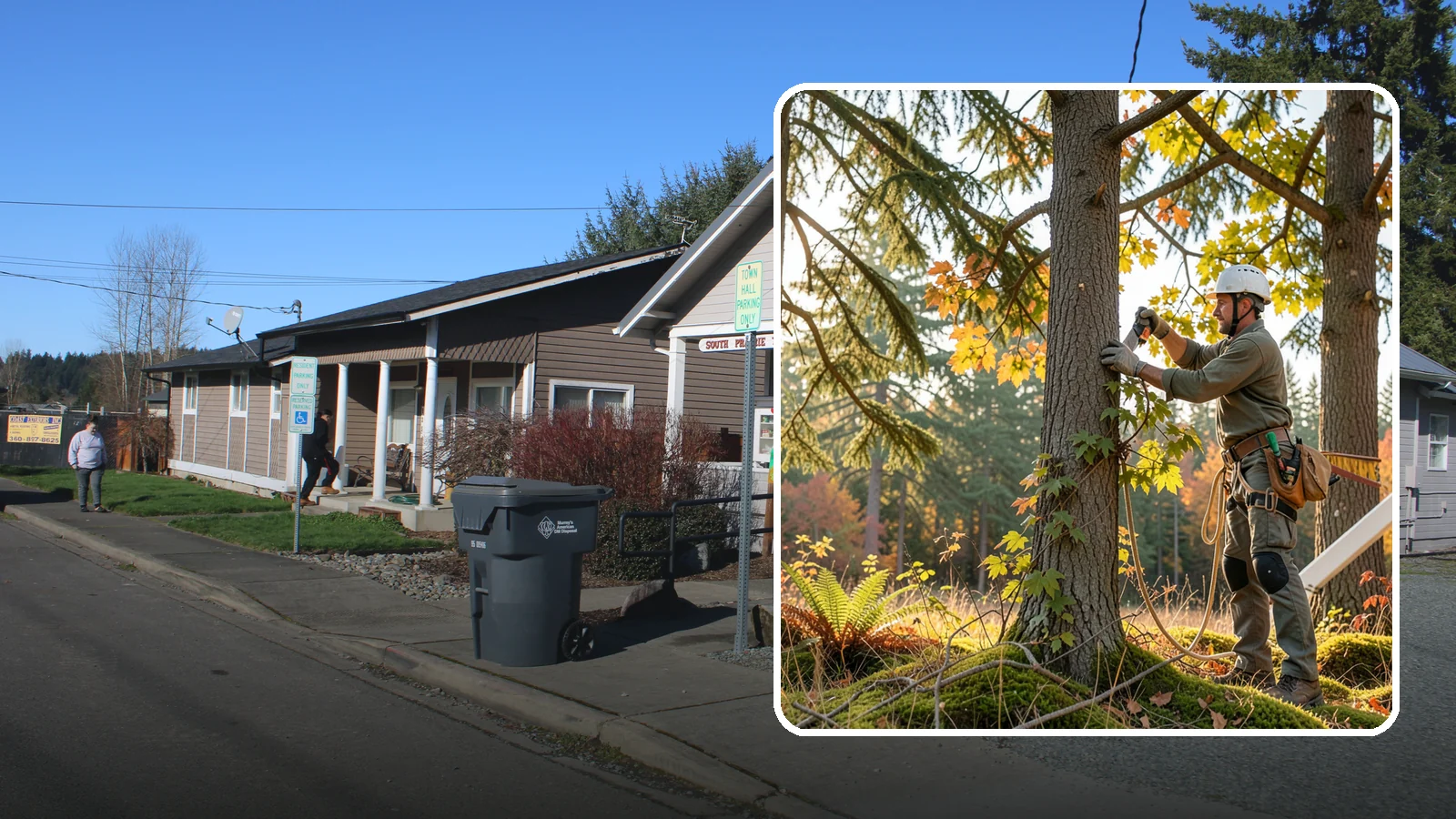
South Prairie Shrub Pruning
The pruning of shrubs for health and appearance.
Maybe a shrub by the porch has grown into the walkway, or the center is full of dead twigs while the outside is leafy. Some branches may have sunken, oozing patches. These are common reasons to call about shrub pruning.
Pruning works best when the cut matches the problem. Overgrowth, crowding, dead wood and disease each call for a different approach, and the timing matters as much as the cut. Here is how we think about it in South Prairie.
About Shrub Pruning in South Prairie
We offer shrub pruning to help homeowners keep their ornamental plantings healthy, tidy, and full of life throughout the year. Our trained crews work carefully to maintain the shape and vigor of your bushes while supporting strong flowering cycles. This service is designed for any property where you want well-defined borders or vibrant garden beds.
What South Prairie Shrub Pruning Includes
Shrub pruning focuses on maintaining the health and appearance of your plants by shaping them, encouraging dense growth, and extending their lifespan. We use methods that match each specific shrub species to its site conditions, ensuring we never over-prune or cause unnecessary stress. The goal is always to keep your plantings looking neat while allowing interior branches to receive enough light and air.
South Prairie Shrub Pruning Process
Our team begins by assessing the current condition of your plants and discussing what you hope to achieve with them next. We then select cuts that are appropriate for the species and season, shaping or thinning as needed without removing too much live growth at once. After completing the work, we clean up all trimmings from the site so your yard remains neat and ready for enjoyment.
Equipment We Use for South Prairie Shrub Pruning
To perform this service safely and effectively, our crews use a mix of hedge trimmers, hand pruners, and saws on poles or by hand depending on access needs. We bring collection equipment to gather cut branches and debris right away, keeping the work area clear during and after the job. All tools are kept sharp and clean to ensure smooth cuts that heal quickly for your plants.
South Prairie Shrub Pruning Safety & Best Practices
Safety is a priority as we use eye protection with powered trimmers and follow strict guidelines to avoid damaging new growth in our variable weather. We prune according to species requirements and seasonal timing to prevent stressing the plant or encouraging disease entry through improper wounds. Keeping tools sharp also reduces the risk of slipping or making jagged cuts that could harm your shrubs.
Signs You Need Shrub Pruning in South Prairie
You may need this service if you notice overgrown bushes, neglected growth, or plants with thinning interiors due to past shearing mistakes. Signs like missed spring blooms on certain species or branches dying back from lack of light and air also indicate it is time for a trim. If your plantings look untidy or have become difficult to walk through in the garden path, we can help restore their form and function.
What Affects the Cost of Shrub Pruning in South Prairie
The price for shrub pruning depends largely on the size and complexity of each shrub species as well as how easy they are to reach from the ground. Costs also vary based on site access conditions and the volume of trimmings that need to be collected and hauled away after cutting. Every job is unique, so we evaluate these specific factors before providing a quote for your property.
Best Time of Year for South Prairie Shrub Pruning
The best time to prune usually falls during dormancy for spring-blooming shrubs or immediately after they finish flowering in the summer months. We avoid late winter cuts because unpredictable Puget Sound weather can damage new growth that emerges too early from those wounds. Following these seasonal windows ensures your plants stay healthy and continue their natural blooming cycles year after year.
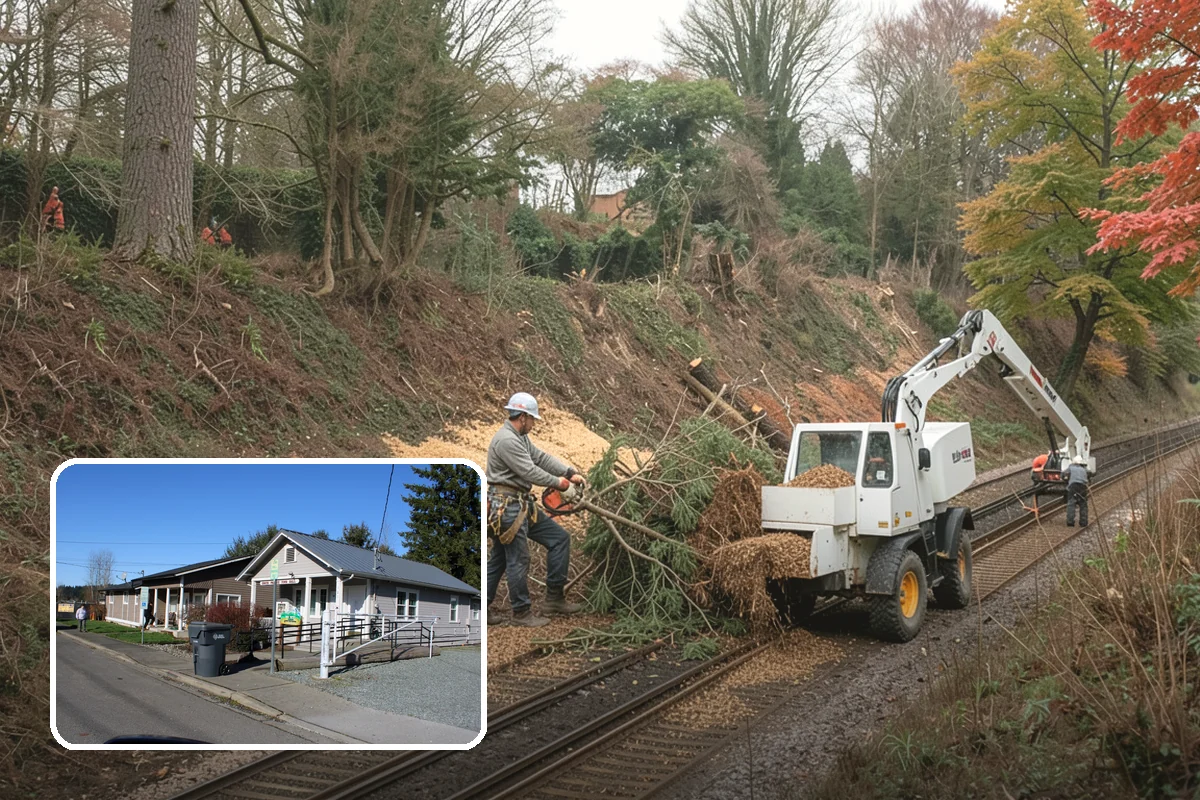
Shrub pruning in South Prairie: cause, timing and method
Most shrub problems start with one of three causes. The plant has outgrown its spot. Branches are crowded and rubbing, which blocks light and air. Or something is wrong with the wood itself, such as disease or damage. Naming the cause first tells us whether to thin, reduce, or remove specific stems.
Local weather affects the timing. Daymet climate data for 2005-2025 shows that 79% of South Prairie's yearly rain and snow falls from October to April. That means wet conditions for most of the cooler months. Fresh cuts on a diseased shrub in wet weather give pathogens an easier path in, so we plan that work for drier periods. The same data shows July is the driest month on average, which makes midsummer a reasonable window for sanitation cuts when a shrub is infected.
Bacterial canker is a good example. WSU HortSense, in its cherry bacterial canker guidance, says to prune out the canker in dry weather, well below the affected area, and to sterilize tools often. The page is written about cherry, so we treat it as a guide for that disease and not a rule for every shrub. The reasoning still carries over: cut into healthy wood, and do not carry the problem from one branch to the next on dirty blades.
South Prairie sits in USDA plant hardiness zone 8b, according to the 2023 USDA map. That zone describes average winter lows. It is a rough guide to which shrubs will do well here, not a pruning calendar, so we still decide timing plant by plant. Spring bloomers are usually pruned after flowering, while others can be shaped in dormancy.
The work itself is plain. We remove dead, broken and diseased stems first. Then we thin crowded growth by cutting back to a branch or to the base, so the shrub keeps its natural form. We avoid shearing everything into a ball, which thickens the outer layer and shades the inside. If you are unsure what is wrong with a shrub, send us a photo by text at 425-484-4442 and we will tell you what we would look at first.
South Prairie tree conditions at a glance
| USDA hardiness zone | 8b |
|---|---|
| Rain and snow falling October to April | 79% of the year’s total |
| Days that freeze at night and thaw by day | 37 a year |
| Electric utility | Puget Sound Energy (PSE) |
Trees near the power line to your house
Puget Sound Energy (PSE): Service line (wire from PSE pole to home or meter pole): PSE does not trim it; homeowner/private arborist trims.
PSE performs a safety disconnection so the homeowner or private tree trimmer/arborist can work; Call at least 5 business days ahead to check crew availability and potential charges.
Safety disconnect: 1-888-321-7779 (5+ business days ahead). Utility page.
Any fee for a disconnect is set by the utility.
Sources: Daymet daily weather (NASA/ORNL), NOAA Storm Events, USDA plant hardiness map 2023, NRCS soil survey, USGS elevation, WA DNR landslide inventory, USDA Forest Service aerial survey, WSDA, city tree assessments and street-tree inventories, SILVIS Lab, Arbor Day Foundation, and official city and utility pages.
Shrub Pruning Serving South Prairie
South Prairie
Also serving South Prairie
- Beech Hedge Trimming in South Prairieat Washington Landscaping
- Landscape Renovations in South Prairieat Washington City Services