Where Safety Meets Expert Tree Service.


About Trail Clearing in Snohomish
Our trail clearing service helps keep your paths safe, passable, and ready for use throughout the property. We work closely with homeowners who want clear access while managing overgrown vegetation on their land. This approach ensures that trails remain functional without compromising nearby trees or features.
What Snohomish Trail Clearing Includes
Trail clearing focuses specifically on maintaining existing trails and paths to ensure they are safe for travel. The process includes removing dense growth, controlling invasive species, and preparing the ground as needed. We match our methods to local tree conditions and site accessibility to deliver effective results.
Snohomish Trail Clearing Process
Our trained crews begin by assessing your specific site and marking important features that must be protected during work. Vegetation is then cleared in a planned sequence to maintain stability while removing debris responsibly. Finally, we grade or tidy the area as required before hauling equipment leaves the property with all waste materials.
Equipment We Use for Snohomish Trail Clearing
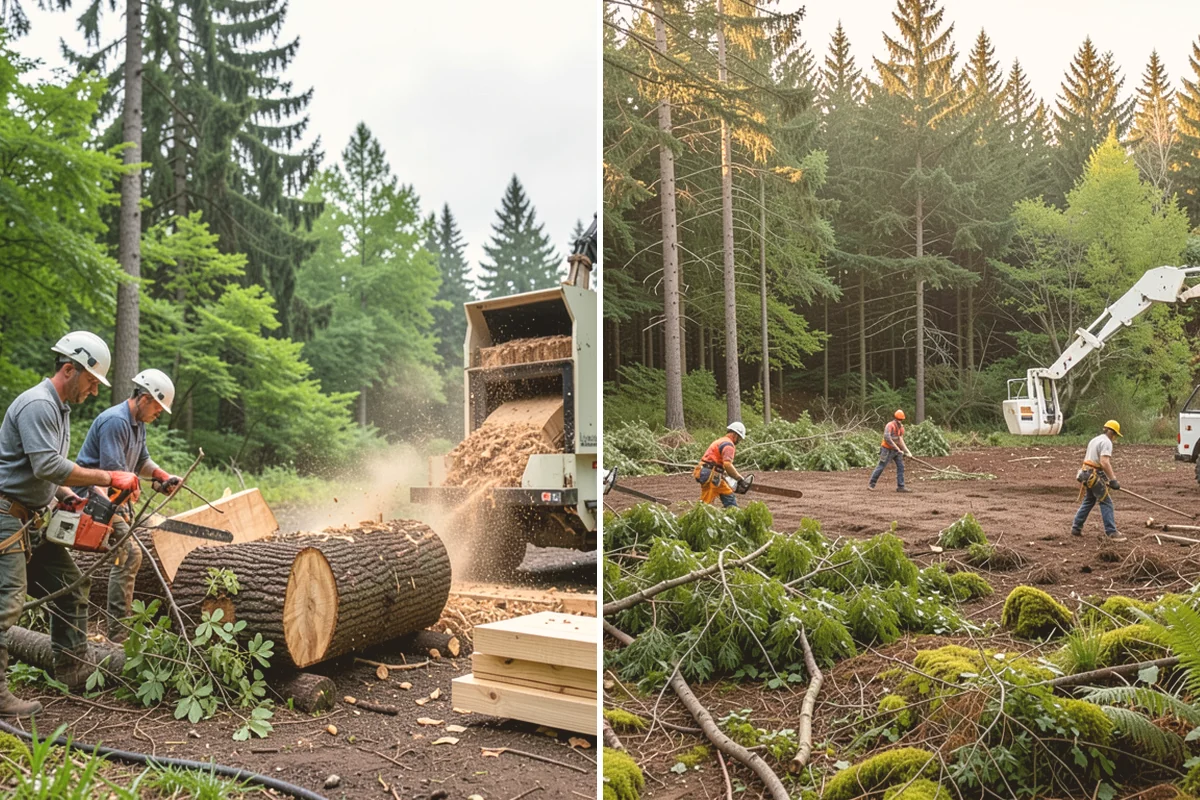
We utilize brush cutters, chainsaws, chippers, and hand tools tailored to the specific vegetation on your site. Hauling equipment is brought in only when ground conditions allow for safe transport over uneven terrain. All crew members wear personal protective gear while operating these machines or using manual tools.
Snohomish Trail Clearing Safety & Best Practices
Safety starts with identifying property lines, utility locations, and any features that need retention before work begins. Our team stays alert to uneven terrain and hidden obstacles that could create hazards during clearing operations. We take extra care to protect retained trees and their root zones while managing debris to prevent accidents.
Signs You Need Trail Clearing in Snohomish
You may need trail clearing if you notice dense or thorny growth blocking your usual paths along the property. Signs of invasive species regrowing quickly, uneven ground becoming impassable, or wet areas causing access issues are also indicators. If protected features like trees or structures require careful navigation around overgrown sections, this service is appropriate for you.
What Affects the Cost of Trail Clearing in Snohomish
The final cost depends on how dense and thorny the vegetation is across your specific trail system. Factors such as invasive species regrowth rates and uneven or wet terrain conditions will influence the time required to complete the job. Additionally, any special measures needed to protect site features during clearing are taken into account when determining pricing.
Best Time of Year for Snohomish Trail Clearing
Scheduling work for trail clearing should consider local rainfall patterns that might make hauling equipment difficult on your property. We aim to begin projects only when ground conditions allow our vehicles and machinery to access uneven or wet terrain safely. Planning around these seasonal factors ensures efficient completion while minimizing disruption to your land use.
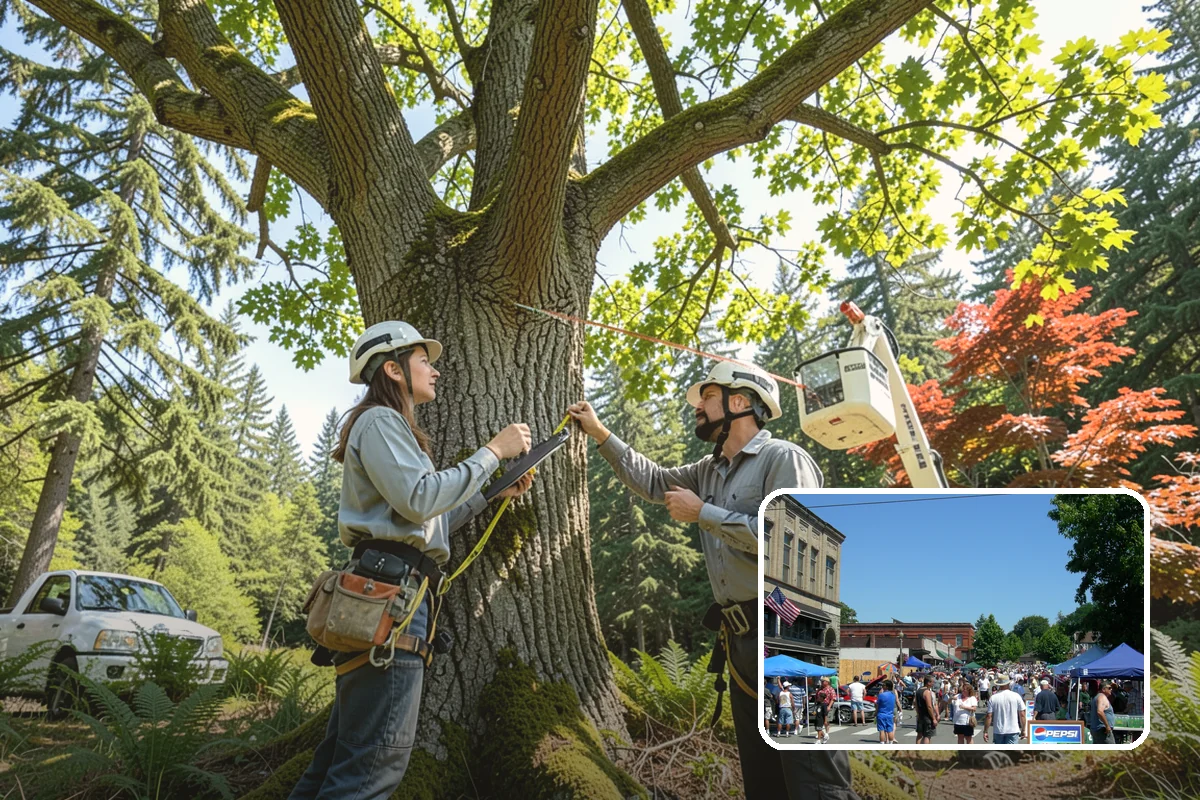
Trail Clearing Serving Snohomish
Snohomish
A historic city on the Snohomish River known for its antique district and river valley setting.
Growing Conditions in Snohomish
Permits & Local Notes for Snohomish
Trail clearing in nearby areas
Also serving Snohomish
- Land Grading in Snohomishat Washington Landscaping
- Debris Removal in Snohomishat Washington Construction
- Aquatic Weed Control in Snohomishat Washington City Services
- On-Site Firewood Milling in Snohomishat Washington Firewood