Where Safety Meets Expert Tree Service.

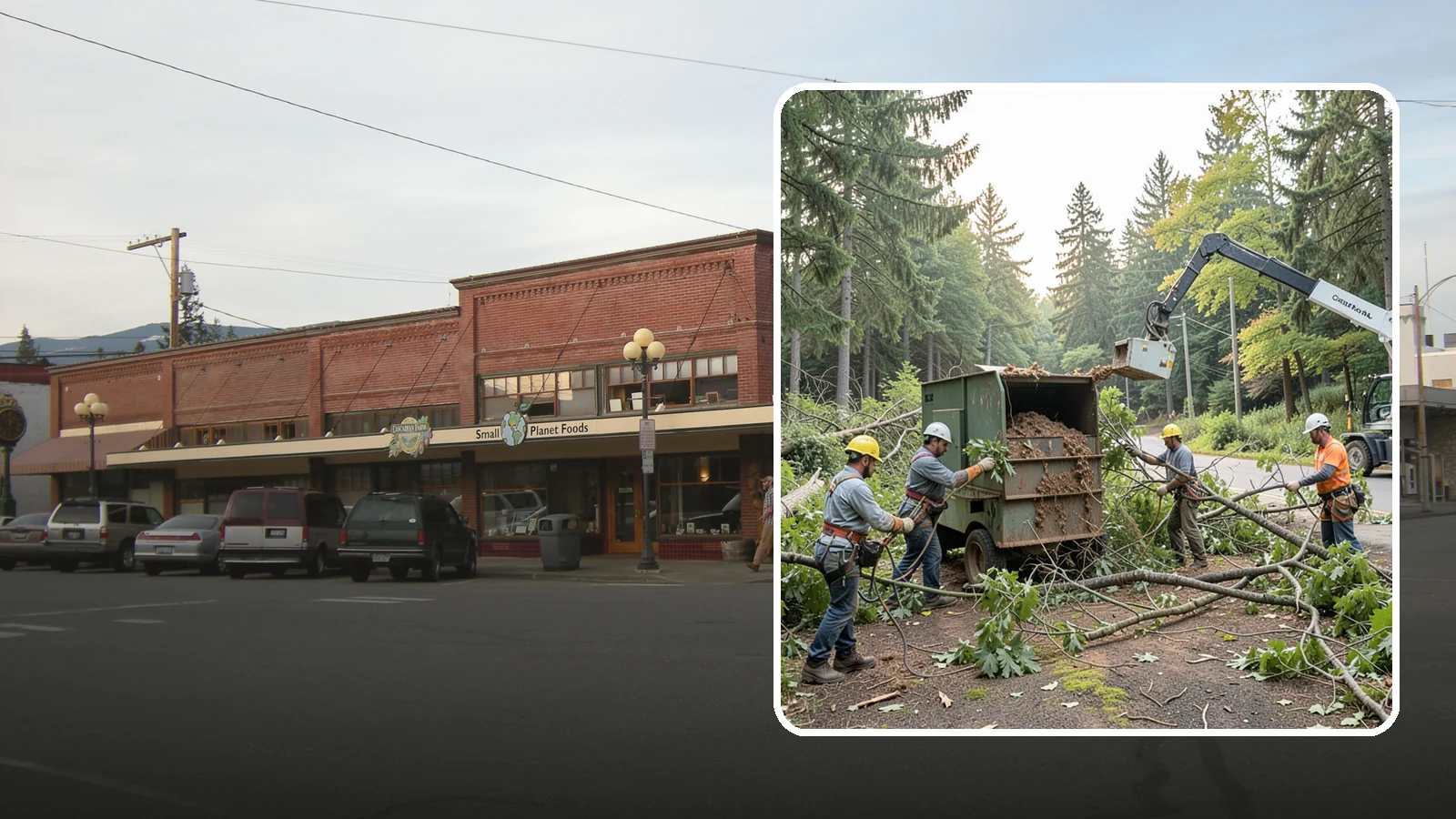
Sedro-Woolley Tree Debris Removal
The collection and hauling of downed limbs and debris.
The best time to book debris removal in Sedro-Woolley is soon after a windy spell, before limbs sit on the ground and lawns, beds and fences take the damage. Fall and winter bring most of the wind, so late fall and early spring are sensible times to clear what has built up.
Debris can be fallen limbs, brush from pruning, or whole trunk sections left after a storm. Clearing it early keeps walkways open, lets you see the damage to the trees that are still standing, and stops wet wood from smothering the grass beneath it.
About Tree Debris Removal in Sedro-Woolley
When a storm knocks down limbs or leaves your property cluttered with debris, we are here to help you clear the way quickly. Our trained crews work alongside homeowners in our area to restore safety and access after severe weather events. We understand how stressful it is when trees fall on your home or driveway during Puget Sound storms.
What Sedro-Woolley Tree Debris Removal Includes
This service focuses entirely on collecting and hauling away downed limbs and other debris from your site. It includes the efficient removal of broken branches left over from recent tree work or unexpected wind damage. Our goal is to leave your property clean while ensuring that no hazardous material remains behind.
Sedro-Woolley Tree Debris Removal Process
We begin by assessing any immediate hazards, such as hanging limbs or unstable trees under tension. Once the area is made safe, our crew removes downed material and processes it for removal from your site. If necessary, we will document the damage to help you understand what happened during the storm event.
Equipment We Use for Sedro-Woolley Tree Debris Removal
Our teams utilize chainsaws, rigging gear, and personal protective equipment to handle difficult cuts safely. Depending on the size of the debris or limited access conditions, we may bring an aerial lift or crane to assist with removal. We also use specialized chippers and hauling trucks designed for efficient disposal of large volumes of wood.
Sedro-Woolley Tree Debris Removal Safety & Best Practices
Because storm-damaged trees are often unstable and under load, our crews treat every fallen limb with caution until fully secured. You can rest easy knowing we watch closely for hidden utility lines that might be downed or buried in the debris. We also ensure bystanders stay clear while carefully releasing tension on any bent or pinned material near your home.
Signs You Need Tree Debris Removal in Sedro-Woolley
If you see broken branches blocking your driveway, yard, or walkways after a wind event, this service is likely needed right away. Hidden cracks in standing trees or downed power lines nearby are other strong indicators that professional debris removal is required. Limited access due to fallen limbs on fences or gates also signals it is time for our team to help clear the path.
What Affects the Cost of Tree Debris Removal in Sedro-Woolley
The final cost depends heavily on how much volume of limbs and debris needs to be removed from your specific site. Factors like difficult access conditions after a storm, the distance required to haul disposal material away, and nearby hazards such as power lines will also influence pricing. We evaluate each situation individually to ensure you get an accurate estimate based on these real-world variables.
Best Time of Year for Sedro-Woolley Tree Debris Removal
While this work can be scheduled immediately following specific wind damage at any time of year, it is most frequently needed from fall through spring when storms are common in our region. Our crews remain ready to respond quickly regardless of the season whenever severe weather patterns threaten your property with downed trees and branches.
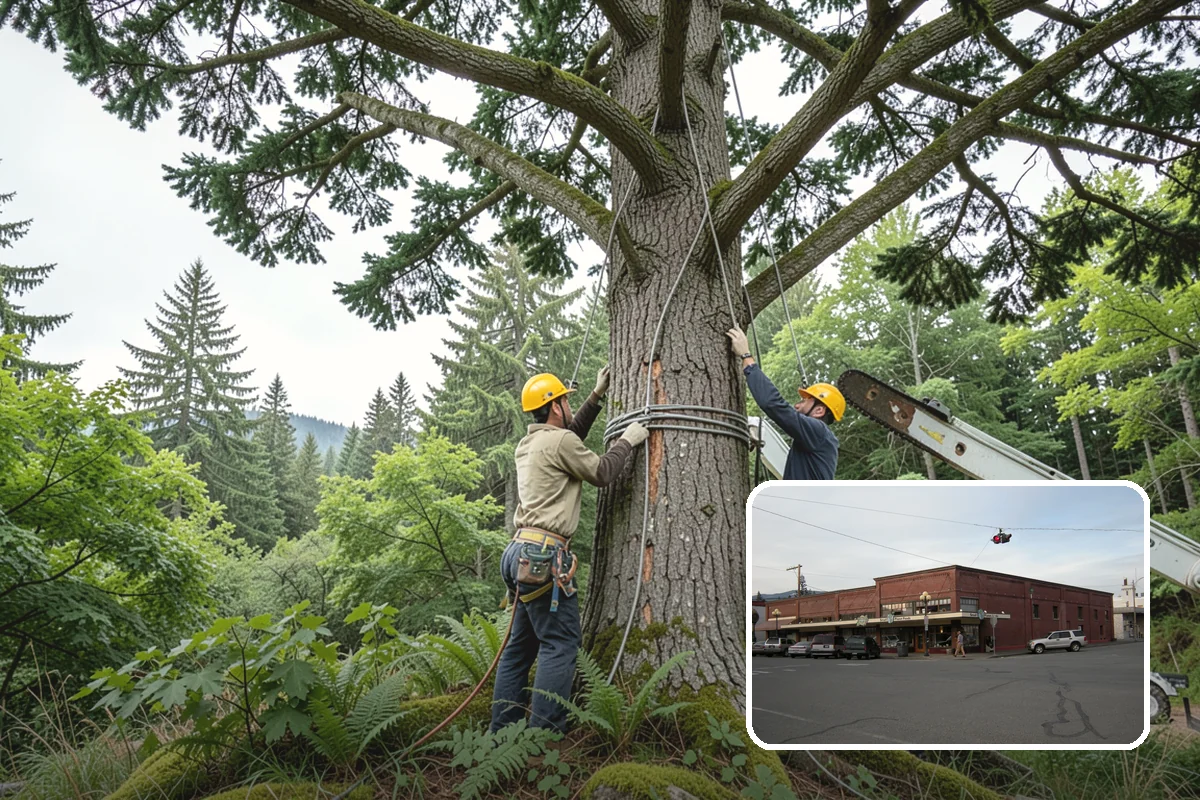
Planning tree debris removal in Sedro-Woolley
Start by walking the property and sorting what is down. Note the size of the pieces, where they lie, and whether anything is hung up in a tree overhead. Hung limbs are a separate job from ground cleanup and should not be pulled down by hand.
Why wind matters here
The forecast zone that includes Sedro-Woolley recorded 33 high and strong wind episodes between 2005 and 2025. That is a zone-wide record, not a count for your yard. It does tell you that debris is a repeat event, so it is worth checking for cracked or broken branches while you clear, since those can drop more material next time.
What affects scope
The main factors are the volume of material, the size of the logs, and how easy it is to reach. Debris behind a fence, on a slope or in soft ground takes more handling than a pile beside a driveway. Tangled brush takes longer to sort than clean cut limbs.
Where the debris goes also matters. Skagit County is inside the WSDA apple maggot quarantine, so homegrown fruit and yard waste may not be moved out of the quarantine area into pest-free areas. If you have fallen apples or other fruit mixed in with the brush, tell us before work starts so the load is handled correctly.
What to expect on the day
We start by confirming what is to be cleared and what stays. Crews cut larger pieces to manageable lengths, gather brush, and haul it off. Then we rake or blow the work area so the ground is left tidy. Wood you want to keep, such as firewood lengths, can be stacked where you choose.
If cleanup turns up a damaged tree, an ISA Certified Arborist on staff can look at it and explain your options. Estimates are free.
Practical tip: take photos of the debris and any damage before anything is moved. They help us scope the job accurately and can be useful if you need to document storm damage.
Sedro-Woolley tree conditions at a glance
| Land under dense tree cover (50%+ canopy) | 8% |
|---|---|
| Rain and snow falling October to April | 79% of the year’s total |
| Days with 0.1 in or more of rain | 122 a year |
Tree health near Sedro-Woolley
- Bears2,923 ac
- Decline, cause not identified2,732 ac
- Root disease or bears570 ac
Forest damage mapped from the air within 10 km of Sedro-Woolley, 2021-2025 (USDA Forest Service and WA DNR). This covers forest land, not street or yard trees. “Decline, cause not identified” is dieback with no single cause found.
Sources: Daymet daily weather (NASA/ORNL), NOAA Storm Events, USDA plant hardiness map 2023, NRCS soil survey, USGS elevation, WA DNR landslide inventory, USDA Forest Service aerial survey, WSDA, city tree assessments and street-tree inventories, SILVIS Lab, Arbor Day Foundation, and official city and utility pages.
Tree Debris Removal Serving Sedro-Woolley
Sedro-Woolley
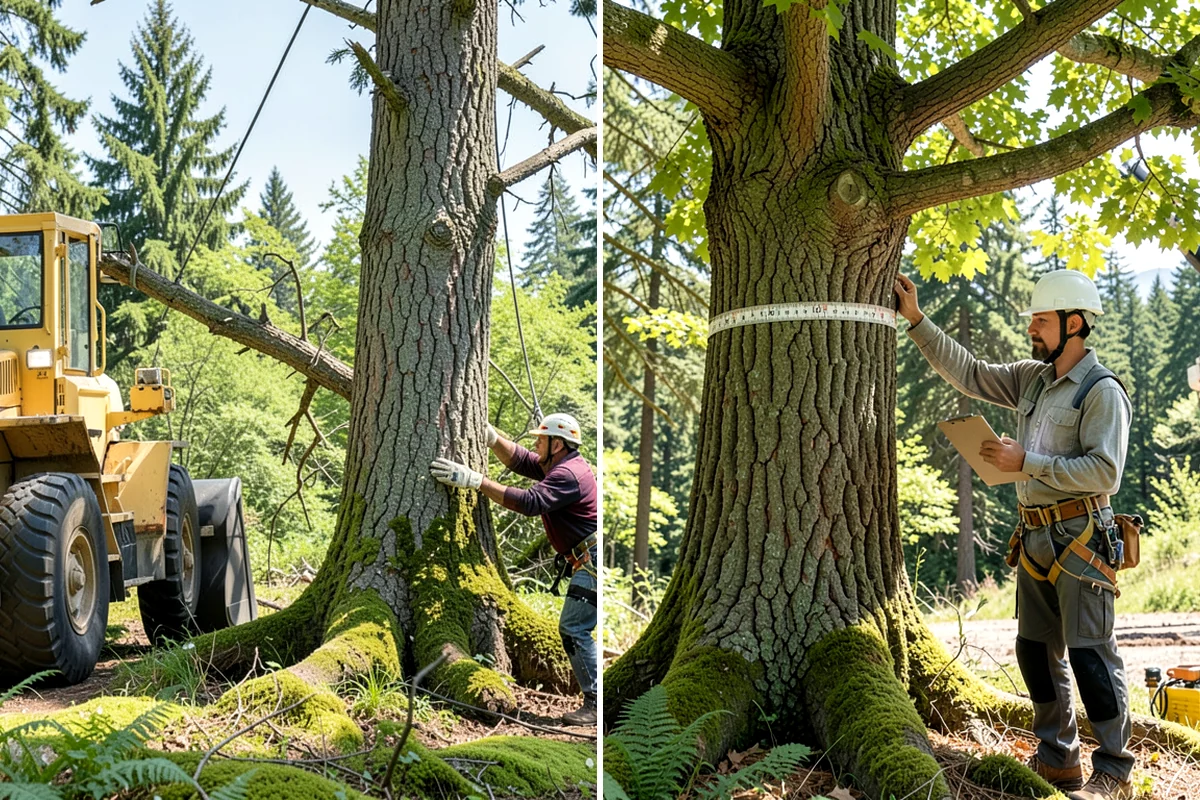
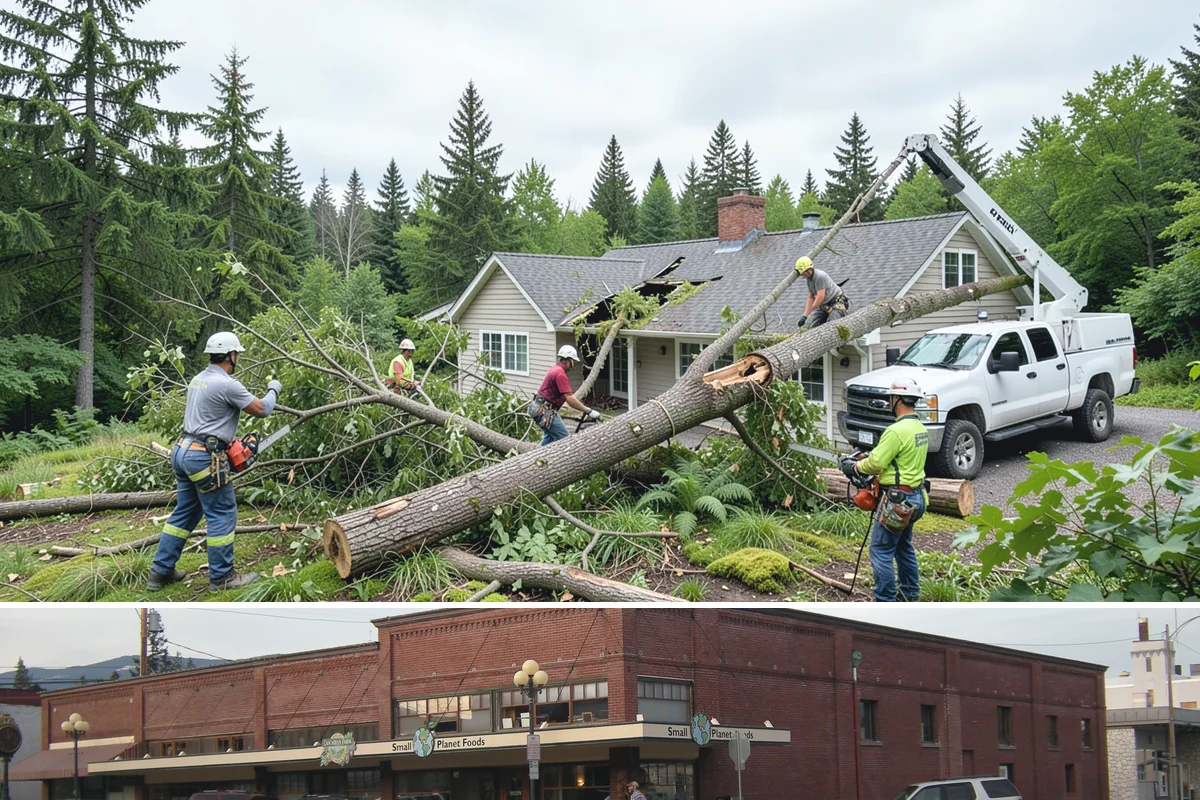
Tree debris removal in nearby areas
Also serving Sedro-Woolley
- Disaster Response Roofing in Sedro-Woolleyat Washington Roofing
- House Leveling in Sedro-Woolleyat Washington Construction
- Winterization in Sedro-Woolleyat Washington Landscaping
- Blizzard Response in Sedro-Woolleyat Washington Snow Removal