Where Safety Meets Expert Tree Service.

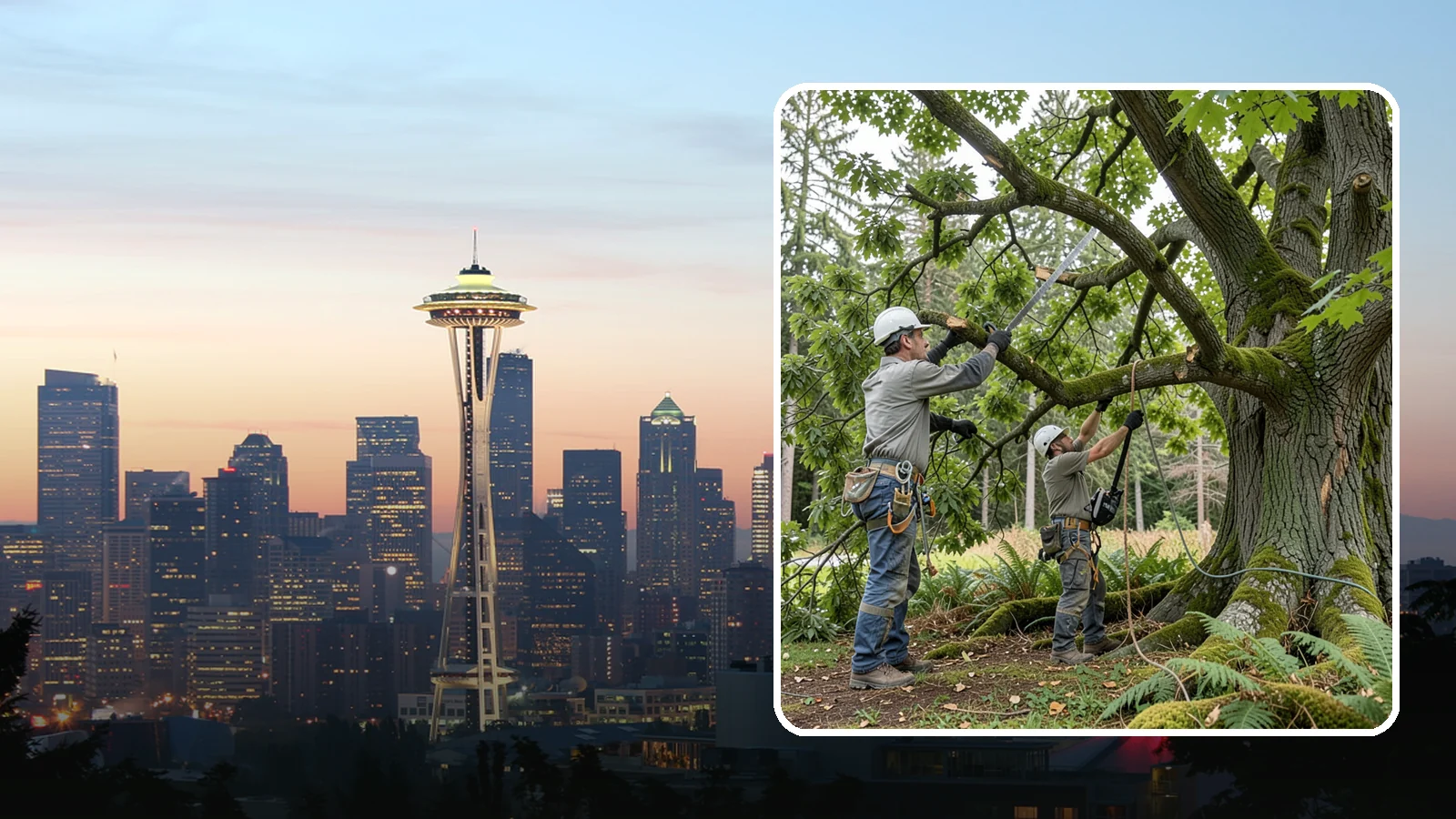
Seattle Tree Trimming
The selective trimming of branches to maintain a tree’s size, shape, and clearance.
About Tree Trimming in Seattle
We offer professional tree trimming services designed to help you maintain healthy trees around your home or property. Our trained crews work carefully to keep branches at a safe distance from structures while supporting the long-term strength of each tree. Whether you have large specimens in an open yard or smaller trees near walkways, we are here to assist with selective branch management.
What Seattle Tree Trimming Includes
This service involves selectively trimming branches to maintain your tree’s size, shape, and clearance around buildings and power lines. We focus on improving overall structure and appearance while reducing the risk of failing limbs during storms. The work is tailored to each specific species and site condition to ensure a well-kept canopy that looks great year-round.
Seattle Tree Trimming Process
Our team begins by assessing your tree’s current health and defining clear pruning objectives for the job. We select precise cuts suited to the season and species, ensuring we remove only healthy amounts of live tissue without causing stress. After making clean incisions at proper points, our crew lowers branches safely, processes the wood material, and leaves your work area completely clean.
Equipment We Use for Seattle Tree Trimming
To complete this service efficiently, we utilize hand saws, pole saws, chainsaws, and climbing gear matched to the specific task. Depending on access needs, aerial lifts may be deployed alongside personal protective equipment for everyone involved. A dedicated wood chipper is also used to process cut material quickly so your property remains tidy throughout the project.
Seattle Tree Trimming Safety & Best Practices
We strictly follow recognized pruning standards to avoid making harmful cuts that could weaken a tree’s structure or health. Our crews stay alert to overhead power lines and unstable limbs, using fall protection whenever anyone works aloft. By limiting removal to appropriate amounts of live tissue, we ensure your trees remain vigorous while keeping your home safe from falling branches.
Signs You Need Tree Trimming in Seattle
You may need this service if you notice deadwood in the canopy or weak unions that could lead to branch failure. Overgrown limbs interfering with structures, sightlines, or utility lines are also clear indicators that trimming is required. If a tree’s growth pattern threatens clearance near your driveway or windows, professional selective trimming can restore balance and safety.
What Affects the Cost of Tree Trimming in Seattle
The investment for this work depends on the specific species of trees you have and how complex their canopy structure becomes during assessment. Factors such as difficult site access conditions and the volume of material that needs to be processed for disposal will also influence the final price. We provide transparent estimates based on these real-world variables rather than fixed rates or percentages.
Best Time of Year for Seattle Tree Trimming
Work is scheduled according to seasonal timing sensitivities inherent to each tree species in our local Puget Sound region. Our crews follow recognized arboricultural standards that match pruning activities to the natural growth cycles of your specific trees. This approach ensures minimal stress on the plants while allowing them to heal effectively before winter or peak growing seasons arrive.
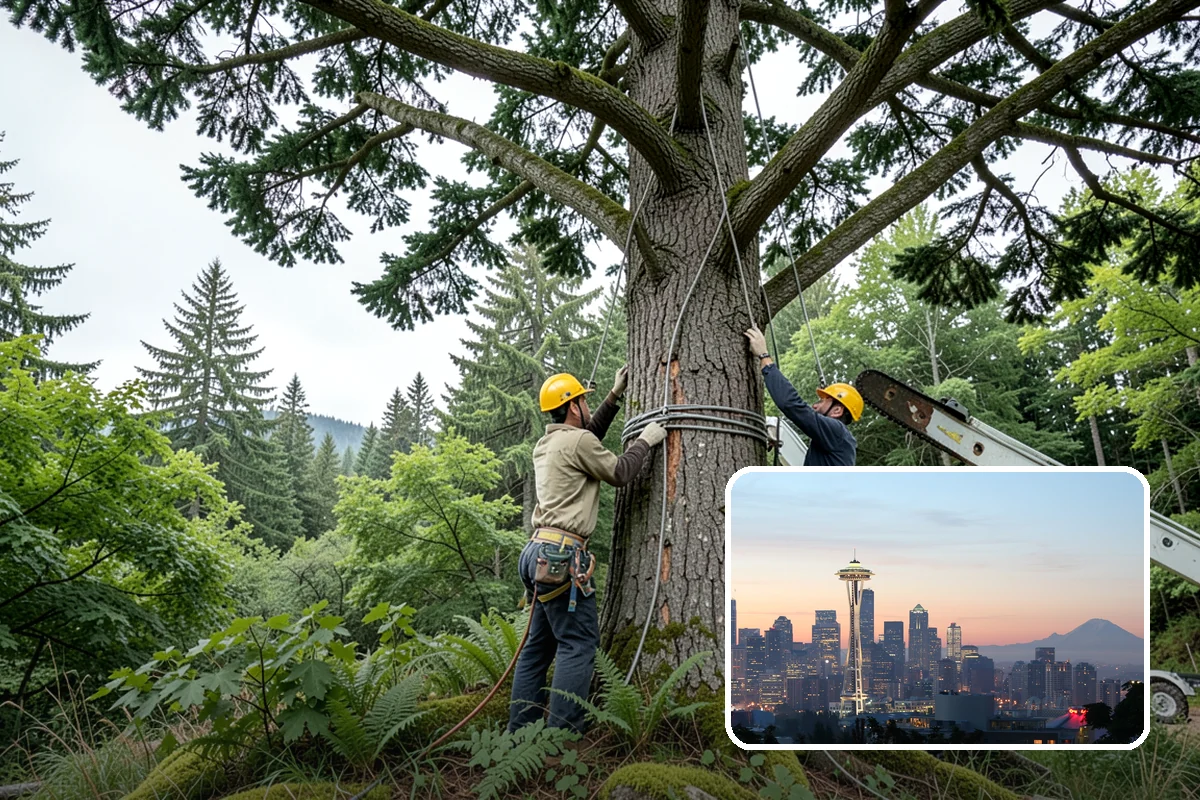
Tree Trimming Serving Seattle
Seattle
The region’s largest city and the King County seat, set between Puget Sound and Lake Washington on hilly terrain.
Growing Conditions in Seattle
Permits & Local Notes for Seattle
Tree Trimming in nearby areas
Also serving Seattle
- Fruit Tree Pruning in Seattleat Washington Landscaping
- Roof Maintenance Plan in Seattleat Washington Roofing
- Street Tree Removal in Seattleat Washington City Services