Where Safety Meets Expert Tree Service.


About Roof Clearance Pruning in Seattle
Roof clearance pruning helps keep your home’s exterior safe by trimming branches away from rooflines. This essential tree care protects roofing materials and gutters while reducing the amount of debris that accumulates over time. We work with homeowners throughout our service area to maintain healthy trees without compromising their structure or safety.
What Seattle Roof Clearance Pruning Includes
Our team specializes in pruning branches specifically to create safe distance between your limbs and your home’s roofline. This targeted approach reduces potential damage from falling leaves, twigs, and larger debris that can clog gutters or wear down shingles. We focus on removing only what is necessary while respecting the natural growth patterns of each tree species.
Seattle Roof Clearance Pruning Process
The work begins with a careful assessment of your canopy condition to determine the best pruning objectives for your specific trees. Our trained crews select precise cuts tailored to the season and species, ensuring clean incisions that avoid stressing the plant. After making these strategic cuts, we lower the material safely and thoroughly clean up the entire work area around your property.
Equipment We Use for Seattle Roof Clearance Pruning
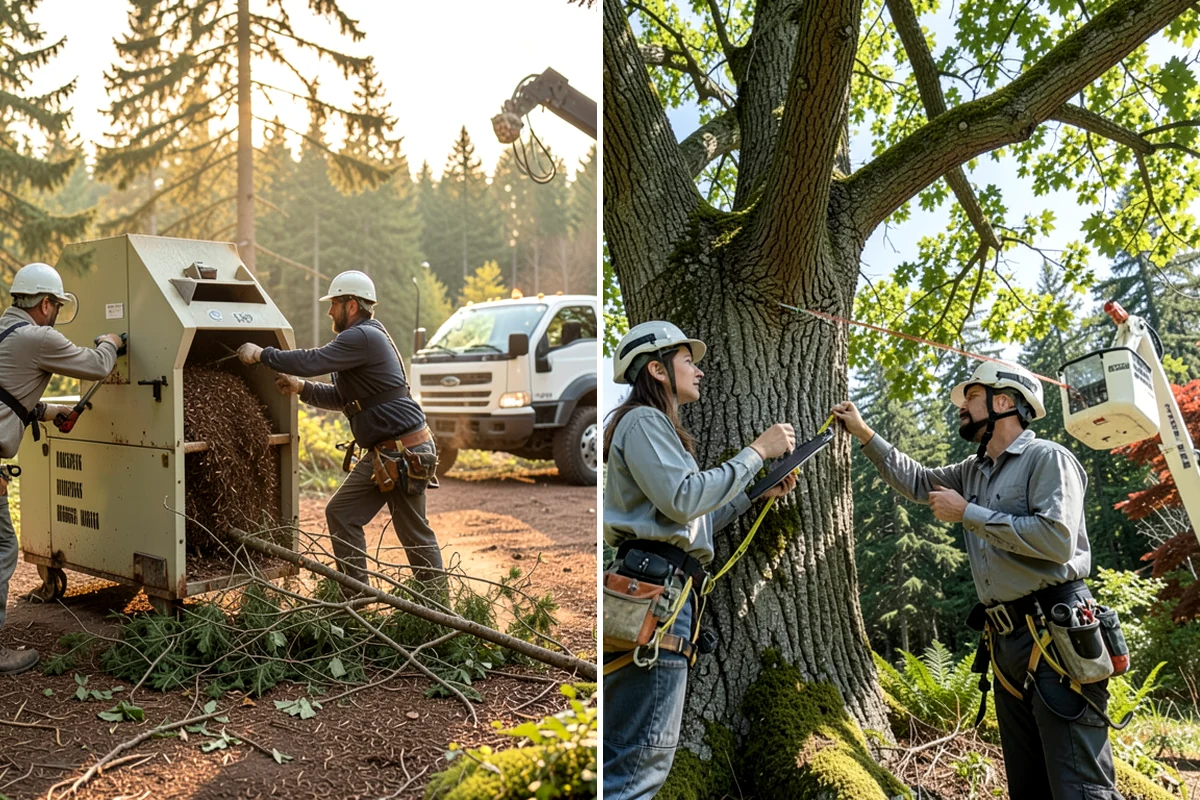
We utilize a variety of tools including hand saws, pole saws, chainsaws, and wood chippers to handle branches efficiently. Depending on how close trees are to structures or roofs, our crews may use climbing rigging gear or aerial lifts for safe access. All personnel wear proper personal protective equipment while operating this specialized machinery around your home.
Seattle Roof Clearance Pruning Safety & Best Practices
We strictly follow recognized arboricultural standards to avoid making harmful cuts that could weaken a tree’s structure. Our crew watches carefully for overhead power lines and unstable limbs before beginning any work aloft or on the ground. Fall protection systems are used whenever workers climb, ensuring everyone remains secure throughout the pruning process.
Signs You Need Roof Clearance Pruning in Seattle
You may need this service if you notice branches hanging low over your roofline or accumulating excessive debris in gutters. Deadwood found near weak unions or limbs interfering with structures also indicate that clearance work is appropriate for your trees. Addressing these issues early helps prevent branch failure and supports the long-term health of your landscape.
What Affects the Cost of Roof Clearance Pruning in Seattle
The final price depends on factors such as tree species, current canopy condition, and specific access requirements like climbing gear or lifts. We also consider the volume of debris that needs processing and removal from your site before concluding our estimate. Each project is unique, so we evaluate these variables to provide a fair assessment for every job.
Best Time of Year for Seattle Roof Clearance Pruning
Scheduling work during dormant seasons often minimizes stress on trees caused by over-pruning live tissue at the wrong time. We adhere to specific timing sensitivities required by different tree species common in our region to ensure optimal healing and growth. Planning ahead allows us to match methods to site conditions while keeping your trees vigorous throughout their life cycle.
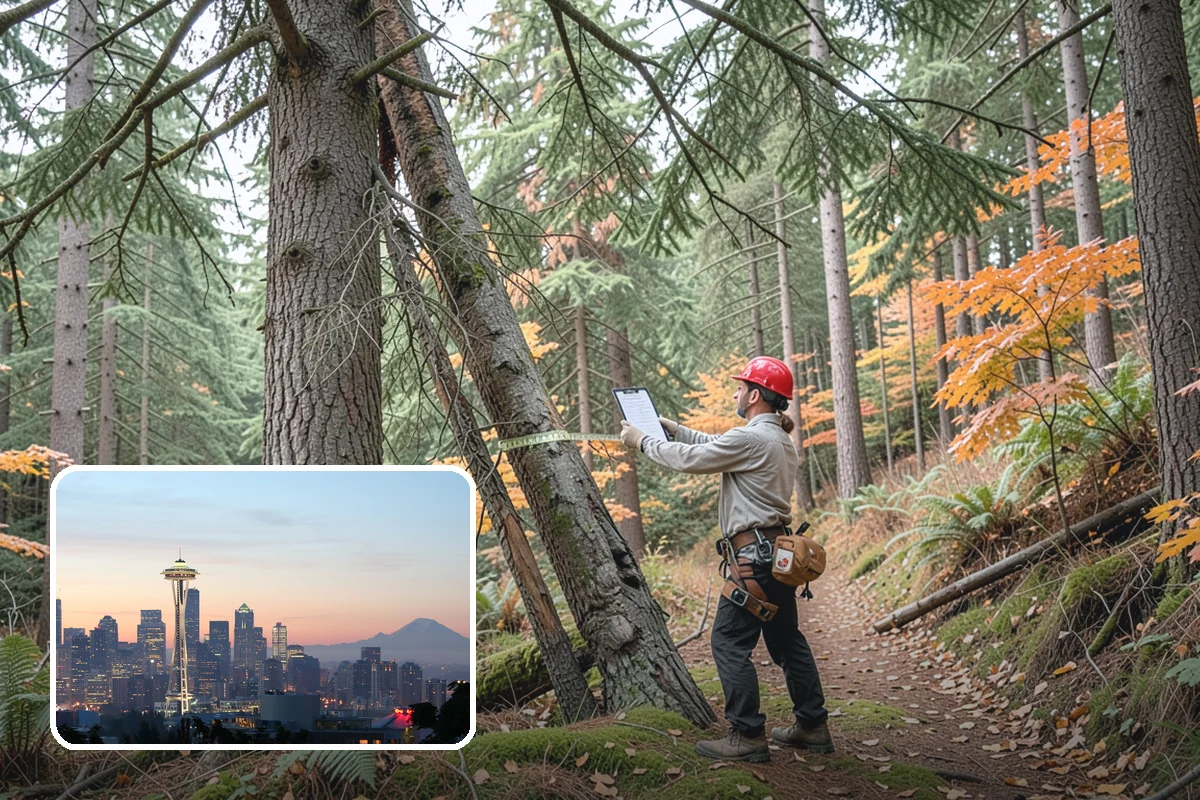
Roof Clearance Pruning Serving Seattle
Seattle
The region’s largest city and the King County seat, set between Puget Sound and Lake Washington on hilly terrain.
Growing Conditions in Seattle
Permits & Local Notes for Seattle

Roof clearance pruning in nearby areas
Also serving Seattle
- Plum Tree Pruning in Seattleat Washington Landscaping
- Annual Roof Maintenance Program in Seattleat Washington Roofing
- Storm Cleanup in Seattleat Washington City Services