Where Safety Meets Expert Tree Service.

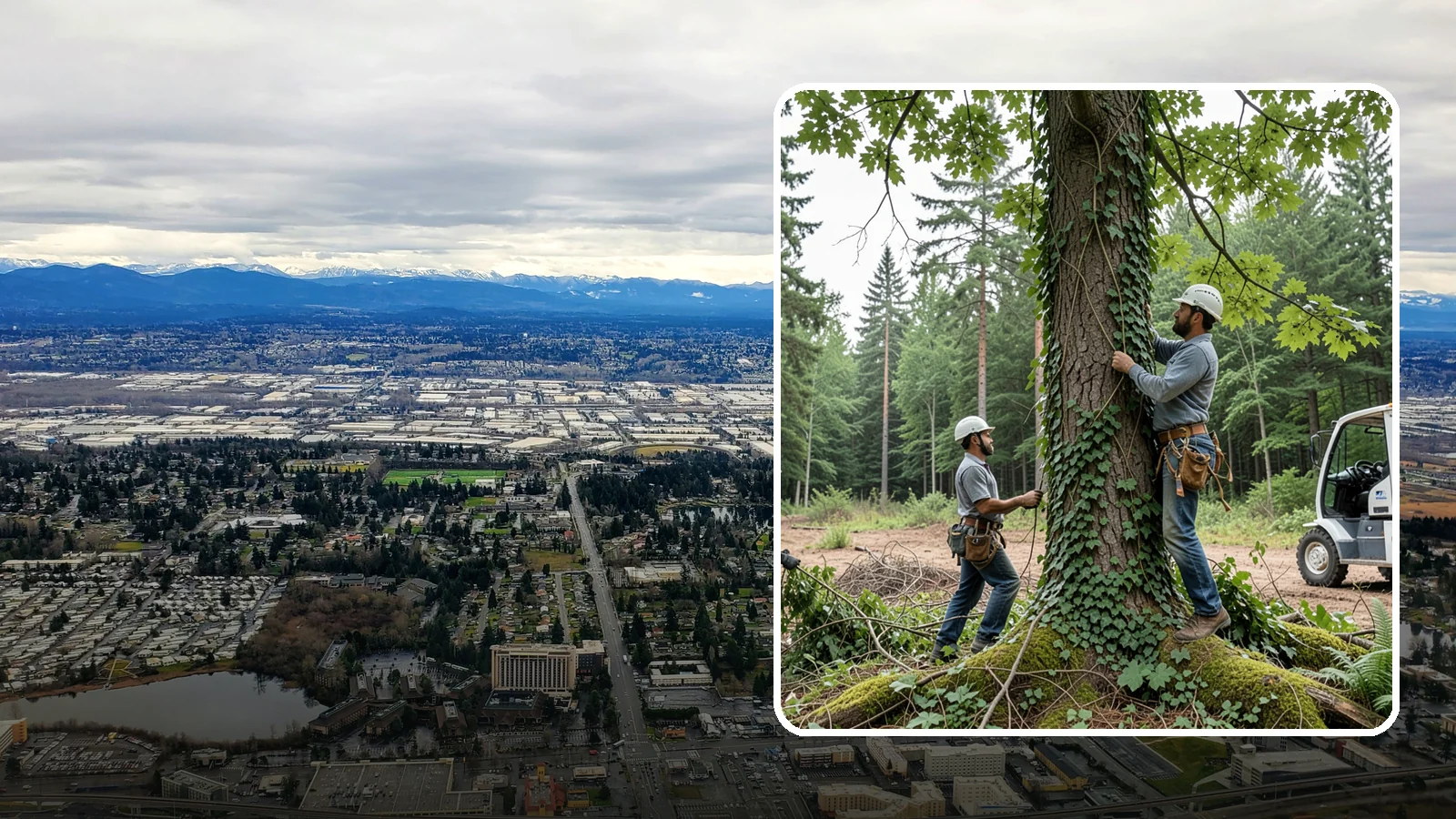
SeaTac Ivy Removal From Trees
The removal of ivy and climbing vines from trees.
You may see ivy leaves climbing past the base of a trunk and reaching into the lower branches. Maybe the bark is hidden under a thick green mat, or the canopy looks thinner than it did a few years ago. Those are good reasons to take a closer look.
Ivy on a tree is easier to deal with early. A thin vine can be cut and pulled by hand. A mature mat with thick stems takes more care. This page explains how ivy affects trees in SeaTac and how the removal work is done.
About Ivy Removal From Trees in SeaTac
Removing ivy from trees is a vital part of keeping your landscape healthy and stable. This care helps protect long-term tree health while allowing for proper inspection of the trunk and branches. It supports the stability of valued specimens by addressing issues before they escalate into larger problems.
What SeaTac Ivy Removal From Trees Includes
Our crews specialize in removing climbing vines like ivy to restore natural conditions around the root system. The work is tailored to match specific tree species, site conditions, and access constraints for a safe outcome. This process also improves soil and root conditions that may have been compromised by heavy vine growth.
SeaTac Ivy Removal From Trees Process
We begin with a thorough inspection of the tree and its surrounding area to identify contributing factors such as pests or disease. Based on these findings, we recommend and apply appropriate treatments while documenting all observations for follow-up care. Our methods are designed to avoid damage to roots and trunks during removal operations.
Equipment We Use for SeaTac Ivy Removal From Trees
Trained crews use diagnostic tools and soil probes to assess the health of your trees before starting work. We utilize injection or application equipment as needed, along with air excavation tools when specific conditions require them. All personnel wear necessary personal protective equipment to ensure safety throughout every step of the job.
SeaTac Ivy Removal From Trees Safety & Best Practices
Safety is a priority, so we strictly follow label and application guidelines for any products used during removal. Our team takes care to protect nearby soil and surrounding plantings while avoiding damage to roots or trunks. We also document conditions accurately to maintain clear records of our work and recommendations.
Signs You Need Ivy Removal From Trees in SeaTac
You may need this service if you notice signs of decline from past construction, grade changes, or compacted soils. Girdling roots caused by vines are another indicator that ivy removal could benefit your tree’s stability. Catching these problems early allows us to improve soil conditions before they lead to serious health issues.
What Affects the Cost of Ivy Removal From Trees in SeaTac
The cost is influenced by the height and spread of each individual tree being treated. Access constraints for equipment can also impact pricing, as well as the volume of ivy debris that requires removal. These factors ensure we provide a fair estimate based on the specific needs of your property.
Best Time of Year for SeaTac Ivy Removal From Trees
This work can be performed year-round in our local climate to address issues whenever they arise. However, extra caution is required during wet seasons to prevent soil erosion or slipping hazards while working near trees. Planning around these weather patterns helps ensure the safety of both workers and your landscape.
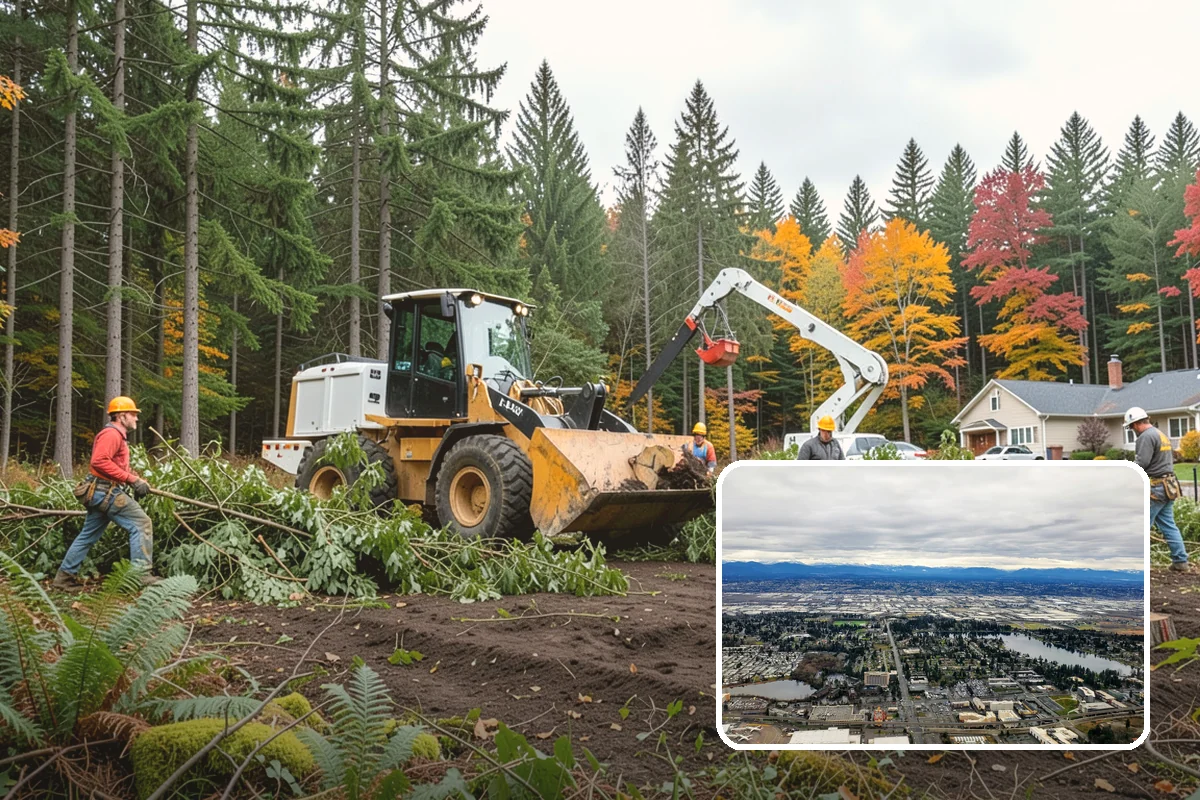
How ivy removal from trees works in SeaTac
English ivy climbs by rooting into bark. It does not take nutrients from the tree the way a parasite would, but it causes other problems. Dense leaves in the upper canopy compete with the tree's own foliage for light. The added weight and the bulk of the mat can make a tree harder on its limbs in wind. A thick mat also hides the trunk, so cracks, decay, fungal growth and wounds go unnoticed.
Local conditions matter here. SeaTac sees about 109 days a year with 0.1 inch or more of rain, according to Daymet records from 2005 to 2025. Ivy holds moisture against bark and stays green through damp months, so it has plenty of favorable growing time. SeaTac is also in USDA hardiness zone 9a (USDA map, 2023), a mild zone where ivy is not set back by hard winter cold.
One more local detail is worth putting in context. A 2021 to 2025 aerial survey by the USDA Forest Service and WA DNR covered forest within 10 km of SeaTac. It mapped 86 acres of decline with no cause identified, meaning dieback where no single cause was found, in Pacific madrone and western redcedar. That is forest land, not yard trees, and it says nothing about your tree. It does mean a thinning canopy is not always explained by ivy, so we look at the whole tree.
The work follows standard practice. We cut the ivy stems around the trunk at a comfortable working height, creating a clear gap all the way around. We then leave the upper vines to die and loosen, rather than pulling them off living bark, which can tear it. We also clear ivy from the ground around the base so it cannot regrow up the trunk. Our ISA Certified Arborist can check the exposed bark afterward for damage or decay. If a city permit might apply to any work on the tree, we check with the city before starting.
SeaTac tree conditions at a glance
| Homes in the wildland-urban interface | 0% |
|---|---|
| Land under dense tree cover (50%+ canopy) | 13% |
| Landslides mapped by WA DNR | 2 |
| Rain and snow falling October to April | 83% of the year’s total |
Tree removal rules in SeaTac
SeaTac’s published rules don’t spell out clearly which removals need city approval. We check with the city before work starts.
Tree health near SeaTac
Japanese beetle (WSDA 2026): 843 beetles caught in WSDA traps, 2026.
Japanese beetle (WSDA 2026): First WSDA Japanese beetle treatments in Western Washington ("South King County Treatment Area" around SeaTac).
- Decline, cause not identified86 ac
Forest damage mapped from the air within 10 km of SeaTac, 2021-2025 (USDA Forest Service and WA DNR). This covers forest land, not street or yard trees. “Decline, cause not identified” is dieback with no single cause found.
Sources: Daymet daily weather (NASA/ORNL), NOAA Storm Events, USDA plant hardiness map 2023, NRCS soil survey, USGS elevation, WA DNR landslide inventory, USDA Forest Service aerial survey, WSDA, city tree assessments and street-tree inventories, SILVIS Lab, Arbor Day Foundation, and official city and utility pages.
Ivy Removal From Trees Serving SeaTac
SeaTac
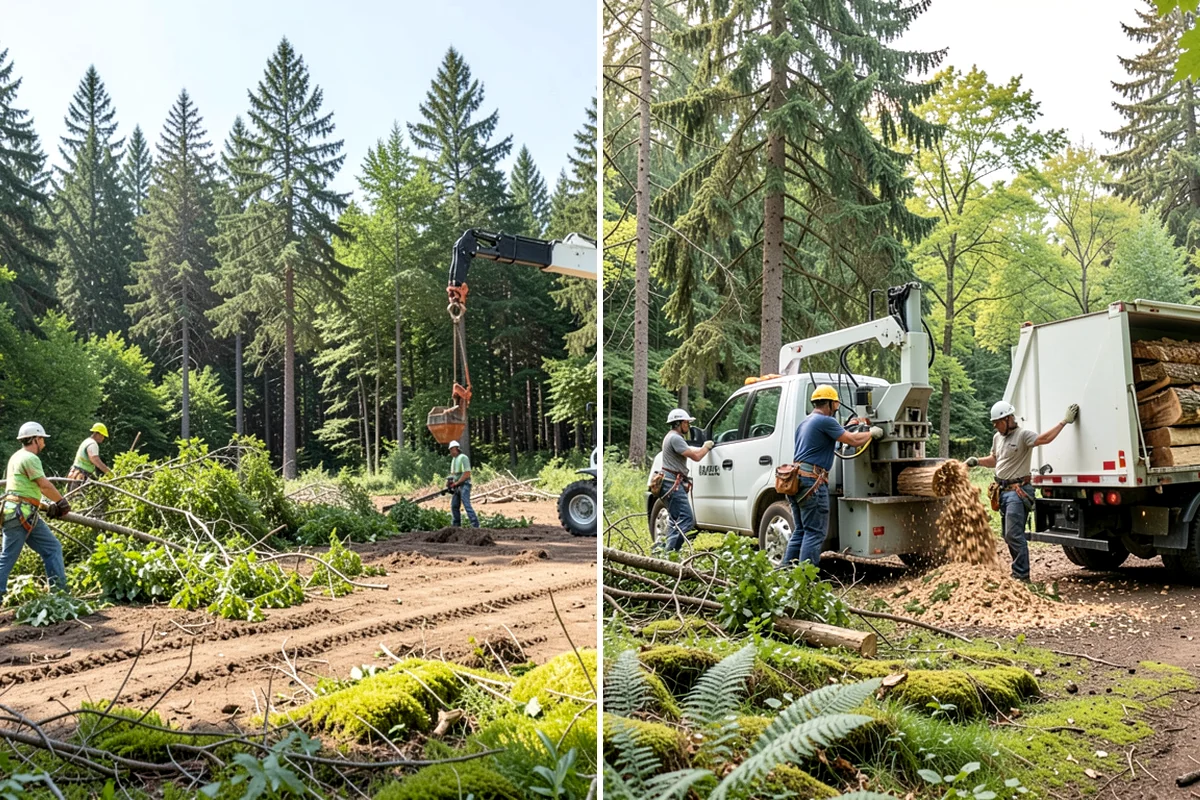
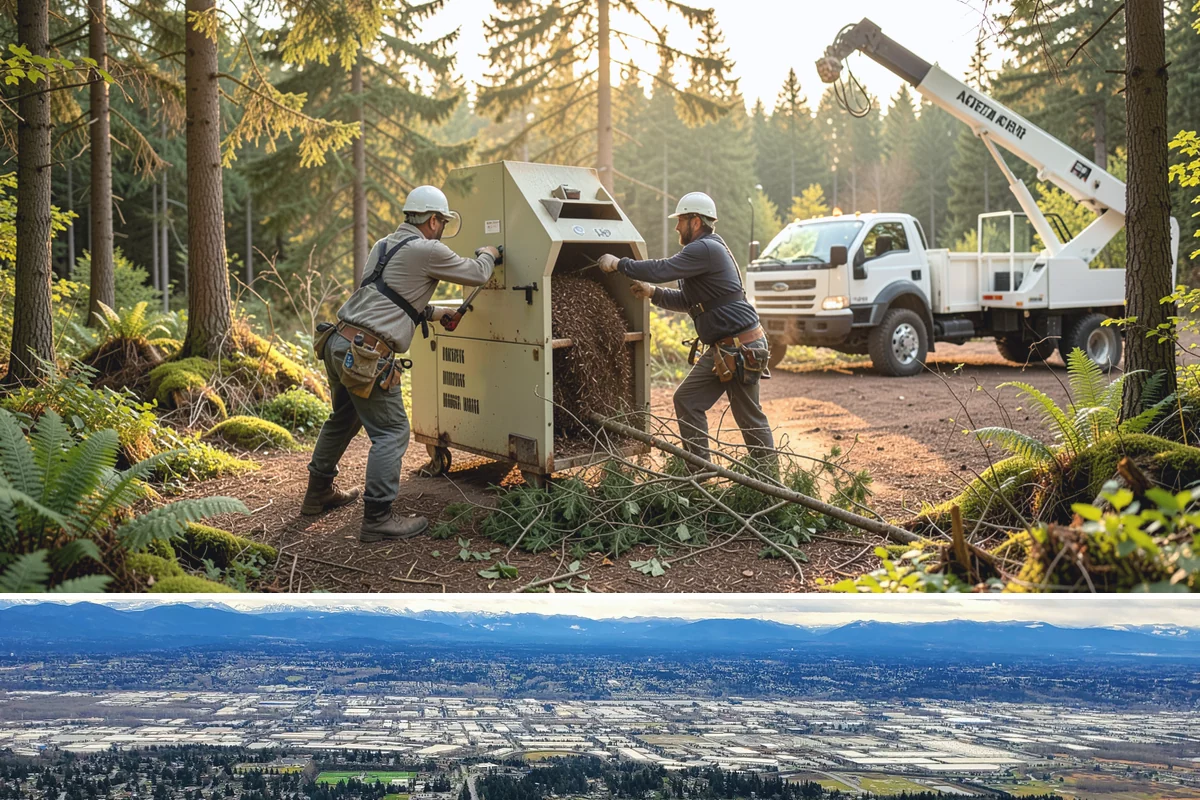
Ivy removal from trees in nearby areas
Also serving SeaTac
- Bed Weeding in SeaTacat Washington Landscaping
- Landscape Renovations in SeaTacat Washington City Services