Where Safety Meets Expert Tree Service.

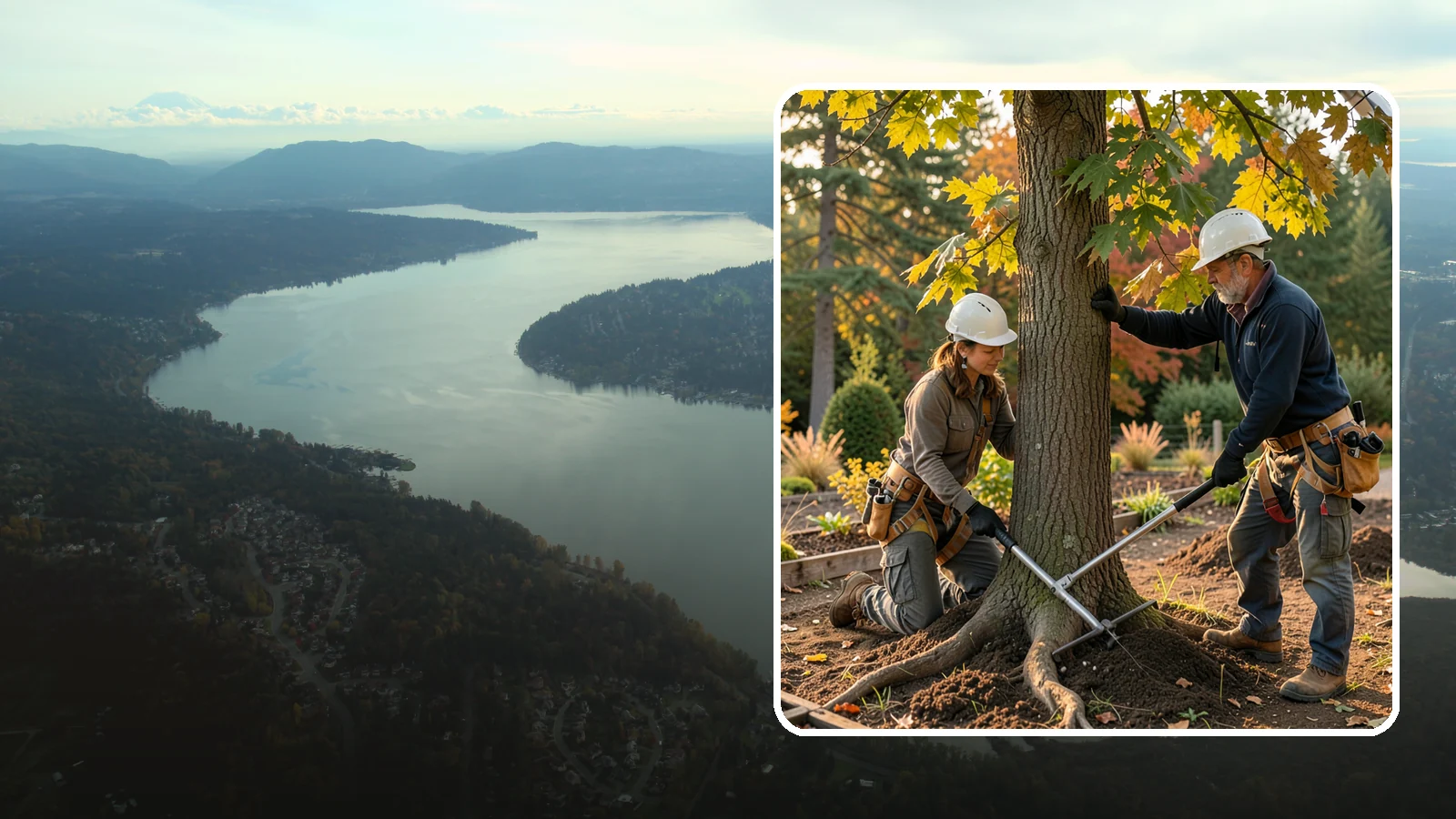
Sammamish Root zone aeration
The loosening and aerating of compacted soil in the root zone.
About Root Zone Aeration in Sammamish
Root zone aeration is a thoughtful tree health care option designed to help your valued trees thrive in compacted soil conditions. This service supports long-term stability by ensuring roots receive the air and water they need for strong growth. It is ideal for homeowners who want to catch potential issues before they escalate into larger problems.
What Sammamish Root Zone Aeration Includes
Root zone aeration involves loosening and aerating the dense earth within your tree’s root system to improve movement underground. Our trained crews match their methods specifically to your unique species, site conditions, and access requirements following recognized arboricultural standards. This approach directly improves soil and root conditions while extending the useful life of your trees.
Sammamish Root Zone Aeration Process
The work typically begins with a thorough inspection of the tree and its surrounding environment to identify contributing factors like pests or disease. We then recommend and apply appropriate treatments based on our findings, documenting everything for clear follow-up care plans. This systematic process ensures that every step addresses the specific needs identified during the initial assessment.
Equipment We Use for Sammamish Root Zone Aeration
Professionals use diagnostic tools and soil probes to gather accurate information about your tree’s underground environment before any work begins. Specialized injection or application equipment is utilized to deliver treatments effectively, with air excavation tools reserved for cases requiring specialized access. All crews wear necessary personal protective equipment while operating these various pieces of machinery on-site.
Sammamish Root Zone Aeration Safety & Best Practices
We strictly follow label and application guidelines for all products used during the aeration process to protect both your soil and nearby plantings. Our team takes great care to avoid damaging roots or trunks, ensuring that our work does not harm the very trees we are trying to help. Accurate documentation of site conditions is also maintained throughout the job to ensure safety standards are met at every stage.
Signs You Need Root Zone Aeration in Sammamish
You may need this service if your soil appears compacted or poor, which can hinder a tree’s ability to access essential resources. Other indicators include girdling roots that restrict growth or signs of decline caused by past construction and grade changes near the trunk. If pests or disease are suspected alongside these physical issues, root zone aeration helps create better conditions for recovery.
What Affects the Cost of Root Zone Aeration in Sammamish
The investment for this service is influenced by factors such as the size of your trees and how severe the soil compaction has become. Site access constraints can also play a role in pricing, particularly if invasive girdling roots require specialized excavation tools to remove safely. These variables ensure that every project plan reflects the specific complexity of your individual tree care needs.
Best Time of Year for Sammamish Root Zone Aeration
While this service works year-round within our local climate, it often yields best results during dormant seasons or mild weather periods. Scheduling work outside of active growth helps avoid stressing trees when they are most vulnerable to environmental changes. Choosing these times allows for more effective treatment without adding unnecessary pressure to your landscape’s natural cycle.

Root Zone Aeration Serving Sammamish
Sammamish
A residential plateau city on the east side of Lake Sammamish.
Growing Conditions in Sammamish
Permits & Local Notes for Sammamish
Also serving Sammamish
- Root Flare Excavation in Sammamishat Washington Landscaping
- Mulch Installation in Sammamishat Washington City Services