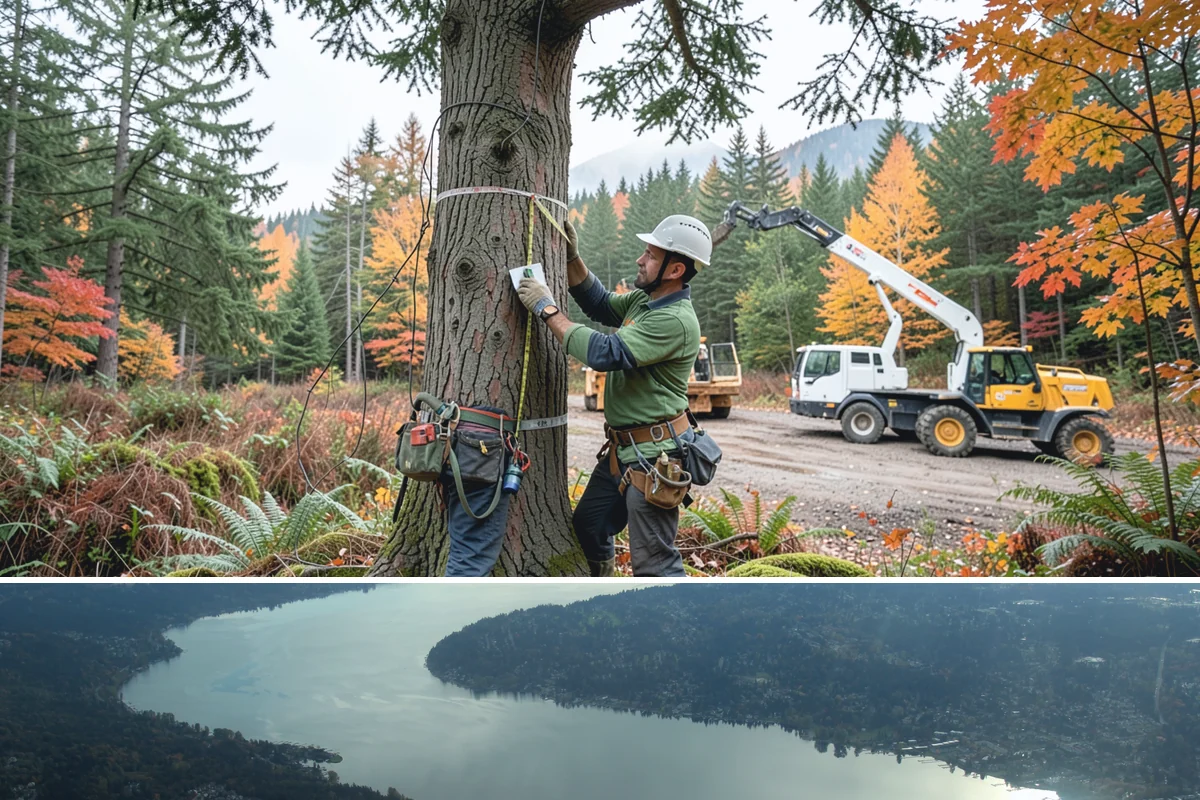
Where Safety Meets Expert Tree Service.

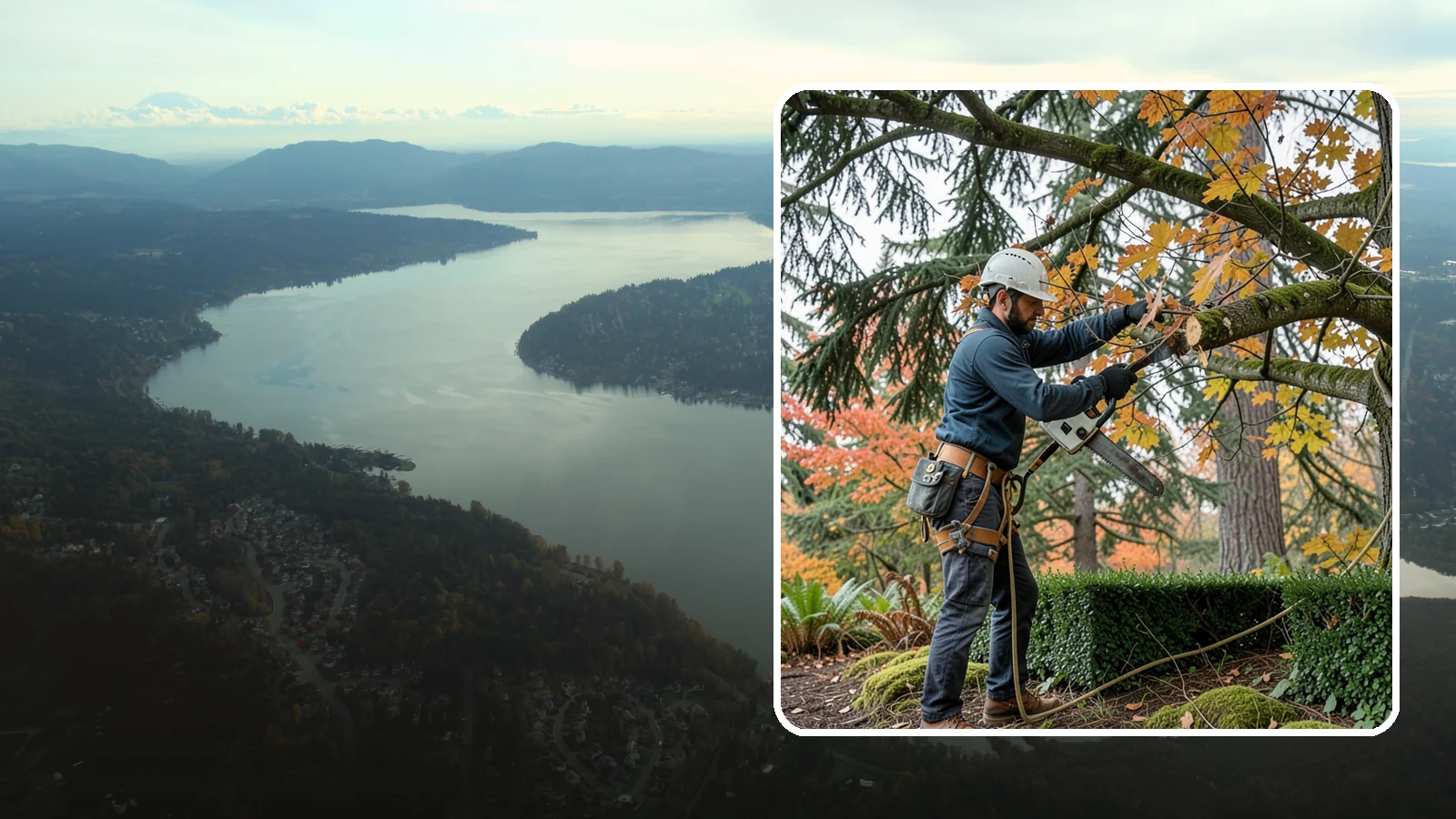
About Hedge Trimming in Sammamish
We provide professional hedge trimming to help keep your ornamental plantings dense, healthy, and well-formed throughout the growing season. This essential maintenance is perfect for homeowners who want their shrubs to look tidy while supporting strong growth and flowering. Our trained crews are ready to assist with shaping hedges that define your landscape’s appearance.
What Sammamish Hedge Trimming Includes
Hedge trimming focuses on the precise shaping and ongoing care of your ornamental shrubs to maintain a neat, defined form. We perform this work using methods tailored specifically to each plant species, current site conditions, and available access points. The goal is always to preserve the health of your plants while achieving the shape you desire for your garden.
Sammamish Hedge Trimming Process
Our team begins by assessing the condition of your hedges and discussing your specific objectives for their appearance. We then select cuts that match the natural growth habits of each species and avoid removing too much live material at once. After shaping and thinning as needed, we carefully clean up all trimmings to leave your property looking fresh and organized.
Equipment We Use for Sammamish Hedge Trimming
To handle this work safely and effectively, our crews use a variety of tools including hedge trimmers, hand pruners, and pole saws when necessary. We also bring collection equipment to haul away the resulting debris so it does not clutter your yard or garden beds. All personnel wear appropriate personal protective gear while operating these powerful machines around your home.
Sammamish Hedge Trimming Safety & Best Practices
Safety is a priority as we prune only during times that reduce stress on the plant, such as avoiding heavy cuts when active growth is occurring. We ensure all powered trimmers are used with proper eye protection and keep our tools sharp to prevent slipping or injury. By following recognized arboricultural standards, we protect both your plants from damage and you from potential hazards while working near structures.
Signs You Need Hedge Trimming in Sammamish
You may need this service if your hedges have become overgrown, neglected, or show signs of thinning in the interior due to improper past cuts. If pests or disease are affecting your shrubs, proper trimming can help manage their spread when done correctly by a trained professional. Additionally, if you notice that flowering is being disrupted because shearing happened at the wrong time, we can adjust our approach for future visits.
What Affects the Cost of Hedge Trimming in Sammamish
The price of this service depends on factors such as the overall size of your hedges and how easily equipment crews can access them. Plant species that require specialized pruning techniques or a high volume of trimmings to dispose of will also influence the final cost. Site-specific obstacles like tight walkways or nearby structures may further impact how we approach the job, affecting both time and resources needed.
Best Time of Year for Sammamish Hedge Trimming
In our local climate, it is best to schedule hedge trimming during dormancy or early spring to avoid disrupting flowering cycles in your ornamental shrubs. We strictly advise against over-shearing when active growth is occurring, as this can harm the plant’s ability to bloom properly later in the season. Planning for these specific windows ensures that your hedges remain healthy and vibrant year after year without unnecessary stress from pruning activities.
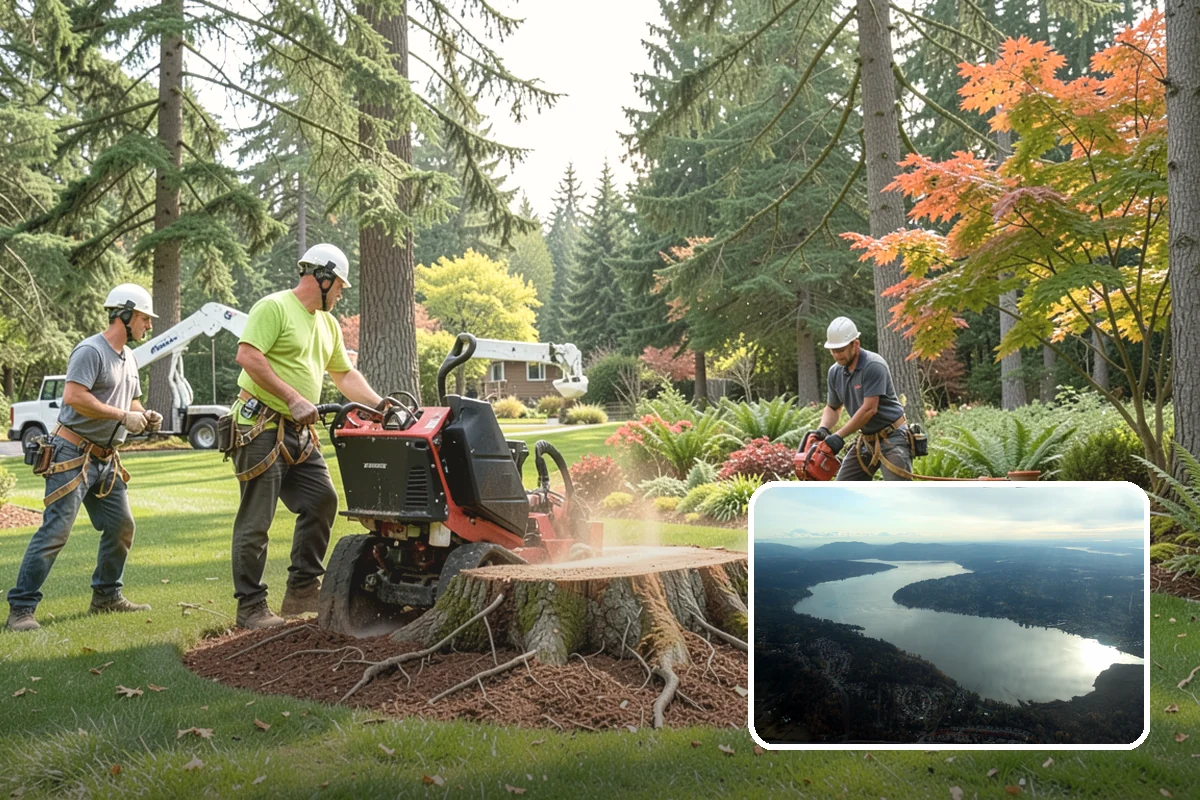
Hedge Trimming Serving Sammamish
Sammamish
A residential plateau city on the east side of Lake Sammamish.
Growing Conditions in Sammamish
Permits & Local Notes for Sammamish