Where Safety Meets Expert Tree Service.


Ruston Firewood Cutting And Delivery
The cutting of logs into firewood and its delivery.
In Ruston, 84% of the year's rain and snow falls between October and April, according to Daymet data for 2005 to 2025. That is the same stretch when most people burn wood. Firewood ordered in October usually has to be cut, split and stacked well before then to be ready.
Firewood cutting and delivery means we cut the logs to length, split them and bring them to your property. Below is how the work goes, and what to plan around so the wood you get actually burns well.
About Firewood Cutting And Delivery in Ruston
Turn your removed logs into usable firewood so you can keep heat in your home during colder months. Our trained crews handle the entire process from cutting to delivery for homeowners across Washington State who want a clean site and quality fuel. We work with various tree species and access conditions to ensure your wood is ready when you need it most.
What Ruston Firewood Cutting And Delivery Includes
This service transforms leftover timber into seasoned firewood that supports responsible reuse of materials while keeping your property tidy. It includes sorting, cutting, milling, or chipping logs as needed before they are loaded for transport to your location. The goal is to convert debris into a valuable product without adding extra disposal burdens to your household.
Ruston Firewood Cutting And Delivery Process
We begin by sorting material based on its type and size to determine the best method for processing each piece. Crews then chip, cut, mill, or load the wood according to your specific requirements before hauling it away or delivering it directly. Finally, we clean up the work area to leave your site safe and free of debris after completion.
Equipment We Use for Ruston Firewood Cutting And Delivery
Our teams utilize chainsaws, wood chippers, loaders, and hauling vehicles tailored to match tree species and site conditions. When necessary, specialized milling equipment is brought in to ensure logs are processed into high-quality firewood pieces. All operators wear personal protective equipment while using these tools to maintain a safe environment throughout the job.
Ruston Firewood Cutting And Delivery Safety & Best Practices
We keep hands and bystanders clear of feed equipment at all times during operations on your property. Loads are securely fastened before transport, and every crew member wears eye and hearing protection while working with loud machinery. Logs are handled with proper techniques and appropriate gear to prevent injury or damage to the wood being moved.
Signs You Need Firewood Cutting And Delivery in Ruston
You may need this service if you have large logs that require cutting down into manageable sizes for your fireplace. Situations where embedded metal, debris, or unusual moisture levels exist in removed trees also indicate a time to call us. If access limits make manual handling difficult, our crews can navigate these challenges to deliver seasoned firewood safely.
What Affects the Cost of Firewood Cutting And Delivery in Ruston
The final price depends on the size of the logs and how much equipment is needed to reach them. Embedded metal or debris within the wood can influence costs by requiring extra care during processing. Additionally, moisture levels that affect product quality will be considered when determining the best approach for your specific load.
Best Time of Year for Ruston Firewood Cutting And Delivery
Seasonal changes in weather impact how quickly wood seasons properly before it reaches you as finished firewood. We plan our deliveries to account for these variations and ensure your logs dry out effectively during transport or storage. Waiting until moisture levels are favorable helps guarantee that the delivered product meets quality standards for burning efficiently.
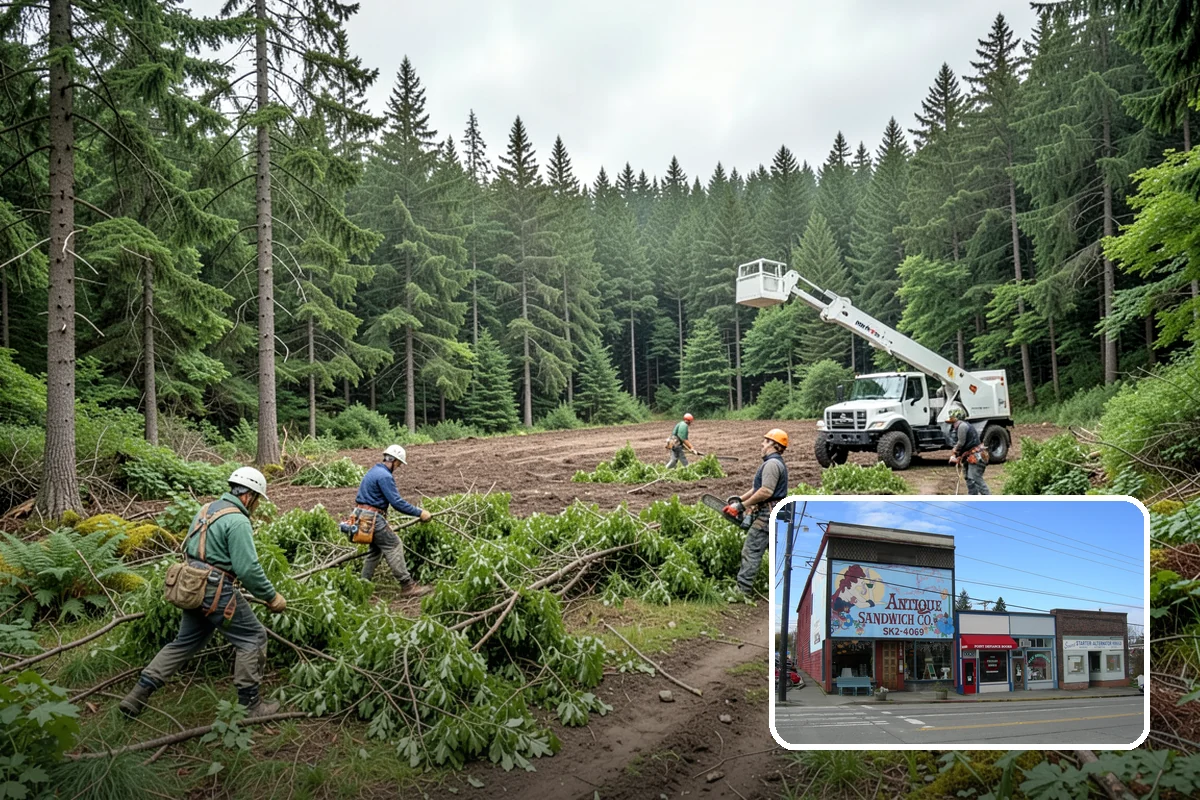
How firewood cutting and delivery works in Ruston
Wood burns best when it is dry. Freshly cut wood holds a lot of water, and it smokes, burns poorly and leaves more creosote in a chimney. Seasoning means letting split wood dry in open air for months, and denser woods often need longer than softer ones.
That is where Ruston's weather matters. Daymet records show 84% of yearly precipitation arriving from October to April. Wood stacked in those months stays wet and dries slowly. The driest month here on average is July, so summer is the natural time to let a stack dry out. If you want to burn next winter, ordering in spring or early summer gives the wood the best chance to season.
The steps
- We talk through what wood you want, how much, and where it should go on your property.
- Logs are cut to a length that fits your stove or fireplace. Tell us the firebox size before we start.
- The rounds are split so they dry faster and fit the firebox.
- We deliver the wood to the spot you choose.
Stacking once it arrives
Stack the wood off the ground on pallets or rails. Leave gaps between rows so air can move through. Cover only the top of the stack, and leave the sides open so moisture can escape. Keep the stack a few feet from the house.
Ruston sits in USDA hardiness zone 9a, according to the 2023 USDA map. That figure describes typical winter lows for gardening. It does not tell you how dry any particular load of wood is, so check the wood itself. Seasoned pieces tend to feel lighter, show cracks at the ends and sound hollow when two are knocked together.
If you are unsure how much to order or when, call or text 425-484-4442 and we can work out a plan that fits how you heat your home. Estimates are free.
Ruston tree conditions at a glance
| Land under dense tree cover (50%+ canopy) | 5% |
|---|---|
| Rain and snow falling October to April | 84% of the year’s total |
| Days with 0.1 in or more of rain | 107 a year |
Tree health near Ruston
- Decline, cause not identified702 ac
- Fir engraver27 ac
Forest damage mapped from the air within 10 km of Ruston, 2021-2025 (USDA Forest Service and WA DNR). This covers forest land, not street or yard trees. “Decline, cause not identified” is dieback with no single cause found.
Sources: Daymet daily weather (NASA/ORNL), NOAA Storm Events, USDA plant hardiness map 2023, NRCS soil survey, USGS elevation, WA DNR landslide inventory, USDA Forest Service aerial survey, WSDA, city tree assessments and street-tree inventories, SILVIS Lab, Arbor Day Foundation, and official city and utility pages.
Firewood Cutting And Delivery Serving Ruston
Ruston
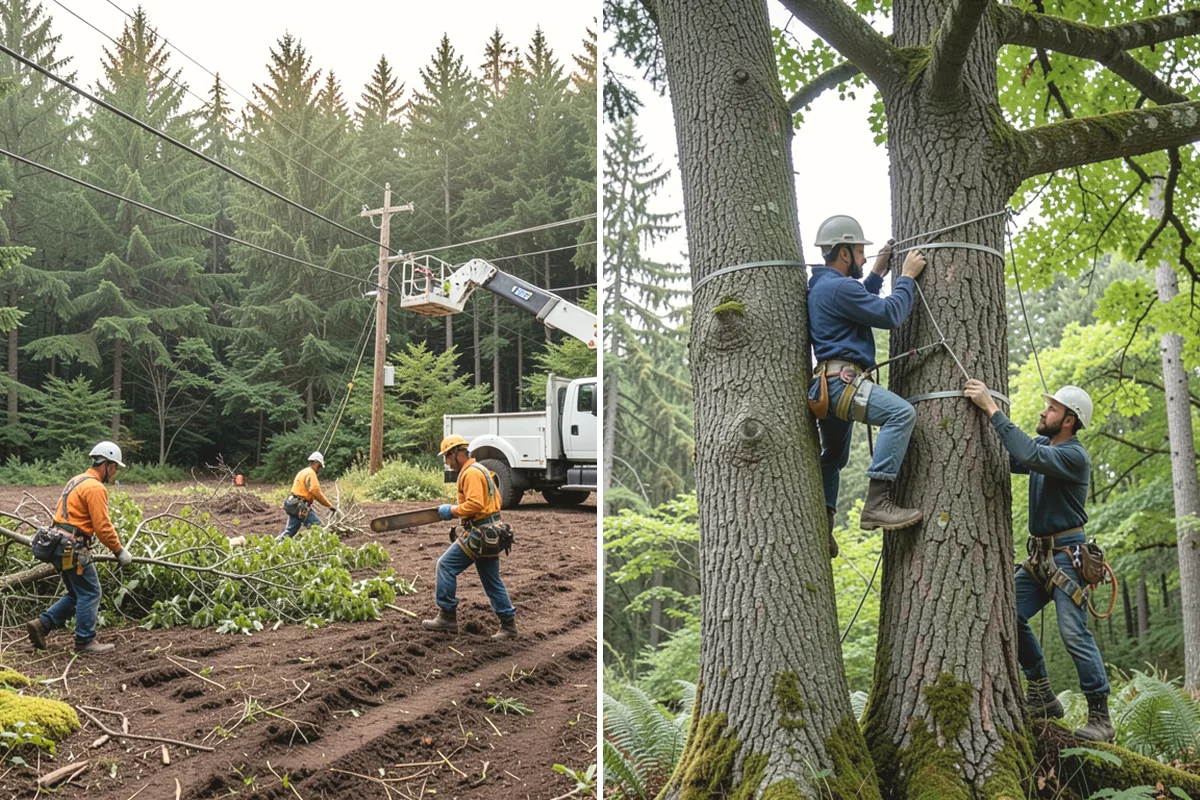
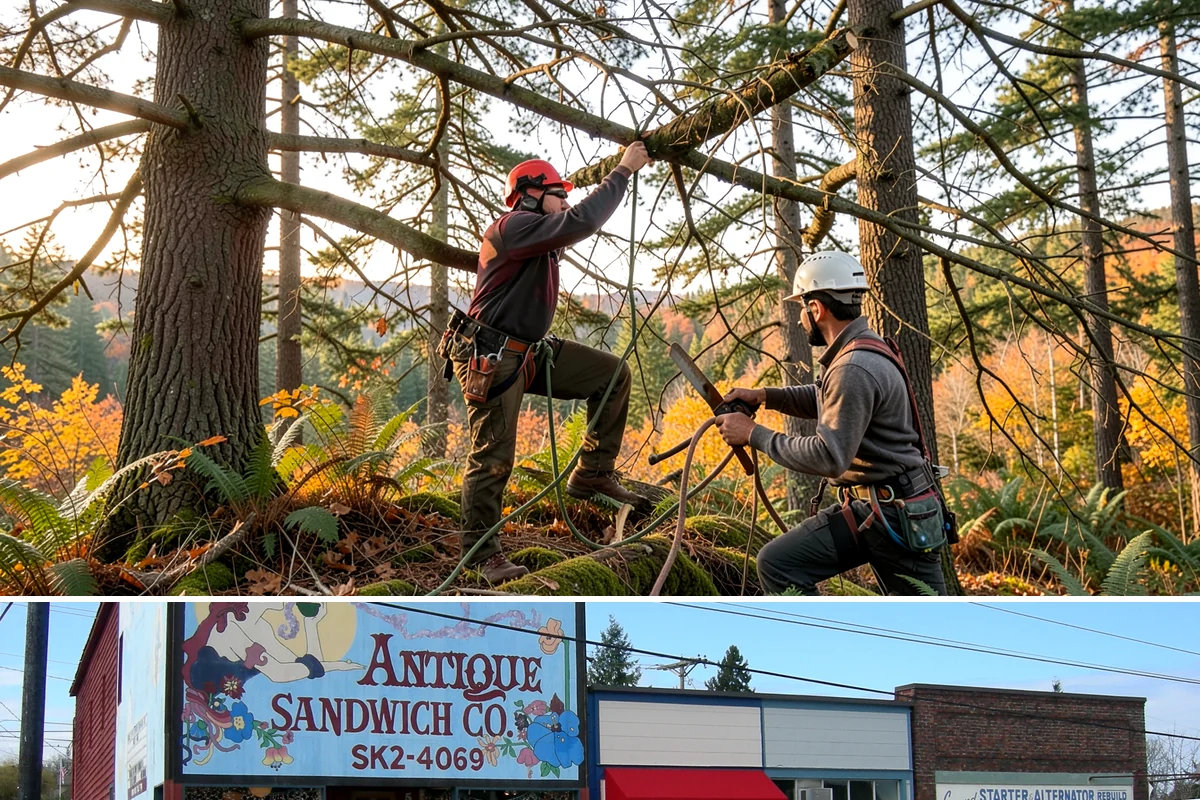
Firewood cutting and delivery in nearby areas
Also serving Ruston
- Scheduled Firewood Delivery in Rustonat Washington Firewood
- Gravel Pathway Installation in Rustonat Washington Landscaping