Where Safety Meets Expert Tree Service.
Ruston Air spading
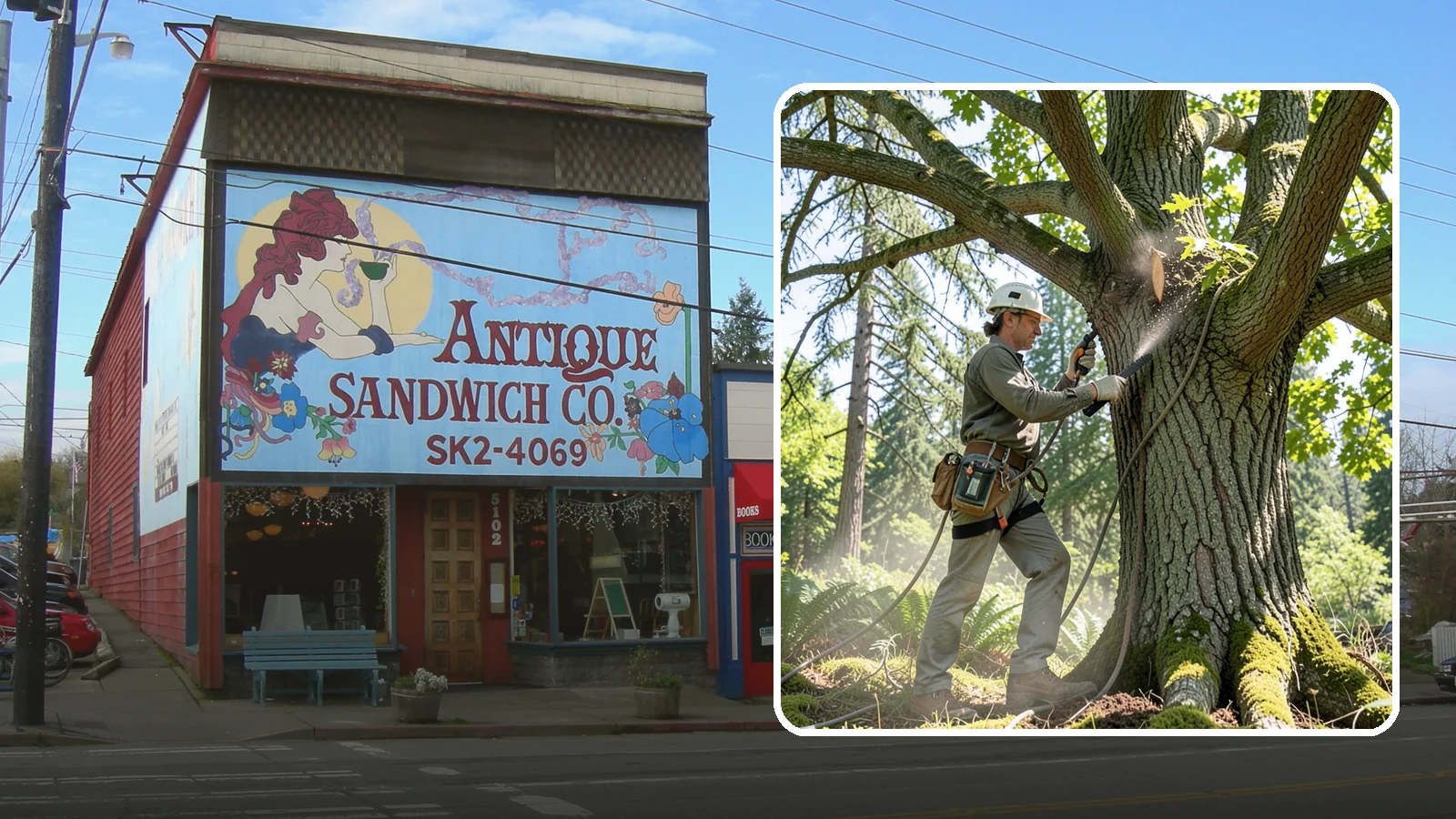
The use of compressed air to excavate soil without harming roots.
About Air Spading in Ruston
Air spading is a gentle tree health care method that uses compressed air to carefully excavate soil without harming roots. This approach helps homeowners protect their valued trees by addressing hidden issues beneath the surface before they become serious problems. It supports long-term stability and extends the useful life of your landscape’s most important plants.
What Ruston Air Spading Includes
Our trained crews use this technique to inspect root systems, relieve compacted soils, and correct specific root conditions tailored to each tree species. The work is matched carefully to site conditions and access points to ensure effective treatment without unnecessary disturbance. By focusing on the soil environment around your trees, we help improve overall health and prevent future decline from past construction or grade changes.
Ruston Air Spading Process
We begin by inspecting the tree and its surrounding area to identify contributing factors like pests, disease, or poor soil structure. Once issues are identified, our team recommends and applies appropriate treatments while documenting findings for follow-up care. This step-by-step approach ensures that every treatment addresses the specific needs of your unique site conditions.
Equipment We Use for Ruston Air Spading
The job relies on specialized diagnostic tools, soil probes, sampling kits, and air excavation equipment as needed for each situation. We also use injection or application gear to deliver treatments safely while wearing full personal protective equipment throughout the work. These tools allow us to see what is happening underground without damaging sensitive root systems or surrounding plantings.
Ruston Air Spading Safety & Best Practices
Our crews follow strict label guidelines when applying any products and take steps to protect both soil quality and nearby vegetation. We avoid damage to roots and trunks during excavation by using methods that match the specific tree species at hand. Accurate documentation of site conditions helps ensure safe practices are maintained from start to finish on every job we complete.
Signs You Need Air Spading in Ruston
You might need air spading if your trees show signs of decline caused by compacted soil, girdling roots, or past construction damage. This service is especially useful when you suspect pests or disease are affecting root health but cannot be seen easily without excavation. Catching these problems early helps prevent them from escalating into major threats to tree stability and longevity.
What Affects the Cost of Air Spading in Ruston
The investment for this work depends on the size of your trees, how difficult it is to access their roots, and the complexity of the inspection required. Different species may need specific approaches that influence the overall scope of care needed at a particular site. We consider all these variables when determining what level of service best fits your property’s unique challenges.
Best Time of Year for Ruston Air Spading
In our local Puget Sound climate, air spading can generally be performed year-round to address ongoing tree health needs. However, during wetter seasons we may take special precautions to ensure soil stability while using compressed air for excavation. Planning the work around these conditions helps maintain safety and effectiveness regardless of when you choose to schedule a visit.

Air Spading Serving Ruston
Ruston
A very small city on Commencement Bay surrounded by Tacoma and Point Defiance.
Growing Conditions in Ruston
Permits & Local Notes for Ruston
Air spading in nearby areas
Also serving Ruston
- Root Pruning in Rustonat Washington Landscaping
- Tree Pruning in Rustonat Washington City Services