Where Safety Meets Expert Tree Service.

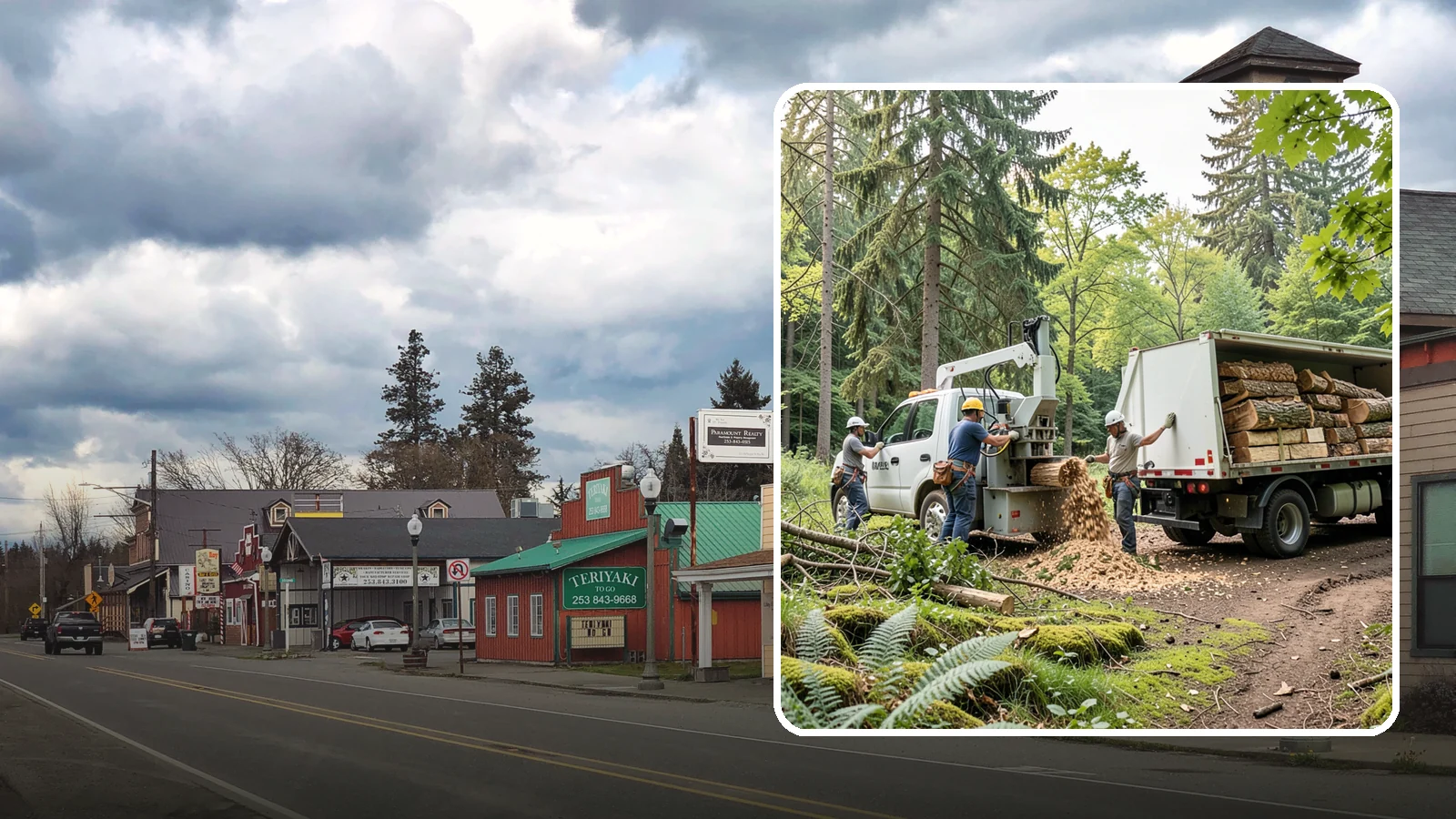
Roy Firewood Cutting And Delivery
The cutting of logs into firewood and its delivery.
When should you order firewood in Roy? Early summer through July is a good window. July is the driest month here on average, so logs can be cut, split and stacked while the weather helps them dry out. Wood ordered in October is often still wet when the cold arrives.
Firewood cutting and delivery means the rounds are cut to length, split, and brought to your property. Below is how Roy's rain pattern and climate affect when to order, how to store the wood, and what to ask about the species and moisture level.
About Firewood Cutting And Delivery in Roy
Turn your removed logs into usable firewood so you can keep heat in your home during colder months. Our trained crews handle the entire process from cutting to delivery for homeowners across Washington State who want a clean site and quality fuel. We work with various tree species and access conditions to ensure your wood is ready when you need it most.
What Roy Firewood Cutting And Delivery Includes
This service transforms leftover timber into seasoned firewood that supports responsible reuse of materials while keeping your property tidy. It includes sorting, cutting, milling, or chipping logs as needed before they are loaded for transport to your location. The goal is to convert debris into a valuable product without adding extra disposal burdens to your household.
Roy Firewood Cutting And Delivery Process
We begin by sorting material based on its type and size to determine the best method for processing each piece. Crews then chip, cut, mill, or load the wood according to your specific requirements before hauling it away or delivering it directly. Finally, we clean up the work area to leave your site safe and free of debris after completion.
Equipment We Use for Roy Firewood Cutting And Delivery
Our teams utilize chainsaws, wood chippers, loaders, and hauling vehicles tailored to match tree species and site conditions. When necessary, specialized milling equipment is brought in to ensure logs are processed into high-quality firewood pieces. All operators wear personal protective equipment while using these tools to maintain a safe environment throughout the job.
Roy Firewood Cutting And Delivery Safety & Best Practices
We keep hands and bystanders clear of feed equipment at all times during operations on your property. Loads are securely fastened before transport, and every crew member wears eye and hearing protection while working with loud machinery. Logs are handled with proper techniques and appropriate gear to prevent injury or damage to the wood being moved.
Signs You Need Firewood Cutting And Delivery in Roy
You may need this service if you have large logs that require cutting down into manageable sizes for your fireplace. Situations where embedded metal, debris, or unusual moisture levels exist in removed trees also indicate a time to call us. If access limits make manual handling difficult, our crews can navigate these challenges to deliver seasoned firewood safely.
What Affects the Cost of Firewood Cutting And Delivery in Roy
The final price depends on the size of the logs and how much equipment is needed to reach them. Embedded metal or debris within the wood can influence costs by requiring extra care during processing. Additionally, moisture levels that affect product quality will be considered when determining the best approach for your specific load.
Best Time of Year for Roy Firewood Cutting And Delivery
Seasonal changes in weather impact how quickly wood seasons properly before it reaches you as finished firewood. We plan our deliveries to account for these variations and ensure your logs dry out effectively during transport or storage. Waiting until moisture levels are favorable helps guarantee that the delivered product meets quality standards for burning efficiently.
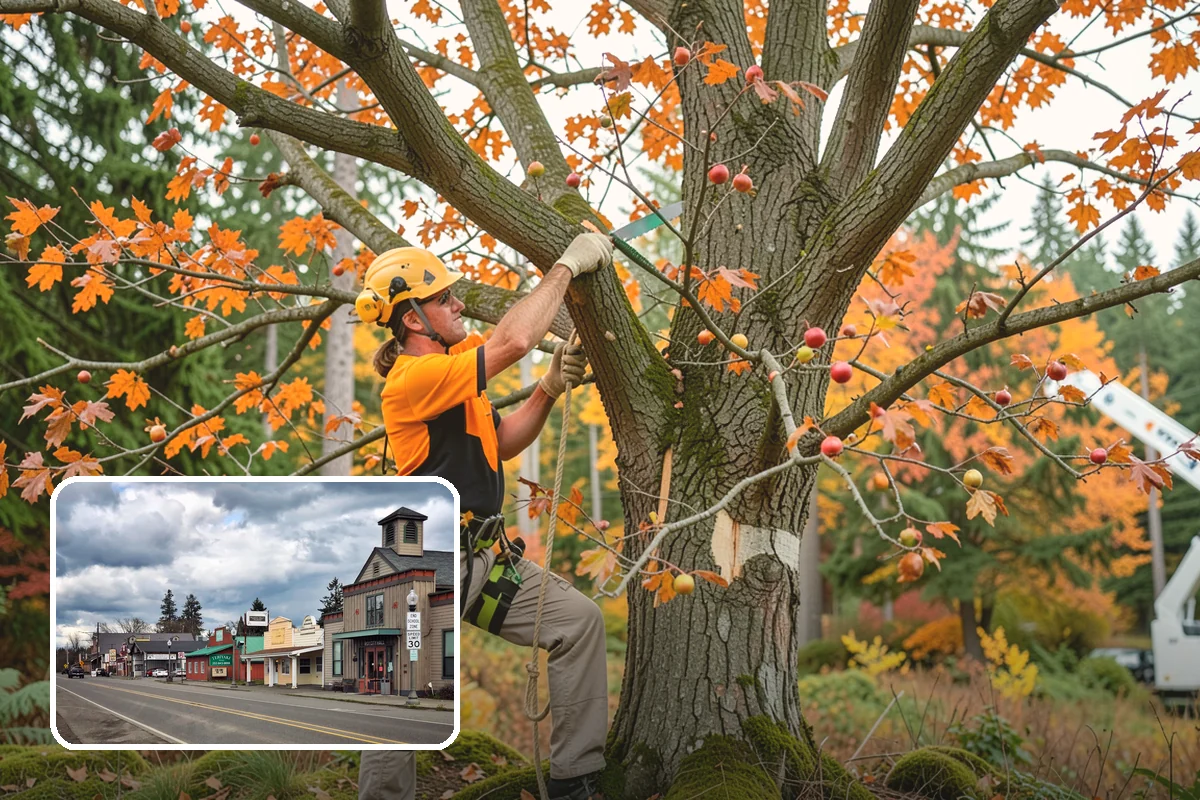
Firewood timing and storage for Roy homes
Order ahead of the wet season
According to Daymet data for 2005 to 2025, 83% of Roy's yearly rain and snow falls from October to April. That means wood left uncovered through those months takes on water again. If you want to burn in winter, aim to have your wood delivered and stacked well before October. Freshly cut wood needs months to season, so ordering in spring or early summer gives it the most time.
Stack and cover it the right way
Because so much of the year's moisture arrives in the cold months, how you store wood matters as much as when you buy it. Stack it off the ground on pallets or rails. Leave gaps between rows so air can move through. Cover only the top of the pile, and leave the sides open so the wood can keep drying. A full tarp wrapped around the stack traps moisture.
- Keep the stack a few feet from the house to reduce pest and moisture problems.
- Place it where it gets sun and wind if you can.
- Bring a few days of wood indoors before burning.
Ask about species and moisture
Roy sits in USDA plant hardiness zone 8b, according to the 2023 USDA map. That is a mild zone, and winters here are more damp than severe. Dense hardwoods burn longer, while softer conifers light quickly and burn faster. Many people mix the two. Whichever you choose, dry wood burns cleaner and gives more heat than wet wood. A moisture meter reading on a freshly split face is a useful check, and you can ask for one at delivery.
Call or text 425-484-4442 to talk through quantity, length for your stove or fireplace, and delivery timing. Estimates are free.
Roy tree conditions at a glance
| Land under dense tree cover (50%+ canopy) | 9% |
|---|---|
| Rain and snow falling October to April | 83% of the year’s total |
| Days with 0.1 in or more of rain | 117 a year |
Tree health near Roy
- Douglas-fir beetle1,206 ac
- Douglas-fir engraver563 ac
- Decline, cause not identified260 ac
Forest damage mapped from the air within 10 km of Roy, 2021-2025 (USDA Forest Service and WA DNR). This covers forest land, not street or yard trees. “Decline, cause not identified” is dieback with no single cause found.
Sources: Daymet daily weather (NASA/ORNL), NOAA Storm Events, USDA plant hardiness map 2023, NRCS soil survey, USGS elevation, WA DNR landslide inventory, USDA Forest Service aerial survey, WSDA, city tree assessments and street-tree inventories, SILVIS Lab, Arbor Day Foundation, and official city and utility pages.
Firewood Cutting And Delivery Serving Roy
Roy
Firewood cutting and delivery in nearby areas
Also serving Roy
- Premium Mixed Firewood in Royat Washington Firewood
- Boulder Placement in Royat Washington Landscaping