Where Safety Meets Expert Tree Service.

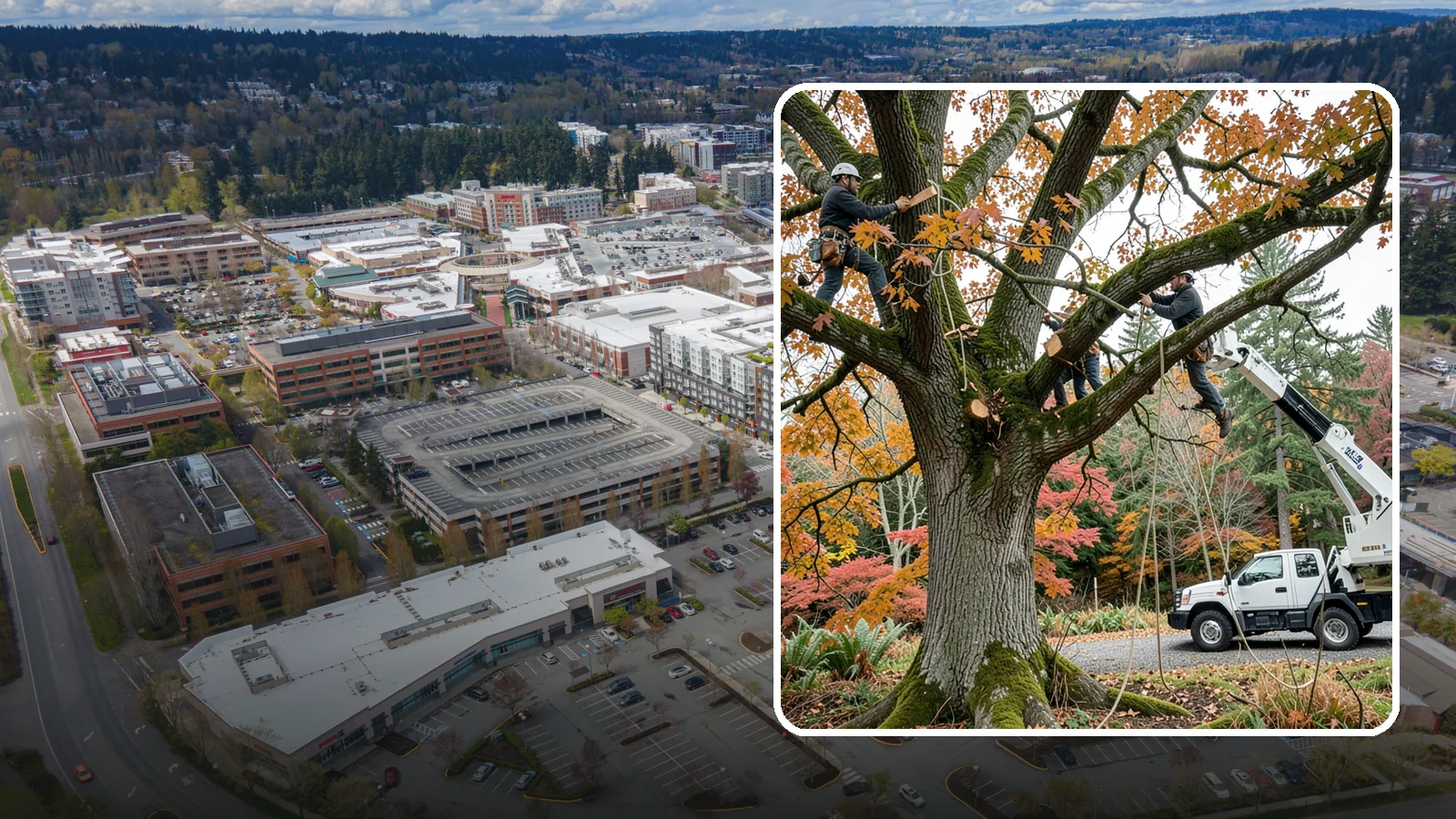
Redmond Crown Raising
The removal of lower branches to raise the height of the crown.
The best window for crown raising in Redmond is usually the dry months, roughly May through September. About 80% of the city's yearly rain and snow falls from October to April, so wet soil and saturated turf are common for much of the year. Planning for late spring or summer lets you see the full canopy and keeps crews off soft ground.
Crown raising removes the lowest branches so there is clearance over a driveway, sidewalk, roof or lawn. Done well, it opens sightlines and makes room for mowing and passing vehicles without taking much of the tree's leaf area.
About Crown Raising in Redmond
Crown raising is a helpful tree care option that clears space under your trees for people walking by or cars driving past. Our trained crews can remove lower branches to give you the clearance you need while keeping your landscape looking its best. This service benefits homeowners who want safer sightlines and better access around their property without harming the health of their trees.
What Redmond Crown Raising Includes
We perform crown raising by carefully removing lower limbs to lift the main canopy higher off the ground. The work is designed to provide necessary clearance for pedestrians, vehicles, buildings, or clear views while following recognized arboricultural standards. Each job uses methods that match your specific tree species and site conditions to ensure a clean result.
Redmond Crown Raising Process
Our team starts by assessing the current condition of your canopy and defining exactly what pruning objectives you have in mind. We then select precise cuts suited for your tree’s type and season, ensuring we do not remove too much live tissue at once. After making these clean cuts at proper points, our crew processes the removed material and leaves your work area tidy.
Equipment We Use for Redmond Crown Raising
To complete this job safely and efficiently, we use hand saws, pole saws, chainsaws, and wood chippers to handle branches of various sizes. Depending on access needs, some projects may require climbing gear with fall protection or an aerial lift to reach higher limbs. All crew members wear personal protective equipment while working around overhead lines and unstable limbs.
Redmond Crown Raising Safety & Best Practices
We follow recognized pruning standards to avoid making cuts that could stress your tree or cause branch failure later on. Our safety protocol includes limiting removal to healthy amounts of live tissue and watching closely for any signs of weak unions in the canopy. When climbing aloft, we always use proper fall protection to keep everyone secure throughout the job.
Signs You Need Crown Raising in Redmond
You might need crown raising if lower branches are blocking paths for pedestrians or interfering with your driveway and garage doors. This service is also useful when tree limbs obstruct important sightlines at intersections or hide views of nearby structures. Deadwood hanging low near walkways or unstable unions that pose a risk to people below are other clear indicators this work is needed.
What Affects the Cost of Crown Raising in Redmond
The price for crown raising depends on the overall size of your trees and how complex it will be to access them from the ground. Factors like species-specific timing sensitivities and the volume of wood we need to remove and dispose of also influence the final cost. We tailor our approach to match these variables so you get a fair estimate based on your specific site conditions.
Best Time of Year for Redmond Crown Raising
It is best to schedule this work outside of late summer or early fall, when trees are actively moving nutrients back into their roots for winter storage. We will avoid working during freezing conditions that could damage the fresh cuts we make in the canopy. Planning around these seasonal windows helps ensure your tree recovers well and maintains its long-term vigor after pruning.
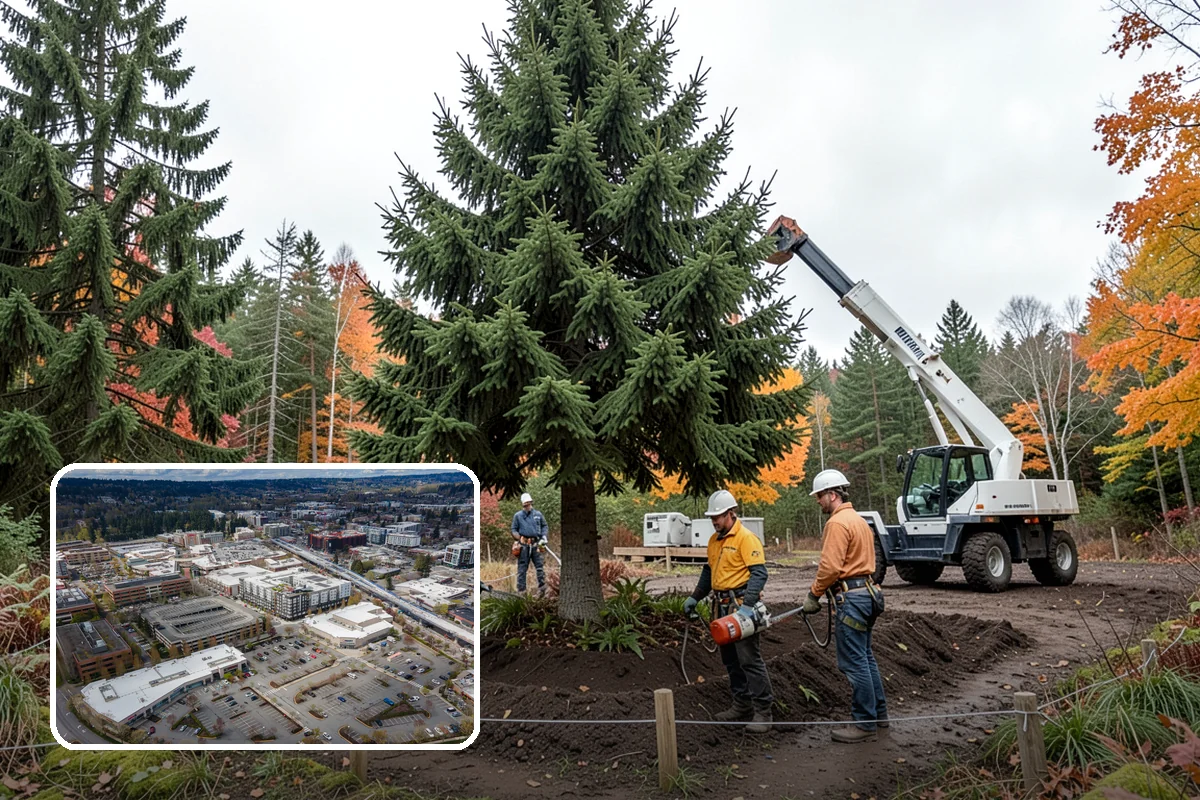
Planning crown raising for your Redmond trees
Start by deciding what you need clear. Walk the property and note the spots where branches hit a car, block a view, or hang over a walkway. Standard practice under ANSI A300 pruning guidelines is to keep the live crown at a healthy proportion of the tree's height, so clearance goals have to fit the tree. A young maple can lose lower limbs more safely than a tree that is already short on foliage.
What affects the scope
Species matters. Redmond's street-tree inventory, which covers city-managed trees and not yard trees, lists maple as the most common at 44.9%, followed by oak at 14.4% and ash at 11.8%. If you have a maple or similar tree, expect low branches to be a regular feature, and plan on removing them in stages if the tree is large. Branch diameter matters too. Small limbs can come off with clean cuts at the branch collar. Large lower limbs leave bigger wounds, so we may recommend leaving a few or spreading the work over more than one visit.
Rain timing also shapes the plan. With most precipitation falling from October to April, summer work avoids the soggy ground that heavy equipment can rut and compact around roots.
What to expect on the day
A crew starts by confirming which limbs are coming off and which stay. They climb or use a pole saw, make cuts just outside the branch collar, and lower larger pieces rather than dropping them. Brush is chipped and hauled, and the area is raked. You should not see flush cuts or stubs. Removing only the lowest branches usually takes a few hours for one or two trees, though that depends on size.
If a tree is near the street or you wonder about city rules, we check with the city before work starts. Our ISA Certified Arborist can walk the site with you, and estimates are free at 425-484-4442.
Practical tip: before we arrive, tie a strip of ribbon on each branch you want gone, then step back to the road and look again. Clearance often looks different from the street.
Redmond tree conditions at a glance
| USDA hardiness zone | 8b (8b to 9a across the city) |
|---|---|
| Rain and snow falling October to April | 80% of the year’s total |
| Tree canopy | 37.36% of the city (city assessment, 2023) |
| Days that freeze at night and thaw by day | 31 a year |
| Tree City USA | 27 years |
| Electric utility | Puget Sound Energy (PSE) |
Trees near the power line to your house
Puget Sound Energy (PSE): Service line (wire from PSE pole to home or meter pole): PSE does not trim it; homeowner/private arborist trims.
PSE performs a safety disconnection so the homeowner or private tree trimmer/arborist can work; Call at least 5 business days ahead to check crew availability and potential charges.
Safety disconnect: 1-888-321-7779 (5+ business days ahead). Utility page.
Any fee for a disconnect is set by the utility.
Most common street trees in Redmond
- Maple44.9%
- Oak14.4%
- Ash11.8%
- London Planetree9.6%
- Honeylocust6.2%
- Pear4.0%
Share of 7,985 trees in the city’s street-tree inventory.
Sources: Daymet daily weather (NASA/ORNL), NOAA Storm Events, USDA plant hardiness map 2023, NRCS soil survey, USGS elevation, WA DNR landslide inventory, USDA Forest Service aerial survey, WSDA, city tree assessments and street-tree inventories, SILVIS Lab, Arbor Day Foundation, and official city and utility pages.
Crown Raising Serving Redmond
Redmond
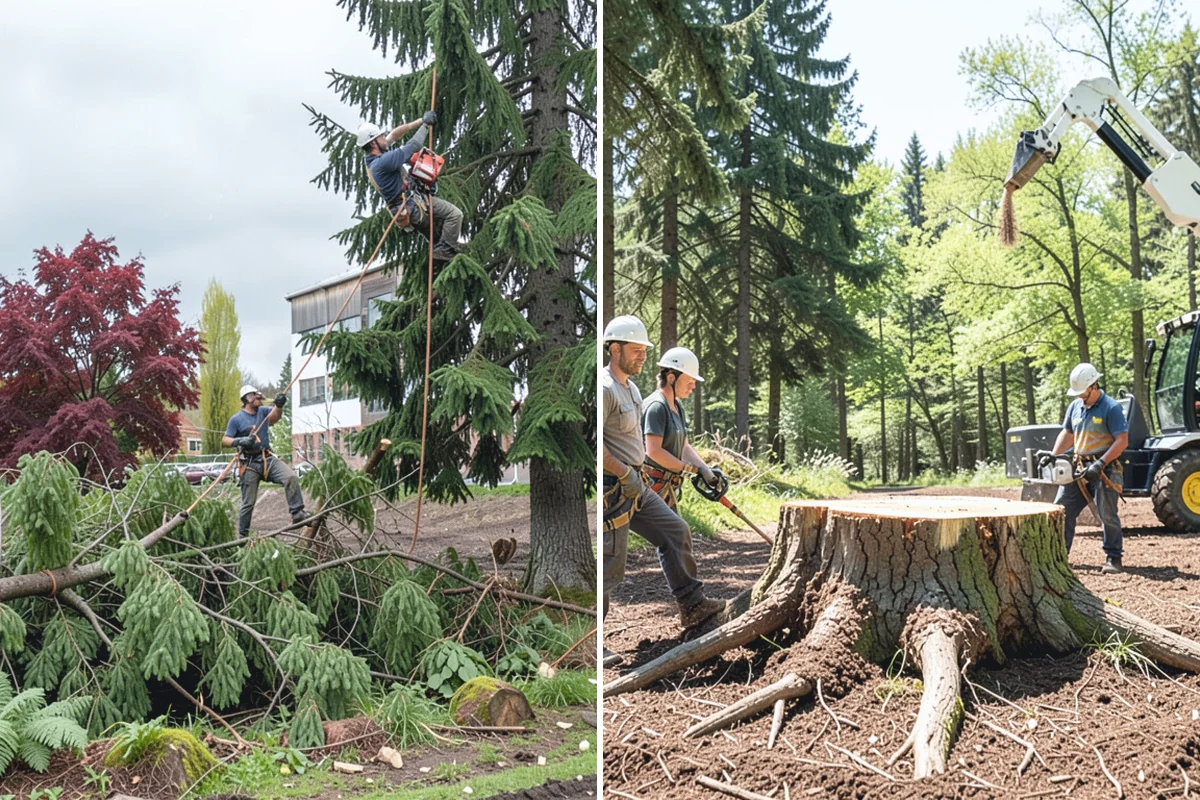
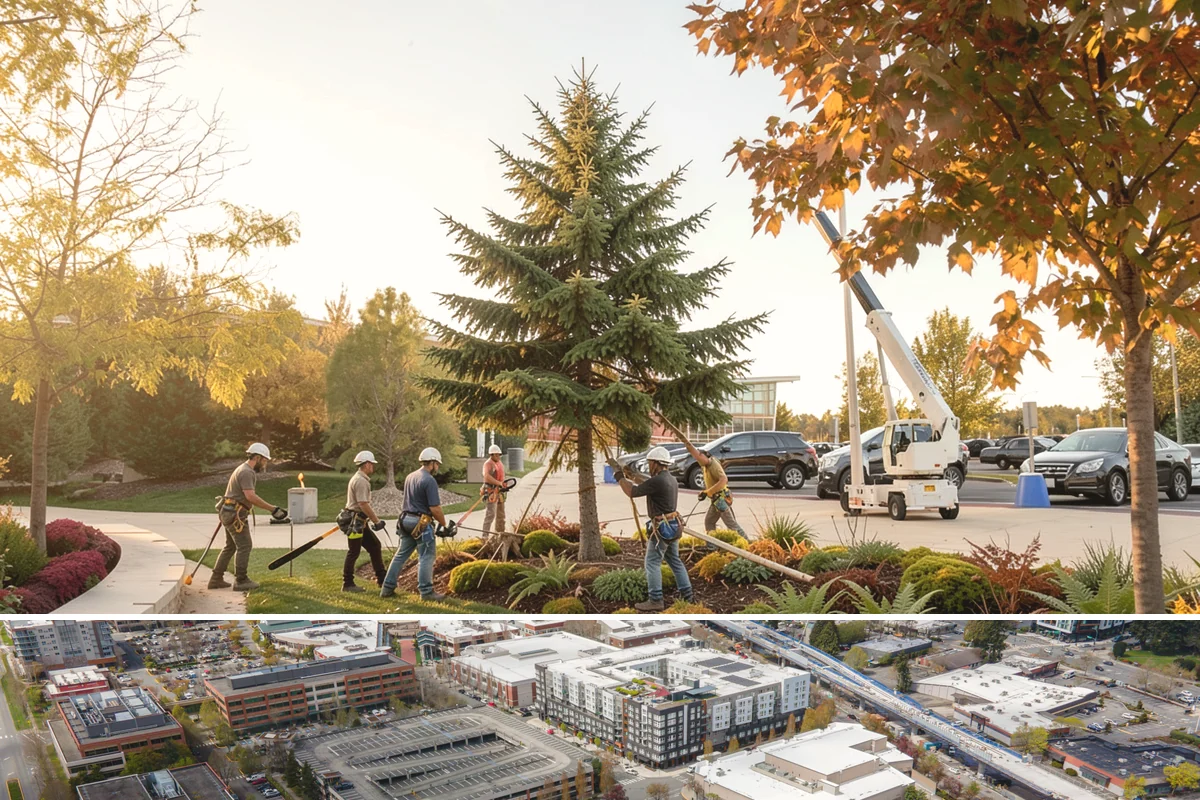
Crown raising in nearby areas
Also serving Redmond
- Pear Tree Pruning in Redmondat Washington Landscaping
- Roof Algae Treatment in Redmondat Washington Roofing
- Vegetation Management in Redmondat Washington City Services