Where Safety Meets Expert Tree Service.

Redmond Air Spading
The use of compressed air to excavate soil without harming roots.
In Redmond, the wet months run from October to April, and that is when air spading needs the most planning. Daymet data for 2005-2025 shows about 80% of the city's yearly rain and snow falls in those months. Soil is often saturated then, so schedule the work for a drier spell and plan for mud and runoff.
Air spading uses a jet of compressed air to loosen soil around roots without cutting them. It lets an arborist look at root flare, girdling roots, and buried trunk base. Early planning helps you pick a dry window and decide what question you want answered.
About Air Spading in Redmond
Air spading is a gentle tree health care method that uses compressed air to carefully excavate soil without harming roots. This approach helps homeowners protect their valued trees by addressing hidden issues beneath the surface before they become serious problems. It supports long-term stability and extends the useful life of your landscape’s most important plants.
What Redmond Air Spading Includes
Our trained crews use this technique to inspect root systems, relieve compacted soils, and correct specific root conditions tailored to each tree species. The work is matched carefully to site conditions and access points to ensure effective treatment without unnecessary disturbance. By focusing on the soil environment around your trees, we help improve overall health and prevent future decline from past construction or grade changes.
Redmond Air Spading Process
We begin by inspecting the tree and its surrounding area to identify contributing factors like pests, disease, or poor soil structure. Once issues are identified, our team recommends and applies appropriate treatments while documenting findings for follow-up care. This step-by-step approach ensures that every treatment addresses the specific needs of your unique site conditions.
Equipment We Use for Redmond Air Spading
The job relies on specialized diagnostic tools, soil probes, sampling kits, and air excavation equipment as needed for each situation. We also use injection or application gear to deliver treatments safely while wearing full personal protective equipment throughout the work. These tools allow us to see what is happening underground without damaging sensitive root systems or surrounding plantings.
Redmond Air Spading Safety & Best Practices
Our crews follow strict label guidelines when applying any products and take steps to protect both soil quality and nearby vegetation. We avoid damage to roots and trunks during excavation by using methods that match the specific tree species at hand. Accurate documentation of site conditions helps ensure safe practices are maintained from start to finish on every job we complete.
Signs You Need Air Spading in Redmond
You might need air spading if your trees show signs of decline caused by compacted soil, girdling roots, or past construction damage. This service is especially useful when you suspect pests or disease are affecting root health but cannot be seen easily without excavation. Catching these problems early helps prevent them from escalating into major threats to tree stability and longevity.
What Affects the Cost of Air Spading in Redmond
The investment for this work depends on the size of your trees, how difficult it is to access their roots, and the complexity of the inspection required. Different species may need specific approaches that influence the overall scope of care needed at a particular site. We consider all these variables when determining what level of service best fits your property’s unique challenges.
Best Time of Year for Redmond Air Spading
In our local Puget Sound climate, air spading can generally be performed year-round to address ongoing tree health needs. However, during wetter seasons we may take special precautions to ensure soil stability while using compressed air for excavation. Planning the work around these conditions helps maintain safety and effectiveness regardless of when you choose to schedule a visit.
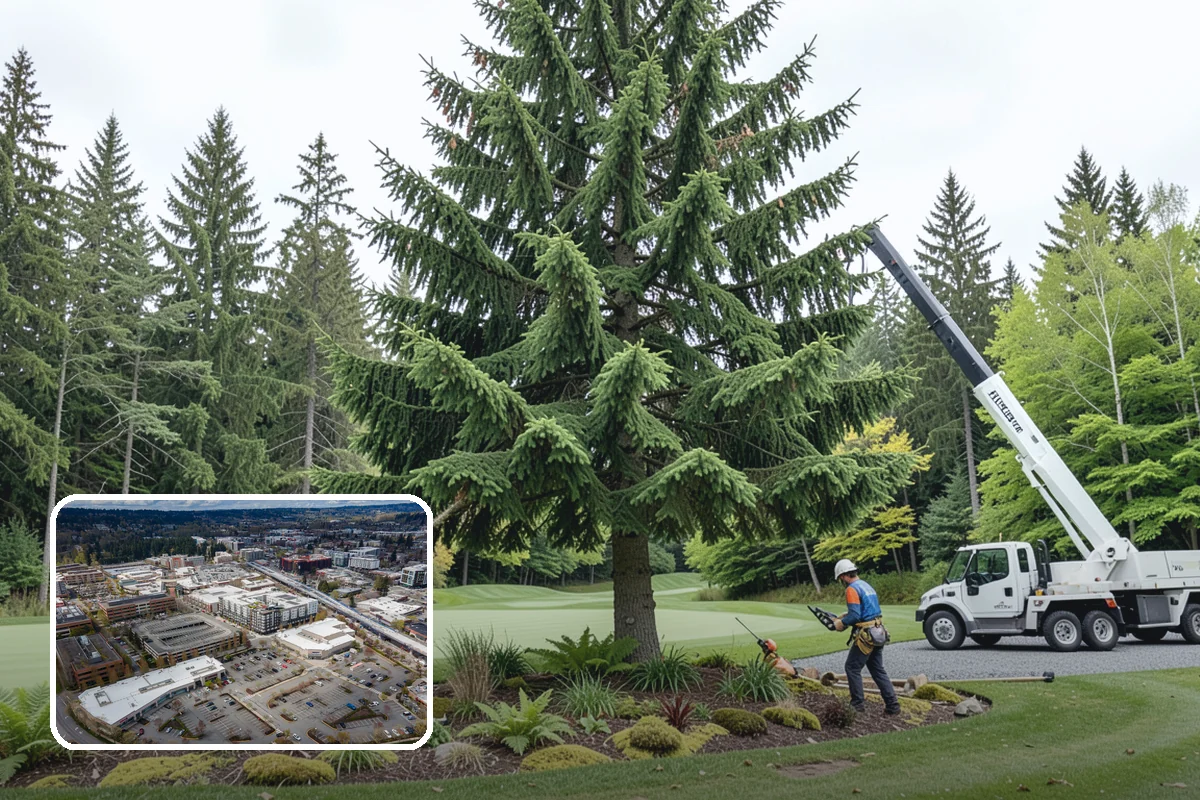
Planning air spading on a Redmond property
Start with the reason for the work. Common goals are finding girdling roots, checking for decay at the base of the trunk, removing soil piled over the root flare, or relieving compacted ground around a tree. Each goal changes how deep and how wide the dig goes.
What affects scope
Soil matters here. The NRCS soil survey shows 62% of Redmond's land has a hard or restrictive layer, such as glacial hardpan, within 40 inches of the surface. The most common soil series is Alderwood. That is a citywide figure, not a reading of your yard. It does suggest roots on many lots stay shallow and spread sideways above that layer, so we plan the dig area around where roots are likely to run and work carefully near the surface.
Tree size, the number of trees, and how much of the root zone you want exposed also set the scope. Paving, utilities, and fences near the trunk can limit where air can be used. If a tree is close to a structure or line, tell us up front.
What to expect on the day
The air tool blows soil away from roots, leaving the roots in place. Soil piles up beside the work area, so expect a loose pile of dirt and some dust if the ground is dry. The arborist inspects the roots as they are exposed, and may clear soil off the root flare or cut girdling roots according to standard practice. The soil is then put back or replaced, and often finished with mulch. If wood chips are used, the WSU Extension publication on arborist wood chips notes that chips from diseased trees used as surface mulch do not infect healthy trees.
Practical tip: mark sprinkler lines, drip irrigation, and any buried cables before we arrive, and call 425-484-4442 for a free estimate once you know which trees you want checked.
Redmond tree conditions at a glance
| USDA hardiness zone | 8b (8b to 9a across the city) |
|---|---|
| Soils | 62% of land has hardpan or another restrictive layer within 40 in; most common series Alderwood |
| Rain and snow falling October to April | 80% of the year’s total |
| Days with 0.1 in or more of rain | 115 a year |
| Tree canopy | 37.36% of the city (city assessment, 2023) |
| Days that freeze at night and thaw by day | 31 a year |
Most common street trees in Redmond
- Maple44.9%
- Oak14.4%
- Ash11.8%
- London Planetree9.6%
- Honeylocust6.2%
- Pear4.0%
Share of 7,985 trees in the city’s street-tree inventory.
Tree health near Redmond
Spongy moth (WSDA 2024): WSDA trap detection(s): 1 moth(s) in 1 trap catch record(s).
Spongy moth (WSDA 2018): WSDA trap detection(s): 1 moth(s) in 1 trap catch record(s).
- Decline, cause not identified2,636 ac
- Root disease or bears90 ac
- Douglas-fir engraver36 ac
Forest damage mapped from the air within 10 km of Redmond, 2021-2025 (USDA Forest Service and WA DNR). This covers forest land, not street or yard trees. “Decline, cause not identified” is dieback with no single cause found.
Sources: Daymet daily weather (NASA/ORNL), NOAA Storm Events, USDA plant hardiness map 2023, NRCS soil survey, USGS elevation, WA DNR landslide inventory, USDA Forest Service aerial survey, WSDA, city tree assessments and street-tree inventories, SILVIS Lab, Arbor Day Foundation, and official city and utility pages.
Air Spading Serving Redmond
Redmond
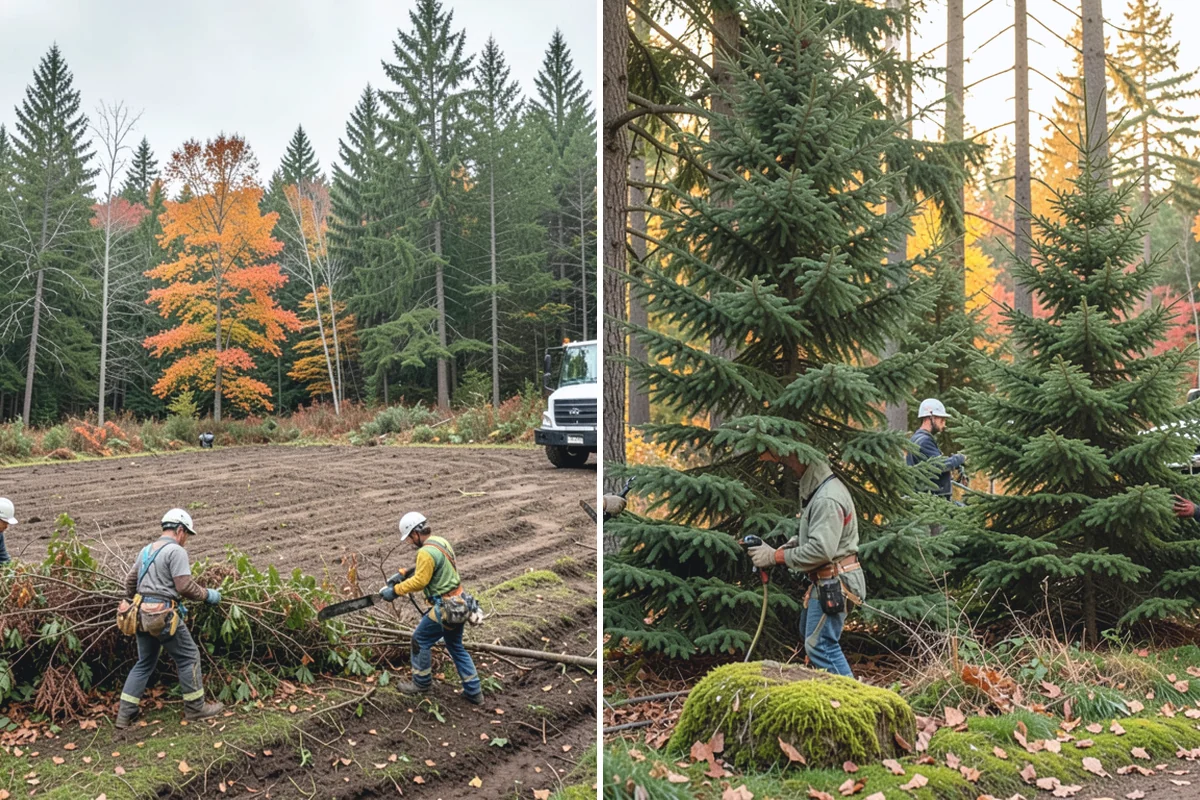

Air spading in nearby areas
Also serving Redmond
- Small Tree Removal in Redmondat Washington Landscaping
- Irrigation Repair in Redmondat Washington City Services