Where Safety Meets Expert Tree Service.

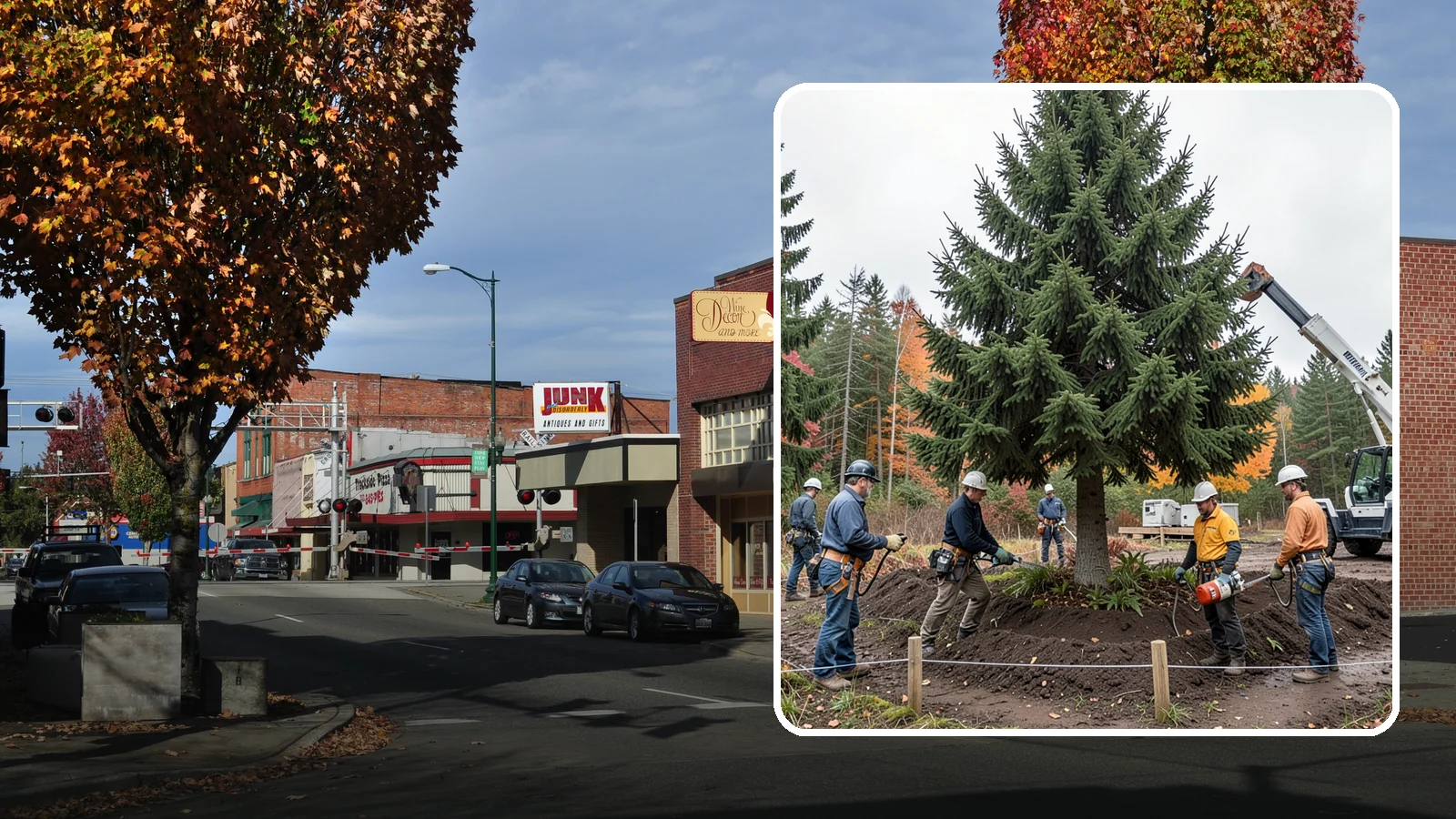
Puyallup Tree Preservation During Construction
Measures to protect trees throughout construction.
How do you keep a tree alive when a builder is working next to it? Start before any digging. Mark a protection zone around the trunk, fence it off, and agree with the builder that nothing gets parked, stored, or dumped inside it. Most construction damage is to roots, and it happens early.
Roots reach well past the branch spread, so the fence line matters more than the trunk. A certified arborist can walk the site with your plans, mark which trees are worth saving, and flag where trenches, grading, or a new driveway will cut into root zones. Deciding this before the first machine arrives keeps your options open.
About Tree Preservation During Construction in Puyallup
We help homeowners keep their valued trees healthy while building projects happen on their property. Our team takes care of tree preservation during construction so your landscape remains strong after the work is done. This service ensures that retained trees stay in good condition throughout the entire build process.
What Puyallup Tree Preservation During Construction Includes
Tree preservation during construction involves specific measures designed to protect trees from damage caused by nearby building activities. We use methods matched to each tree species and site conditions to keep them healthy while you construct your home or addition. These steps help reduce the risk of decline that often comes with major landscaping changes.
Puyallup Tree Preservation During Construction Process
The work begins by identifying which trees need protection and mapping out their specific zones before any digging starts. Our trained crews establish protective measures early on and monitor tree health throughout the construction timeline. If issues arise, we address impacts immediately and provide follow-up care to support recovery after the project ends.
Equipment We Use for Puyallup Tree Preservation During Construction
We utilize protective fencing and signage to clearly mark areas where equipment must not enter. Ground protection materials like mulch are used to shield roots from compaction, while air excavation tools help us work carefully near sensitive root systems. Monitoring tools allow our team to track tree health closely without disturbing the soil unnecessarily.
Puyallup Tree Preservation During Construction Safety & Best Practices
Keeping heavy machinery and traffic out of designated protection zones is a top priority for every job we complete. We avoid making grade changes or compacting soil over existing roots to maintain proper drainage and stability. Coordinating directly with your site crews ensures everyone follows safety protocols, and all measures are documented for compliance.
Signs You Need Tree Preservation During Construction in Puyallup
You may need this service if you have plans that involve retaining mature trees while building a new structure. Signs include concerns about root-zone compaction from equipment or delayed decline appearing months after construction finishes. If encroachment by machinery threatens your landscape, our preservation plan helps mitigate those risks before they become permanent damage.
What Affects the Cost of Tree Preservation During Construction in Puyallup
The price is influenced by the number of trees you want to keep and their individual size requirements. Species-specific protection needs vary, as do site access constraints that affect how easily equipment can reach certain areas. Additionally, the complexity of establishing root zones against active construction activities plays a role in determining the final cost.
Best Time of Year for Puyallup Tree Preservation During Construction
This service can be performed year-round throughout our region, offering flexibility for your project schedule. However, careful monitoring is required during wetter seasons to prevent soil saturation issues that could worsen compaction risks around roots. Planning ahead allows us to adjust methods based on current weather conditions and site moisture levels.
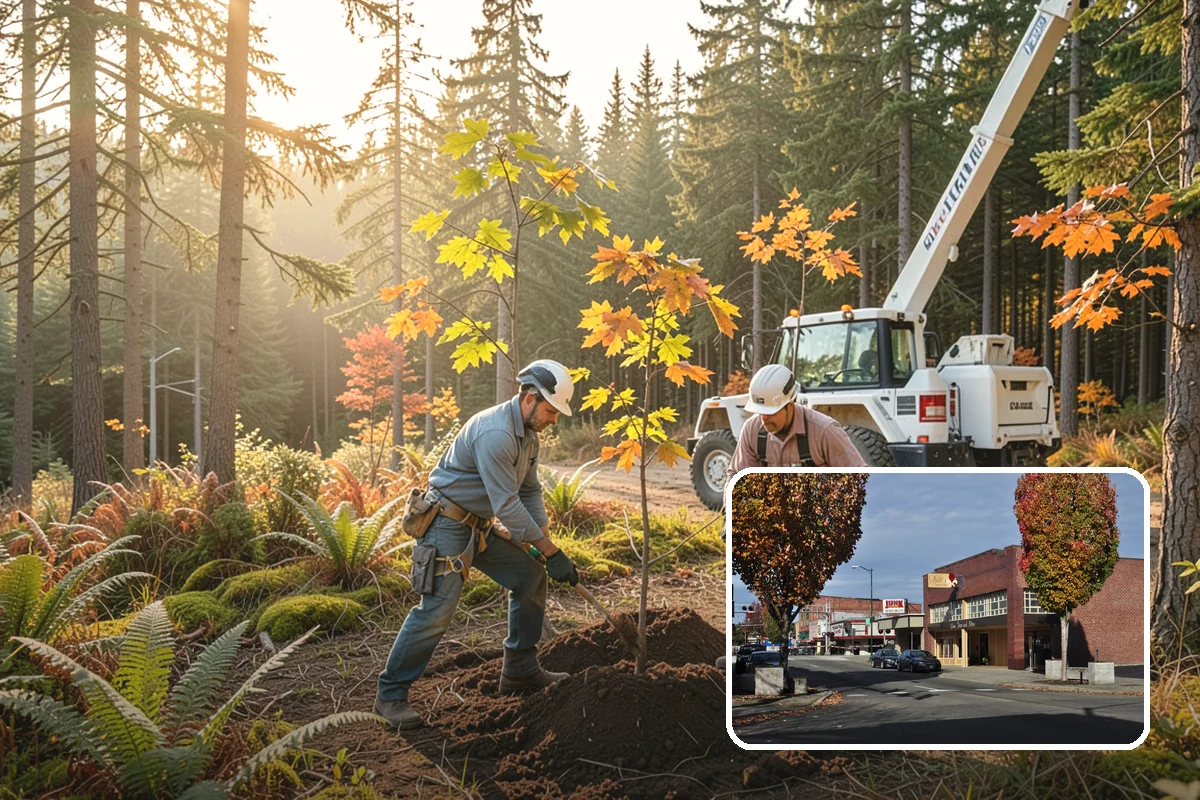
Protecting trees on a Puyallup building site
Set the protection zone early
Standard practice under ISA/ANSI A300 guidance is to fence the root protection area before work starts and keep the fence in place until the job is finished. Inside it, no soil piles, no vehicles, no concrete washout, and no fuel or paint storage. If a utility trench must cross the zone, tunneling or hand digging under larger roots is gentler than cutting through them. We would rather talk through the site plan with you and the builder ahead of time than repair damage afterward.
Know what the city rule covers
Puyallup's published guidance says its significant tree protections do not apply to lots with single-family, duplex, triplex, or up to four-unit residential development, unless the tree is in a critical area. On those lots, a permit is required only if the tree is on the City's Heritage Tree register or is within or associated with a critical area. The regulated size is a healthy, living tree greater than 15 inches DBH, and black cottonwood and red alder are not typically regulated unless in a critical area.
That rule is about removal. It does not tell you what is allowed for pruning or grading near roots, so we check with the city before work starts if anything is unclear. If a tree in or near a critical area is removed, the city code calls for two replacement trees for each one removed. Replacement may be required for other approved removals too. Saving a tree can avoid that cost.
Plan for the soil underneath
The NRCS soil survey shows 13% of Puyallup's land has a hard or restrictive layer, such as glacial hardpan, within 40 inches of the surface. It also lists 47% as well drained and 11% as poorly drained. These are citywide figures, not a reading of your lot. They suggest that roots on some sites may spread shallowly, and compaction or regrading can hurt them. Before heavy equipment arrives, check how your soil drains.
Once work wraps up, WSU King County Master Gardeners recommend arborist wood chips as mulch. A layer spread over the protected zone helps cushion the soil after construction traffic.
Puyallup tree conditions at a glance
| Soils | 13% of land has hardpan or another restrictive layer within 40 in; most common series Puyallup; 47% well drained |
|---|---|
| High and strong wind episodes, 2005-2025 | 25 in the forecast zone |
| USDA hardiness zone | 8b |
Tree removal rules in Puyallup
Significant tree protections do not apply to lots containing single-family, duplex, triplex or up to four-unit residential development unless the tree is in a critical area. A permit is required on such lots only if the tree is on the City's Heritage Tree register, or is within or associated with a critical area (wetland/buffer, steep slope, stream buffer, habitat area/greenbelt). Significant trees are regulated on commercial, industrial, institutional and multifamily (5+ units) property.
Regulated size: Healthy, living tree greater than 15 in DBH (black cottonwood and red alder not typically regulated unless in a critical area).
Official city source. Rules change; we confirm with the city before work starts.
Sources: Daymet daily weather (NASA/ORNL), NOAA Storm Events, USDA plant hardiness map 2023, NRCS soil survey, USGS elevation, WA DNR landslide inventory, USDA Forest Service aerial survey, WSDA, city tree assessments and street-tree inventories, SILVIS Lab, Arbor Day Foundation, and official city and utility pages.
Tree Preservation During Construction Serving Puyallup
Puyallup
Also serving Puyallup
- Debris Removal in Puyallupat Washington Construction
- Blackberry Removal in Puyallupat Washington Landscaping
- Public Restroom Renovation in Puyallupat Washington City Services