Where Safety Meets Expert Tree Service.

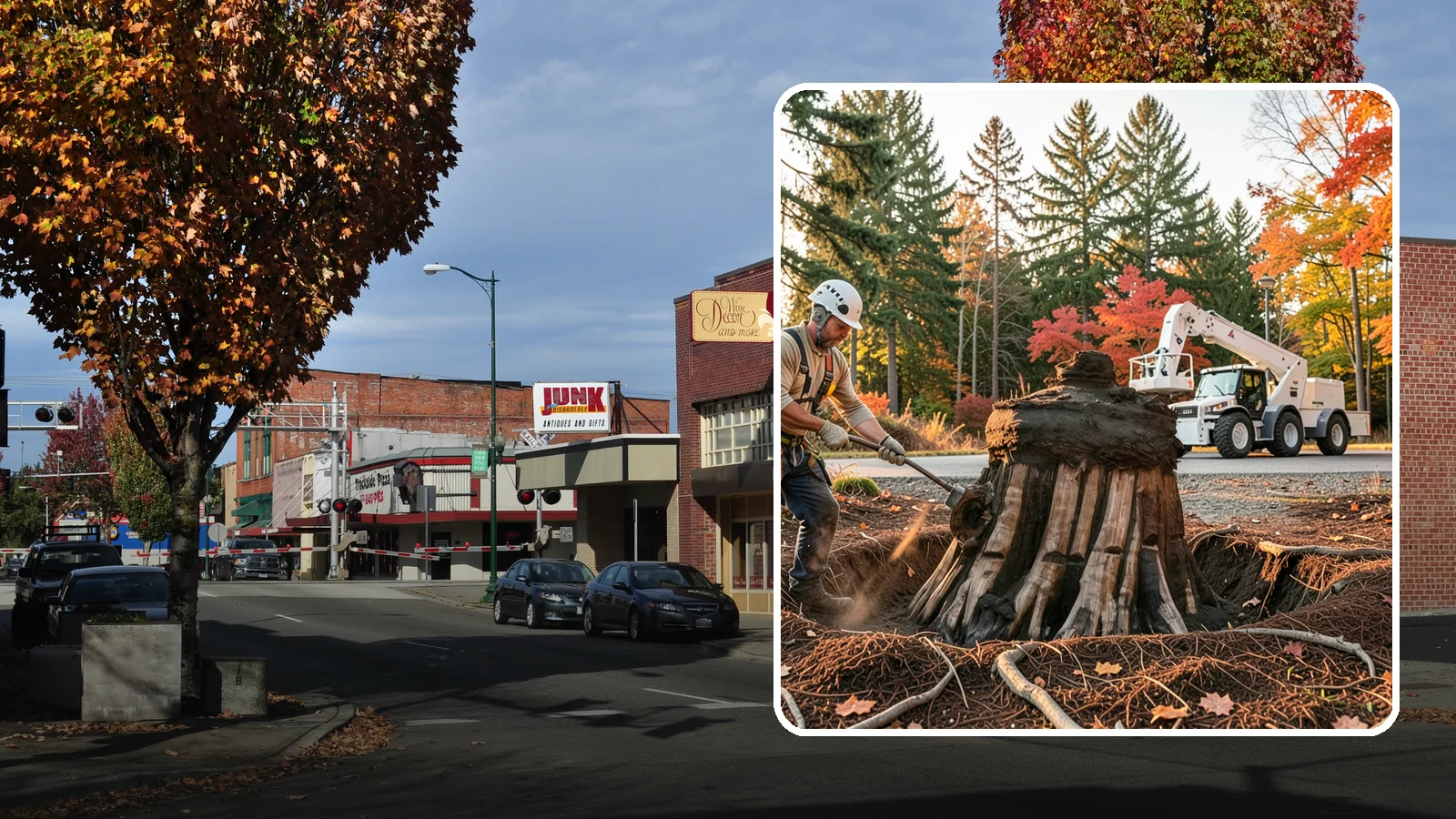
Puyallup Backfill After Stump Grinding
The filling and grading of the void left after grinding.
In Puyallup, 13% of the land has a hard or restrictive layer, such as glacial hardpan, within 40 inches of the surface, according to the NRCS soil survey. That matters once a stump is ground out. The hole you fill can hold water if the soil below it drains slowly.
Backfill is what turns a ground stump into usable ground again. Decide early what you want there: lawn, a garden bed, or a replacement tree. The answer changes what goes into the hole and how much settling you should plan for.
About Backfill After Stump Grinding in Puyallup
Backfill after stump grinding helps restore your yard to a smooth, usable surface right where a tree once stood. This essential step removes hazards like tripping spots while preparing the ground for new plants or general use. It is an ideal solution for homeowners who want their landscape looking neat and safe again.
What Puyallup Backfill After Stump Grinding Includes
This service involves carefully filling and grading the hollow left behind after a stump has been removed. Our trained crews follow recognized standards to ensure the void is properly restored using methods suited to your specific site conditions. The goal is always to create a level area that blends seamlessly with the rest of your property.
Puyallup Backfill After Stump Grinding Process
Work begins by locating underground utilities and clearing the space around the old stump before grinding or extraction occurs. Once the roots are processed, we backfill the cavity with appropriate material and grade it as needed for stability. This systematic approach ensures the site is ready for replanting or other surface activities without delay.
Equipment We Use for Puyallup Backfill After Stump Grinding
We utilize specialized stump grinders along with excavation tools to handle root systems of various sizes. Wheelbarrows and rakes help manage fill materials, while utility locating support keeps everyone aware of hidden lines below ground. Personal protective equipment is worn throughout the job to ensure safety for our crew during this hands-on work.
Puyallup Backfill After Stump Grinding Safety & Best Practices
Before any grinding starts, we confirm that all underground utilities have been properly located to prevent accidental damage. We keep bystanders clear of ejected debris and wear eye and hearing protection while operating heavy machinery. Our team also stays alert for buried obstructions or rock in the soil that could affect site safety during backfilling.
Signs You Need Backfill After Stump Grinding in Puyallup
You likely need this service if you notice a depression, hole, or uneven spot where a stump used to be standing. If you have limited access due to nearby structures or extensive root systems, our team can still assess whether filling is feasible and necessary. This work also becomes important when pests or unwanted regrowth appear in the void left by the removed tree.
What Affects the Cost of Backfill After Stump Grinding in Puyallup
The price for this service depends on how much fill material and topsoil are required to level your yard accurately. Factors such as the size and depth of the ground-out cavity, plus the specific type of material you choose, will influence the final quote. Site access for delivering materials and performing grading work also plays a role in determining overall cost.
Best Time of Year for Puyallup Backfill After Stump Grinding
This restoration project can generally be performed year-round given our local weather patterns along the Puget Sound region. However, we may need to take extra care during periods of heavy rain to manage muddy excavation sites effectively. Planning your job outside of stormy seasons often helps keep the process smoother and safer for everyone involved.
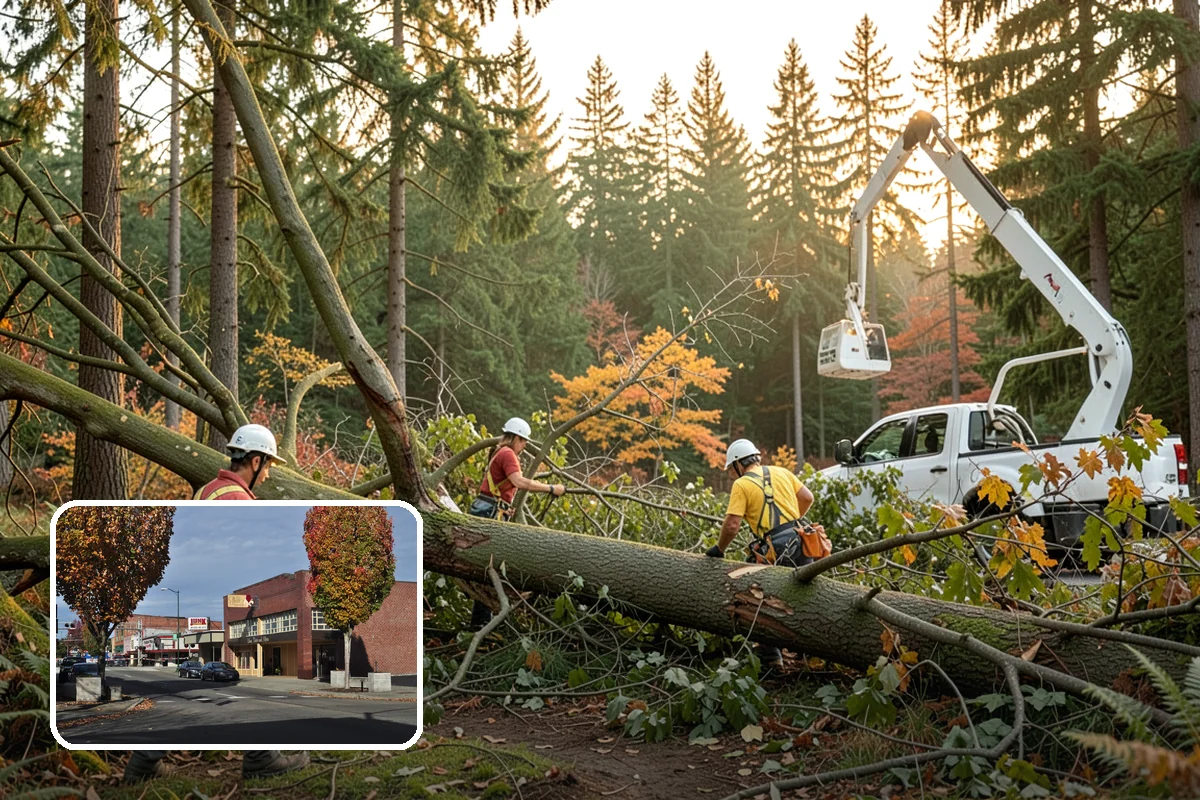
Backfilling a ground stump site in Puyallup
Grinding leaves a pit of wood chips mixed with soil. Backfill is how that pit gets filled and shaped. Here is the usual order of work.
- Remove most of the coarse chips, especially for a planting spot.
- Fill with clean soil in layers, firming each layer lightly.
- Mound the surface slightly higher than the surrounding grade.
- Finish with seed, sod, or mulch, depending on your plan.
Why drainage matters here
The NRCS soil survey for Puyallup lists 47% of the land as well drained and 11% as poorly drained. Soils are not the same from lot to lot, and these are survey figures for the city, not a reading of your yard. Still, the 13% with a restrictive layer like hardpan is worth knowing about. Where water cannot move down, a filled stump hole can stay soggy. Pooling water can sink a new lawn patch or stress a young tree. If the spot stays wet after rain, tell us. We can adjust the fill and the grade so water runs off instead of collecting.
Settling
Leftover chips break down over time, and the fill sinks as they do. Removing more chips and firming the soil in layers reduces this, but some settling is normal. Plan to top off the spot later with a little soil.
If you plan to replant
Puyallup's tree code says trees removed in or near a critical area must be replaced with two new trees for each one removed. Replacement may also be required for other approved removals. If your stump came from a tree like that, the backfill should be planned around where the new trees will go. We check with the city before work starts, so you know what applies to your site. A planting spot needs different prep than a lawn patch, and it is easier to set that up at backfill time than to dig it out again.
Puyallup tree conditions at a glance
| Soils | 13% of land has hardpan or another restrictive layer within 40 in; most common series Puyallup; 47% well drained |
|---|---|
| Rain and snow falling October to April | 81% of the year’s total |
| Days that freeze at night and thaw by day | 29 a year |
Tree removal rules in Puyallup
Significant tree protections do not apply to lots containing single-family, duplex, triplex or up to four-unit residential development unless the tree is in a critical area. A permit is required on such lots only if the tree is on the City's Heritage Tree register, or is within or associated with a critical area (wetland/buffer, steep slope, stream buffer, habitat area/greenbelt). Significant trees are regulated on commercial, industrial, institutional and multifamily (5+ units) property.
Regulated size: Healthy, living tree greater than 15 in DBH (black cottonwood and red alder not typically regulated unless in a critical area).
Official city source. Rules change; we confirm with the city before work starts.
Sources: Daymet daily weather (NASA/ORNL), NOAA Storm Events, USDA plant hardiness map 2023, NRCS soil survey, USGS elevation, WA DNR landslide inventory, USDA Forest Service aerial survey, WSDA, city tree assessments and street-tree inventories, SILVIS Lab, Arbor Day Foundation, and official city and utility pages.
Backfill After Stump Grinding Serving Puyallup
Puyallup

Also serving Puyallup
- Sod Repair in Puyallupat Washington Landscaping
- Stump Grinding in Puyallupat Washington City Services