Where Safety Meets Expert Tree Service.

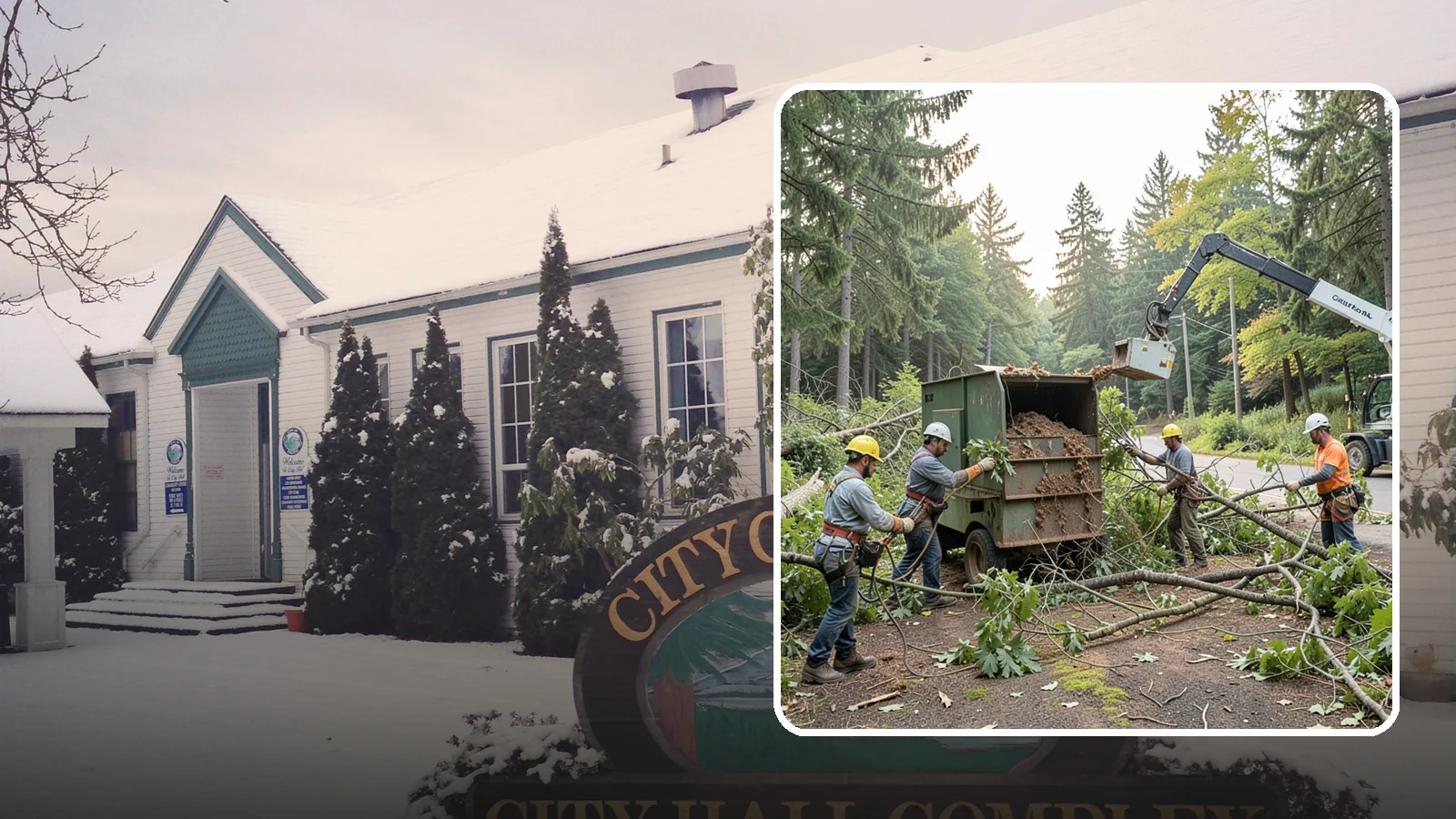
Pacific Tree Debris Removal
The collection and hauling of downed limbs and debris.
The best time to book debris removal in Pacific is soon after a windy spell, before broken limbs sit on the ground and the lawn beneath them is damaged. Fall and winter are when most wind arrives in western Washington, so a check of your yard in early spring often turns up what the season left behind.
Debris can mean snapped branches, split trunks, brush piles, or the leftovers of earlier pruning. Walk the property first and note where the material sits and how it can be reached. That makes planning the cleanup much simpler.
About Tree Debris Removal in Pacific
When a storm knocks down limbs or leaves your property cluttered with debris, we are here to help you clear the way quickly. Our trained crews work alongside homeowners in our area to restore safety and access after severe weather events. We understand how stressful it is when trees fall on your home or driveway during Puget Sound storms.
What Pacific Tree Debris Removal Includes
This service focuses entirely on collecting and hauling away downed limbs and other debris from your site. It includes the efficient removal of broken branches left over from recent tree work or unexpected wind damage. Our goal is to leave your property clean while ensuring that no hazardous material remains behind.
Pacific Tree Debris Removal Process
We begin by assessing any immediate hazards, such as hanging limbs or unstable trees under tension. Once the area is made safe, our crew removes downed material and processes it for removal from your site. If necessary, we will document the damage to help you understand what happened during the storm event.
Equipment We Use for Pacific Tree Debris Removal
Our teams utilize chainsaws, rigging gear, and personal protective equipment to handle difficult cuts safely. Depending on the size of the debris or limited access conditions, we may bring an aerial lift or crane to assist with removal. We also use specialized chippers and hauling trucks designed for efficient disposal of large volumes of wood.
Pacific Tree Debris Removal Safety & Best Practices
Because storm-damaged trees are often unstable and under load, our crews treat every fallen limb with caution until fully secured. You can rest easy knowing we watch closely for hidden utility lines that might be downed or buried in the debris. We also ensure bystanders stay clear while carefully releasing tension on any bent or pinned material near your home.
Signs You Need Tree Debris Removal in Pacific
If you see broken branches blocking your driveway, yard, or walkways after a wind event, this service is likely needed right away. Hidden cracks in standing trees or downed power lines nearby are other strong indicators that professional debris removal is required. Limited access due to fallen limbs on fences or gates also signals it is time for our team to help clear the path.
What Affects the Cost of Tree Debris Removal in Pacific
The final cost depends heavily on how much volume of limbs and debris needs to be removed from your specific site. Factors like difficult access conditions after a storm, the distance required to haul disposal material away, and nearby hazards such as power lines will also influence pricing. We evaluate each situation individually to ensure you get an accurate estimate based on these real-world variables.
Best Time of Year for Pacific Tree Debris Removal
While this work can be scheduled immediately following specific wind damage at any time of year, it is most frequently needed from fall through spring when storms are common in our region. Our crews remain ready to respond quickly regardless of the season whenever severe weather patterns threaten your property with downed trees and branches.
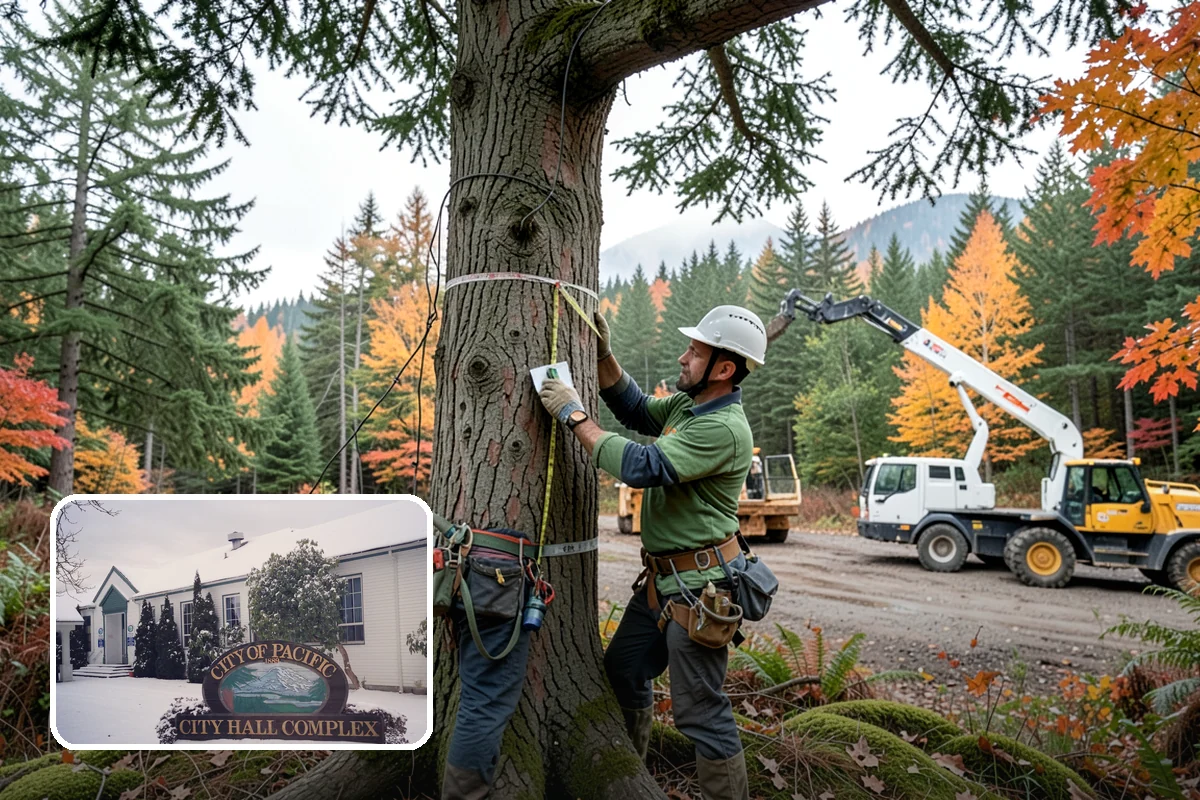
Planning tree debris removal in Pacific, Washington
Start by sorting what you have. Fresh limbs, old brush piles, and whole fallen trees call for different handling. Photos of each pile help us judge the work before anyone arrives.
Why wind history matters here
The forecast zone that includes Pacific logged 38 high and strong wind episodes between 2005 and 2025. That is a regional record, not a count for your yard. It does tell you that storm debris is a recurring possibility, so it makes sense to look over trees for hanging or cracked limbs. Those can drop more material after the first cleanup.
What affects scope
Scope depends on volume, how far debris must be carried, and whether the material is tangled in a standing tree. Wet wood is heavier. Debris that is pinned under a limb, fence, or roofline needs more care than a pile on open grass. If a damaged tree is still standing, the safest plan may include removing the hazard so cleanup is not repeated.
The quarantine rule
King County and Pierce County sit inside the WSDA apple maggot quarantine. Homegrown fruit and yard waste may not be moved out of the quarantine area into pest-free areas. For you, that means debris should not be hauled off to a friend's property elsewhere, and fallen fruit mixed into a brush pile needs attention. We ask about fruit trees during the estimate so disposal is planned properly.
What to expect on the day
The crew walks the site with you, confirms what is going and what stays, and protects lawns and beds where practical. Material is cut to manageable lengths, loaded, and hauled. Raking up the smaller leaf and twig litter follows the larger pieces. If we find a hazard in a standing tree, we point it out rather than act without your approval.
Free estimates are available, and you can call or text 425-484-4442 with photos.
Practical tip: before the day, move vehicles, hoses, and lawn furniture away from the debris and mark any irrigation heads or low fixtures. Clear access shortens the job and protects your yard.
Pacific tree conditions at a glance
| Land under dense tree cover (50%+ canopy) | 8% |
|---|---|
| Rain and snow falling October to April | 81% of the year’s total |
| Days with 0.1 in or more of rain | 108 a year |
Tree health near Pacific
- Decline, cause not identified890 ac
- Unknown root disease or decay14 ac
- Fir engraver3 ac
Forest damage mapped from the air within 10 km of Pacific, 2021-2025 (USDA Forest Service and WA DNR). This covers forest land, not street or yard trees. “Decline, cause not identified” is dieback with no single cause found.
Sources: Daymet daily weather (NASA/ORNL), NOAA Storm Events, USDA plant hardiness map 2023, NRCS soil survey, USGS elevation, WA DNR landslide inventory, USDA Forest Service aerial survey, WSDA, city tree assessments and street-tree inventories, SILVIS Lab, Arbor Day Foundation, and official city and utility pages.
Tree Debris Removal Serving Pacific
Pacific
Also serving Pacific
- Hail Damage Assessment in Pacificat Washington Roofing
- Bowing Wall Repair in Pacificat Washington Construction
- Bed Preparation in Pacificat Washington Landscaping
- Emergency Access Clearing in Pacificat Washington Snow Removal