Where Safety Meets Expert Tree Service.


Pacific Stump Removal
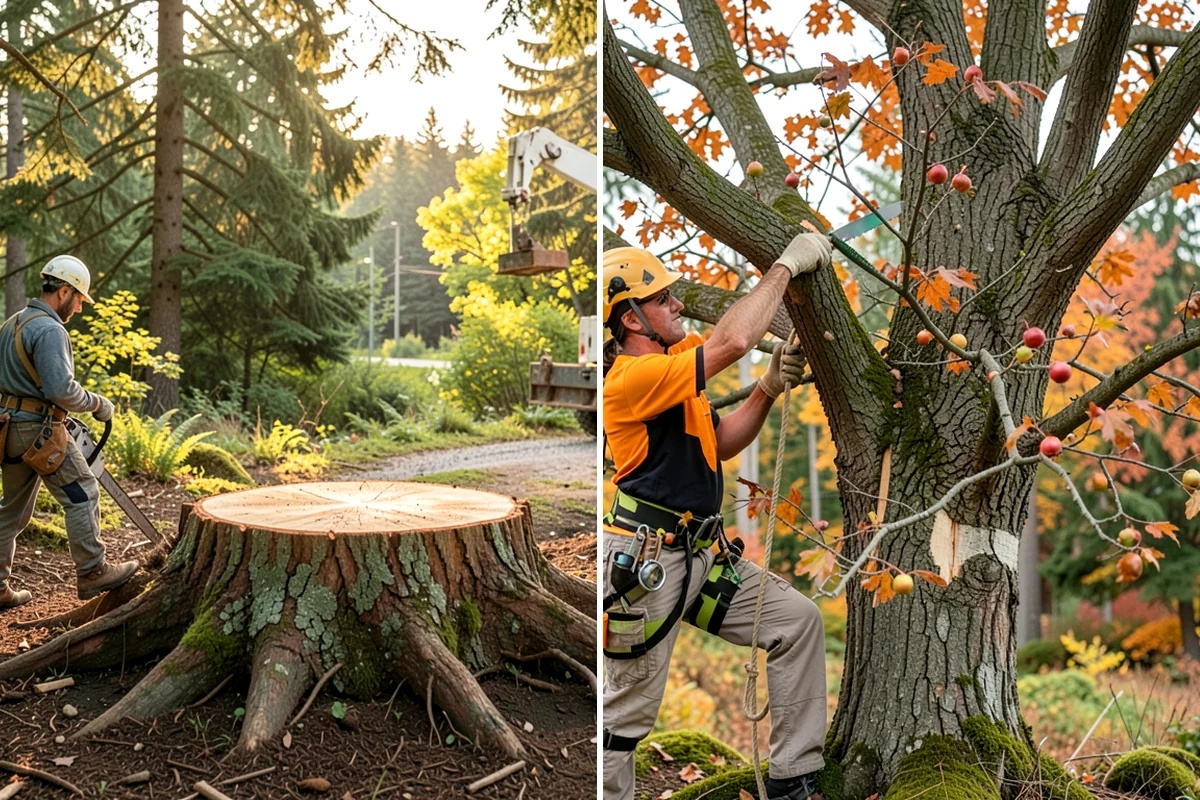
The full extraction of a stump and its major roots.
Stump removal in Pacific makes the most sense once the soil is workable but not saturated. Wet ground is common here, and a soaked yard can turn into ruts under any machine. A drier stretch usually means less damage to your lawn and an easier time getting equipment to the stump.
If the tree came down recently, you do not have to rush. Plan the removal before you reseed, lay sod, or build a path or patio, so the work does not tear up new ground.
About Stump Removal in Pacific
If you need your yard cleared after a tree has been removed or if an old stump is causing trouble, our team can help get the job done safely. We specialize in removing stubborn stumps so you can reclaim that space for new plants or other uses without leaving behind hidden hazards.
What Pacific Stump Removal Includes
This service involves the complete extraction of both the visible stump and its major root system from beneath the soil surface. It is specifically chosen when you need to clear the entire underground mass rather than just grinding it down below ground level. Our trained crews follow recognized standards to match their methods to your specific tree species, site conditions, and access points.
Pacific Stump Removal Process
We begin by locating and marking any underground utilities before moving a single tool near your property. After clearing the area around the stump, we either grind or extract the root mass depending on what works best for your situation. Once removed, we process the debris, backfill the hole, and grade the soil as needed to restore your landscape.
Equipment We Use for Pacific Stump Removal
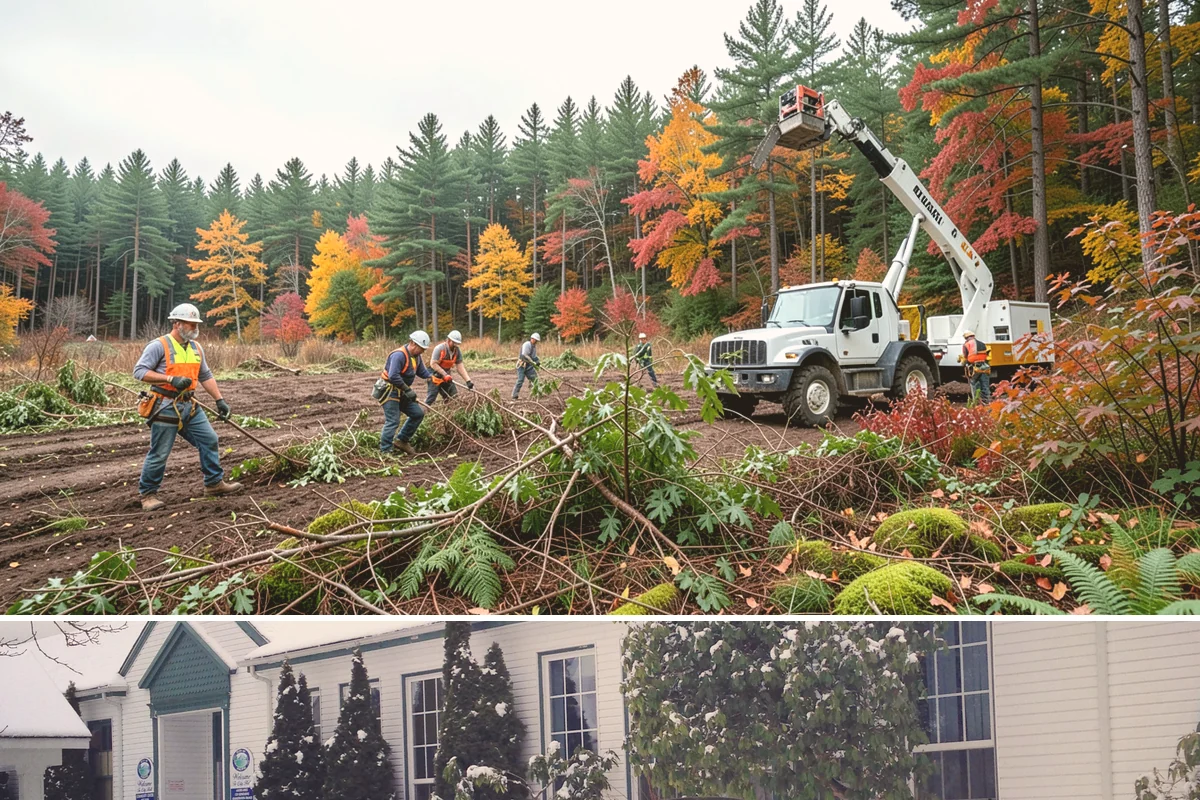
Our crews use powerful stump grinders along with excavation tools designed to handle tough underground work. We also bring utility locating support, wheelbarrows, rakes, and personal protective equipment to ensure a smooth operation. All machinery is selected carefully to navigate around rocks, debris, or limited access areas without damaging your yard.
Pacific Stump Removal Safety & Best Practices
Safety starts by confirming that all underground utilities are located before any grinding begins to prevent accidental damage. We keep bystanders clear of the work zone and watch for ejected debris while everyone wears proper eye and hearing protection. Our team also stays alert for buried obstructions or other hazards that could arise during excavation near your home.
Signs You Need Stump Removal in Pacific
You may need this service if you are dealing with a tripping hazard, an obstruction in your garden bed, or signs of pests attracted to old roots. It is the right choice when regrowth from remaining roots becomes unwanted and you want to prepare the area for replanting. If equipment cannot reach the stump due to tight spaces, our methods can still be adapted to handle limited access situations.
What Affects the Cost of Stump Removal in Pacific
The final price depends on factors like the size of the stump and how deep or extensive its root system is. Soil conditions such as rocks or debris in the ground will also influence the effort required for extraction. Additionally, any limitations that prevent large equipment from reaching your site can affect the overall cost of the project.
Best Time of Year for Pacific Stump Removal
Work can be performed year-round here thanks to our mild Puget Sound climate and flexible scheduling. During wetter seasons, we may need to take special precautions because excavation tools face saturated soils that make digging more difficult. We will work with you to find a time when conditions are right for your specific site needs.

Planning stump removal in Pacific, WA
Start by deciding what you want the spot to be afterward. A new lawn, a planting bed, and a replacement tree each call for different depths of grinding. Stump grinding chews the wood down below grade, usually several inches, and leaves wood chips behind. Full removal of the root mass is a bigger job and is rarely needed unless you are building over the spot.
What affects the scope
Size matters most: the stump's diameter, and how far the large surface roots run. Nearby fences, utility lines, irrigation, and foundations also shape how we approach it. Tell us about anything buried that you know of, such as sprinkler lines.
Soil matters too. The NRCS soil survey shows that in Pacific, 45% of the land is poorly drained and 27% is well drained, and the most common soil series is Puyallup. On poorly drained ground, the stump area may stay soft well into the season, so we may suggest waiting for a drier window. The same survey shows that 29% of the land has a hard or restrictive layer, such as glacial hardpan, within 40 inches of the surface. That is survey data for the area, not a reading of your yard. It does hint that roots may spread sideways instead of deep, which can widen the grinding area.
Pacific sits in USDA hardiness zone 8b (USDA map, 2023). That is useful if you plan to replant, since it tells you which trees and shrubs suit the winters.
Permits and city rules
The published rules we found for Pacific don't spell out clearly which removals need city approval. We check with the city before work starts, so you are not guessing.
On the day
We confirm the stump and any marked utilities, clear the area, and grind in passes across the stump and then the surface roots. Expect noise, some flying debris that we contain, and a mound of chips. We can leave the chips in place or haul them off, depending on what you decided during planning. The hole will settle, so top it off with soil later.
Practical tip: if you want to plant in the spot, rake out most of the chips and fill with fresh soil, because decomposing wood can pull nitrogen from young plants.
Pacific tree conditions at a glance
| Soils | 29% of land has hardpan or another restrictive layer within 40 in; most common series Puyallup; 27% well drained |
|---|---|
| Rain and snow falling October to April | 81% of the year’s total |
| Days that freeze at night and thaw by day | 28 a year |
Tree removal rules in Pacific
Pacific’s published rules don’t spell out clearly which removals need city approval. We check with the city before work starts.
Sources: Daymet daily weather (NASA/ORNL), NOAA Storm Events, USDA plant hardiness map 2023, NRCS soil survey, USGS elevation, WA DNR landslide inventory, USDA Forest Service aerial survey, WSDA, city tree assessments and street-tree inventories, SILVIS Lab, Arbor Day Foundation, and official city and utility pages.
Stump Removal Serving Pacific
Pacific
Also serving Pacific
- Sod Removal in Pacificat Washington Landscaping
- Park Tree Maintenance in Pacificat Washington City Services