Where Safety Meets Expert Tree Service.

Pacific Soil Testing
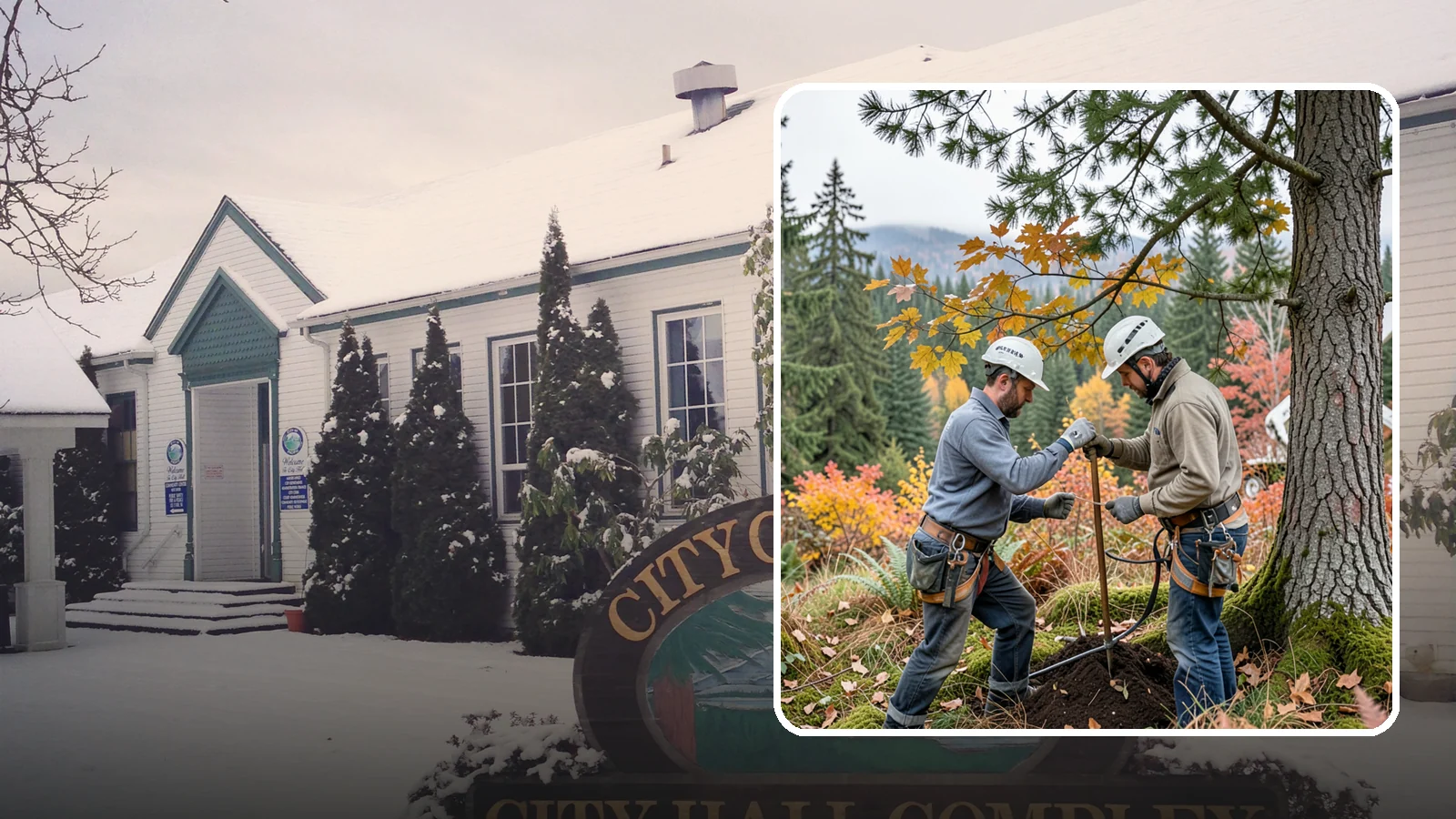
The analysis of soil conditions around a tree.
Soil testing is for owners in Pacific who are planting new trees, replacing one that failed, or trying to work out why a cedar, maple or fruit tree is thinning or browning. It also helps if you are about to regrade, add fill or build near trees you want to keep.
A test tells you what the soil holds and how it behaves, so you can choose the species and the care that fit the site instead of guessing. Below are the options and when each one makes sense.
About Soil Testing in Pacific
Soil testing helps you understand what is happening beneath your trees’ roots so they can thrive in our local climate. This simple analysis guides smart decisions about fertilization, soil amendments, and drainage to keep your landscape healthy for years. It supports long-term stability by catching potential issues before they grow into bigger problems.
What Pacific Soil Testing Includes
Our trained crews perform a detailed look at the conditions surrounding each tree using recognized arboricultural standards. We match our methods specifically to the species of your trees, the site where they stand, and how easy it is for us to reach them. The goal is always to improve root health and extend the useful life of these valued assets in your yard.
Pacific Soil Testing Process
Work begins with a careful inspection of both the tree and its immediate site to spot any contributing factors like poor soil or past construction issues. We then recommend and apply treatments that address pests, disease, or drainage needs based on our findings. Finally, we document everything clearly so you have a record for future follow-up care and maintenance plans.
Equipment We Use for Pacific Soil Testing
To get accurate results, we use specialized diagnostic tools along with soil probes and sampling kits to gather the right information. Depending on what is needed at your specific site, air excavation tools or injection equipment may be brought in carefully. We also wear personal protective gear throughout the job to ensure everyone stays safe while working around your property.
Pacific Soil Testing Safety & Best Practices
Our team always follows label guidelines for any products used and takes steps to protect existing soil and nearby plantings from damage. During sampling, we take great care to avoid hurting roots or trunks so that our work does not harm the very trees it aims to help. We also make sure all conditions are documented accurately before leaving your site after completing the necessary tasks.
Signs You Need Soil Testing in Pacific
You might need this service if you notice signs of decline caused by compacted soil, girdling roots, or changes in ground grade from old construction. It is especially useful when pests and disease appear to be affecting multiple trees on a property at once. If your drainage seems poor or fertilizer efforts have not improved the landscape, testing can clarify what adjustments are actually needed.
What Affects the Cost of Soil Testing in Pacific
The price for this service depends largely on the specific species of tree you have planted in your yard. Site conditions such as difficult access or steep slopes will also determine which diagnostic tools and sampling methods our crew must use. These factors combine to set a cost that reflects the unique needs of each individual job without any hidden fees.
Best Time of Year for Pacific Soil Testing
In Washington’s Puget Sound climate, soil testing can generally be done at any time during the year for most properties. However, we may need to adjust our approach slightly or wait for drier conditions if heavy rain makes sample collection difficult. When wet seasons require extra care, we might use air excavation tools gently to ensure we get clean samples without damaging roots.
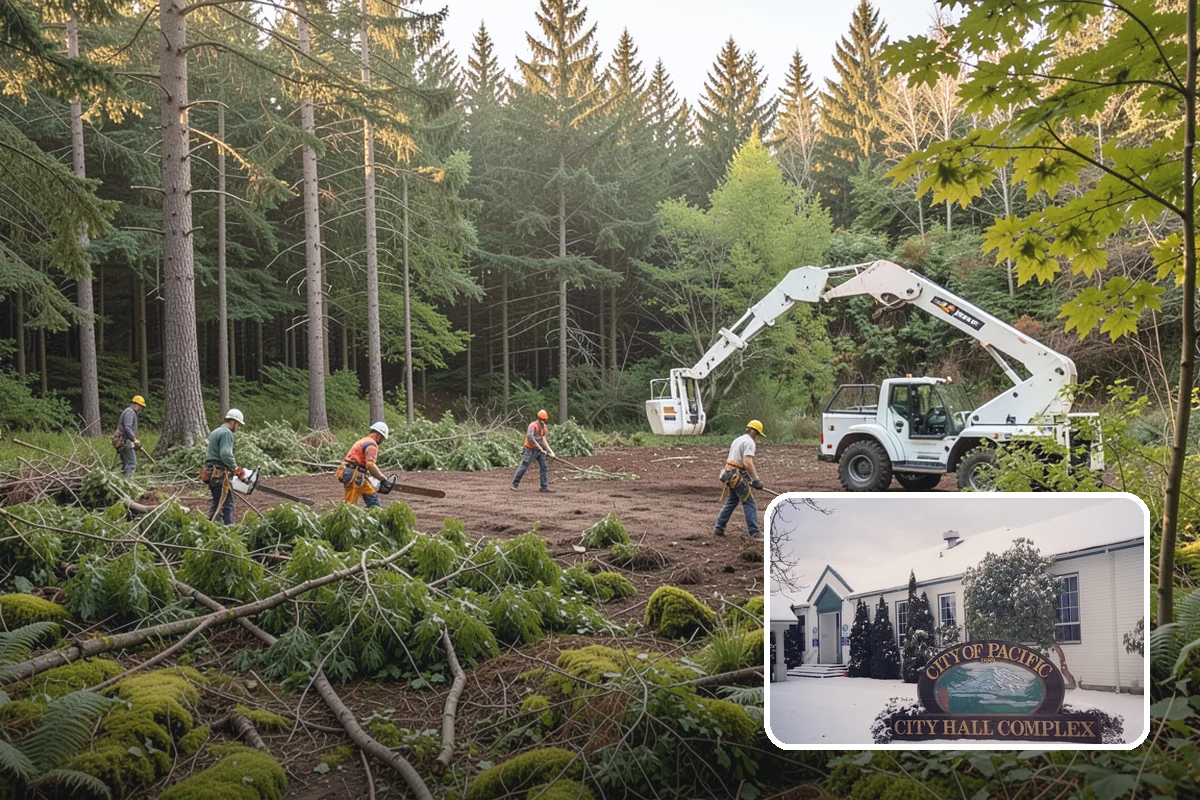
Soil testing options for Pacific yards and what suits each
There is more than one way to look at soil. The right one depends on what you are trying to decide.
- Nutrient and pH lab test: Best for established trees with pale leaves, weak growth or dieback, and for planting beds where you want to know what to amend.
- Drainage and compaction check: Best for new plantings and for trees that decline after wet seasons. It involves digging a test hole, filling it with water and watching how fast it drains, and probing for dense layers.
- Both together: Best when a tree has failed and you plan to replant in the same spot.
Why drainage deserves the first look here
The NRCS soil survey for Pacific shows that 29% of the land has a hard or restrictive layer, such as glacial hardpan, within 40 inches of the surface. The most common soil series is Puyallup. Of the soils mapped, 27% are well drained and 45% are poorly drained. That is survey data for the city, not a reading of your yard. But it is a good reason to check drainage before you pick a tree. A species that dislikes wet roots can struggle over a hardpan layer even when nutrients look fine.
Rain timing and summer stress
Daymet records for 2005-2025 show that 81% of Pacific's yearly rain and snow falls from October to April. Soil can sit saturated through winter and then dry out fast in summer. A drainage test is best done in the wet months, when problems show. WSU HortSense notes that cedars may need extra irrigation during summer drought to reduce flagging, so a cedar on fast-draining soil may need a different watering plan than one on heavy soil.
What you get from us
Our ISA Certified Arborist can take samples, read the results alongside what the tree looks like, and suggest species, planting depth, mulch or amendments. Pacific is in USDA zone 8b (2023 map), which we also weigh when suggesting species. Call or text 425-484-4442 to ask about a free estimate.
Pacific tree conditions at a glance
| USDA hardiness zone | 8b |
|---|---|
| Soils | 29% of land has hardpan or another restrictive layer within 40 in; most common series Puyallup; 27% well drained |
| Rain and snow falling October to April | 81% of the year’s total |
| Days with 0.1 in or more of rain | 108 a year |
| Days that freeze at night and thaw by day | 28 a year |
Tree health near Pacific
- Decline, cause not identified890 ac
- Unknown root disease or decay14 ac
- Fir engraver3 ac
Forest damage mapped from the air within 10 km of Pacific, 2021-2025 (USDA Forest Service and WA DNR). This covers forest land, not street or yard trees. “Decline, cause not identified” is dieback with no single cause found.
Sources: Daymet daily weather (NASA/ORNL), NOAA Storm Events, USDA plant hardiness map 2023, NRCS soil survey, USGS elevation, WA DNR landslide inventory, USDA Forest Service aerial survey, WSDA, city tree assessments and street-tree inventories, SILVIS Lab, Arbor Day Foundation, and official city and utility pages.
Soil Testing Serving Pacific
Pacific
Also serving Pacific
- Evergreen Pruning in Pacificat Washington Landscaping
- Shrub Maintenance in Pacificat Washington City Services