Where Safety Meets Expert Tree Service.

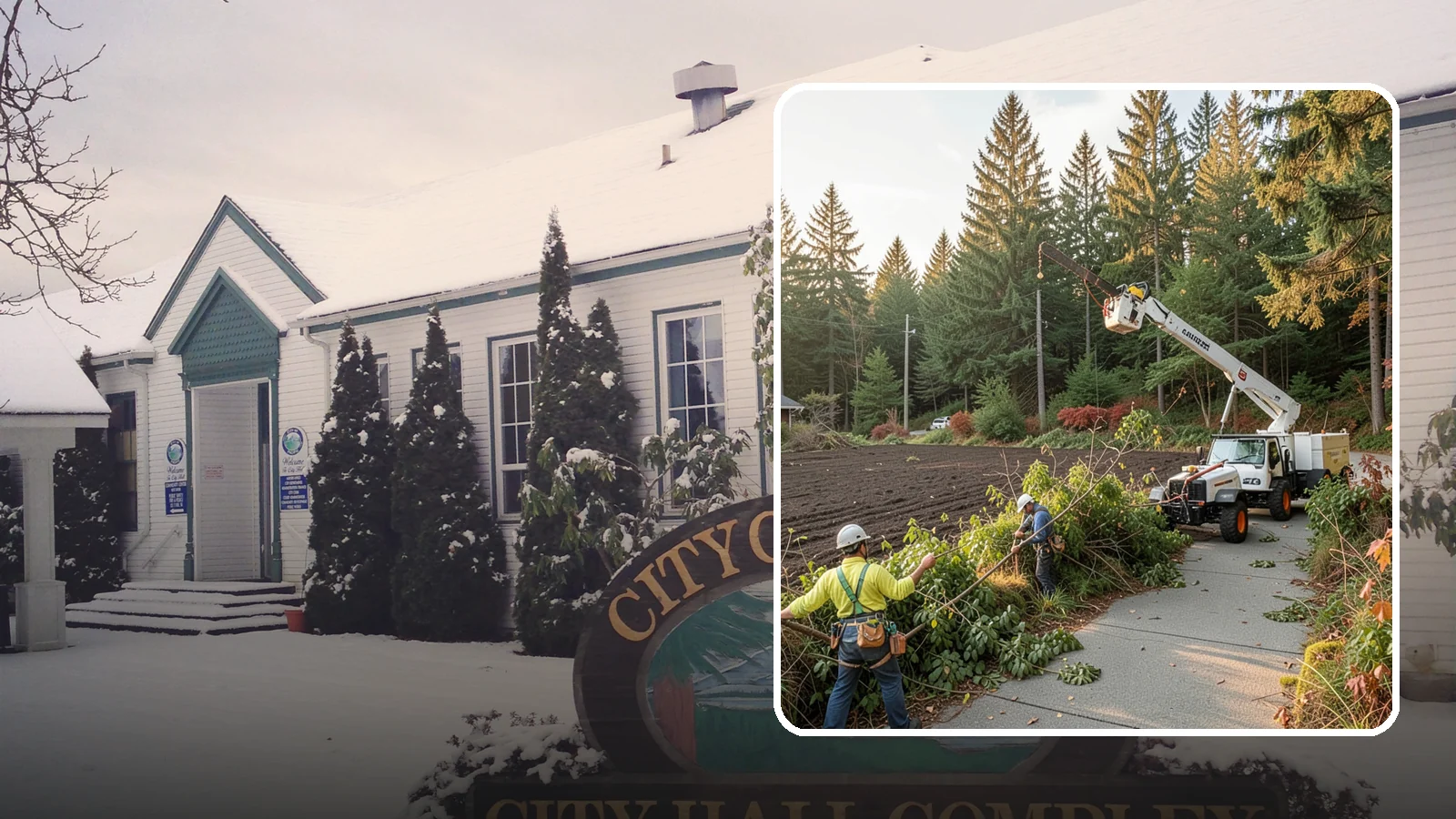
Pacific Sidewalk Clearance Pruning
Pruning to provide clearance over walkways.
The best window for sidewalk clearance pruning in Pacific is usually late fall through winter, once leaves have dropped and you can see the true shape of each branch over the walkway. About 81% of the city's yearly rain and snow falls from October to April, according to Daymet data for 2005 to 2025. Wet-season growth and heavy, rain-soaked limbs are what push branches down into the path.
Walk your sidewalk after a storm and note which branches sag low enough to brush a hat, an umbrella or a stroller canopy.
About Sidewalk Clearance Pruning in Pacific
Sidewalk clearance pruning helps keep your pedestrian paths safe and unobstructed by managing tree branches near walkways. This service is designed for homeowners who want clear sightlines while maintaining the health of their trees. We work with you to ensure that people can move freely without worrying about overhead limbs.
What Pacific Sidewalk Clearance Pruning Includes
This specific type of pruning focuses on providing adequate clearance over sidewalks and other walkable areas. Our trained crews follow recognized arboricultural standards, selecting methods that match your tree species and site conditions. The goal is to keep paths open while preserving the natural structure and beauty of each tree.
Pacific Sidewalk Clearance Pruning Process
We begin by assessing the current canopy condition and defining clear pruning objectives for your property. Careful cuts are made at proper points without over-pruning, ensuring minimal stress on the trees. Afterward, we lower and process all cut material before thoroughly cleaning up the work area to leave everything tidy.
Equipment We Use for Pacific Sidewalk Clearance Pruning
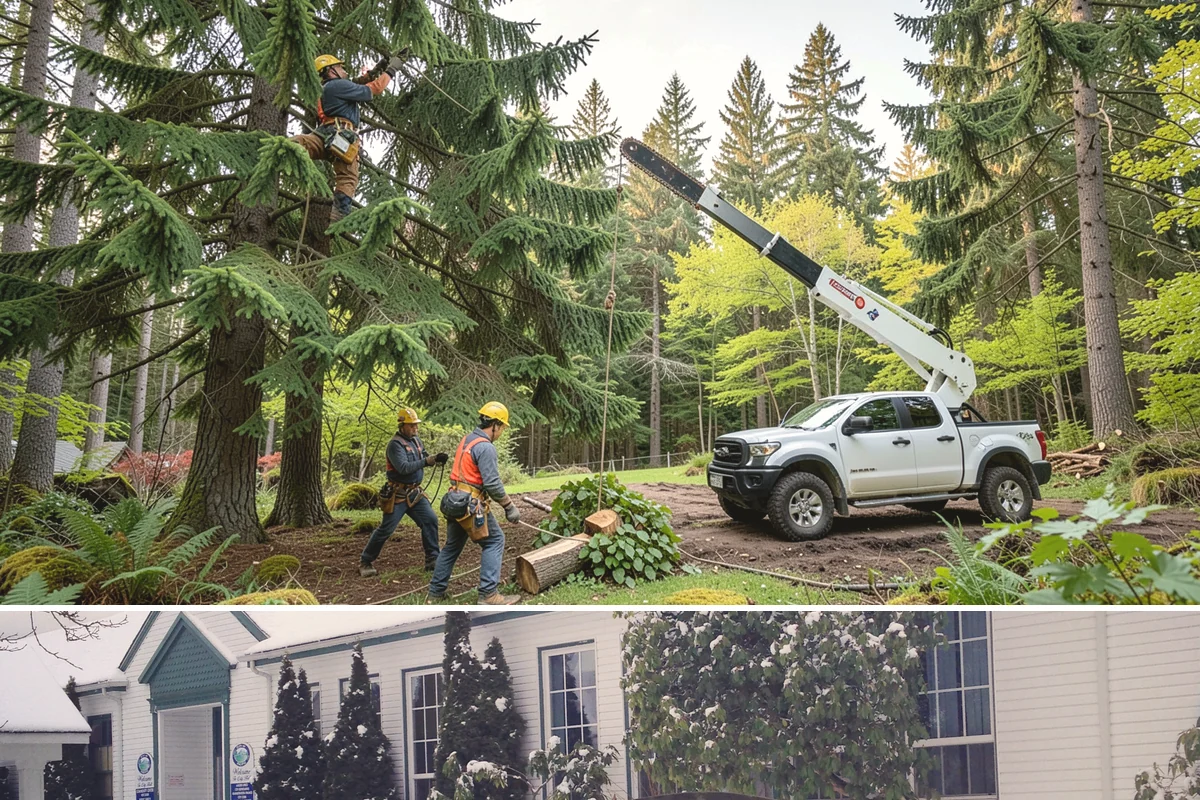
Our crews use a variety of tools including hand saws, pole saws, chainsaws, and wood chippers depending on the job size. When branches are high or hard to reach, we utilize climbing gear, rigging equipment, or aerial lifts as needed. All team members wear necessary personal protective equipment while operating these machines safely around your home.
Pacific Sidewalk Clearance Pruning Safety & Best Practices
We strictly follow recognized pruning standards to avoid making harmful cuts that could weaken a tree’s structure. Our approach limits removal to healthy amounts of live tissue and keeps an eye out for unstable limbs or overhead power lines. When working at height, we always use proper fall protection to ensure the safety of our crew on your property.
Signs You Need Sidewalk Clearance Pruning in Pacific
You may need this service if you notice branches hanging low over sidewalks where pedestrians walk daily. Deadwood in weak unions or interference with nearby structures are also common reasons to schedule a clearance pruning session. If you feel that sightlines along your path are blocked by dense foliage, it is time to contact us for an assessment.
What Affects the Cost of Sidewalk Clearance Pruning in Pacific
The final cost depends on the specific tree species and their overall canopy condition at the site. Access requirements such as using climbing gear or aerial lifts will also influence how much work is needed. Additionally, the volume of material that must be processed through our wood chipper plays a role in the total price.
Best Time of Year for Pacific Sidewalk Clearance Pruning
While we follow recognized arboricultural standards matched to your specific site conditions, it is best to avoid dormant seasons for certain Pacific Northwest species. We aim to schedule this work when tree health will not be stressed by seasonal changes or weather patterns. Our team will advise you on the ideal time based on the unique needs of each tree in your yard.

Planning sidewalk clearance pruning in Pacific
Planning the work
Start by walking the sidewalk the way a pedestrian would. Look up for branches hanging into the walking space, and look sideways for limbs that narrow the path or hide signs and driveways. Take photos of the trouble spots. They help us agree on exactly what needs to come off before anyone picks up a saw.
Pacific's hardiness zone is 8b, according to the 2023 USDA map. That is a mild zone, so many trees keep growing vigorously, and a branch cleared this year can have new shoots reaching toward the walkway by next season. Pruning in the dormant months also lets the crew see branch structure clearly and make cuts at the right points.
What affects scope
The size of the job depends on a few things: how many trees overhang the walk, how high the clearance needs to be, and how large the limbs are. Branches that are thin and low are quick work. Large limbs, or a tree that has grown out over the street as well, take more time and more care. Dead or cracked wood is worth removing while we are there.
Standard practice under ISA and ANSI A300 guidelines is to cut back to a branch union or the branch collar rather than leaving stubs, and to avoid removing too much of the crown at once. We do not recommend topping. It creates weak regrowth and does not solve the clearance problem for long.
The published rules we found for Pacific don't spell out clearly which removals need city approval. If your job involves taking out a whole tree rather than trimming, we check with the city before work starts.
On the day
Expect a walkthrough first, so you can point out what concerns you. The crew will keep the sidewalk and nearby areas controlled while limbs come down, then chip or haul the cuttings and rake up the walkway. Our ISA Certified Arborist is on staff, and estimates are free; call or text 425-484-4442 to set one up.
One practical tip: after pruning, check the sidewalk again in spring. If you see fast new shoots on the cut limbs, note them so they can be dealt with at the next visit.
Pacific tree conditions at a glance
| USDA hardiness zone | 8b |
|---|---|
| Rain and snow falling October to April | 81% of the year’s total |
| Days that freeze at night and thaw by day | 28 a year |
| Electric utility | unconfirmed |
Sources: Daymet daily weather (NASA/ORNL), NOAA Storm Events, USDA plant hardiness map 2023, NRCS soil survey, USGS elevation, WA DNR landslide inventory, USDA Forest Service aerial survey, WSDA, city tree assessments and street-tree inventories, SILVIS Lab, Arbor Day Foundation, and official city and utility pages.
Sidewalk Clearance Pruning Serving Pacific
Pacific

Also serving Pacific
- Magnolia Pruning in Pacificat Washington Landscaping
- Roof Maintenance in Pacificat Washington Roofing
- Brush Clearing in Pacificat Washington City Services