Where Safety Meets Expert Tree Service.

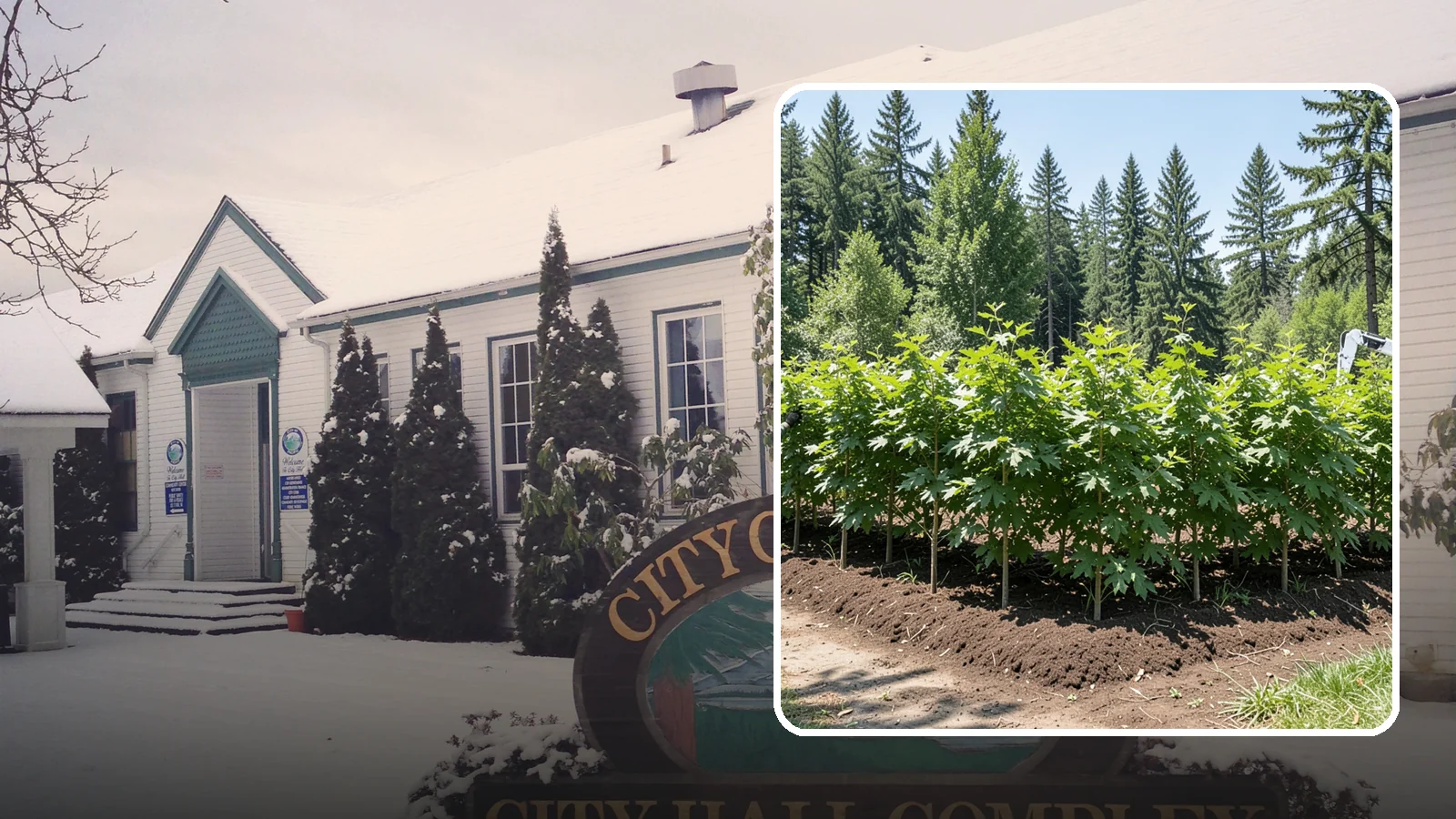
Pacific Privacy Screen Planting
The planting of trees to form a living screen.
How fast can a privacy screen go in, and what should it be? In Pacific, the answer starts with the ground and the sky overhead. Soil drainage decides which evergreens will hold up, and any overhead lines cap how tall the screen can grow.
Before choosing a plant, walk the edge you want to cover. Note where water sits after a rain, where wires run, and how much sun reaches the line. Those three things narrow the choices quickly and keep a hedge from needing removal later.
About Privacy Screen Planting in Pacific
We help homeowners create a natural barrier that brings peace and quiet back to their outdoor spaces. Our team specializes in planting trees specifically designed to form a living screen for your property. This approach restores tree cover while supporting the local ecology right where you live.
What Pacific Privacy Screen Planting Includes
Privacy screen planting involves placing trees strategically to block views, reduce noise, and shield against wind. We match our methods carefully to the specific species chosen and the unique conditions of your site. The goal is to establish a healthy, durable living wall that grows with your needs over time.
Pacific Privacy Screen Planting Process
Our trained crews begin by assessing your yard to select suitable tree species for the location. They prepare the soil and planting area before placing each tree at the correct depth and spacing. Afterward, we mulch around the base, water in the new plants, and provide guidance to help them get established.
Equipment We Use for Pacific Privacy Screen Planting
The work utilizes digging tools, watering equipment, and materials like soil amendments and mulch to support growth. We also bring staking supplies when necessary to keep young trees stable during their first growing season. All crew members wear personal protective gear while handling these specialized planting tools safely.
Pacific Privacy Screen Planting Safety & Best Practices
Before any digging begins, we take steps to locate underground utilities to ensure everyone stays safe. Our crews select species suited to the site to prevent future conflicts with structures or other plants. We also plant at the proper depth and handle roots carefully to avoid damage during installation.
Signs You Need Privacy Screen Planting in Pacific
You might need this service if you are looking for a natural way to screen your yard from neighbors or passersby. If noise or wind is currently making your outdoor space uncomfortable, a living screen can provide relief. This project also helps when you want to expand existing tree cover in an area that needs it most.
What Affects the Cost of Privacy Screen Planting in Pacific
The final price depends on how easily equipment can reach the planting site and whether soil amendments are required. Different species have specific spacing requirements that influence the overall layout of your new screen. These factors, along with local conditions, determine the investment needed for a successful installation.
Best Time of Year for Pacific Privacy Screen Planting
For the best results in our region, we recommend scheduling this work during dormant seasons or early spring. This timing allows tree roots to establish themselves firmly before the intense summer heat arrives. Waiting until these cooler periods ensures your new trees have the strongest possible start.
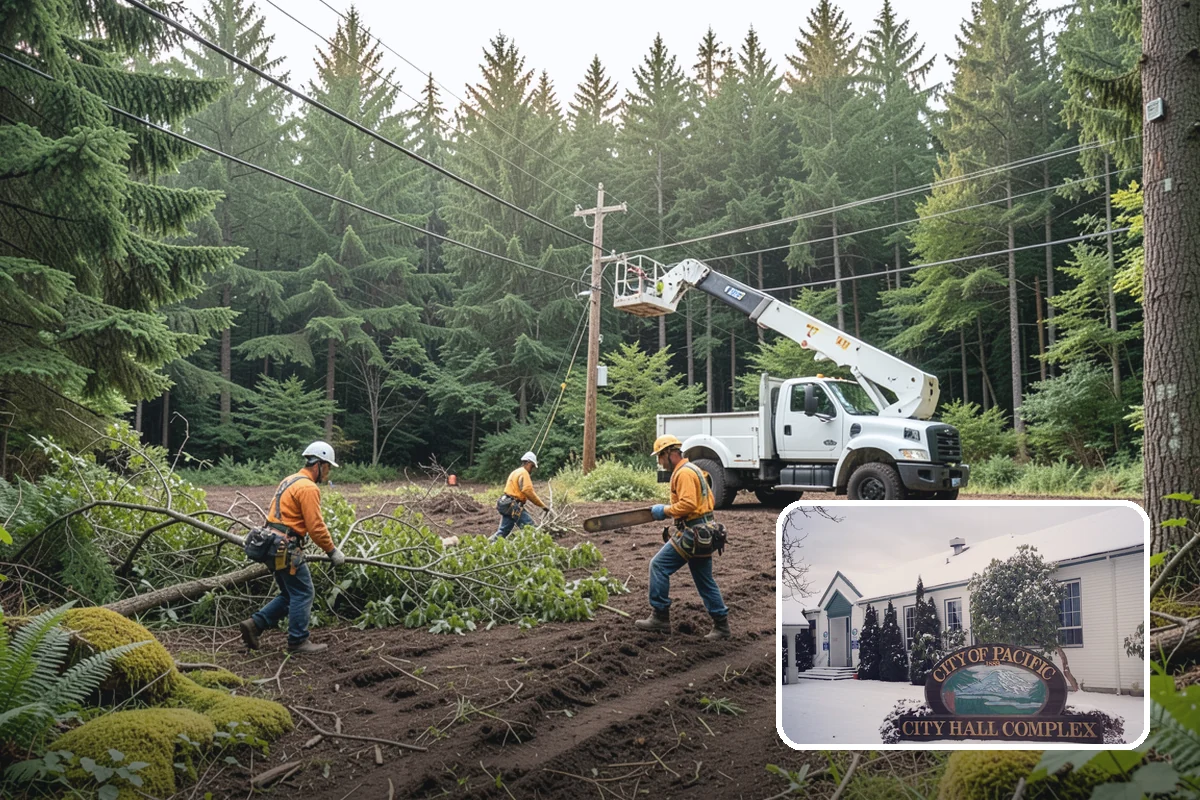
Planning a privacy screen in Pacific, Washington
Check drainage before you pick a plant
The NRCS soil survey lists Puyallup as the most common soil series in Pacific. It also reports that 45% of the land is poorly drained and only 27% is well drained. About 29% has a hard or restrictive layer, such as glacial hardpan, within 40 inches of the surface. These are survey figures for the city as a whole, not a reading of your yard. They do mean it is worth digging a test hole and watching how fast it drains before planting. Roots sitting in standing water struggle, so on a wet site we favor species that tolerate it or plant on a slightly raised area.
Plan for the wet season
Daymet data for 2005 to 2025 shows 81% of Pacific's yearly rain and snow falls from October to April. That makes fall and winter a practical planting window, since roots can establish while the soil is moist. It also means a planting bed with poor drainage will stay soggy for months. Summer is the stretch where new plants usually need regular watering until they are established.
Keep height in check near power lines
The WSU Extension Pacific Northwest Gardener's Handbook says utilities recommend trees with a mature height of 25 feet or less near distribution lines, and that 10 feet of clearance is required. If wires run along your fence line, choose a screen that tops out under that height and set it back accordingly. A tall conifer planted under a line becomes a pruning problem later.
Pacific sits in USDA hardiness zone 8b (USDA map, 2023), so many broadleaf and conifer screening plants are suited to the winters. Spacing matters as much as species. Planting too close creates crowding and disease, while planting too far apart leaves gaps for years. Our ISA Certified Arborist can walk the site with you and lay out a plan. Call or text 425-484-4442 for a free estimate.
Pacific tree conditions at a glance
| USDA hardiness zone | 8b |
|---|---|
| Soils | 29% of land has hardpan or another restrictive layer within 40 in; most common series Puyallup; 27% well drained |
| Rain and snow falling October to April | 81% of the year’s total |
| Days that freeze at night and thaw by day | 28 a year |
Tree removal rules in Pacific
Pacific’s published rules don’t spell out clearly which removals need city approval. We check with the city before work starts.
Sources: Daymet daily weather (NASA/ORNL), NOAA Storm Events, USDA plant hardiness map 2023, NRCS soil survey, USGS elevation, WA DNR landslide inventory, USDA Forest Service aerial survey, WSDA, city tree assessments and street-tree inventories, SILVIS Lab, Arbor Day Foundation, and official city and utility pages.
Privacy Screen Planting Serving Pacific
Pacific
Also serving Pacific
- Flower Planting in Pacificat Washington Landscaping
- Municipal Mulch Installation in Pacificat Washington City Services