Where Safety Meets Expert Tree Service.


Pacific Insurance Claim Documentation
The documentation of tree damage for insurance claims.
What should you document after a tree damages your property in Pacific? Start with photos and notes before anything is moved. Take wide shots that show the tree, the damage and the surroundings, then close-ups of broken limbs, the break point and any impact on roofs, fences or vehicles. Write down the date and time you noticed it.
Insurers usually want to see what the tree looked like before and what it did. A written report from an arborist can tie those pieces together. Keep any receipts for emergency steps, such as tarping or clearing a driveway, and send them with your claim.
About Insurance Claim Documentation in Pacific
This documentation service helps homeowners navigate insurance claims after tree-related damage occurs in our Pacific Northwest climate. Our trained crews provide expert, objective guidance to support your decisions when dealing with storm events or other incidents. We work alongside you to ensure the facts are clearly recorded for your claim process.
What Pacific Insurance Claim Documentation Includes
Insurance claim documentation focuses on recording specific details of tree damage to strengthen your insurance application. This service includes gathering site history and inspecting conditions while adhering to recognized arboricultural standards. The final output is a clear report that can support permits, planning needs, or insurance submissions.
Pacific Insurance Claim Documentation Process
Our team begins by collecting information about the trees and their specific location on your property. We then assess current conditions against established objectives before preparing detailed recommendations for you. Each step involves reviewing findings with the client to ensure everyone understands the situation clearly.
Equipment We Use for Pacific Insurance Claim Documentation
To gather accurate data, we use diagnostic tools designed for measurement and specialized imaging equipment when necessary. Mapping software helps visualize site details, while documentation platforms allow us to create professional reports quickly. All crew members wear personal protective gear to stay safe during these assessments.
Pacific Insurance Claim Documentation Safety & Best Practices
We base all our findings on observed evidence and recognized industry standards rather than speculation. If there are limitations in what we can assess or if uncertainty remains about a specific condition, we disclose those factors openly. Our approach ensures that any recommendations for follow-up care are documented accurately to protect your interests.
Signs You Need Insurance Claim Documentation in Pacific
You may need this service when you have experienced tree damage and require official support for an insurance claim. Situations involving hidden defects within the trunk or root system often benefit from a professional inspection of site history. Regulatory requirements can also vary by jurisdiction, making expert documentation essential for compliance with local rules.
What Affects the Cost of Insurance Claim Documentation in Pacific
The price is influenced by how difficult it is to access your specific property and the complexity of the tree species involved. If specialized diagnostic imaging tools are required during the damage assessment, this will factor into the overall cost as well. These variables ensure that our services match the unique needs of each site without using a flat rate.
Best Time of Year for Pacific Insurance Claim Documentation
While we can perform documentation year-round to fit your schedule, expedited support is available after storm events when immediate claim assistance is needed. This flexibility allows us to work within the Pacific Northwest climate patterns while prioritizing urgent situations for homeowners in our service area.
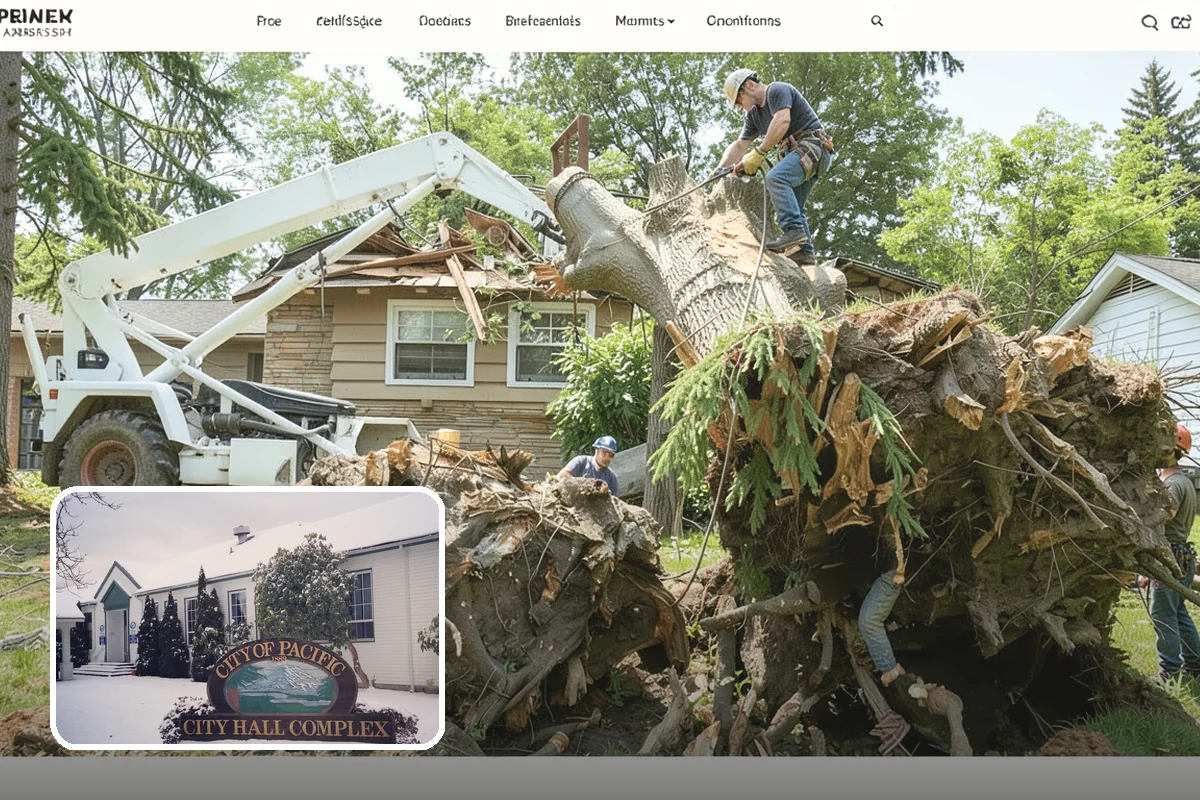
Documenting Tree Damage for a Claim in Pacific
Why wind and ice history matters here
Pacific sits in a forecast zone with 38 high and strong wind episodes between 2005 and 2025, according to the wind records for that zone. The same zone logged 3 ice storm episodes in that period. These figures cover the whole forecast zone, not this property. They do show that storm damage is a known risk in this part of the region, so it helps to note the weather on the day of the loss. Add the date and what you observed, such as heavy wind or ice on branches.
What the strongest gust tells you
The strongest gust recorded in that forecast zone since 2005 was 74 mph on December 14, 2006. That is a zone-wide record, not a measurement from your yard. Still, it is a useful reminder that a sound tree can fail in extreme weather, and a claim often turns on whether the tree was healthy before the event. Photos taken before a storm, even ordinary yard snapshots, can help show its earlier condition.
What a useful damage record includes
We can write up what we see on site in plain terms. Our ISA Certified Arborist can describe the type of failure, such as a snapped trunk, a split union or an uprooted root plate, and note visible signs of decay or old wounds where they exist. We describe what is there and do not promise how an insurer will respond.
- Dated photos from several angles before cleanup
- Notes on weather and when the damage happened
- Measurements or location of the tree relative to the structure
- Receipts for emergency work
- A written description of the failure and the tree's condition
If the tree needs to come down, we check with the city before work starts, since the rules in Pacific can depend on the tree and the situation. Call or text 425-484-4442 to ask for a free estimate and to arrange a site visit.
Pacific tree conditions at a glance
| Soils | 29% of land has hardpan or another restrictive layer within 40 in; most common series Puyallup; 27% well drained |
|---|---|
| High and strong wind episodes, 2005-2025 | 38 in the forecast zone |
| USDA hardiness zone | 8b |
Tree removal rules in Pacific
Pacific’s published rules don’t spell out clearly which removals need city approval. We check with the city before work starts.
Sources: Daymet daily weather (NASA/ORNL), NOAA Storm Events, USDA plant hardiness map 2023, NRCS soil survey, USGS elevation, WA DNR landslide inventory, USDA Forest Service aerial survey, WSDA, city tree assessments and street-tree inventories, SILVIS Lab, Arbor Day Foundation, and official city and utility pages.
Insurance Claim Documentation Serving Pacific
Pacific

Also serving Pacific
- Slope Stabilization in Pacificat Washington Landscaping