Where Safety Meets Expert Tree Service.

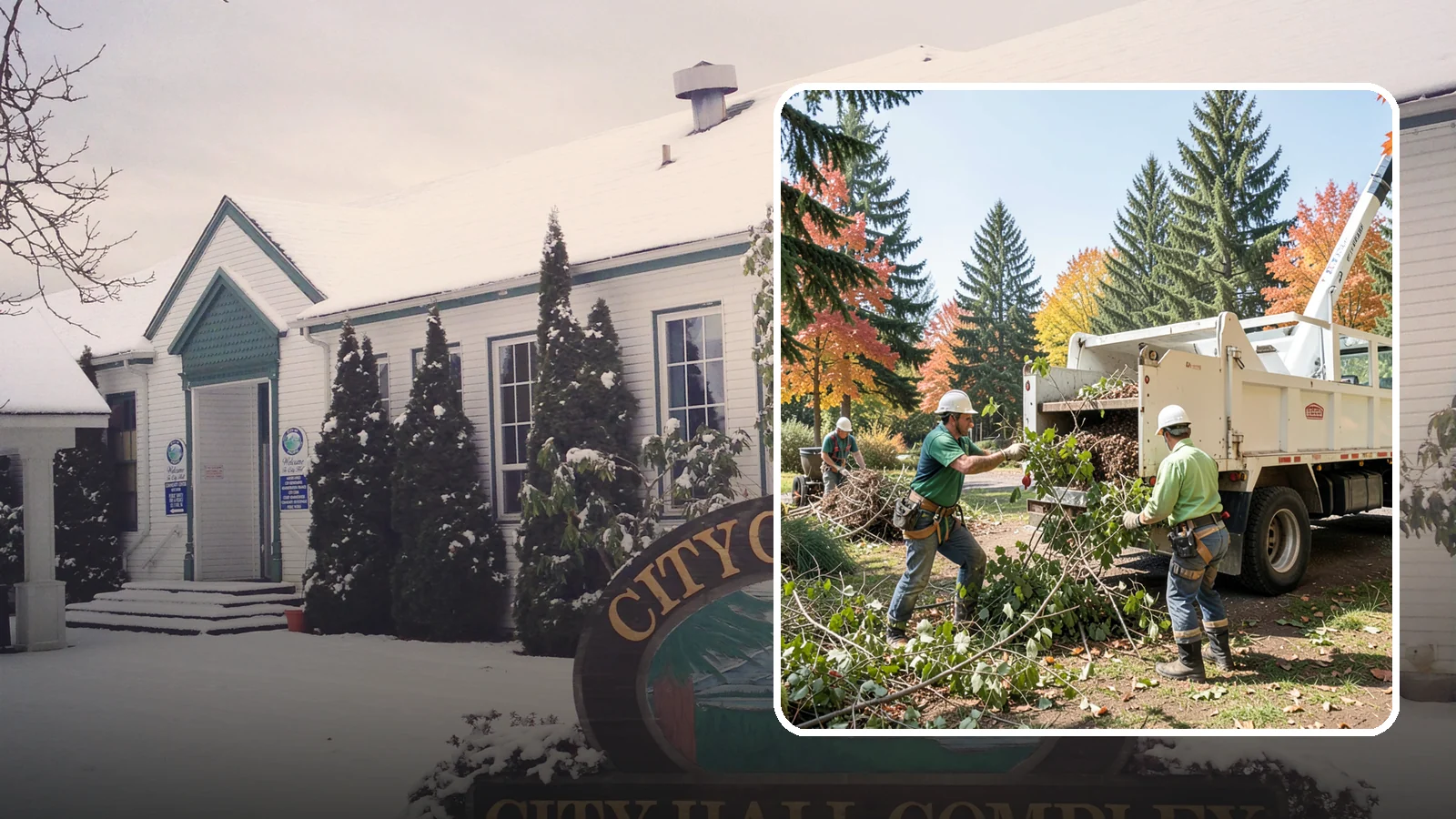
Pacific Green Waste Hauling
The removal and disposal of green waste.
The pile behind the shed has grown past what the yard bin can take. Branches from last month's storm, a season of leaves, and cuttings from the hedge are stacked where the mower used to go, and now you need it gone.
Green waste hauling clears that material off the property so you can use the space again. Below is how the pile builds up in Pacific, what affects where the material can go, and how we handle the work.
About Green Waste Hauling in Pacific
Green waste hauling helps homeowners manage organic debris left behind after tree work or other landscaping projects. Our trained crews are ready to remove these materials so your property stays clean and safe for the family. We handle every job with care, ensuring that cleared sites remain tidy while supporting responsible reuse of natural resources.
What Pacific Green Waste Hauling Includes
This service focuses on the complete removal and disposal of green waste from your site. It is designed specifically to clear organic debris following tree maintenance or storm cleanup activities. By turning removed wood into usable products, we reduce your disposal burden and keep your yard free of clutter.
Pacific Green Waste Hauling Process
We begin by sorting material based on its type and size before moving it through our processing systems. Depending on the needs of each job, we will chip, cut, mill, or load the debris as appropriate for further use. Once processed to meet quality requirements, we haul away the waste or deliver usable products while thoroughly cleaning up the work area.
Equipment We Use for Pacific Green Waste Hauling
Our crews utilize wood chippers and chainsaws to break down branches and logs efficiently. Loaders and hauling vehicles are used to transport materials safely from your site to processing facilities or reuse centers. When necessary, milling equipment is brought in to create higher-value products from the organic material collected on location.
Pacific Green Waste Hauling Safety & Best Practices
Safety is a top priority as we keep hands and bystanders clear of feed equipment during operation. All loads are securely fastened before transport, and our team wears essential eye and hearing protection throughout the day. We also handle logs with proper technique using appropriate equipment to prevent accidents while working around your property.
Signs You Need Green Waste Hauling in Pacific
You may need this service if you have recently completed tree work that leaves behind piles of branches or brush. Situations involving oversized material, embedded metal objects, or access limits for standard vehicles often require our specialized approach. If high moisture levels are affecting the quality of your debris product, we can help manage those challenges effectively.
What Affects the Cost of Green Waste Hauling in Pacific
The price is influenced by the total volume and type of green waste present at your site. Site access limitations that restrict hauling vehicles will also impact the overall cost of removal and transport. Additionally, factors like embedded metal requiring specialized handling or moisture content affecting final product quality play a role in determining fees.
Best Time of Year for Pacific Green Waste Hauling
This service can be performed year-round to clear organic debris after any tree work project is finished. However, homeowners should note that wet seasons may present challenges as high moisture levels reduce the quality of green waste products. We adjust our methods and timing based on site conditions to ensure consistent results regardless of the season.
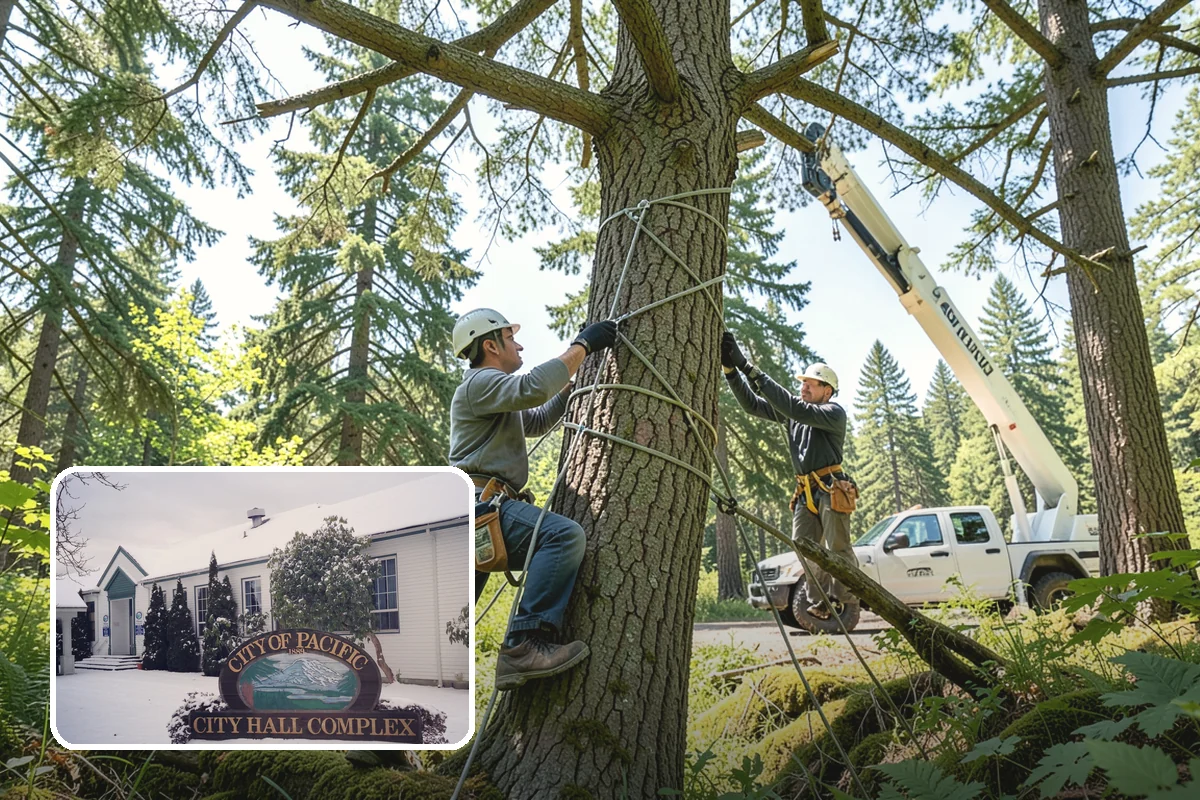
Why green waste piles up in Pacific, and how hauling works
Most yard piles come from the same few sources: fallen limbs, leaf drop, hedge and shrub trimming, and material left after pruning or tree removal. Wet material is heavy and slow to break down, so a pile that looks manageable in autumn can double in volume by spring.
Rain is part of the reason. Daymet climate data for 2005 to 2025 shows that about 81% of Pacific's yearly rain and snow falls between October and April. That means the wet months are also when leaves come down and storms break branches. Debris gets soaked, gets heavier, and is harder to move by hand. If you plan a cleanup, the drier months make loading easier, but a large pile that is already waterlogged is a good reason to call sooner rather than let it sit.
Pacific is also listed on the USDA plant hardiness map (2023) as zone 8b. In practical terms, that is a mild-winter zone where many ornamental and fruiting plants grow well, and that means a steady supply of trimmings and dropped fruit across the year.
Where the material goes matters here. King County and Pierce County are inside the WSDA apple maggot quarantine. Homegrown fruit and yard waste may not be moved out of the quarantine area into pest-free areas. For you, that means a load of yard debris should not be hauled off by whoever is available and dumped anywhere. It needs to stay within the quarantine area. We plan the disposal of every load with that rule in mind, and if you have dropped apples, pears, or plums mixed into the pile, tell us so we can handle them correctly.
The work itself is simple. We look at the pile or the cut material, confirm what is in it, load it by hand and by tool, and take it away. Sort out anything that is not plant material first, such as wire, plastic pots, treated lumber, or soil in bulk, since those usually cannot go with ordinary green waste. If the debris comes from a tree job, we can include it in that visit.
Call or text 425-484-4442 for a free estimate. A few photos of the pile help us understand the volume before we arrive.
Pacific tree conditions at a glance
| Land under dense tree cover (50%+ canopy) | 8% |
|---|---|
| Rain and snow falling October to April | 81% of the year’s total |
| Days with 0.1 in or more of rain | 108 a year |
Tree health near Pacific
- Decline, cause not identified890 ac
- Unknown root disease or decay14 ac
- Fir engraver3 ac
Forest damage mapped from the air within 10 km of Pacific, 2021-2025 (USDA Forest Service and WA DNR). This covers forest land, not street or yard trees. “Decline, cause not identified” is dieback with no single cause found.
Sources: Daymet daily weather (NASA/ORNL), NOAA Storm Events, USDA plant hardiness map 2023, NRCS soil survey, USGS elevation, WA DNR landslide inventory, USDA Forest Service aerial survey, WSDA, city tree assessments and street-tree inventories, SILVIS Lab, Arbor Day Foundation, and official city and utility pages.
Green Waste Hauling Serving Pacific
Pacific

Also serving Pacific
- Firewood Sales in Pacificat Washington Firewood
- Decorative Mulch Installation in Pacificat Washington Landscaping