Where Safety Meets Expert Tree Service.
About Root Removal in Orting
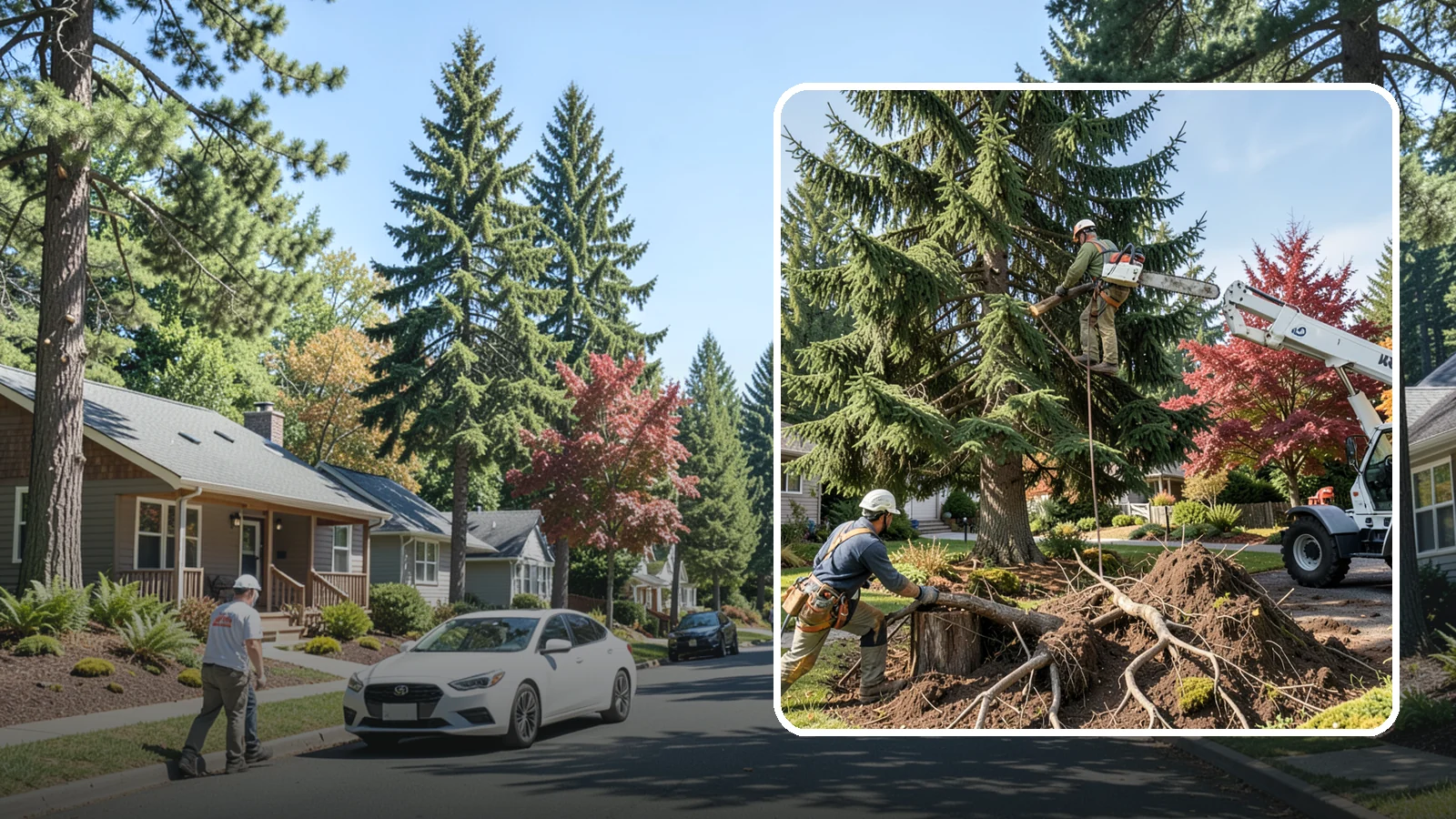
If you have recently had a tree or stump removed but roots remain in your yard, our root removal service can help clear the space for new projects. This work is ideal for homeowners who want to reclaim usable ground or prepare an area for construction and replanting. We are here to ensure your property is left safe and ready for its next use.
What Orting Root Removal Includes
Root removal focuses on taking out the remaining roots that stay behind after tree or stump work has been completed. This process clears obstructions that could cause tripping hazards while also discouraging pests and unwanted regrowth in the area. By removing these underground remnants, we help you fully utilize your landscape for hardscape installation or new planting efforts.
Orting Root Removal Process
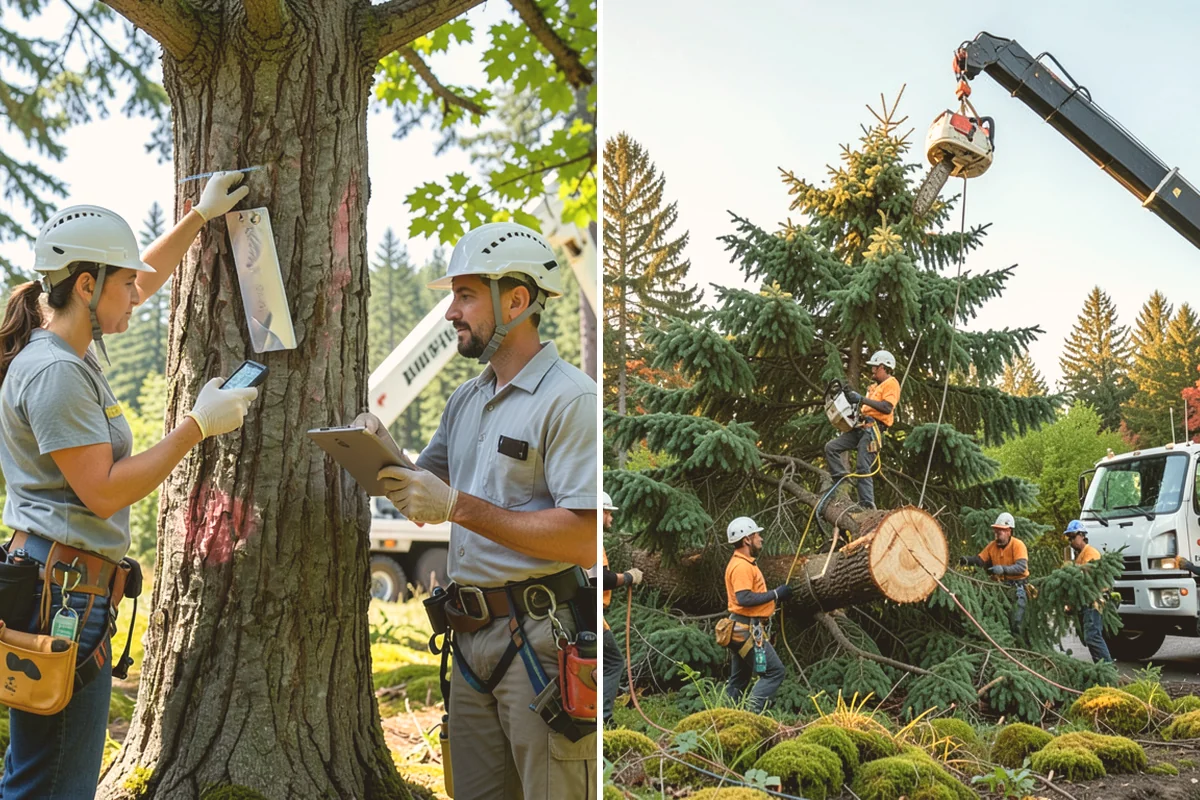
Our trained crews begin by locating and marking any nearby utilities before starting work to ensure everyone stays safe. We clear the immediate area around the stump and then grind or extract it along with surface roots using appropriate methods. Once removed, we process the resulting debris and backfill the site as needed to restore proper grading for your lawn.
Equipment We Use for Orting Root Removal
To complete this job effectively, our teams utilize a variety of tools including stump grinders and excavation equipment. We also bring utility locating support systems along with wheelbarrows, rakes, and necessary personal protective gear. These resources allow us to match our methods specifically to the tree species present and the unique conditions of your site.
Orting Root Removal Safety & Best Practices
Before any grinding begins, we confirm that all underground utilities have been properly located to prevent damage or injury. During work, bystanders are kept clear of ejected debris while crew members wear eye and hearing protection at all times. We also remain vigilant for buried obstructions like rocks or other hazards that could affect the safety of our team or your property.
Signs You Need Root Removal in Orting
You may need this service if you notice tripping hazards near a stump site or find yourself dealing with pests attracted to remaining roots. If you plan on building hardscape, adding new plants, or simply wanting open space for play and recreation, root removal is the next logical step. Extensive root systems that limit access or cause ground instability are also clear indicators that this work is required.
What Affects the Cost of Root Removal in Orting
The final cost depends largely on the size of your root system and whether soil conditions contain rock or debris that complicate excavation. Site access limitations for our equipment can influence pricing, as well as any specific requirements to locate underground utilities before we begin. These factors ensure we provide an accurate estimate tailored to the unique challenges of your property.
Best Time of Year for Orting Root Removal
In our local Puget Sound climate, root removal work can generally proceed throughout all seasons of the year. However, heavy rainfall may temporarily delay projects when it creates muddy ground that is unsuitable for excavation tools and equipment. We monitor weather conditions closely to ensure we only start digging when the site is stable enough for safe operation.
Root Removal Serving Orting
Orting
A small city in the Puyallup River valley of Pierce County in the shadow of Mount Rainier.
Growing Conditions in Orting
Permits & Local Notes for Orting

Root removal in nearby areas
Also serving Orting
- Lawn Seeding in Ortingat Washington Landscaping
- Vegetation Management in Ortingat Washington City Services